Some slang words stroll politely into English. Others burst through the door wearing sneakers, carrying a basketball, and shouting, “That was clutch!” The word clutch is one of those wonderfully flexible American slang terms that sounds simple until you try to explain it to someone who only knows it as a car part or a tiny purse.
So, what does “clutch” mean in slang? In everyday American English, clutch means helpful, excellent, or successful at exactly the moment it matters most. It often describes a person, action, object, or decision that saves the day under pressure. A last-second shot in basketball? Clutch. A friend bringing phone chargers to a road trip? Clutch. Finding one clean hoodie before school? Honestly, extremely clutch.
This guide breaks down the meaning of clutch slang, where it comes from, how to use it naturally, and why it has become such a popular word in sports, gaming, school, work, and daily conversation.
What Does “Clutch” Mean in Slang?
In slang, clutch means something or someone comes through at a critical time. It suggests usefulness plus timing. Something is not just good; it is good when things are tense, urgent, awkward, or about to fall apart like a folding chair at a family barbecue.
Basic definition of clutch slang
Clutch means:
- Performing well under pressure
- Being useful at the perfect moment
- Saving a situation from going badly
- Doing something impressive when the stakes are high
- Coming through when people need you most
For example, if a student remembers to bring extra pencils on test day and shares them with classmates, someone might say, “You are so clutch.” The pencils are not magical. They are just perfectly timed. That timing is the secret sauce.
Simple Examples of “Clutch” in a Sentence
The easiest way to understand clutch meaning is to see it in action. Here are natural examples you might hear in real American conversations:
- “That three-pointer was clutch.”
- “Thanks for bringing snacks. That was clutch.”
- “Her presentation answer was clutch because nobody else knew what to say.”
- “This portable charger came in clutch.”
- “He is a clutch player in close games.”
- “Getting an extension on the deadline was clutch.”
- “My umbrella was clutch when it started pouring.”
Notice that “clutch” can describe people, objects, actions, and moments. It is not locked into one grammar job. It freelances. Very modern of it.
Where Did the Slang Meaning of “Clutch” Come From?
The older meanings of clutch are connected to gripping, holding, or seizing. As a verb, to clutch something means to grab it tightly. As a noun, a clutch can mean a mechanical device in a vehicle, a small handbag, or even a group of eggs. English looked at one word and said, “Yes, you may have several careers.”
The slang meaning developed strongly through American sports. In sports, a player who performs well in a decisive moment is often called clutch. A baseball hitter who gets the winning hit late in the game, a quarterback who leads a final drive, or a basketball player who sinks free throws with five seconds left may all be described as clutch.
From there, the word spread into casual speech. People began using it outside stadiums and highlight reels. Today, a good decision, useful tool, reliable friend, or perfectly timed snack can be called clutch. Sports gave the word its drama; everyday life gave it a backpack and sent it everywhere.
“Clutch” in Sports
Sports remain the natural home of the word. When fans say an athlete is clutch, they usually mean that player performs well when the game is close, the pressure is intense, and the result matters.
What is a clutch player?
A clutch player is someone known for staying calm and effective in high-pressure moments. This does not always mean the player is the best overall. It means fans trust that person when the situation gets dramatic.
For example:
- A basketball player hits a game-winning shot.
- A baseball batter drives in runs with two outs.
- A soccer goalkeeper saves a penalty kick.
- A football kicker makes a field goal as time expires.
These are classic clutch moments. The scoreboard is tight, everyone is watching, and the person still delivers. No pressure, right? Just thousands of people screaming and the internet preparing memes in real time.
“Clutch” in Gaming
Gaming helped push clutch slang even further into modern speech. In video games, a clutch often refers to a player winning or surviving a difficult situation, especially when the odds look terrible.
For example, in a team-based game, one player might be left alone against three opponents and still win the round. That is a clutch. In battle royale games, surviving with low health and grabbing the win can also be described as clutch.
Gamers may use the word as a noun, adjective, or verb:
- “That was a clutch.”
- “You clutched the round.”
- “That revive was clutch.”
- “He is clutch in final circles.”
Gaming language moves fast, but clutch has stayed useful because it captures a very specific feeling: disaster is waving hello, and someone somehow saves the moment.
What Does “Came in Clutch” Mean?
The phrase “came in clutch” means something or someone became helpful at exactly the right time. This is one of the most common ways people use the word in casual conversation.
Examples:
- “Your notes came in clutch before the exam.”
- “That coupon came in clutch at checkout.”
- “My friend’s advice came in clutch during the interview.”
- “The backup battery came in clutch during the power outage.”
The phrase is especially popular because it works for big and small situations. A life-changing opportunity can come in clutch. So can a granola bar found at the bottom of a backpack. We do not judge heroes by size.
Is “Clutch” Always About Pressure?
Originally, clutch was strongly tied to pressure and high stakes. In sports, a clutch moment mattered because the game was on the line. Over time, the word became broader. Many people now use clutch to mean simply very useful, convenient, reliable, or excellent.
For example, someone might say, “This backpack has a built-in charger. That is clutch.” There may be no dramatic countdown clock involved. Still, the idea is that the feature is unusually helpful.
However, the strongest use of clutch still includes urgency. If something is helpful when you badly need it, the word feels more natural. Calling a random spoon “clutch” might sound funny unless that spoon is the only thing standing between you and a bowl of cereal. Then yes, that spoon deserves respect.
Different Meanings of “Clutch”
Because clutch has several meanings, context is important. The same word can appear in very different conversations.
1. Clutch as slang
This is the modern casual meaning: helpful, excellent, or successful under pressure.
Example: “Your quick reply was clutch.”
2. Clutch as a verb
To clutch means to hold something tightly.
Example: “She clutched her phone while watching the scary movie.”
3. Clutch as a car part
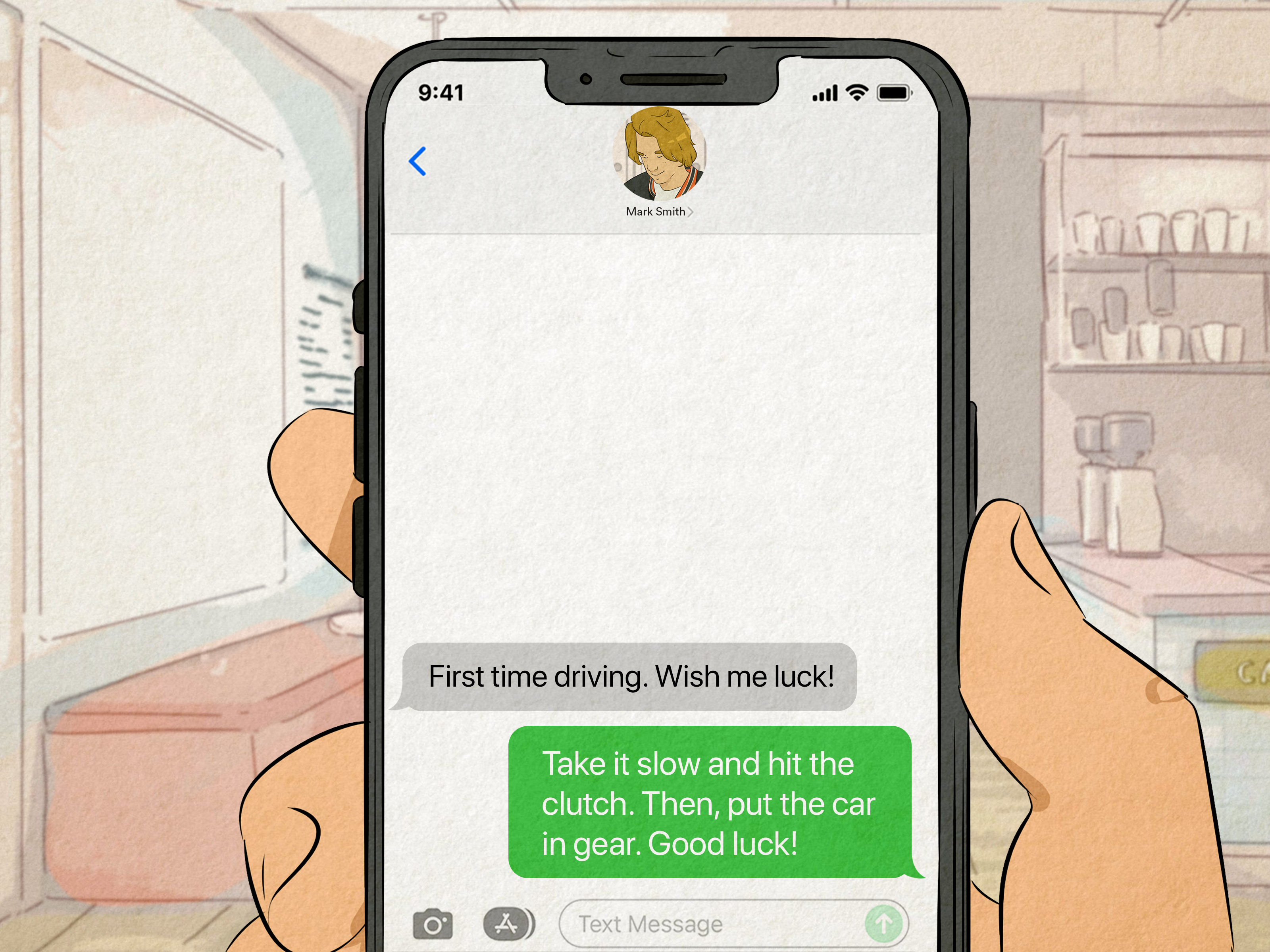
In a manual transmission vehicle, the clutch helps connect and disconnect engine power from the wheels so the driver can change gears.
Example: “Learning to use the clutch takes practice.”
4. Clutch as a small purse
A clutch can also be a small handbag, usually held in the hand.
Example: “She brought a silver clutch to the wedding.”
5. Clutch as a group of eggs
In biology, a clutch can mean a group of eggs laid by a bird, reptile, or other animal.
Example: “The bird laid a clutch of eggs.”
English is very efficient. One word, five jobs, no coffee break.
How to Use “Clutch” Naturally
To sound natural, use clutch when someone or something helps in a meaningful, timely way. It is usually casual, so it works best in conversation, social media captions, texting, sports talk, gaming chat, and informal writing.
Natural patterns
- That was clutch.
- You came in clutch.
- This is clutch.
- She is clutch under pressure.
- He made a clutch play.
- Those tips were clutch.
Here are a few everyday examples:
- “My teacher posted a study guide the night before the quiz. Clutch.”
- “The bus arrived right when it started raining. That was clutch.”
- “My teammate finished the project slides when my laptop crashed. She came in clutch.”
- “Extra fries at the bottom of the bag? Clutch behavior from the universe.”
When Not to Use “Clutch”
Although clutch is common, it is still informal. Avoid using it in serious academic essays, formal business reports, legal documents, or professional emails unless the tone allows casual language.
For example, you probably should not write, “Your tax documentation was clutch,” in a formal letter. It might be understood, but it could sound too casual. In formal settings, use alternatives such as:
- Helpful
- Timely
- Effective
- Reliable
- Decisive
- Critical
- Essential
In casual conversation, though, clutch is expressive, modern, and easy to understand once people know the idea behind it.
Synonyms for “Clutch” Slang
Depending on the situation, clutch can mean several related things. Good synonyms include:
- Helpful
- Useful
- Timely
- Reliable
- Important
- Game-changing
- Decisive
- High-pressure
- Key
- Perfectly timed
Still, no single synonym captures the exact flavor of clutch. “Helpful” is nice, but it does not have the same scoreboard buzzer energy. Clutch has a little drama baked into it.
Is “Clutch” Positive or Negative?
Clutch is almost always positive. If someone says, “That was clutch,” they are usually giving praise. They mean the action helped, impressed, or saved the situation.
However, tone matters. Like many slang words, clutch can be used sarcastically. If someone forgets the tickets and says, “Well, that was clutch,” they probably mean the opposite. Congratulations, language has jokes.
Why “Clutch” Became So Popular
Clutch became popular because it fills a real language gap. We often need a quick way to describe something that is useful at the perfect time. “Helpful” is too plain. “Excellent under urgent circumstances” sounds like a phrase from a robot applying for a management job. “Clutch” is short, punchy, and flexible.
It also works across different parts of life. Sports fans use it. Gamers use it. Students use it. Friends use it. Social media uses it constantly because it fits captions and comments perfectly. A single word can praise a person, a moment, or an object without needing a full speech.
Common Mistakes with “Clutch”
Using it for anything good
Some people use clutch as a general synonym for “cool” or “great.” That is common, but the best use includes timing or usefulness. A pizza can be great. A pizza that arrives after everyone forgot lunch? Clutch.
Using it in overly formal writing
Clutch is casual. It sounds natural in speech, texts, blog posts, and social media. It may sound out of place in formal essays unless you are analyzing slang itself.
Confusing it with “clutching”
“Clutching” usually means holding tightly. “Clutch” as slang means helpful or successful under pressure. If someone says, “He is clutch,” they do not mean he is grabbing a backpack with unusual intensity.
Clutch vs. Choke: What Is the Difference?
In sports and gaming, clutch is often contrasted with choke. To be clutch means to perform well under pressure. To choke means to perform poorly under pressure, especially after having a good chance to win or succeed.
Example:
- Clutch: A player hits the winning shot.
- Choke: A player misses an easy shot because of pressure.
The difference is not just the result. It is the emotional weight of the moment. Clutch means someone handled the pressure. Choke means the pressure handled them.
Real-Life Experience: How “Clutch” Shows Up in Everyday Life
To understand clutch in a practical way, imagine a normal week. Nothing looks like a championship game, but tiny pressure moments pop up everywhere. You wake up late, your phone is at 8%, your backpack zipper jams, and your group project partner texts, “Did anyone finish the intro?” Suddenly, life has become a low-budget action movie with homework.
This is where clutch moments happen. Maybe your friend sends you the class notes five minutes before the quiz. That is clutch. Maybe your sibling reminds you that picture day is today before you leave wearing a shirt with yesterday’s spaghetti on it. Deeply clutch. Maybe your teacher gives one extra example before the test, and it turns out to be exactly the kind of problem on the first page. Educationally clutch. Possibly suspicious, but still clutch.
At work, clutch can describe the coworker who calmly fixes the printer right before a meeting. It can describe the person who remembers the client’s name, the spreadsheet formula, or the fact that the conference room projector has a personal vendetta against humanity. These moments are not always glamorous. Nobody makes a highlight reel called “Top 10 Most Clutch Email Attachments.” But in real life, the small saves matter.
In friendships, clutch often means showing up when it counts. A friend who listens when you are stressed, gives you a ride when plans fall apart, or brings food when everyone forgot to eat has earned the title. Being clutch is not only about skill. It is about timing, awareness, and reliability. The person sees the need and responds before the situation gets worse.
Even objects can be clutch. A hoodie in a cold classroom. A backup pen during an exam. A charger in an airport. A water bottle during a long walk. A screenshot of important information when the Wi-Fi disappears like a magician with commitment issues. These things become clutch because they solve a problem at exactly the right moment.
That is why the word feels so satisfying. It gives credit to the save. It recognizes the difference between something being generally nice and something being perfectly useful when pressure appears. A snack is good. A snack after three hours of errands is clutch. A map is useful. A map when your signal dies is clutch. A friend is appreciated. A friend who helps you stay calm before a big moment is clutch in the purest sense.
So, the next time someone says, “That came in clutch,” they are not just saying something was good. They are saying it arrived like a tiny superhero, cape optional, right when the situation needed help.
Conclusion: The Meaning of “Clutch” Is All About the Moment
The slang word clutch means helpful, impressive, or successful when it matters most. It started with strong roots in sports, where players were praised for performing under pressure, but it now appears in gaming, school, work, texting, and everyday American conversation.
Use clutch when timing matters. A clutch person comes through. A clutch decision saves trouble. A clutch object solves a problem. The word is casual, positive, and packed with the energy of a last-second wineven when the “win” is just finding a phone charger before your battery gives up and moves to the countryside.