Yes, you can freeze cranberry sauceboth homemade and cannedbut the results depend on the type of sauce, how you package it, and how picky you are about texture. Homemade whole-berry cranberry sauce usually freezes beautifully. Smooth homemade sauce also does well, especially if it has a sturdy fruit base and not too much added liquid. Canned cranberry sauce can be frozen too, but it is the diva of the freezer aisle: technically possible, occasionally useful, and sometimes a little watery after thawing.
If Thanksgiving left you with three tubs of cranberry sauce and one suspiciously quiet refrigerator, freezing can save the day. Cranberry sauce is high in acidity and sugar, which helps it keep longer than many leftovers, but it is not immortal. The freezer gives you more time, prevents waste, and lets you enjoy that sweet-tart flavor long after the holiday plates are packed away.
This guide explains how to freeze homemade cranberry sauce, how to freeze canned cranberry sauce, how long it lasts, how to thaw it safely, and what to do if the texture changes. Spoiler: a little stirring, simmering, or creative repurposing can rescue almost any cranberry situation.
So, Can You Freeze Cranberry Sauce?
Yes. Cranberry sauce can be frozen for later use, and for best quality, it is usually smartest to use it within about two to three months. Food kept continuously frozen at 0°F remains safe for a long time, but quality slowly declines. That means the sauce may still be safe after several months, but its flavor, color, and texture may not be as bright as they were when it first went into the freezer.
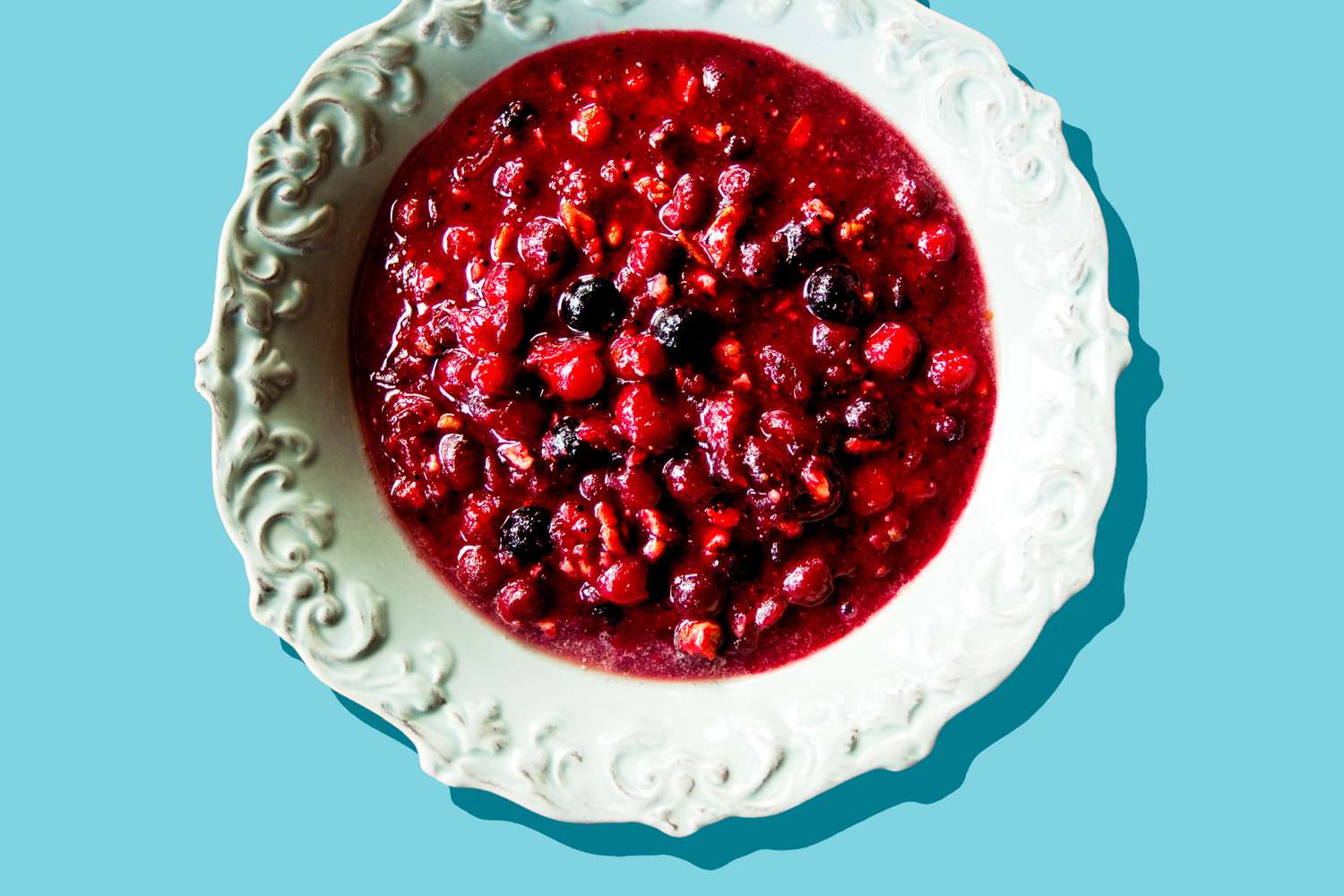
The best cranberry sauce for freezing is homemade whole-berry sauce. The berries, sugar, and natural pectin create a thick, spoonable texture that often holds up well. Homemade jellied cranberry sauce can also be frozen, though it may become softer after thawing. Canned whole-berry cranberry sauce usually freezes better than canned jellied cranberry sauce because it already has a looser, more forgiving texture.
Canned jellied cranberry sauce is the most likely to change. When frozen, water inside the sauce forms ice crystals. As those crystals expand, they can disturb the gel structure. After thawing, the sauce may look separated, grainy, or watery. It may not slide out in perfect can-shaped glory anymore, but it can still taste good in sandwiches, sauces, glazes, and baked goods.
Homemade vs. Canned Cranberry Sauce: Which Freezes Better?
Homemade Cranberry Sauce
Homemade cranberry sauce is generally the winner. A basic homemade version contains cranberries, sugar, water or juice, and sometimes orange zest, cinnamon, ginger, maple syrup, or other flavorings. Because homemade sauce is often less processed and can be cooked down to a thicker consistency, it usually freezes and thaws with better flavor.
Whole-berry sauce freezes especially well because the berries provide body. Even if a little liquid separates during thawing, you can stir it back in or simmer the sauce for a few minutes to tighten it. If your recipe contains apples, pears, orange segments, nuts, or a splash of liqueur, it can still freeze, but add-ins may soften or change texture.
Canned Whole-Berry Cranberry Sauce
Canned whole-berry cranberry sauce can be frozen after opening. Transfer it out of the can and into a freezer-safe container. Do not freeze it in the original can, especially once opened. Metal cans are not designed for freezer storage after opening, and the sauce should be protected from air exposure and freezer odors.
After thawing, canned whole-berry sauce may be slightly looser than before. A quick stir usually brings it back together. If it seems too thin, warm it gently in a saucepan and simmer for a few minutes until it thickens.
Canned Jellied Cranberry Sauce
Canned jellied cranberry sauce can be frozen, but it is the least ideal option. The smooth gel may break down after thawing, leaving the sauce watery or less firm. If you want neat slices for a holiday table, freezing is not the best plan. If you want cranberry flavor for turkey sandwiches, meatballs, barbecue glaze, muffins, oatmeal, or smoothies, freezing works just fine.
Think of thawed jellied cranberry sauce as a future ingredient rather than a centerpiece. It may not stand tall on a serving plate, but it can absolutely bring tangy sparkle to recipes.
How Long Does Cranberry Sauce Last in the Freezer?
For the best taste and texture, use frozen cranberry sauce within two to three months. It can remain safe longer if kept continuously frozen at 0°F, but the quality may fade over time. Freezer burn, ice crystals, dull flavor, and watery texture are signs that the sauce has passed its prime.
If you are freezing cranberry sauce after a holiday meal, label the container with the date and type of sauce. “Cranberry sauce” is helpful. “Aunt Linda’s orange-ginger cranberry sauce, Thanksgiving 2026” is even better, especially when future you is standing in front of the freezer wondering whether the red mystery block is dessert, sauce, or a small frozen beet emergency.
How to Freeze Homemade Cranberry Sauce
Freezing homemade cranberry sauce is simple, but a few smart steps protect the flavor and texture.
Step 1: Cool It Completely
Never place hot cranberry sauce directly into the freezer. Let it cool at room temperature for a short period, then refrigerate it if needed before freezing. For food safety, do not leave it sitting out for more than two hours. Cooling first helps prevent excess steam, condensation, and large ice crystals.
Step 2: Portion It
Freeze cranberry sauce in the amounts you are likely to use. Small containers, silicone muffin cups, ice cube trays, or freezer bags make it easy to thaw only what you need. This is especially useful if you plan to use the sauce for sandwiches, yogurt bowls, smoothies, or quick pan sauces.
Step 3: Choose Freezer-Safe Packaging
Use airtight freezer-safe containers, heavy-duty freezer bags, or straight-sided glass jars labeled as freezer-safe. If using jars, leave headspace because the sauce expands as it freezes. If using freezer bags, press out as much air as possible before sealing.
Step 4: Label and Freeze Flat
Write the date on the container. If using freezer bags, freeze them flat on a baking sheet until solid. Once frozen, you can stack them upright like little cranberry files. Your freezer will look organized, and you may briefly feel like a person who has conquered adulthood.
How to Freeze Canned Cranberry Sauce
Freezing canned cranberry sauce is slightly different because the sauce has already been processed and packaged. The most important rule is this: do not freeze it in the can.
Step 1: Open the Can and Inspect the Sauce
Only freeze cranberry sauce that looks and smells normal. If the can is badly dented, leaking, bulging, rusty, or spurts liquid when opened, discard it. If the sauce has mold, an off smell, unusual discoloration, or a fermented taste, do not freeze it. Freezing does not magically reverse spoilage.
Step 2: Transfer to a Freezer-Safe Container
Spoon the sauce into an airtight container or freezer bag. For jellied sauce, you can slice it first so it freezes and thaws more evenly. For whole-berry sauce, portion it into small servings.
Step 3: Leave Room for Expansion
Cranberry sauce contains water, and water expands when frozen. Leave a little space at the top of rigid containers. This prevents cracked lids, messy leaks, and freezer discoveries that look like a cranberry crime scene.
Step 4: Use It Within Three Months for Best Quality
Canned cranberry sauce may lose texture more quickly than homemade sauce, especially if it is jellied. Plan to use it within two to three months for the best results.
How to Thaw Frozen Cranberry Sauce
The best way to thaw cranberry sauce is in the refrigerator overnight. Place the container on a plate or in a bowl to catch condensation or leaks. Once thawed, stir the sauce well. If it looks watery, do not panic. Cranberry sauce is dramatic, not doomed.
If you need it faster, place the sealed container or freezer bag in a bowl of cold water, changing the water every 30 minutes. You can also thaw it gently in a saucepan over low heat. Avoid leaving frozen cranberry sauce on the counter for hours, especially if it was previously served with a holiday meal and exposed to utensils, hands, and general buffet chaos.
How to Fix Watery Cranberry Sauce After Freezing
Watery cranberry sauce is common after freezing, especially with canned jellied sauce. Try these fixes:
Stir It Vigorously
Sometimes the liquid simply needs to be reincorporated. Stir the sauce with a spoon or whisk until it looks more even.
Simmer It Briefly
Pour the thawed sauce into a small saucepan and simmer over medium-low heat for 5 to 10 minutes. This evaporates excess water and concentrates the flavor. Let it cool before serving.
Add Texture
If the sauce is too loose, add chopped orange segments, diced apples, toasted pecans, or fresh cranberries cooked until soft. These additions turn a watery sauce into a fresh relish-style side dish.
Use It as an Ingredient
If the texture is not table-worthy, use it in recipes where smoothness does not matter. Stir it into barbecue sauce, blend it into salad dressing, spoon it over pancakes, mix it into muffins, or simmer it with mustard and vinegar for a quick glaze.
What Not to Do When Freezing Cranberry Sauce
Do not freeze cranberry sauce that has been left out at room temperature for more than two hours. Do not freeze sauce directly in an opened can. Do not use thin sandwich bags that allow freezer burn. Do not repeatedly thaw and refreeze the same batch, because the texture will decline and the risk of quality problems increases.
Also, do not expect thawed jellied cranberry sauce to behave exactly like fresh-from-the-can sauce. If you need perfect slices with ridges, buy a new can or make a fresh batch. If you need flavor, color, and a sweet-tart punch, frozen cranberry sauce can still do the job.
Best Ways to Use Frozen Cranberry Sauce
Frozen cranberry sauce is more versatile than many people realize. It is not just a Thanksgiving leftover; it is a flavor booster waiting for its second career.
Turkey and Chicken Sandwiches
Spread thawed cranberry sauce on turkey, chicken, ham, or brie sandwiches. It adds brightness and keeps the sandwich from tasting like a nap between two slices of bread.
Cranberry Glaze
Simmer cranberry sauce with balsamic vinegar, orange juice, Dijon mustard, or a little brown sugar. Brush it over roasted chicken, pork tenderloin, meatballs, or holiday ham.
Breakfast Topping
Spoon it over oatmeal, Greek yogurt, waffles, pancakes, or French toast. Add nuts or granola for crunch.
Baking Ingredient
Swirl cranberry sauce into muffins, quick bread, coffee cake, cheesecake bars, or thumbprint cookies. A slightly softer thawed sauce works perfectly in baked goods.
Smoothies and Drinks
Blend frozen cranberry sauce cubes with orange juice, banana, yogurt, or sparkling water. It can also become the base for a mocktail or holiday cocktail syrup.
Does Freezing Change the Flavor?
Freezing usually preserves cranberry flavor well, especially for homemade sauce. However, long freezer storage can dull the bright tartness and make spices taste weaker. Orange zest, cinnamon, cloves, and ginger may mellow. If the sauce tastes flat after thawing, wake it up with a squeeze of orange juice, a pinch of salt, a little lemon zest, or a spoonful of fresh cranberry juice.
Texture changes are more noticeable than flavor changes. Whole-berry sauce may become softer. Jellied sauce may loosen. Sauces with nuts may lose crunch. Sauces with fresh fruit may become juicier. None of this means the sauce is bad; it just means the freezer has done what freezers do: preserved the food while slightly rearranging its personality.
How Long Does Cranberry Sauce Last in the Fridge?
Homemade cranberry sauce often keeps well in the refrigerator for about 10 to 14 days when stored in a clean, airtight container. Opened canned cranberry sauce generally keeps for about one week, though some sources allow slightly longer if it is handled carefully and kept cold. When in doubt, use your senses and your calendar. If it smells off, looks moldy, tastes fermented, or has been sitting around since “the relatives were still here,” throw it out.
For holiday leftovers in general, many cooked dishes should be eaten within three to four days or frozen. Cranberry sauce can last longer because it is acidic and sugary, but it should still be refrigerated promptly and handled with clean utensils.
Real-Life Experience: What Freezing Cranberry Sauce Actually Feels Like in a Busy Kitchen
Freezing cranberry sauce sounds like one of those tiny kitchen tasks that should take 30 seconds. In real life, it usually happens after a holiday meal when the counters are crowded, the dishwasher is full, and someone has already placed mashed potatoes in a container that is definitely too small. Cranberry sauce often becomes the forgotten bowl at the edge of the tablestill bright, still delicious, and quietly wondering whether it has a future.
From practical experience, homemade whole-berry cranberry sauce is the easiest to save. Once it cools, it can be spooned into small containers or freezer bags without much fuss. The best portions are small ones. A full quart of frozen cranberry sauce sounds efficient until you thaw it and realize you only needed two tablespoons for a sandwich. Freezing it in half-cup portions is more useful. Even better, freeze some in ice cube trays. A few cranberry cubes can become a quick sauce for pork chops, a smoothie booster, or a sweet-tart addition to oatmeal.
Canned jellied cranberry sauce is a different story. If you freeze it expecting perfect slices later, disappointment may enter the room wearing holiday socks. Once thawed, it often looks softer and may release liquid. But that does not make it useless. In fact, thawed jellied cranberry sauce can be wonderful when treated as an ingredient. Melt it with a little orange juice and mustard for a glaze. Stir it into barbecue sauce for meatballs. Blend it with vinaigrette for a salad dressing that tastes far fancier than the effort involved.
One helpful trick is to decide the sauce’s future before freezing it. If it will be served again as a side dish, freeze only the best-textured homemade sauce. If it will be cooked into recipes, freeze any good-quality leftover sauce, including canned. This mindset prevents frustration later. The freezer is not always a pause button; sometimes it is a career-change counselor for food.
Another lesson: label everything. Cranberry sauce freezes into a deep red block that can resemble tomato paste, berry compote, or something you meant to investigate last winter. A simple label saves time and prevents culinary surprises. Write the date, the type of sauce, and any special flavors such as orange, ginger, port, maple, or jalapeño.
Finally, thaw cranberry sauce in the refrigerator whenever possible. The texture is better, the temperature stays safer, and you avoid the awkward moment of microwaving one frozen edge while the center remains an icy cranberry brick. After thawing, stir it well and taste it. If it needs help, add citrus, warm spices, or a quick simmer. Most frozen cranberry sauce can be brought back to life with very little effortand sometimes it becomes even more useful the second time around.
Conclusion
You can freeze cranberry sauce, whether it is homemade or canned, but homemade whole-berry sauce gives the best results. Canned whole-berry sauce can also work well, while canned jellied cranberry sauce may become watery or soft after thawing. For best quality, cool the sauce completely, transfer it to airtight freezer-safe packaging, label it, and use it within two to three months.
Thaw cranberry sauce in the refrigerator overnight, stir it well, and simmer it briefly if it separates. Even if the texture changes, the flavor can still shine in sandwiches, glazes, muffins, breakfast bowls, and sauces. Freezing cranberry sauce is a smart way to reduce food waste, stretch holiday leftovers, and keep a little tart-sweet magic ready for future meals.
Note
This article is based on synthesized guidance from reputable U.S. food-safety agencies, university extension food-preservation resources, cranberry industry recommendations, and established American food publications. Source links are intentionally omitted from the article body for clean web publishing.