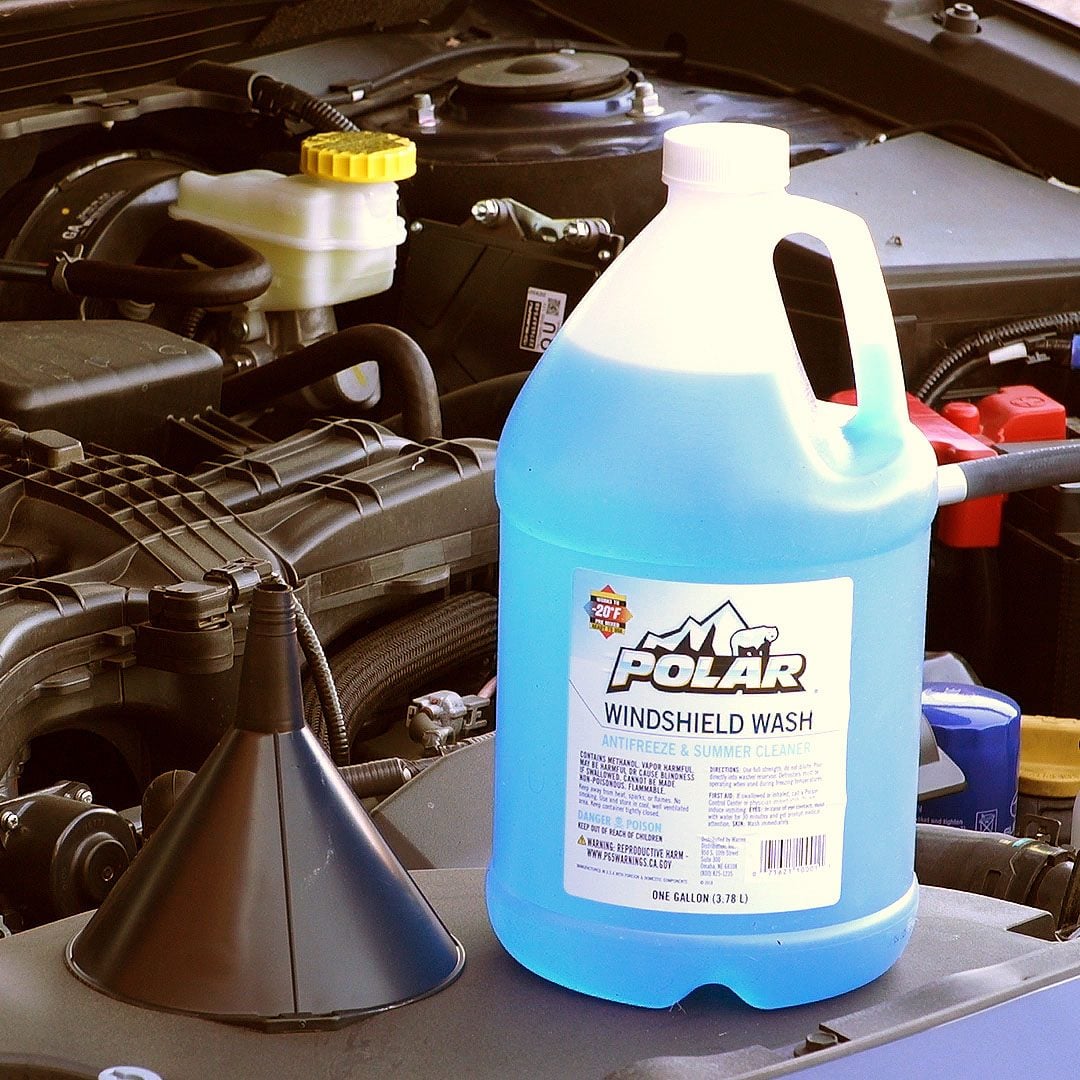
Windshield wiper fluid is easy to ignore until a truck splashes muddy road water across your windshield and your washer nozzles respond with one sad little dribble. Suddenly, that inexpensive blue liquid becomes the most important fluid in the car.
Fortunately, learning how to check windshield wiper fluid requires no mechanical degree, specialized scanner, or heroic crawl beneath the vehicle. For most cars, the job takes only a few minutes and involves opening the hood, identifying the correct reservoir, checking the level, and adding an appropriate washer solution.
This DIY guide explains the entire process, including how to choose the right fluid, avoid mixing up reservoirs, troubleshoot weak spray, and recognize problems that require more than a simple refill.
Why Windshield Wiper Fluid Matters
Windshield washer fluid helps remove dust, bugs, pollen, salt, oily road film, and other debris that ordinary wiper blades may only smear around. A clean windshield improves visibility during rain, snow, nighttime driving, and low-angle sunlight, when even a thin film of grime can create distracting glare.
The National Highway Traffic Safety Administration recommends keeping the washer reservoir filled, particularly before winter weather, because drivers can use a surprising amount of fluid during a single snowstorm. The agency also recommends winter-grade fluid with de-icing protection in freezing conditions.
Washer fluid does not lubricate the engine or prevent mechanical failure, but that does not make it optional. Visibility is a safety issue. Running the wipers across dry, gritty glass can also create streaks, wear the rubber blades, and potentially drag abrasive dirt across the windshield.
How Often Should You Check Windshield Washer Fluid?
A practical schedule is to inspect the level about once a month, before a long road trip, and whenever you perform routine maintenance such as checking tire pressure or engine oil. Drivers who live in dusty areas, travel on salted winter roads, or frequently deal with insects may need to check it more often.
Ford recommends checking the reservoir whenever you fill the fuel tank, while several automotive maintenance sources include washer fluid in regular road-trip and seasonal inspections. The exact schedule matters less than building a repeatable habit.
You should also check the reservoir when:
- The low washer-fluid warning appears on the dashboard.
- The nozzles spray weakly or intermittently.
- The pump runs but little or no fluid reaches the glass.
- You are preparing for freezing temperatures.
- You notice unexplained blue, green, orange, or clear liquid beneath the front of the car.
What You Need
This is one of the least demanding DIY car-maintenance jobs. Gather the following items:
- A container of compatible windshield washer fluid
- A clean funnel, especially if the reservoir opening is narrow
- A paper towel or clean shop rag
- Your vehicle owner’s manual, if the reservoir is difficult to identify
- Disposable gloves, if you prefer to keep fluid off your hands
Do not assume every brightly colored liquid in the garage belongs in the washer tank. Engine coolant, concentrated cleaners, dish soap, and household chemicals can damage components, leave residue, or create a visibility-reducing mess.
How to Check Your Windshield Wiper Fluid Step by Step
1. Park on a Safe, Level Surface
Park the vehicle on level ground, shift into Park or engage the parking brake, and turn off the engine. A level surface makes the fluid easier to judge and reduces the chance of the car moving while you are working.
Allow the engine compartment to cool if the vehicle has just been driven. Checking washer fluid does not normally require touching hot engine components, but a crowded engine bay may place the reservoir near hoses, metal brackets, or cooling fans.
Keep loose sleeves, jewelry, hair, and tools away from electric cooling fans. Some fans can start automatically even when the engine is not running. Ford specifically highlights this precaution in its washer-fluid instructions.
2. Release and Open the Hood
Pull the hood-release lever inside the vehicle, usually located beneath the dashboard on the driver’s side. Walk to the front, release the secondary safety latch under the hood, and raise it fully.
Secure the hood with the support rod if your vehicle does not have gas struts. Make sure the rod is seated correctly before leaning over the engine compartment. A hood that unexpectedly drops is an especially rude way to end a two-minute maintenance task.
3. Find the Windshield Washer Fluid Reservoir
Look for a plastic tank with a cap displaying a windshield-and-spray symbol. The cap is commonly blue, black, yellow, or another noticeable color, but the symbol is more reliable than the color.
The reservoir is often mounted near a front corner of the engine compartment. In some vehicles, only the filler neck and cap are visible because the main tank sits lower behind a fender liner or bumper area. Ford describes the reservoir as commonly being a white or translucent container marked with the windshield-water symbol.
Do not confuse it with the coolant expansion tank, brake-fluid reservoir, or power-steering reservoir. If two caps look suspiciously similar, stop guessing and check the owner’s manual. Consumer Reports advises consulting the manual before adding any under-hood fluid because placing the wrong liquid in a reservoir can cause damage.
4. Inspect the Fluid Level
If the tank is translucent and fully visible, inspect the level through the plastic. Some reservoirs have “MIN,” “MAX,” “LOW,” or “FULL” markings. Others have no useful markings, so you may need to remove the cap and look into the filler neck.
Unlike engine oil, windshield washer fluid normally does not require a dipstick. If you can see fluid near the intended full line or close to the top of the filler neck, the reservoir likely does not need more.
Some vehicles monitor the tank electronically and display a dashboard warning when the level falls. However, a warning light is not a substitute for inspection. A faulty level sensor may leave the light illuminated after refilling, or the vehicle may not have a washer-fluid sensor at all.
5. Check the Fluid’s Condition
Washer fluid should generally look clean and free of floating debris, thick sludge, or oily contamination. Color varies by product and may be blue, purple, orange, green, or nearly clear, so color alone does not determine whether the fluid is usable.
If the reservoir contains dirty liquid, visible algae-like growth, an oily film, or a suspicious mixture, avoid simply topping it off. The system may need to be drained and flushed. Contaminants can clog the pump, hoses, filter screen, or spray nozzles.
6. Add the Correct Windshield Washer Fluid
Open the reservoir cap and pour washer fluid slowly into the filler neck. Use a clean funnel if necessary. Stop at the full mark or just below the top, according to the vehicle manufacturer’s instructions.
Ford advises filling the reservoir until the fluid almost reaches the top and notes that drivers in extremely cold weather should avoid filling it completely. AAA also recommends using the bottle spout or a funnel to minimize spills.
If you purchased a concentrated washer product, read the label before pouring. Some concentrates must be diluted with a specific amount of water. Ready-to-use products should not be diluted unless the manufacturer permits it, because dilution can weaken cleaning power and reduce freeze protection.
7. Replace the Cap Securely
Press, twist, or snap the cap back into place. A loose or missing cap allows dirt to enter and fluid to splash out while driving.
Wipe up spilled fluid with a rag, remove your funnel and tools, lower the hood carefully, and confirm that it latches completely.
8. Test the Washer System
Start the vehicle if required and activate the windshield washers. The fluid should reach the windshield with enough coverage for the wiper blades to clean the glass effectively.
Test the rear washer as well if your vehicle has one. Some vehicles use the front reservoir for both systems, while others may have a separate rear reservoir. Consult the manual if the rear washer remains dry after the front reservoir has been filled.
How to Choose the Right Washer Fluid
All-Season Washer Fluid
All-season fluid is a practical choice for moderate climates. It is designed to handle everyday dirt, bugs, and road film, while providing some freeze protection. Always check the temperature rating printed on the container rather than assuming that the words “all season” cover every winter condition.
Winter or De-Icer Fluid
Drivers in freezing climates should choose a product with a freeze rating safely below the lowest expected temperature. Winter formulas may help melt light frost, remove road salt, and reduce refreezing.
NHTSA recommends high-quality winter fluid with de-icer before winter weather. Commercial products vary significantly; for example, specific Prestone formulas advertise protection at temperatures ranging from approximately -27°F to -34°F. The correct choice depends on the product label and local climate, not the color of the liquid.
Bug-Removing Summer Fluid
Summer blends may contain additional cleaning agents for insects, pollen, tree sap residue, and oily film. These products can be useful during warm-weather highway driving, but some provide limited or no freeze protection.
Water-Repellent Fluid
Some formulas leave a water-repelling treatment on the windshield, causing rain to bead and move away more easily. Verify that the product is suitable for your vehicle, particularly if it has rain-sensing wipers, a coated windshield, or manufacturer-specific fluid requirements.
Can You Use Plain Water Instead of Washer Fluid?
Plain water may seem like an economical substitute, but it has several disadvantages. It does not remove oily road residue as effectively as formulated washer fluid, may encourage biological growth inside the reservoir, and can freeze in the tank, pump, hoses, or nozzles.
Frozen water expands and can damage plastic components. Ford specifically advises against using water because freezing can clog or damage the reservoir and hoses. Consumer Reports similarly notes that water cleans less effectively and is vulnerable to freezing.
In a true roadside emergency above freezing, a small amount of clean water may be better than driving with an dangerously obscured windshield. However, it should be replaced with the correct washer fluid as soon as practical, especially before temperatures fall.
Common Mistakes to Avoid
Pouring Fluid Into the Wrong Reservoir
This is the mistake with the greatest potential for expensive consequences. Never identify a reservoir by cap color alone. Find the windshield-spray symbol or verify the location in the owner’s manual.
Using Engine Antifreeze
Engine coolant is not windshield washer fluid. It can leave a greasy film on the glass, impair visibility, and contaminate the washer system. Consumer Reports warns that adding antifreeze to the washer reservoir can create a slimy mess.
Adding Dish Soap or Household Glass Cleaner
Dish soap can foam excessively, leave residue, and attack some automotive materials. Household glass cleaners may contain ingredients that are not intended for washer pumps, hoses, exterior coatings, or repeated exposure to automotive paint.
Ignoring the Freeze Rating
A fluid that works perfectly in July may freeze during the first cold snap. Read the temperature rating and change to a winter blend before severe weather arrives.
Activating Wipers on a Dry, Gritty Windshield
If the washer tank is empty, do not repeatedly drag dry blades across a dirty windshield. Stop safely and clean the glass manually or refill the reservoir.
What If the Reservoir Is Full but Nothing Sprays?
A full tank rules out only one problem. Listen while activating the washer control.
You Hear the Pump, but No Fluid Appears
The likely causes include clogged nozzles, frozen fluid, disconnected hoses, pinched lines, or a leaking reservoir. Inspect the ground and engine compartment for wet areas while another person briefly operates the washers.
You Do Not Hear the Pump
The pump may have failed, but first inspect the appropriate fuse according to the owner’s manual. The problem could also involve wiring, the washer switch, a connector, or a control module.
The Spray Is Weak or Uneven
Weak spray may result from low fluid, partially blocked nozzles, a tired pump, a restricted filter screen, or a small hose leak. Do not aggressively enlarge nozzle openings with a thick pin, as this can damage the spray pattern.
The Fluid Disappears Quickly
Repeatedly needing to refill the reservoir may indicate a cracked tank, failed pump seal, loose hose, or damaged connection. A leaking or cracked reservoir can prevent the system from working correctly and should be repaired rather than continually topped off.
Practical DIY Experiences and Lessons
One of the most common first-time experiences is opening the hood and discovering several plastic tanks that all appear eager to receive the wrong liquid. The solution is simple: ignore cap color and hunt for the windshield-and-spray icon. On a crowded engine bay, using a phone flashlight can make the molded symbol much easier to see.
Another useful lesson involves the hidden reservoir. Many drivers expect to see an entire transparent tank, but on some cars, only a long filler neck is accessible. Looking down the neck may not reveal the true level because the fluid sits farther below. In that situation, add fluid gradually and pause frequently. A sudden gurgle or rising level indicates that the reservoir is nearing full.
Spills are another beginner classic. Washer fluid is easier to pour than engine oil, yet a full gallon jug can surge unexpectedly when tilted. A small funnel eliminates most of the drama. Pouring with the jug’s opening positioned near the top rather than at the bottom can also improve airflow and reduce the familiar “glug-glug-splash” routine.
Seasonal mixing creates a less obvious problem. Imagine a reservoir that is half full of summer fluid when a winter blend is added. The resulting mixture may not retain the freeze rating printed on the winter-fluid bottle. Drivers expecting very low temperatures can gradually use the old fluid before refilling, or follow manufacturer-approved procedures for draining the system. Toyota advises allowing the existing contents to deplete when changing to a seasonal blend.
A frequent troubleshooting experience occurs immediately after refilling: the pump runs, but the windshield remains dry. The instinct is to hold the control longer. That may not help. First inspect for fluid leaking beneath the car, then check whether the nozzles are frozen or blocked. If freezing is suspected, move the vehicle into a warmer space and allow the system to thaw naturally. Do not pour boiling water onto cold glass or plastic components.
Another real-world lesson is that washer fluid and wiper blades work as a team. Fresh fluid cannot compensate for hardened, torn, or contaminated rubber. If the washer sprays properly but leaves broad streaks, clean the blades and windshield. Replace the blades if they chatter, skip, split, or continue smearing after cleaning. Consumer Reports recommends remembering the rear wiper as well, since it is often overlooked until the rear window becomes a watercolor painting.
Long road trips offer the clearest argument for carrying extra fluid. Highway insects, construction dust, rain, and winter road salt can empty a reservoir much faster than normal commuting. Consumer Reports notes that a single trip on slushy, salt-covered roads may require substantial washer-fluid use, while NHTSA similarly warns that winter storms can drain the supply quickly.
The final practical lesson is to test the system before leaving the driveway. Refilling the tank is only half the job. A quick spray confirms that the cap is secure, the pump works, the lines are connected, and the nozzles reach the correct part of the windshield. It is much better to discover a clogged nozzle beside your garage than behind a salt truck at highway speed.
Conclusion
Checking windshield wiper fluid is a simple DIY task with an outsized effect on driving visibility. Park safely, identify the reservoir by its windshield-spray symbol, inspect the level and condition, add a climate-appropriate washer solution, secure the cap, and test the system.
Make the inspection part of your monthly car-care routine and perform it before long trips or severe weather. When a full reservoir does not produce a healthy spray, investigate the nozzles, hoses, pump, fuse, and possible leaks instead of assuming that more fluid will magically negotiate with the problem.