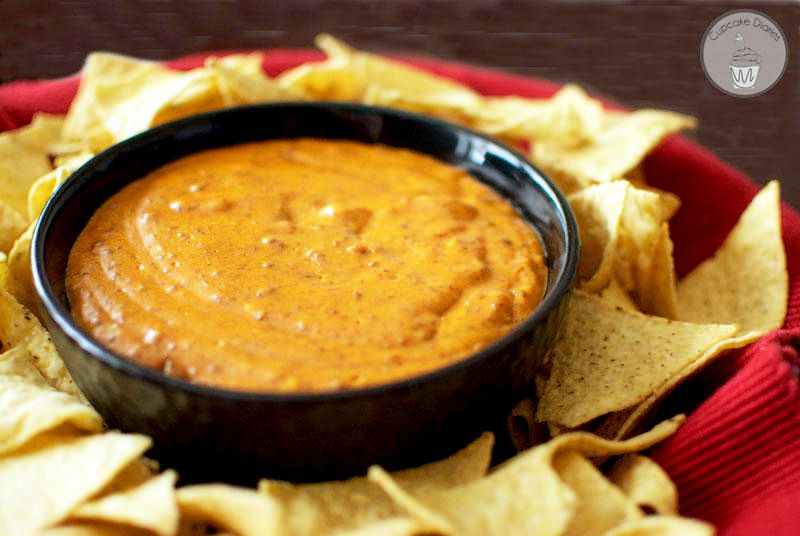
There are party foods, and then there is skillet queso: the molten, cheesy, chili-kissed dip that somehow makes tortilla chips feel like tiny edible shovels with a destiny. This copycat skillet queso recipe is inspired by the restaurant-style queso many people know from casual American Tex-Mex chains, especially the famous skillet queso served hot with chips and salsa. The goal is simple: creamy texture, bold chili flavor, gentle heat, and a dip that stays scoopable long enough for everyone to hover around it like it is giving away free Wi-Fi.
The best part? You do not need chef-level training, a commercial kitchen, or a mysterious “secret sauce” locked in a restaurant basement. You need a skillet, a few smart ingredients, and about 15 minutes. This homemade skillet queso is rich, smooth, beefy, spicy without being dramatic, and perfect for game day, movie night, potlucks, family snacks, or that very specific moment when dinner accidentally becomes “chips and cheese.” No judgment. We have all been there.
What Is Copycat Skillet Queso?
Copycat skillet queso is a homemade version of a restaurant-style cheese dip served warm in a skillet. Unlike thinner queso blanco or jarred salsa con queso, this version usually combines processed American-style cheese or Velveeta-style cheese with no-bean chili, milk, and seasonings such as cumin, chili powder, paprika, garlic powder, and cayenne. The result is thicker than nacho cheese sauce but smoother than a chunky chili cheese dip.
The “skillet” part matters for presentation and texture. A small cast-iron skillet holds heat well, keeps the queso warm on the table, and gives the dip that sizzling, restaurant-style look. It also makes people say, “Ooooh,” which is not required but definitely encouraged.
Why This Copycat Skillet Queso Recipe Works
The magic of this recipe comes from balance. Processed cheese melts smoothly because it is designed to stay creamy instead of separating into oil and grainy clumps. No-bean chili adds savory beef flavor, tomato depth, and seasoning without turning the dip into a bowl of actual chili. Milk or evaporated milk loosens the texture so it remains dippable, while spices sharpen the flavor so it tastes intentional rather than “I melted cheese because I panicked.”
This version also gives you control. Want it hotter? Add jalapeños or more cayenne. Want it smokier? Use smoked paprika. Want a fresher finish? Add lime juice and cilantro. Want it extra meaty? Stir in browned ground beef. Want it vegetarian? Use meatless chili. Queso is flexible. It is basically the yoga instructor of appetizers, except more delicious and significantly cheesier.
Ingredients for Homemade Skillet Queso
Main Ingredients
- 16 ounces processed American-style cheese or Velveeta-style cheese, cubed: This creates the classic smooth, creamy base.
- 1 can, 15 ounces, no-bean chili: Use beef chili for a restaurant-style flavor. No-bean chili gives the dip a smoother texture.
- 1/2 cup milk or evaporated milk: Milk thins the queso; evaporated milk gives it a richer, silkier body.
- 1 teaspoon chili powder: Adds warm Tex-Mex flavor.
- 1/2 teaspoon ground cumin: Brings earthy depth.
- 1/2 teaspoon smoked or sweet paprika: Adds color and mild smokiness.
- 1/4 teaspoon garlic powder: Gives savory background flavor without overpowering the cheese.
- 1/8 teaspoon cayenne pepper: Optional, but useful if you like a little kick.
- 1 teaspoon fresh lime juice: Brightens the richness at the end.
- Tortilla chips, for serving: Choose sturdy chips. Thin chips may crumble under pressure, emotionally and structurally.
Optional Toppings
- Diced jalapeños
- Chopped cilantro
- Diced tomatoes
- Green onions
- Extra chili powder
- A spoonful of pico de gallo
- Crumbled cooked chorizo or browned ground beef
How to Make Copycat Skillet Queso
Step 1: Cube the Cheese
Cut the cheese into small cubes before adding it to the skillet. Smaller cubes melt faster and more evenly. This prevents the bottom from scorching while the top pieces sit there like they are waiting for a formal invitation.
Step 2: Warm the Chili
Place a medium saucepan or cast-iron skillet over low to medium-low heat. Add the no-bean chili and stir for 1 to 2 minutes until warmed. Starting with warm chili helps the cheese melt more smoothly.
Step 3: Add Cheese and Milk
Add the cubed cheese and 1/4 cup of the milk. Stir slowly and constantly as the cheese melts. Once the mixture begins to loosen, add more milk as needed until the queso reaches your preferred consistency. For a thicker dip, use less milk. For a pourable queso, add the full 1/2 cup or a little more.
Step 4: Season the Queso
Stir in chili powder, cumin, paprika, garlic powder, and cayenne. Taste carefully because the dip will be hot. Adjust the seasoning as needed. If it tastes flat, add a tiny pinch of salt or a squeeze of lime juice. If it tastes too rich, lime juice will help wake it up.
Step 5: Finish and Serve Hot
Once the queso is fully melted and smooth, stir in the lime juice. Transfer it to a warmed small cast-iron skillet if you cooked it in a saucepan. Garnish with jalapeños, cilantro, tomatoes, or green onions. Serve immediately with tortilla chips and prepare for the bowl to become suspiciously empty.
Recipe Card: Copycat Skillet Queso
Copycat Skillet Queso Recipe
Prep time: 5 minutes
Cook time: 10 minutes
Total time: 15 minutes
Servings: 6 to 8
Course: Appetizer, Dip, Party Food
Cuisine: American Tex-Mex Inspired
Ingredients
- 16 ounces processed American-style cheese or Velveeta-style cheese, cubed
- 1 can, 15 ounces, no-bean chili
- 1/2 cup milk or evaporated milk, divided
- 1 teaspoon chili powder
- 1/2 teaspoon ground cumin
- 1/2 teaspoon paprika
- 1/4 teaspoon garlic powder
- 1/8 teaspoon cayenne pepper, optional
- 1 teaspoon fresh lime juice
- Tortilla chips, for serving
Instructions
- Add the no-bean chili to a skillet or saucepan over medium-low heat.
- Stir for 1 to 2 minutes until the chili is warm.
- Add the cubed cheese and 1/4 cup milk.
- Stir constantly until the cheese begins to melt.
- Add more milk, a splash at a time, until the dip is creamy and smooth.
- Stir in chili powder, cumin, paprika, garlic powder, and cayenne.
- Cook on low heat for 2 to 3 minutes, stirring often.
- Remove from heat and stir in lime juice.
- Transfer to a warm skillet, garnish if desired, and serve with tortilla chips.
Best Cheese for Skillet Queso
The easiest route is processed American-style cheese because it melts into a smooth, stable sauce. That is why many copycat skillet queso recipes use Velveeta-style cheese. It gives the dip that glossy, restaurant-like texture without requiring a roux, sodium citrate, or advanced cheese chemistry that sounds like it belongs in a lab coat.
If you prefer a less processed version, use a combination of white American cheese, Monterey Jack, and a little evaporated milk. White American cheese melts beautifully, while Monterey Jack adds mild dairy flavor. However, natural cheeses can become grainy if overheated, so keep the heat low and stir gently. Pre-shredded cheese is convenient, but it often contains anti-caking agents that can affect smoothness. Freshly grated cheese behaves better.
How to Make It Taste More Like Restaurant Queso
Restaurant-style queso is usually bolder than homemade cheese dip because it is seasoned aggressively. Do not be shy with spices. Chili powder, cumin, paprika, and garlic powder give the dip its warm, savory backbone. A small amount of lime juice at the end is another secret weapon. It cuts through the richness and makes the dip taste brighter without making it sour.
Texture is just as important as flavor. If your queso is too thick, add warm milk one tablespoon at a time. If it is too thin, let it cook on low for a few minutes while stirring. If it gets grainy, the heat was probably too high. Lower the temperature and stir in a splash of evaporated milk to help smooth it out.
Easy Variations
Spicy Skillet Queso
Add diced pickled jalapeños, hot sauce, cayenne, or chipotle powder. Pickled jalapeños are especially good because they bring heat and tang at the same time.
Beefy Skillet Queso
Brown 1/2 pound of ground beef, drain the fat, and stir it into the queso with the chili. This makes the dip heartier and turns it into a full snack situation. Add taco seasoning for even more flavor.
Smoky Skillet Queso
Use smoked paprika and a small spoonful of chipotle peppers in adobo sauce. This version has a deeper, barbecue-like warmth that pairs beautifully with thick corn chips.
Vegetarian Skillet Queso
Use vegetarian no-bean chili or a meatless chili alternative. You still get the chili flavor and thick texture without beef. Add black beans if you like more body, but keep in mind that beans will make the dip chunkier.
Slow Cooker Skillet Queso
Add all ingredients except lime juice to a small slow cooker. Cook on low for 1 to 2 hours, stirring occasionally, until fully melted. Stir in lime juice before serving. Keep the slow cooker on warm for parties, and stir every now and then so the edges do not overcook.
What to Serve with Skillet Queso
Tortilla chips are the classic choice, but they are not the only option. Serve this queso with warm flour tortillas, mini quesadillas, soft pretzel bites, toasted baguette slices, roasted potatoes, fries, or crunchy vegetables such as bell pepper strips and celery. It also works as a topping for nachos, baked potatoes, hot dogs, burgers, tacos, and breakfast burritos.
For a party spread, pair skillet queso with salsa, guacamole, pico de gallo, chicken wings, sliders, and a big tray of nachos. If you want to keep things simple, chips and queso alone will still win hearts. Honestly, queso does not need a supporting cast. It is the main character wearing a cheese cape.
Storage and Reheating Tips
Store leftover skillet queso in an airtight container in the refrigerator for 3 to 4 days. Because it contains dairy and chili, do not leave it sitting at room temperature for more than 2 hours. For outdoor parties or hot weather, shorten that window to about 1 hour.
To reheat, warm the queso gently on the stovetop over low heat. Add milk one tablespoon at a time and stir until smooth. You can also microwave it in short 20-second bursts, stirring between each round. Avoid blasting it with high heat, unless your goal is to create a cheese volcano with emotional consequences.
Common Mistakes to Avoid
Using High Heat
High heat can make cheese separate or scorch on the bottom. Keep the heat low to medium-low and stir often. Queso rewards patience, even if your chips are already staring at you.
Adding Too Much Milk at Once
Add milk gradually. You can always thin queso, but thickening it again takes more time. Start with 1/4 cup and increase slowly.
Skipping the Acid
A little lime juice helps balance the heavy cheese and chili. It is a small detail, but it makes the dip taste brighter and fresher.
Using Weak Chips
Skillet queso is thick and hearty. Choose sturdy tortilla chips that can scoop without breaking. A flimsy chip in queso is a tragedy in three acts.
Frequently Asked Questions
Can I make skillet queso without Velveeta?
Yes. Use white American cheese, Monterey Jack, and evaporated milk. Keep the heat low and stir constantly. The texture may be slightly less glossy, but the flavor can be excellent.
Can I use chili with beans?
You can, but the texture will be chunkier and less like classic restaurant-style skillet queso. No-bean chili is best if you want a smoother dip.
Can I make this recipe ahead of time?
Yes. Make it up to 2 days ahead, refrigerate it, and reheat gently with a splash of milk. Stir well before serving.
How do I keep queso warm for a party?
Use a small slow cooker on the warm setting, or serve it in a preheated cast-iron skillet. Stir occasionally and add a splash of milk if it thickens.
Is skillet queso spicy?
This recipe is mild to medium, depending on the chili you use. For more heat, add cayenne, jalapeños, hot sauce, or chipotle powder.
Experience Notes: What I Learned Making Copycat Skillet Queso at Home
The first thing you learn when making copycat skillet queso is that it is almost suspiciously easy. You start with cheese and chili, stir a little, and suddenly everyone in the kitchen acts like you have performed ancient culinary magic. The second thing you learn is that texture matters more than you expect. A good queso should cling to the chip but not land on it like wet cement. It should be creamy, scoopable, and smooth enough that nobody has to wrestle with it.
In my experience, the biggest difference between average queso and great queso is heat control. Low heat is your friend. Medium-high heat may feel faster, but it can make the cheese separate or stick to the pan. The best results come from warming the chili first, then adding cheese slowly and stirring with patience. This is not the moment to multitask, answer emails, or go find the TV remote. Queso can sense neglect.
Another useful lesson is that milk should be treated like a seasoning, not a dump-and-pray ingredient. Add it gradually. Some brands of chili are thicker than others, and some processed cheeses melt looser than others. If you add too much liquid at once, the queso may turn soupy. A splash at a time gives you control. Evaporated milk is especially helpful because it adds creaminess without making the dip taste watery.
Seasoning also makes a huge difference. Plain cheese and chili taste good, but chili powder, cumin, paprika, garlic powder, and lime juice make the dip taste more complete. The lime juice may sound optional, but it quietly does important work. It cuts the richness and keeps the dip from tasting heavy after the third, fourth, or highly confidential tenth chip.
For serving, a small cast-iron skillet is worth using if you have one. It holds heat, looks great, and gives the queso that restaurant-style feeling. If you do not own one, a small ceramic bowl or mini slow cooker works fine. The queso will still disappear. Nobody has ever refused hot cheese because the serving dish lacked rustic charm.
For parties, I recommend doubling the recipe. A single batch looks generous until people arrive, at which point it begins vanishing like a magic trick performed by hungry relatives. Keep extra milk nearby for thinning, and stir the dip every 15 to 20 minutes if it is sitting in a slow cooker. If the top thickens, a quick stir usually brings it back to life.
The best pairing is still classic tortilla chips, but I have also tried this queso with pretzel bites, fries, and soft tortillas. Fries were dangerously good. Soft tortillas turned it into a quick snack wrap. Pretzel bites made it feel like a sports bar appetizer without the sports bar bill. The recipe is flexible, forgiving, and exactly the kind of dish that makes people gather around the kitchen counter before the actual meal begins.
My final experience-based advice is simple: make it hot, serve it fresh, and do not overthink it. Copycat skillet queso is comfort food, not a courtroom deposition. Taste as you go, adjust the spice, and keep the chips strong. When the skillet is scraped clean, take that as the highest compliment. Also, maybe hide a small bowl for yourself before serving. That is not selfish. That is strategic queso management.
Conclusion
This copycat skillet queso recipe is creamy, bold, fast, and made for sharing. With processed American-style cheese, no-bean chili, milk, warm spices, and a splash of lime juice, you can create a restaurant-style queso dip at home in about 15 minutes. Serve it in a hot skillet with sturdy tortilla chips, customize it with jalapeños or extra beef, and keep it warm for parties. It is easy enough for a weeknight snack and impressive enough for game day. In other words, it is the kind of recipe that makes people stand near the appetizer table pretending they are “just having one more chip.” Sure, friends. We believe you.
Note: This article is written as an original, publish-ready recipe guide based on widely used American restaurant-style queso methods, common copycat skillet queso techniques, and practical home-cooking experience.