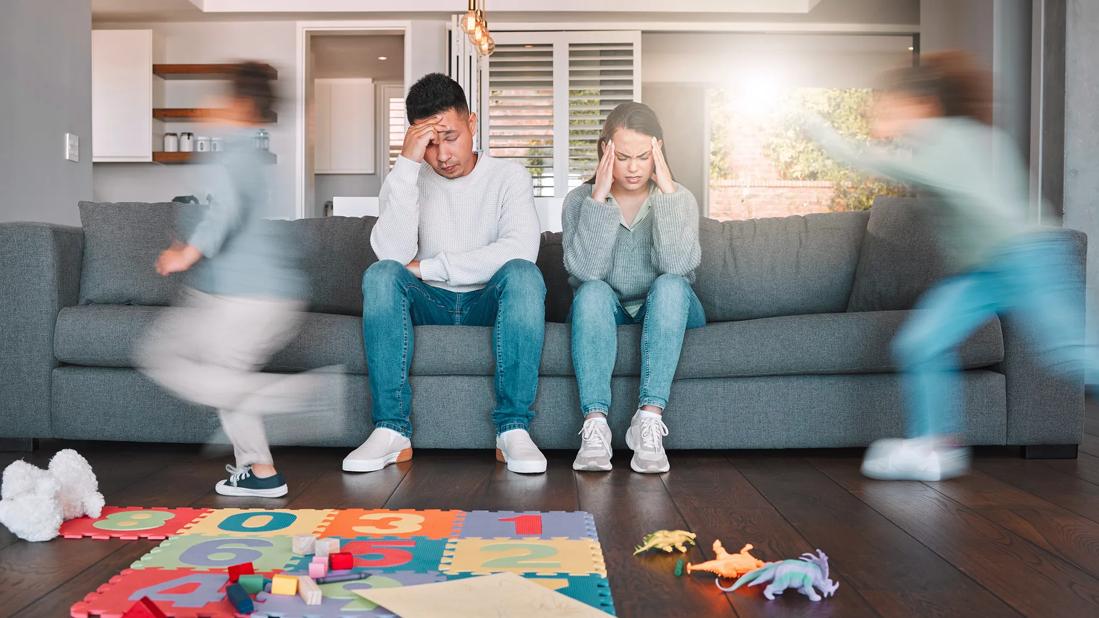
Parenting would be much easier if children arrived with instruction manuals, troubleshooting chceive a tiny human with strong opinions about socks, vegetables, bedtime, and whether the moon should be available during daylight hours.
Although every family is different, psychologists have identified four broad parenting styles: authoritative, authoritarian, permissive, and uninvolved. These styles are based mainly on two dimensionshow responsive parents are to their children and how much structure or control they provide. Understanding them can help caregivers recognize their habits, predict how those habits may affect children, and make thoughtful adjustments.
No parent fits perfectly into one category every day. A calm, patient adult can become surprisingly authoritarian after asking someone to put on shoes seven times. Parenting styles are patterns, not personality diagnoses, and they do not determine a child’s future. Temperament, culture, relationships, economic conditions, school experiences, and family stress also influence development. Still, research has repeatedly connected certain parenting patterns with differences in children’s behavior, emotional regulation, confidence, and independence. t Are the Four Parenting Styles?
Developmental psychologist Diana Baumrind originally described three major parenting styles. Later researchers expanded the framework to include a fourth style, uninvolved parenting. The four categories can be understood by comparing parental warmth with parental expectations.
| Parenting style | Warmth and responsiveness | Rules and expectations | Typical message received by the child |
|---|---|---|---|
| Authoritative | High | High | “You are loved, and these boundaries matter.” |
| Authoritarian | Lower | High | “Follow the rules because I said so.” |
| Permissive | High | Low | “I want you to be happy, so you decide.” |
| Uninvolved | Low | Low | “You are mostly on your own.” |
The categories describe the overall emotional climate of a home. They are not meant to judge one difficult evening, one poorly handled tantrum, or the unfortunate Saturday when everyone ate cereal for dinner.
1. Authoritative Parenting: Warm but Firm
What Authoritative Parenting Looks Like
Authoritative parents combine affection, communication, and emotional support with clear expectations. They explain rules, listen to their children’s perspectives, and enforce reasonable consequences. Children may have input, but they do not run the household like tiny executives with unlimited snack budgets.
An authoritative parent might say, “I know you want to keep playing, and stopping is frustrating. Screen time is over for today. You may save the game and choose what we do next.” The parent acknowledges the feeling without surrendering the boundary.
This approach does not mean endless negotiation. Safety rules, for example, may not be up for debate. However, children usually receive an age-appropriate explanation and opportunities to practice making decisions.
Effects of Authoritative Parenting on Kids
Among the four parenting styles, authoritative parenting is most consistently associated with favorable developmental outcomes. Children raised with warmth and structure often demonstrate stronger self-regulation, social competence, confidence, responsibility, and academic engagement. They may also be more comfortable discussing mistakes because discipline is treated as guidance rather than humiliation. e benefits make sense. Rules provide predictability, while emotional responsiveness gives children a secure place to process frustration. Instead of simply obeying when an adult is watching, children gradually learn why certain behaviors matter.
Authoritative parenting is not a guarantee of straight A’s, spotless bedrooms, or teenagers who cheerfully announce every detail of their weekend plans. It simply creates conditions that support independence and healthy decision-making.
2. Authoritarian Parenting: Strict and Obedience-Focused
What Authoritarian Parenting Looks Like
Authoritarian parents emphasize obedience, control, and compliance. Rules may be numerous, explanations may be limited, and mistakes may bring harsh criticism or punishment. Communication often travels in one direction: from the parent to the child.
A typical response might be, “Turn the game off now. Do not argue with me.” The rule may be reasonable, but the child receives little acknowledgment, explanation, or opportunity to participate in solving the problem.
Authoritarian parenting is sometimes confused with authoritative parenting because both include firm boundaries. The important difference is emotional responsiveness. Authoritative parents enforce limits while remaining receptive and respectful. Authoritarian parents are more likely to demand obedience without discussion.
Effects of Authoritarian Parenting on Kids
Children in authoritarian homes may appear highly obedient, especially when authority figures are present. They may perform well in structured environments because they understand that mistakes bring consequences. However, research has associated highly controlling, emotionally distant parenting with lower self-esteem, greater anxiety, weaker decision-making skills, aggression, rebellion, or difficulty expressing emotions. children become extremely cautious and dependent on approval. Others behave well at home but test limits aggressively elsewhere. When children learn only that a behavior is forbiddennot why it is harmful or what to do insteadthey may struggle to make independent choices.
Harsh verbal or physical punishment is not necessary for firm parenting. The American Academy of Pediatrics recommends positive reinforcement, limit-setting, redirection, and clear expectations rather than spanking, threatening, insulting, humiliating, or shaming children. Permissive Parenting: Loving but Light on Limits
What Permissive Parenting Looks Like
Permissive parents are usually affectionate and accepting, but they provide few consistent rules. They may dislike conflict, feel guilty about disappointing their children, or believe children should learn almost entirely through personal experience.
When bedtime arrives, a permissive parent might say, “You should probably stop playing soon,” followed by three extensions, two snacks, and a philosophical conversation at 11:30 p.m. about whether tomorrow technically begins at midnight.
Permissive parents may act more like friends than authority figures. They frequently listen and comfort, but consequences can be inconsistent. A rule may disappear when a child protests loudly enough, teaching the child that boundaries are opening offers rather than actual limits.
Effects of Permissive Parenting on Kids
Children raised permissively often feel loved and may be comfortable expressing themselves. However, limited structure can make self-control, patience, time management, and respect for boundaries harder to develop. Some children become impulsive, demanding, or frustrated when teachers, coaches, and peers do not provide the flexibility they receive at home. dom is valuable, but children are still learning how to manage it. A young child may sincerely believe that unlimited candy is an excellent nutritional strategy. Loving guidance helps children practice decision-making within safe, developmentally appropriate limits.
4. Uninvolved Parenting: Limited Warmth and Guidance
What Uninvolved Parenting Looks Like
Uninvolved parenting, sometimes called neglectful parenting, includes low emotional responsiveness and few expectations. Parents may provide basic necessities while remaining disconnected from school, friendships, routines, discipline, and emotional needs.
This pattern can occur for many reasons. A caregiver may be overwhelmed by work, poverty, illness, depression, substance use, family conflict, or a lack of parenting support. It is important to distinguish an ongoing pattern of emotional disengagement from a temporary period in which a loving parent has fewer resources because the family is navigating a crisis.
Effects of Uninvolved Parenting on Kids
Children with disengaged caregivers may become unusually self-sufficient because they have little choice. That independence can look impressive from the outside, but it may be accompanied by loneliness, poor emotional regulation, academic difficulties, insecure relationships, or trouble trusting others. Some children seek attention and belonging through risky behavior or unhealthy peer relationships. dren need more than food, clothing, and transportation. Responsive relationships help build communication, social skills, resilience, and the ability to manage stress. Even brief, consistent moments of attentiontalking during dinner, listening after school, reading together, or sharing a daily routinecan strengthen connection. Parenting Styles Influence Child Development
Emotional Regulation
Children are not born knowing how to manage disappointment, jealousy, anger, or anxiety. They learn partly by watching adults. Parents who acknowledge emotions while maintaining limits teach children that feelings are acceptable even when certain behaviors are not.
For example, “You can be angry, but you cannot hit” separates the emotion from the action. In contrast, shaming a child for feeling angry may encourage emotional suppression, while permitting hitting because the child is upset provides no behavioral boundary.
Confidence and Independence
Children build confidence by making manageable choices, solving age-appropriate problems, and recovering from mistakes. Excessive control can prevent them from practicing independence. Too little guidance can leave them facing challenges without the necessary skills.
The goal is not to clear every obstacle from a child’s path or drop the child into the wilderness with a granola bar and encouraging thumbs-up. Effective parenting provides enough support for the child to attempt the next step.
Social Skills
Family interactions provide an early model for relationships. When adults listen, respect boundaries, apologize, and solve conflicts constructively, children observe how healthy communication works. They also learn that authority and respect can coexist.
Academic Habits
Parenting style can shape routines involving homework, attendance, sleep, reading, and communication with teachers. Authoritative caregivers often combine expectations with practical support. They might require homework to be completed while helping the child create a schedule rather than completing the assignment for them.
Why Parenting Styles Are Not Destiny
It is tempting to treat the four parenting styles like a personality quiz: select several answers, receive a label, and spend the afternoon worrying that one missed soccer game has ruined adulthood. Real family life is more complicated.
First, children have different temperaments. One child may need extra preparation before transitions, while a sibling adapts quickly. The same strategy may feel supportive to one child and overly controlling to another.
Second, cultural values influence expectations for obedience, independence, family responsibility, and communication. Behaviors should be interpreted within their cultural and relational context rather than judged by a single universal script.
Third, children influence parents as well as being influenced by them. A child with intense emotions, developmental differences, sleep difficulties, or behavioral challenges may change how adults respond. This two-way relationship is one reason researchers should be cautious about claiming that parenting style alone causes a particular outcome.
Finally, caregivers commonly shift styles depending on the situation. A parent might be authoritative about school, permissive about household clutter, and temporarily authoritarian when a child runs toward traffic. The broader pattern matters more than an isolated reaction.
How to Move Toward Authoritative Parenting
Connect Before Correcting
Recognize what the child is feeling before addressing the behavior: “You are disappointed that we have to leave.” Validation does not mean agreement. It shows that the child has been heard.
Create Clear, Specific Rules
“Behave yourself” is vague. “Keep your feet on the floor and use an indoor voice” is easier to understand. Rules work best when they are realistic, age-appropriate, and consistently followed by all caregivers.
Use Logical Consequences
A consequence should connect to the behavior whenever possible. If a child throws a toy, the toy is temporarily removed. If a teenager misses an agreed return time, the next outing may include an earlier check-in. Calm follow-through usually teaches more than a dramatic punishment invented during peak frustration.
Notice Positive Behavior
Children need attention when they cooperate, not only when the household resembles a low-budget disaster movie. Specific praise“You put your backpack away without being reminded”shows exactly which behavior should be repeated. Positive reinforcement, predictable responses, routines, and non-harsh discipline are central features of evidence-based parenting guidance. er Limited Choices
Choices support independence without surrendering the boundary. A preschooler might choose between two shirts. A school-age child might choose whether to complete homework before or after a snack. Neither gets to choose whether pants are part of the school-day plan.
Repair After Mistakes
Healthy parenting does not require perfection. When parents yell, overreact, or fail to follow through, they can acknowledge it: “I was frustrated, but yelling was not okay. I am sorry. Let us try that conversation again.” Repair teaches responsibility more effectively than pretending adults never make mistakes.
Experiences With the Four Parenting Styles in Everyday Life
Parenting theories become clearer when they leave the textbook and enter an ordinary kitchen at 7:15 on a school morning. Imagine that 10-year-old Jordan has not packed a backpack, cannot find a shoe, and has suddenly remembered a science project due today.
An authoritarian response might begin with criticism: “You are always irresponsible. Stop making excuses and get in the car.” Jordan may move quickly, but mostly because fear and shame have taken control. The immediate problem is solved, yet the child has not learned how to organize the next morning. Repeated experiences like this can teach children to hide mistakes until they become impossible to conceal.
A permissive response might involve the parent completing the project, finding every missing item, emailing the teacher, and promising that the deadline was somehow the family dog’s fault. Jordan feels rescued, but the rescue removes the natural opportunity to learn planning and responsibility. The next forgotten assignment may arrive with an expectation that the adult emergency-response team will mobilize again.
An uninvolved response might be, “That is your problem,” without guidance, curiosity, or acknowledgment. Allowing natural consequences can sometimes be appropriate, especially for older children, but emotional disengagement is different from purposeful independence. Jordan may arrive unprepared without understanding how to prevent the situation next time.
An authoritative response balances empathy, limits, and problem-solving: “I can see that you are panicking. We cannot complete the whole project this morning. Pack what you have, and tell your teacher the truth. Tonight, we will make a checklist for future assignments.” The child still experiences a consequence, but also receives tools for improvement.
Another common experience involves bedtime. Many families begin with an authoritative plan: a predictable routine, a clear bedtime, and a little flexibility for unusual events. Then life happens. A child requests water, remembers an important question about dinosaurs, and announces an urgent need to reorganize a drawer.
The authoritarian parent may respond with anger to every delay. The permissive parent may allow the routine to expand until everyone is exhausted. The uninvolved parent may leave the child awake with a device and no supervision. The authoritative parent can remain warm while holding the line: “You have had water and a story. It is time to rest. We can discuss dinosaurs at breakfast.”
Families often discover that their hardest moments reveal unmet needs rather than permanent parenting identities. A parent who becomes controlling may be frightened about safety or school performance. A permissive parent may be trying to avoid repeating the harshness experienced in childhood. A disengaged parent may be exhausted, depressed, isolated, or overwhelmed.
Recognizing these patterns should lead to curiosity, not shame. A useful question is not, “Which terrible parenting category am I?” It is, “What does my child need from me in this momentconnection, structure, encouragement, supervision, or a combination?”
Small changes matter. A caregiver can replace a vague threat with one clear consequence, spend ten distraction-free minutes listening, establish a predictable morning routine, or apologize after an argument. Repeated experiences of warmth, safety, consistency, and repair shape family relationships more powerfully than one flawless parenting performance.
Conclusion
The four parenting styles offer a practical way to examine how warmth and structure interact. Authoritarian parenting emphasizes control, permissive parenting offers warmth with limited boundaries, and uninvolved parenting provides little of either. Authoritative parenting combines emotional responsiveness with clear, consistent expectations and is most consistently associated with healthy emotional, social, and behavioral outcomes.
Still, parenting is not a four-box competition. Children are individuals, families face different pressures, and every caregiver makes mistakes. The most constructive goal is to create a home where children feel loved, understand the limits, experience appropriate consequences, and receive increasing responsibility as they grow.
In other words, good parenting is less about controlling every choice and more about preparing children to make good choices when no adult is standing nearby. That takes patience, flexibility, humor, and occasionally the strength to say, “No, cookies are not a breakfast vegetable.”