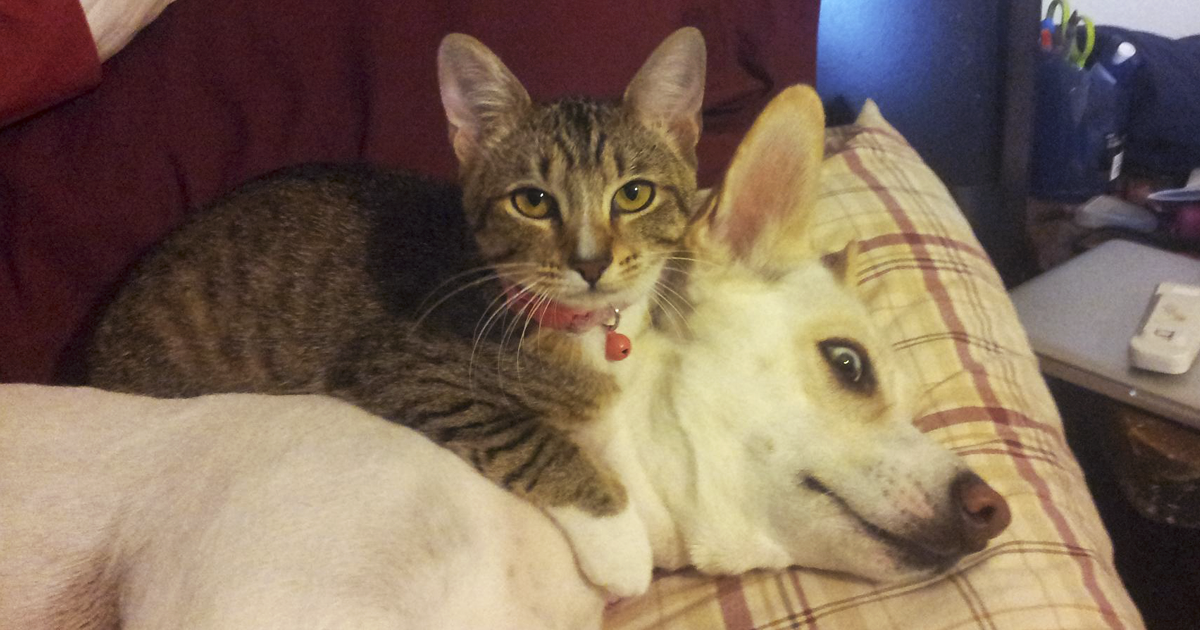
There are few things on the internet more powerful than a photo of a cat and dog living together peacefully. A puppy using a tabby as a pillow? Instant serotonin. A senior dog calmly sharing a sunbeam with a queenly calico? Frame it, post it, and prepare for comments like, “This healed my Monday.” The idea behind “Post Pictures Of Cats And Dogs Living Together” is simple: celebrate the adorable, hilarious, and surprisingly tender moments that happen when two classic “rivals” decide to become roommates, nap partners, snack inspectors, and occasional co-conspirators.
For generations, people have repeated the phrase “fighting like cats and dogs,” as if every cat-dog household is one dramatic chase scene away from a cartoon explosion. Real life is much more interesting. Many cats and dogs can share a home beautifully when they are introduced with patience, given space, and allowed to build trust at their own pace. Some become best friends. Some become polite neighbors. Some develop a relationship best described as “mutual tolerance with occasional forehead licking.” Honestly, that still counts as progress.
This article explores why pictures of cats and dogs living together are so lovable, what makes those relationships work, how to capture safe and heartwarming pet photos, and what pet parents can learn from homes where whiskers and wagging tails coexist. Whether you are posting your own furry friendship online or just admiring other people’s mixed-pet households, there is more behind those cute photos than luck. There is behavior, patience, environment, and probably one dog who still believes the litter box is a forbidden buffet.
Why Pictures of Cats and Dogs Living Together Make People Smile
Cats and dogs are different in ways that make their shared moments naturally funny. Dogs often greet the world like unpaid interns for joy: enthusiastic, direct, and deeply convinced that every guest came specifically to see them. Cats, meanwhile, may treat new situations like suspicious tax documents. They observe. They calculate. They blink slowly, which somehow feels like both affection and a performance review.
That contrast is exactly why cat-and-dog photos work so well online. A picture of a golden retriever patiently lying beside a tiny kitten tells a story before anyone reads the caption. A dog staring lovingly at a cat who looks mildly annoyed is basically a sitcom pilot. These images combine comedy, warmth, and surprise, which makes them perfect for social media feeds, pet blogs, community posts, and feel-good galleries.
The Internet Loves Unlikely Friendships
People are drawn to unlikely friendships because they challenge expectations. We expect cats and dogs to clash, so when we see them curled together in a laundry basket, the image feels extra charming. It suggests that peace is possible, even between creatures with completely different views on personal space.
These photos also give viewers a tiny emotional vacation. In a noisy online world, a picture of a cat grooming a dog’s ear is refreshingly uncomplicated. No debate. No doom-scroll spiral. Just two pets proving that cooperation can happen, especially if there is a warm blanket involved.
Can Cats and Dogs Really Live Together Peacefully?
Yes, many cats and dogs can live together peacefully, but harmony usually depends on temperament, early experiences, training, home setup, and careful introductions. It is not wise to simply toss a new pet into the living room and hope for a Disney soundtrack. Cats need escape routes. Dogs need impulse control. Humans need patience, supervision, and the ability to resist shouting, “Be best friends now!”
Successful cat-dog homes often share a few common habits: pets are introduced slowly, meetings are supervised, food areas are separated, the cat has vertical space, and the dog is taught calm behavior around the cat. The goal is not to force a friendship. The goal is to create conditions where trust can grow naturally. If friendship follows, fantastic. If peaceful coexistence follows, that is also a win.
Personality Matters More Than Stereotypes
Breed can influence behavior, but personality is often the star of the show. A calm adult dog may be easier for a shy cat than a bouncy young dog with the social grace of a popcorn machine. A confident cat may adjust faster than a nervous cat who believes every footstep is a personal threat. Before expecting picture-perfect cuddles, pet parents should consider each animal’s history, energy level, prey drive, confidence, and stress signals.
A cat who hides, hisses, swats, or stops eating is not being dramatic for internet clout. A dog who lunges, barks, fixates, or chases is not “just trying to play” if the cat is scared. Those signals mean the process needs to slow down. The cutest pictures come from animals who feel safe, not from pets being pushed into a pose.
How Cats and Dogs Learn to Share a Home
The best cat-and-dog friendships usually start before the first photo. They begin with scent, distance, routine, and boringly successful meetings. Boring is good. Boring means nobody is screaming, sprinting, or turning the sofa into a battlefield.
Start With Separate Spaces
When introducing a cat and dog, separate areas are essential. A new cat should have a quiet room with food, water, litter box, scratching surface, bedding, and hiding places. A new dog should also have a controlled area where they can settle. This gives both animals time to adjust without pressure.
Separate spaces also prevent the “surprise roommate” effect. Imagine opening your bedroom door and finding a stranger licking your pillow. That is more or less how a rushed introduction may feel to a cat. Giving pets time to smell and hear each other through a door can reduce shock and help them form a more neutral first impression.
Use Scent Swapping Before Face-to-Face Meetings
Scent matters deeply to cats and dogs. Before they meet directly, pet parents can swap bedding, blankets, or toys between spaces. Let the cat investigate the dog’s scent while the dog is elsewhere. Let the dog sniff the cat’s blanket without turning it into a chew project. This quiet step helps each pet gather information before the visual introduction.
Keep First Meetings Short and Controlled
First meetings should be calm, brief, and supervised. A baby gate, screen door, crate, leash, or other safe barrier can help both animals observe without direct contact. The dog should remain controlled and rewarded for calm behavior. The cat should never be restrained or forced closer. Cats need the freedom to move away, climb, hide, and decide whether the dog deserves an audience.
If the meeting goes well, end on a positive note. Do not keep going until someone loses patience. A two-minute peaceful introduction is better than a fifteen-minute session that ends with airborne fur and emotional damage.
Creating a Home Where Cat-and-Dog Photos Happen Naturally
The best pictures of cats and dogs living together are usually not staged. They happen because the home is arranged in a way that supports comfort. When pets feel safe, they are more likely to relax near each other. When they relax near each other, someone eventually grabs a phone and whispers, “Nobody move.”
Give Cats High Places and Escape Routes
Cats often feel safer when they can go up. Cat trees, shelves, window perches, sofa backs, and sturdy furniture can give them control over distance. A cat who can escape is less likely to panic. A dog who learns that the cat’s perch is off-limits is more likely to become a trustworthy roommate.
Train the Dog to Be Calm Around the Cat
Dogs benefit from cues such as “leave it,” “stay,” “place,” and “come.” These cues are not just obedience tricks; they are relationship tools. A dog who can disengage from the cat when asked helps the cat feel safer. Reward calm behavior generously. If the dog looks at the cat and then looks back at the human, celebrate that like a tiny miracle, because it is one.
Separate Food, Treats, and Litter Boxes
Food can create tension in multi-pet homes. Feed cats and dogs in separate areas, especially at first. Cats may prefer elevated feeding stations, while dogs should not have access to cat food or litter boxes. Besides being unpleasant, litter box raids can stress the cat and create household hygiene problems. The dog may disagree with this policy, but democracy has limits.
How to Take Great Pictures of Cats and Dogs Living Together
Once your pets are comfortable together, photographing them becomes easier and more fun. The goal is to capture real moments without creating stress. A relaxed photo beats a forced pose every time.
Use Natural Light
Natural light makes pet photos warmer and clearer. Look for moments near windows, on porches, or in bright rooms. Avoid using a flash directly in pets’ faces, especially with cats, who may respond with the expression of a Victorian ghost.
Capture Everyday Moments
Some of the best cat-and-dog pictures happen during ordinary routines: sharing a sunspot, waiting near the kitchen, sleeping on opposite ends of the couch, watching birds together, or investigating the same cardboard box. These moments feel authentic because they are. Viewers can tell when animals are relaxed, and that makes the photo more charming.
Use Treats Carefully
Treats can help pets look toward the camera, but they can also create competition. If your pets guard food or get too excited, skip treats during photo sessions. Try toys, sounds, or simply waiting for a natural glance. Patience is the secret ingredient in both pet photography and surviving a cat who knocks things off shelves while maintaining eye contact.
Respect Body Language
Before posting pictures of cats and dogs living together, make sure the moment was safe and comfortable. Look for relaxed bodies, soft eyes, loose tails, normal breathing, and voluntary closeness. Avoid sharing photos where one pet looks trapped, tense, pinned, cornered, or frightened. Cute content should not come at the cost of animal comfort.
Photo Ideas for Cats and Dogs Living Together
If you want to post pictures of your own cat-and-dog household, try capturing scenes that tell a story. You do not need a professional studio. You need timing, a clean lens, and pets who have not chosen chaos that day.
1. The Shared Sunbeam
A cat and dog lying in the same patch of sunlight is a classic image. It communicates peace, comfort, and the universal truth that pets own every warm spot in the house.
2. The Couch Treaty
Photograph them on the couch with a respectful amount of space between them. This is perfect for pets who are not cuddle buddies but have agreed to coexist like mature furry diplomats.
3. The Nap Pile
If your pets sleep close together, capture it quietly. Do not wake them for a better angle. The nap pile is sacred. Disturbing it may result in betrayal eyes.
4. The Window Watch Team
Cats and dogs often bond over shared interests, including squirrels, birds, delivery drivers, and suspicious leaves. A photo of them looking out the window together can be both adorable and cinematic.
5. The Holiday Card Moment
Seasonal blankets, pumpkins, snow-day scenes, or birthday hats can make fun photos, but keep costumes optional and comfortable. If either pet looks miserable, remove the prop and let dignity return to the household.
Caption Ideas for Posting Cat-and-Dog Pictures
A good caption can make a cute photo even more shareable. Keep it short, funny, and true to the pets’ personalities.
- “Peace talks are going better than expected.”
- “The cat has accepted the dog as furniture.”
- “Roommates, snack rivals, and occasional besties.”
- “Proof that cats and dogs can live together, as long as the cat is in charge.”
- “He thinks they’re cuddling. She thinks he’s warm.”
- “Breaking news: local dog approved by skeptical cat.”
- “Different species, same sunbeam policy.”
What These Pictures Teach Us About Pet Relationships
Pictures of cats and dogs living together are more than cute distractions. They show how animals communicate, adapt, and build trust. A cat who chooses to sit near a dog is making a decision. A dog who calmly ignores a cat’s tail flick is practicing self-control. A household where both animals can rest in the same room is often the result of thoughtful management.
These relationships also remind us that friendship does not always look the same. Some cats and dogs groom each other. Some play. Some nap together. Others simply share a room without conflict. That quieter version of success deserves celebration too. Not every pet pair needs to become a viral cuddle duo. Sometimes the real victory is a peaceful dinner hour.
Common Mistakes to Avoid
When people want the perfect cat-and-dog photo, they may accidentally rush the relationship. That is risky. Avoid placing a cat beside a dog for a staged picture if the cat did not choose to be there. Do not hold pets together, block escape routes, or laugh off stress signals. A frightened cat may scratch. An overstimulated dog may chase. The photo is not worth it.
Another mistake is assuming that one good interaction means full freedom forever. Pets need gradual progress. Even after a promising meeting, continue supervising until both animals have shown reliable calm behavior over time. Relationships develop through repeated safe experiences, not one magical afternoon.
Why Mixed-Pet Homes Are So Rewarding
A home with both cats and dogs can feel like a tiny comedy theater. The dog may greet the cat every morning with heroic enthusiasm. The cat may respond with one slow blink and the emotional availability of a marble statue. Later, the same cat may curl beside the dog when nobody is watching. This is the beauty of mixed-pet households: affection often arrives on its own schedule.
Living with cats and dogs also teaches humans to observe more closely. You learn the difference between play and pressure, curiosity and fixation, confidence and fear. You learn that a wagging tail does not always mean a situation is safe, and a cat’s silence does not always mean approval. Most of all, you learn that trust is built in small steps.
Experiences Related to “Post Pictures Of Cats And Dogs Living Together”
Anyone who has lived with both cats and dogs knows that the cutest picture usually happens three seconds after you stop trying to take it. You arrange the blanket, adjust the light, call their names, and suddenly the dog walks away to inspect a shoe while the cat turns into a loaf with her back to the camera. Then, when your phone is across the room, they touch noses like the final scene of a family movie. This is the law of pet photography, and it cannot be appealed.
One of the best experiences in a cat-and-dog household is watching the relationship move from suspicion to routine. At first, the cat may observe the dog from a bookshelf like a tiny judgmental security guard. The dog may be confused about why this small creature has so many rules and so little interest in fetch. Over time, the dramatic reactions soften. The cat stops leaving the room every time the dog enters. The dog learns not to charge forward like a furry parade float. Eventually, they may settle into the same space with surprising ease.
The first photo worth posting may not be a cuddle. It may be a picture of the dog sleeping on the rug while the cat sits nearby, looking calm. That image may not scream “best friends,” but for many pet parents, it feels huge. It says, “We are safe enough to relax.” That is the foundation of every great mixed-pet relationship. The internet may love dramatic before-and-after stories, but real progress often looks quiet.
Another memorable experience is discovering each pet’s role in the household comedy. The dog may become the official greeter, snack crumb detector, and emotional support extrovert. The cat may become the supervisor, shelf inspector, and silent ruler of furniture. Together, they create a rhythm. Maybe the dog waits patiently while the cat finishes eating. Maybe the cat steals the dog’s bed despite having three beds of her own. Maybe the dog looks confused but accepts this injustice with noble sadness. These are the moments that make people reach for the camera.
Posting pictures of cats and dogs living together can also build community. Other pet owners love to share their own stories: the husky who adopted a kitten, the rescue cat who sleeps beside a senior Labrador, the terrier who learned that the cat’s tail is not a toy, and the orange cat who somehow trained the family dog to wait outside the bedroom door. These comments turn a simple photo into a shared celebration of patience, humor, and animal personality.
Still, the best experience is not the likes, shares, or funny captions. It is the feeling of seeing two animals trust each other in your home. A peaceful cat-and-dog photo represents work you did quietly: slow introductions, safe spaces, training, supervision, and respect for each pet’s comfort. When they finally nap near each other, the picture is adorable, yes. But it is also a small portrait of patience paying off. And if the cat happens to look annoyed while the dog looks blissfully in love, even better. That is not just a pet photo. That is art.
Conclusion
Pictures of cats and dogs living together are popular because they combine cuteness, surprise, humor, and hope. They show us that different personalities can share space, build trust, and sometimes become wonderfully odd little families. But behind the best photos is responsible pet care: gradual introductions, safe retreats, calm supervision, training, and respect for body language.
If you want to post pictures of cats and dogs living together, start by creating a peaceful environment rather than chasing a perfect pose. Let the relationship grow naturally. Celebrate small wins. Photograph real moments. Whether your pets become inseparable cuddle buddies or simply respectful roommates, their story is worth sharing. After all, in a world full of noise, a dog and cat sharing a sunbeam is still one of the internet’s finest achievements.
Note: This article is written in original American English for web publication and synthesizes real pet-care guidance from reputable veterinary, animal-welfare, and pet-behavior resources. Source links are intentionally not included in the HTML body to keep the article clean for publishing.