Selling a home sounds simple when you say it fast. Put up a sign. Accept an offer. Collect a glorious mountain of money. Buy celebratory takeout. Unfortunately, real life has a habit of showing up with invoices.
The truth is that the cost of selling your home can take a surprisingly large bite out of your proceeds. Between real estate fees, closing costs, home prep, moving expenses, possible repairs, and tax questions, your final take-home number may look a lot smaller than the list price that made you feel like a genius for six minutes.
That does not mean selling is a bad move. It just means you need clear math, realistic expectations, and a plan. In this guide, we will break down the real cost of selling your home, explain what sellers usually pay, show where the biggest expenses hide, and walk through ways to protect your profit without making your house look like a garage sale with walls.
Why Selling a Home Costs More Than Most Owners Expect
Most homeowners focus on one big number: the expected sale price. That makes sense because it is flashy, exciting, and easy to brag about to your cousin who still thinks your kitchen remodel was “a little much.” But your sale price is not your profit. It is the starting point.
From that number, you may need to subtract agent compensation, transfer taxes, title-related fees, escrow or attorney fees, prorated property taxes, HOA charges, mortgage payoff, repairs, staging, moving costs, and sometimes seller concessions. In some cases, if the home appreciated significantly and you do not qualify for the full tax exclusion, taxes may matter too.
In other words, selling a home is less like cashing a check and more like peeling an onion. There are layers. Some of them make you cry.
The Biggest Costs of Selling Your Home
1. Real Estate Agent Compensation
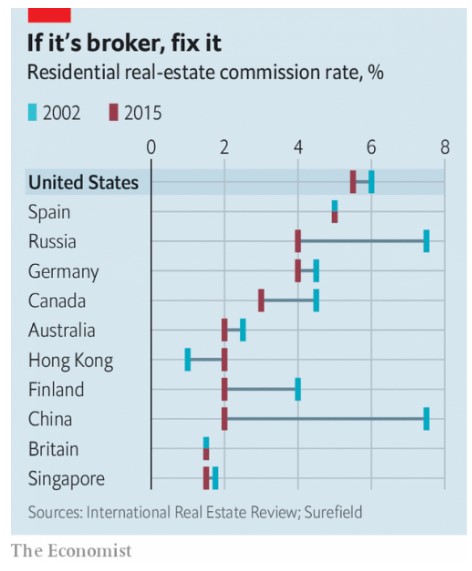
For many sellers, the largest expense is agent compensation. While traditional arrangements have often landed somewhere around 5% to 6% total, the exact amount is negotiable and depends on your market, the services included, the experience of the agent, and whether you choose to offer compensation that helps attract buyer representation.
This is where many homeowners get tripped up. They assume there is one standard commission carved into stone somewhere between the Constitution and a neighborhood Facebook group. There is not. Compensation is negotiable. That means you should ask what you are getting for the fee: pricing strategy, marketing, photography, open houses, negotiation, paperwork management, contractor referrals, and closing coordination.
A discount agent may charge less, but you should compare service levels carefully. Saving a little on fees is great. Saving a little on fees and then underpricing your home by $20,000 is less great. That is not strategy. That is expensive optimism.
2. Seller Closing Costs
Even if you skip traditional commission assumptions, sellers still face closing costs. These often include transfer taxes, title-related charges, escrow or settlement fees, recording fees, attorney fees in some states, prorated property taxes, and any unpaid HOA fees or special assessments.
National estimates vary, but non-commission seller closing costs often land in the low single digits of the sale price. In some places, they are relatively modest. In others, local transfer taxes can turn a simple transaction into a financial ambush.
This is why location matters so much. Selling in one city can feel like a routine closing. Selling in another can feel like your proceeds stopped at six toll booths on the way to your bank account.
3. Mortgage Payoff and Possible Prepayment Costs
One of the biggest numbers on your closing statement may not be a selling cost in the strictest sense, but it still affects what you walk away with: your remaining mortgage balance. If you still owe money on the home, that loan has to be paid off from the sale proceeds.
Some loans may also include a prepayment penalty, though these are less common than they once were. Before listing your home, ask your lender for a payoff statement and confirm whether any penalty or additional fee applies. This one detail can keep your budget from getting body-slammed at the finish line.
4. Repairs, Updates, and Pre-Sale Prep
Very few sellers escape the pre-sale cleanup phase. Even homes in good condition usually need something: paint touch-ups, landscaping, deep cleaning, minor repairs, decluttering, carpet cleaning, pressure washing, or a replacement for that one light fixture that somehow looks both futuristic and haunted.
The amount you spend here depends on your goals and your market. In a competitive area, buyers may overlook small imperfections. In a slower market, presentation matters more, and homes that feel clean, bright, and move-in ready tend to perform better.
The trick is knowing the difference between smart prep and vanity spending. Fresh paint in a neutral color can help. Rebuilding the entire kitchen because you suddenly decided you love marble is probably helping the next owner more than you.
5. Home Staging and Marketing
Staging is not mandatory, but it can be a useful investment. Professional staging can help buyers picture themselves in the home, which is really just a polite way of saying it distracts them from your oddly specific furniture choices.
Some sellers go all in with full-service staging. Others use a lighter touch: a consultation, rearranged furniture, better lighting, neutral decor, and high-quality listing photos. Even partial staging can make a difference, especially online, where your home has only a few seconds to impress someone who is also looking at twelve other listings while eating cereal.
Good marketing also costs money. Professional photography, floor plans, video tours, copywriting, and targeted digital promotion may be included in your agent’s package or charged separately. Ask before you sign. “Included” is one of the most beautiful words in real estate.
6. Seller Concessions
Seller concessions are costs the seller agrees to cover for the buyer, often to help get the deal done. These can include closing cost credits, repair credits, or money offered in lieu of making certain fixes. In balanced or buyer-friendlier markets, concessions can become a bigger part of the negotiation.
This does not automatically mean you are losing. Sometimes a small concession saves a sale that would otherwise collapse. A $4,000 credit may hurt, but not as much as relisting the home, paying another month of carrying costs, and wondering whether the next buyer will also hate your water heater.
7. Moving Expenses and Double Housing Costs
Moving is the sneaky cost that homeowners tend to underestimate. A local move might be manageable with a rental truck, pizza, and two friends who regret answering your text. A long-distance move with professional movers can run into the thousands.
Then there are the overlap costs. You may end up paying utilities, insurance, storage, or temporary housing while coordinating the sale of one home and the purchase or rental of another. These are not always listed in neat real estate guides, but they are very real when your life is divided between boxes, paperwork, and a coffee maker you packed too early.
A Simple Example of What Selling Might Cost
Let’s say you sell your home for $450,000. Here is what a realistic, simplified cost picture might look like:
Sale price: $450,000
Listing-side agent fee at 2.5%: $11,250
Buyer-agent compensation offered at 2.5%: $11,250
Other seller closing costs at roughly 1.8%: $8,100
Repairs, cleaning, paint, yard work: $3,500
Staging and photography: $1,500
Moving and storage: $3,000
Estimated total selling-related costs: $38,600
That means before paying off any mortgage, you might net about $411,400. If you still owe $220,000 on your mortgage, your estimated proceeds after loan payoff would be about $191,400.
That is why the question is never just, “What can I sell for?” The better question is, “What will I actually keep?” Those are two very different conversations, and only one of them pays for your next chapter.
Costs That Vary by Market
Real estate is intensely local. One seller may face modest fees and strong offers with few requests. Another may deal with higher transfer taxes, more buyer demands, and a longer time on market. The cost of selling your home depends heavily on where the property is located and how much leverage sellers have in that area.
In hot neighborhoods, you may spend less on concessions because buyers compete harder. In slower markets, buyers often negotiate aggressively on repairs, credits, or closing costs. If inventory is rising in your area, pricing and presentation become even more important because buyers have choices. And when buyers have choices, they suddenly become amateur detectives who notice every scuff mark in the hallway.
How to Reduce the Cost of Selling Your Home
Choose the Right Pricing Strategy
Overpricing can be expensive. A stale listing often ends with price cuts, extra carrying costs, and more negotiation pressure. Smart pricing can attract stronger offers faster, which may reduce your total costs even if the initial list number is a little less dramatic.
Ask for a Net Sheet Early
Before listing, ask your agent or closing professional for an estimated seller net sheet. This document outlines expected costs and projected proceeds. It is one of the best tools for understanding the real math before emotions and open-house candles enter the scene.
Make Strategic Repairs Only
Focus on fixes that improve first impressions and reduce inspection drama. Safety issues, obvious damage, peeling paint, broken fixtures, and maintenance neglect are worth addressing. Luxury upgrades completed right before listing often have weaker returns.
Compare Service Packages
Not every seller needs the same level of service. Compare agents, marketing plans, and fee structures. Lower cost is not automatically better, but neither is paying top dollar for a slideshow and a vague promise to “generate buzz.” Ask specific questions.
Prepare for Negotiations
Set a concession strategy in advance. Decide what you are willing to cover, what you would rather fix yourself, and what you will refuse. Sellers who think through these choices early are less likely to make panicked decisions after an inspection report lands with the emotional grace of a falling piano.
Mistakes Sellers Make That Increase Costs
One common mistake is spending too much on upgrades the market will not fully reward. Another is refusing to spend anything at all, then wondering why buyers react badly to stained carpet and a front door that looks like it survived three weather systems and a mild curse.
Some sellers also underestimate time. Extra weeks on market can mean more mortgage payments, utilities, insurance, lawn care, and stress. Others ignore tax planning, skip payoff confirmation, or assume every fee is fixed and non-negotiable. Usually, the most expensive mistake is not the fee itself. It is the lack of preparation.
Do You Owe Taxes When You Sell?
Not always. If the home is your primary residence and you meet IRS ownership and use tests, you may be able to exclude up to $250,000 of gain from taxable income if you are single, or up to $500,000 if married filing jointly. That is a huge deal and one reason many sellers do not owe federal capital gains tax on the sale of a main home.
But the details matter. High appreciation, rental use, previous exclusions, depreciation, and other tax factors can complicate the picture. If your gain may be large, talk to a tax professional before listing. Tax surprises are like stepping on a rake in a cartoon, except less funny and far more expensive.
What Sellers Experience in Real Life
Beyond the spreadsheets, there is the human side of selling. And honestly, this is where the process gets interesting. The cost of selling your home is not just money. It is also energy, time, uncertainty, and the strange emotional experience of watching strangers open your closet doors like they are judging a museum exhibit called “How This Family Folded Towels in 2024.”
Many sellers start the process feeling excited. They check neighborhood sales, run rough math in their heads, and imagine a smooth closing with a satisfying wire transfer at the end. Then real life shows up. The agent recommends touch-up paint. The photographer wants the counters almost empty. The handyman discovers three “tiny” repair issues that multiply into a weekend project. Suddenly, selling feels less like a financial transaction and more like preparing your home for a very polite talent show.
One common experience is sticker shock. Sellers know, intellectually, that fees exist. But seeing the full cost in one place can still feel jarring. A homeowner may think, “Wait, I sold for a great price. Why does my net number look like it went through a blender?” That reaction is normal. The gross number is emotional. The net number is reality.
Another common experience is negotiation fatigue. You accept an offer and feel relief, only to learn the process is not over. The inspection leads to repair requests. The buyer asks for a credit. The title company needs documents. The moving company changes the estimate. At this point, many sellers discover that the real sport of real estate is not selling the house. It is maintaining emotional stability while seven people ask for signatures before lunch.
Then there is the moving phase, which deserves its own warning label. Even organized sellers can feel overwhelmed when daily life and relocation overlap. You are still paying bills at the old place, preparing the next one, packing items you forgot you owned, and trying to remember where the phone charger went. This is why so many sellers later say the overlooked costs were not just financial. They were logistical.
But there is good news. Sellers who go in prepared usually feel far more confident. When you understand your likely costs, budget for repairs, review your mortgage payoff early, and leave room for concessions, the process becomes more manageable. You stop reacting to every expense like it is a personal insult and start treating it like part of a plan.
That is the real lesson from seller experiences: clarity reduces stress. The sale may still be hectic. There may still be boxes in your hallway and one pan you somehow cannot find for three days. But when you know the numbers, the process feels less like chaos and more like a project with a finish line.
Final Thoughts
The cost of selling your home is never just one line item. It is a collection of decisions, negotiations, and market realities that all shape your final profit. Real estate fees may be the headline, but closing costs, prep work, concessions, taxes, and moving expenses all matter too.
The smartest sellers do not chase the biggest list price headline. They focus on net proceeds, timing, and strategy. They ask questions early, compare options, and understand that a well-planned sale usually beats a rushed one.
So before you celebrate your future sale price too hard, do the unglamorous math. It may not be thrilling, but it is the difference between walking into closing confident and walking out wondering who invited all these expenses to the party.