Quick note: This article is for general education, not a diagnosis. If you think you broke your fibula (or your ankle is doing that “I’m fine… just kidding” thing), get checked by a clinician promptlyespecially if you have severe pain, numbness, a cold/pale foot, an open wound, or you can’t bear weight.
The fibula: the “sidekick” bone that still matters
Your lower leg has two long bones: the tibia (the main weight-bearer) and the fibula (the slimmer bone on the outside of the leg). The fibula doesn’t carry most of your body weight, but it’s a major player in ankle stability, muscle attachment, and keeping the lower leg aligned. That’s why a “small” fibula break can still create a big problemespecially near the ankle joint.
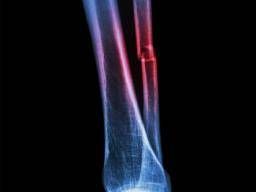
A fibula fracture means a crack or break anywhere along that bone. Some fractures are isolated and stable. Others come bundled with ligament injuries, a broken tibia, or an ankle injury that’s unstable and needs surgery. The trick is figuring out which kind you’ve gotbecause treatment (and recovery time) depends on stability more than drama.
Types of fibula fractures (and why location changes everything)
1) Distal fibula (lateral malleolus) fracture
This is one of the most common patterns. The bottom end of the fibula forms the lateral malleolusthe bony bump on the outside of your ankle. A twist, fall, or sports injury can crack it. If the ankle joint remains stable and the bone isn’t displaced, treatment is often non-surgical. If the ankle is unstable (often due to ligament injury or additional fractures), surgery may be needed.
2) Fibular shaft fracture
A break along the middle portion of the fibula can happen from a direct blow (think: collision sports, a heavy object, or a car crash). Sometimes it occurs with a tibia fracture, which increases complexity.
3) Proximal fibula fracture (including “Maisonneuve” pattern)
A break near the top of the fibulaclose to the kneecan be part of an ankle injury pattern where the ankle ligaments are damaged (often the syndesmosis). In other words, your ankle can be unstable even though the fracture is up by the knee. This is one reason clinicians examine the entire leg when you “just” hurt your ankle.
4) Stress fracture of the fibula
Stress fractures are small cracks from repetitive load over timeoften seen in runners, dancers, hikers, or people who ramp up training quickly. They can start as a nagging ache and become sharper with activity.
Fibula fracture symptoms: what people usually notice
Symptoms can vary depending on the fracture type and whether the ankle joint is involved, but common signs include:
- Pain along the outside of the lower leg or around the outer ankle
- Swelling and tenderness (often right over the bone)
- Bruising that may spread over days
- Pain with walking or inability to bear weight
- Reduced range of motion at the ankle if the injury is near the joint
- Deformity (in displaced fractures) or a feeling that the ankle is “not lined up”
Important reality check: some distal fibula fractures can feel like a “bad ankle sprain.” Swelling, bruising, and pain overlap. If you can’t take four steps, your pain is severe, or swelling keeps worsening, imaging is a smart move.
Red-flag symptoms (get urgent care)
- Foot or toes that are numb, cold, blue/pale, or you can’t feel a pulse
- Rapidly increasing pain, pain out of proportion, or severe tightness (possible compartment syndrome)
- An open wound near the fracture, bone visible, or heavy bleeding
- Severe deformity or inability to move toes
How fibula fractures are diagnosed
Diagnosis usually starts with a story (what happened, where it hurts, can you walk) and a physical exam. Clinicians check:
- Point tenderness along the fibula and around the ankle
- Swelling, bruising, alignment
- Stability clues (especially for ankle-related fibula fractures)
- Nerve and blood vessel status (sensation, pulses, skin color, temperature)
Imaging you may need
- X-rays are the standard first test and often confirm the break.
- CT scans may be used for complex ankle fractures, joint involvement, or surgical planning.
- MRI can help when a stress fracture is suspected but X-rays look normal early on, or when soft-tissue injury is a concern.
Because fibula fractures near the ankle can involve the syndesmosis (a ligament complex that holds the tibia and fibula together), providers often look for signs the ankle joint space is widening or unstablesomething that changes treatment.
Treatment options: from boot life to surgical hardware
The goal is straightforward: heal the bone, restore alignment, and keep the ankle stable. The method depends on displacement, stability, and associated injuries.
Non-surgical treatment (common for stable fractures)
If the fracture is stable and the ankle mortise is aligned, treatment may include:
- Immobilization with a splint, cast, or walking boot
- Elevation and swelling control (especially in the first week)
- Pain control as advised by your clinician
- Weight-bearing restrictions (non-weight bearing, partial, or weight bearing as toleratedthis varies a lot)
- Follow-up X-rays to confirm the fracture stays aligned while healing
Some people start in a splint (to allow swelling to settle) and then transition to a boot or cast. If you’re told not to bear weight, take that seriouslybones are surprisingly literal. They do not respond well to motivational speeches like, “It’s fine, I’ll just limp.”
Surgical treatment (when stability is the issue)
Surgery is more likely when:
- The fracture is displaced (bone ends not well aligned)
- The ankle joint is unstable (often due to syndesmosis or deltoid ligament injury, or multiple malleoli fractures)
- There’s an open fracture (bone through skin) or high-energy trauma
- Multiple bones are involved (for example, tibia + fibula)
A common procedure is open reduction and internal fixation (ORIF), where the surgeon repositions the bone and uses plates/screws (and sometimes syndesmotic fixation) to hold things steady while healing. Surgery aims to restore alignment and reduce the risk of long-term joint problems like arthritis when the ankle surface isn’t tracking correctly.
Recovery timeline: what “normal” looks like (and why it varies)
Recovery depends on fracture location, stability, whether surgery was needed, and your overall health. These are typical ranges, not promises:
| Phase | What’s happening | What you might be doing |
|---|---|---|
| Days 1–14 | Swelling, pain control, protecting alignment | Splint/boot/cast, elevation, limited activity, follow-up planning |
| Weeks 2–6 | Bone starts consolidating | Still immobilized; weight-bearing decisions vary; gentle motion may start if allowed |
| Weeks 6–12 | Stronger healing; joint stiffness becomes the main villain | Gradual return of movement, strengthening, balance work, possible increased weight bearing |
| 3–6 months | Function rebuild | More aggressive rehab; return to running/jumping depends on pain, strength, and clearance |
| 6–12+ months | Full performance and confidence return | Some people still notice stiffness or swelling after long days, especially after complex ankle injuries |
Common healing estimates: many stable fractures show meaningful healing within 6–8 weeks, but ankle-related fractures often take longer for function to feel “normal.” After surgery for more complex ankle injuries, full recovery can extend for months and sometimes longer depending on severity and rehab progress.
Rehab and physical therapy: the underrated MVP
Once your clinician says it’s safe, rehab focuses on:
- Range of motion (ankle stiffness is common after immobilization)
- Strength (calf, peroneals, foot muscles, hipsyes, hips)
- Balance and proprioception (to reduce reinjury risk)
- Gait training (so you stop walking like a piratefun at parties, less fun for knees and back)
If you had a stress fracture, rehab also includes load management: adjusting training volume, footwear, terrain, nutrition, and recovery so the bone can remodel instead of repeatedly getting irritated.
Potential complications (rare, but worth knowing)
Most fibula fractures heal well with appropriate care. Still, complications can happenparticularly with unstable ankle injuries or high-energy trauma:
- Malunion (healing in suboptimal alignment), which can affect ankle mechanics
- Delayed union or nonunion (slow or incomplete healing)
- Infection (higher risk with open fractures or surgery)
- Nerve or blood vessel injury from trauma
- Compartment syndrome (rare, urgent)
- Post-traumatic arthritis if the ankle joint alignment is disrupted
- Blood clots (risk varies; ask your clinician if you should take preventive steps)
What you can do to support recovery (the practical stuff)
Follow weight-bearing instructions like they’re the law
If you’re told “non-weight bearing,” it means the bone needs protection, not a negotiation. If you’re allowed partial weight bearing, ask what that looks like (percent of body weight, using crutches, etc.).
Control swelling early
Elevation, appropriate icing, and compression (when advised) can reduce pain and help the soft tissues calm down. Early swelling control often makes the rest of recovery smoother.
Fuel healing
Bone healing is a construction project. It needs supplies: adequate protein, calories, and key nutrients like calcium and vitamin D. If you smoke or vape nicotine, stopping is one of the best ways to support bone healing.
Protect your other joints
Crutches and boots can irritate hips, knees, and your lower back. A physical therapist can show safer gait patterns and strength work to keep the rest of you from staging a protest.
FAQ: quick answers people always ask
Can you walk on a fibula fracture?
Sometimesbut “can” doesn’t mean “should.” Some stable distal fibula fractures allow protected weight bearing in a boot, while others require strict non-weight bearing. If the ankle is unstable or pain is significant, walking on it can worsen alignment and prolong healing.
Is a fibula fracture serious?
It can be. An isolated, stable fracture often heals well with a boot or cast. But fibula fractures that involve ankle instability, syndesmotic injury, or multiple fractures may require surgery and have a longer recovery.
How long until you can return to sports?
It depends on the fracture type and treatment. Many people need several months before running and jumping feel normal. A safe return usually requires pain-free walking, good ankle motion, near-normal strength, and medical clearance.
Real-world recovery experiences (what people often report)
Medical advice is important, but so is knowing what recovery feels like day to day. Below are common experiences people describe during fibula fracture recovery (especially when the ankle is involved). Think of these as “crowd-sourced reality checks,” not rulesyour clinician’s plan comes first.
The first week often feels like a swelling competition you didn’t sign up for. Many people say the swelling peaks early, and the throbbing improves noticeably with elevation. A frequent surprise: swelling can be stubborn at the end of the day even if the fracture is healing perfectly. People often learn quickly that “upright for hours” equals “ankle balloon later.” Keeping a pillow station on the couch becomes a lifestyle, not a decoration choice.
Boot life is weirdly exhausting. Wearing a walking boot can make the leg feel heavy and throw off your posture. People often notice hip or back soreness because the boot changes leg length and walking mechanics. A common practical fix is using the assistive devices you were prescribed (crutches, a cane, a knee scooter) and asking about a shoe lift on the other side if your clinician approves. Many people also report that learning to go slowerespecially on stairsprevents near-miss “my foot slipped” moments.
Stiffness becomes the main complaint right when pain improves. Around the time swelling calms down, many people feel frustrated that the ankle doesn’t want to bend like it used to. This is a normal effect of immobilization. People often describe the first gentle range-of-motion sessions (when cleared) as awkward rather than painfullike the joint is rusty. Consistency tends to matter more than intensity: small, regular movements usually beat heroic stretching attempts followed by three days of regret.
Progress is not linear. A typical pattern is “two good days, one cranky day.” People often report mild flare-ups after a longer walk, their first grocery trip, or returning to school/work where they’re on their feet more. That doesn’t automatically mean something is wrongit can be soft-tissue irritation, swelling, or muscles re-adapting. Many find it helpful to track triggers: distance walked, standing time, and whether they elevated afterward.
Returning to activity is as much mental as physical. Even after X-rays look good, some people feel hesitant stepping on uneven ground or pivoting quickly. Balance training and gradual exposure help rebuild confidence. A common “win” people mention is the first day they walk normally without thinking about itfollowed by the immediate realization that stairs still feel like a negotiation. That’s normal too.
Two composite examples: (1) A recreational soccer player twists an ankle and learns it’s a stable lateral malleolus fracture. They spend several weeks in a boot, start gentle motion when cleared, and return to light jogging later with a focus on balance drills. (2) A runner with a fibular stress fracture notices a dull ache that ramps up with mileage. They improve by reducing impact, correcting training load, and slowly returning with a structured plan. Different paths, same theme: protect healing early, then rebuild gradually.