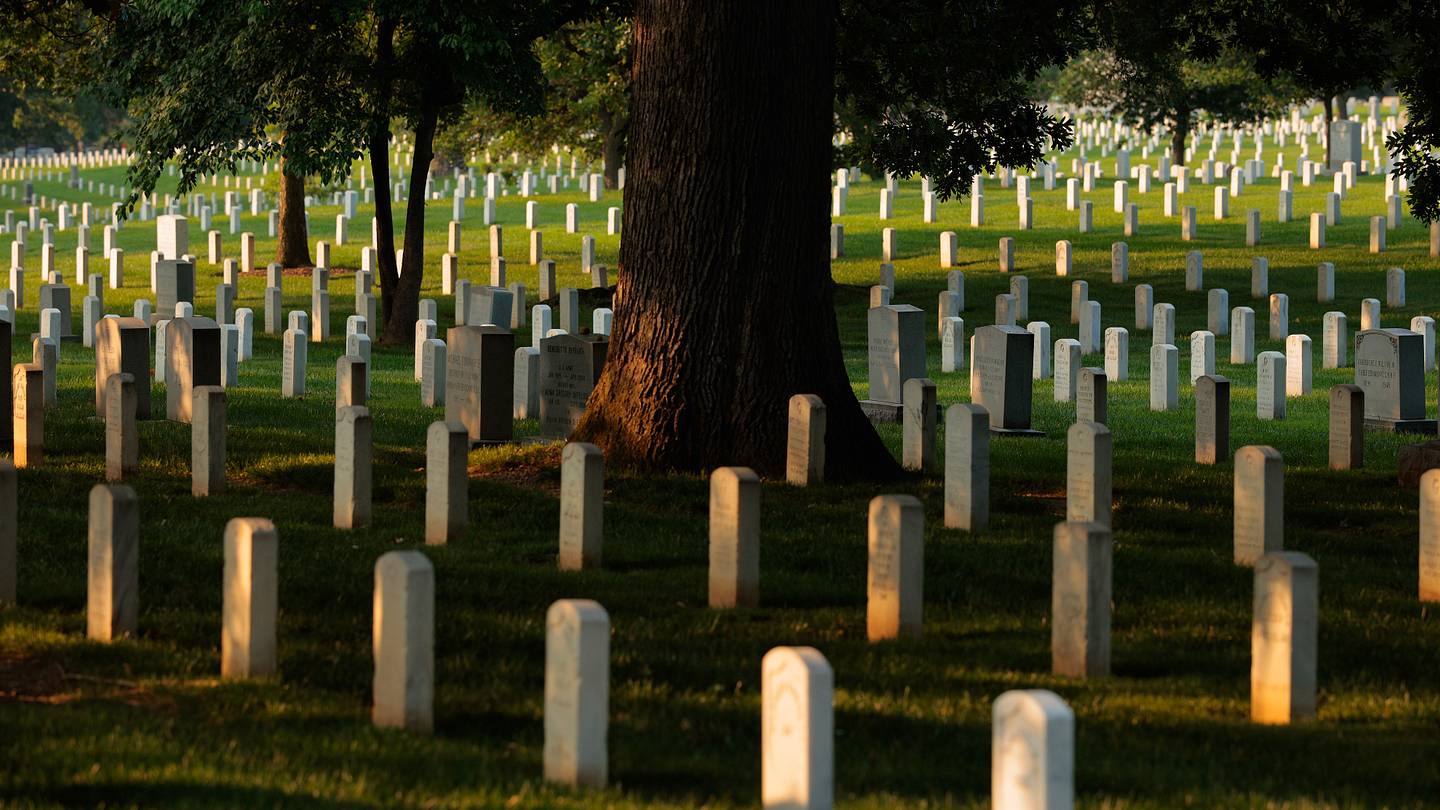
Walk through an older cemetery, especially one with military graves, and you may notice something small catching the sunlight on top of a headstone: a penny, nickel, dime, or quarter. At first, it looks random. Did someone drop change? Is the cemetery secretly running a very slow vending machine? Not quite.
Leaving coins on gravestones is a quiet tradition with several layers of meaning. In the United States, the practice is most strongly connected to military graves, where coins serve as tiny messages of respect. They tell the family, cemetery caretakers, and fellow visitors: “Someone came here. Someone remembered.” That is a lot of emotional weight for something that normally lives at the bottom of a cup holder.
But the custom is not only about spare change. Coins on graves touch on ancient burial beliefs, military brotherhood, Memorial Day remembrance, personal grief, and the human need to leave a visible sign after an invisible moment of emotion. This guide explains why people leave coins on gravestones, what different coins may mean, when the tradition is appropriate, and how to honor the dead respectfully without accidentally creating extra work for cemetery staff.
The Short Answer: Coins Are a Sign of Respect and Remembrance
In modern American cemetery culture, a coin left on a gravestone usually means that someone visited the grave and paid respects. The gesture is most common on the graves of veterans and service members. It is a simple way to say, “You are not forgotten.”
Unlike flowers, coins do not wilt. Unlike long letters, they do not require anyone to read private feelings out loud. A coin is small, durable, and symbolic. It can be left quietly by a veteran, a family member, a friend, or even a stranger who feels moved by the person’s service. In that sense, coins work like tiny memorial flags: modest, visible, and meaningful.
The tradition is especially powerful because it gives visitors a way to communicate without disturbing the solemnity of the cemetery. A person may not know the fallen service member personally, but placing a penny can still express gratitude. A fellow veteran may leave a dime or quarter as a more personal signal. Each coin becomes a miniature calling card from the living to the dead.
What Do Different Coins Mean on Military Graves?
Many people associate specific coin denominations with specific messages. While the exact meanings can vary by family, unit, cemetery, or local tradition, the most commonly shared interpretation looks like this:
Penny: “I Visited”
A penny usually means that someone came to the gravesite and paid respects. It is the broadest and most common gesture. The visitor may be a relative, a friend, a veteran, or a grateful member of the public. The penny says, simply and beautifully, “Someone stopped here.”
Nickel: “We Trained Together”
A nickel is often said to mean the visitor attended boot camp or basic training with the deceased. In military life, training is where strangers become teammates, where awkward haircuts meet loud instructions, and where ordinary civilians begin becoming service members. A nickel can represent that shared beginning.
Dime: “We Served Together”
A dime may mean the visitor served with the person buried there. That connection is deeper than a casual visit. It suggests shared duty, shared hardship, and shared memories that may be hard to explain to anyone outside the experience.
Quarter: “I Was There When They Died”
A quarter is often described as the most personal coin. It may indicate that the visitor was present when the service member died or was closely connected to the circumstances of their death. Because of that meaning, a quarter can carry a heavy emotional message. It is small enough to fit in a pocket, but not small in meaning.
It is important to avoid treating these meanings like a strict rulebook carved into stone. Traditions travel by word of mouth, and not every coin left on every grave follows the same code. Sometimes a penny is just what a visitor had available. Sometimes a quarter is left by a child because “the shiny one felt best.” The heart of the custom matters more than the accounting department.
Where Did the Tradition Come From?
The modern practice of leaving coins on military graves is widely discussed in American veteran and cemetery culture, but its exact origin is difficult to pin down. Like many traditions, it likely grew through repeated acts of remembrance rather than one official announcement. No one appears to have stood at a podium and declared, “From this day forward, nickels shall mean boot camp.” Traditions are rarely that tidy.
Some explanations connect the custom to the Vietnam War era, when political tension at home sometimes made direct conversations with grieving families complicated. According to this interpretation, a coin allowed fellow service members to show they had visited without risking a painful or uncomfortable encounter. Whether or not that is the single origin, the idea makes emotional sense: the coin becomes a respectful message that does not demand a response.
Another influence may be much older. In ancient Greek and Roman belief, a coin was sometimes placed with the dead as payment for Charon, the mythological ferryman who carried souls across the waters to the underworld. This was known as Charon’s obol. The ancient custom was not identical to today’s American practice, but it shows that coins have long been associated with death, passage, and care for the departed.
Over time, coins have served many symbolic roles: payment, blessing, memory, status, luck, and farewell. On modern gravestones, the meaning has shifted from “fare for the afterlife” to “evidence of remembrance.” The coin no longer buys passage across a mythical river. It buys a moment of attention in a busy world.
Why Coins Feel So Meaningful
Part of the power of leaving coins on gravestones comes from their everyday nature. A coin is ordinary. We ignore coins on sidewalks. We toss them into jars. We forget them in laundry. Then, in a cemetery, that same ordinary object becomes extraordinary because of where it is placed and why.
That contrast matters. Grief often makes people search for simple actions. Words may feel too large or too small. Flowers may feel too formal. Standing silently may feel unfinished. A coin gives the hand something to do while the heart is doing something much harder.
Coins also create visible proof of invisible love. When a family visits a grave and sees coins, they know others have come. They may not know the names of those visitors, but they can see the evidence. A penny says someone paused. A nickel says someone remembered the beginning. A dime says someone shared the road. A quarter says someone carried a memory that may never fully fade.
Coins, Memorial Day, and America’s Culture of Remembrance
The United States has a long tradition of decorating graves to honor the dead, especially military dead. Memorial Day grew from Decoration Day, when communities placed flowers and flags on the graves of those who died in war. That larger culture of remembrance helps explain why coins on gravestones feel natural to many Americans.
Flowers, flags, wreaths, stones, photographs, and coins are all part of a larger human language of mourning. We decorate because memory wants a shape. We leave something because leaving nothing can feel too quiet. A coin is one of the smallest possible memorial offerings, but small does not mean shallow. In a cemetery, even a penny can speak clearly.
Military cemeteries especially carry a shared public meaning. Visitors may come to honor a relative, but they may also feel gratitude toward people they never met. Leaving a coin can be a personal act and a civic act at the same time. It says, “Your service mattered beyond your own circle.”
Is It Only for Veterans?
Coins are most commonly associated with military graves, but people sometimes leave coins on non-military graves too. The meaning may be personal rather than traditional. A coin might represent a shared joke, a favorite year, a lucky penny, a birth date, or a private memory between the visitor and the deceased.
For example, someone might leave a penny on a grandfather’s grave because he used to pick up every penny he saw and announce, with heroic seriousness, “Found money!” Another person might leave a quarter because it reminds them of calling home from a pay phone years ago. In families, symbols do not need approval from a national committee. They only need meaning.
Still, because the public meaning of coins is so strongly linked to veterans, it is wise to be thoughtful. If you are visiting a private family grave, follow the family’s preferences and cemetery rules. If you are visiting a public cemetery, remember that what feels meaningful to you may create maintenance concerns for others.
Cemetery Rules: When Coins May Not Be Allowed
Before leaving coins on a gravestone, check the cemetery’s rules. This is not the glamorous part of the tradition, but it is important. Cemeteries are not just places of memory; they are also carefully maintained landscapes. Grounds crews mow, trim, clean markers, repair damage, and keep walkways safe.
Some cemeteries allow small tokens for a limited time. Others prohibit coins, rocks, metal objects, or anything placed directly on headstones. The reasons are practical. Coins can stain stone, interfere with cleaning, or become dangerous projectiles if caught in groundskeeping equipment. A penny launched by a mower is no longer a symbol of remembrance; it is a tiny copper frisbee with bad intentions.
National cemeteries and historic sites often have specific floral and decoration policies. Fresh flowers are commonly allowed, while permanent attachments, breakable objects, and loose durable items may be restricted. Some sites remove unauthorized items quickly. Others hold personal items for a limited period before disposal. In some cemetery systems, cash collected from graves may be deposited into a general fund that supports cemetery purposes.
The respectful move is simple: look for posted rules, check the cemetery website, or ask the office. Respect for the dead should also include respect for the people maintaining the grounds.
Coins vs. Stones: Similar Gesture, Different Tradition
Coins on gravestones are sometimes compared with the Jewish custom of leaving stones on graves. The two traditions are different, but they share one important idea: the visitor leaves a small object to show they were there.
In Jewish mourning practice, placing a stone on a grave is a long-standing custom with several interpretations. It may symbolize the permanence of memory, mark that someone visited, or connect to ancient ways of marking burial places. Stones do not fade like flowers, which makes them a fitting symbol for memory that endures.
Coins, especially on military graves, carry a more specific message related to service and visitation. But both customs answer the same human question: “How do I show that this person still matters?” Sometimes the answer is a stone. Sometimes it is a coin. Sometimes it is a flower, a flag, a prayer, or a hand resting quietly on polished granite.
Should You Leave a Coin on a Gravestone?
You can leave a coin if the cemetery allows it and if the gesture fits the person you are honoring. The best approach is to be humble and considerate. Do not attach coins to the marker with glue or tape. Do not scratch, mark, or alter the headstone. Do not leave large piles of change. A cemetery is not the place to recreate a casino floor, even a very respectful one.
If the grave belongs to a veteran, a single coin can be a thoughtful tribute. A penny is appropriate for a general visit. If you personally trained or served with the deceased, a nickel or dime may carry special meaning. If you were present at the time of death, a quarter may communicate a profound connection, though it is also perfectly acceptable to leave nothing and simply stand in silence.
If coins are not allowed, choose another respectful option. Fresh flowers, participation in a Memorial Day event, volunteering with a cemetery cleanup, donating to a veterans organization, or learning the person’s story can all honor the dead without leaving physical objects behind.
What Happens to Coins Left on Graves?
What happens to coins depends on the cemetery. In some places, coins may remain until routine cleaning. In others, staff may remove them during maintenance. Some cemeteries treat coins and other small objects as abandoned property. Policies vary, so visitors should not assume a coin will stay forever.
At military and veterans cemeteries, coins may be collected and handled according to site rules. In some cases, money found at gravesites may support cemetery funds or related maintenance efforts. The exact process depends on the cemetery’s ownership, regulations, and local procedures.
This does not make the gesture meaningless. The meaning happens at the moment of placement. The coin does not need to remain for decades to matter. A flower eventually wilts, a flag may be removed, and a wreath comes down after the season. Memorial objects are often temporary, but the respect behind them is real.
Common Myths About Coins on Gravestones
Myth 1: Every Coin Has an Official Military Meaning
The penny-nickel-dime-quarter explanation is widely repeated, but it is better understood as tradition rather than official military regulation. The meanings are meaningful because people use them, not because they appear in a universal handbook.
Myth 2: Coins Are Always Welcome in Every Cemetery
Not true. Some cemeteries restrict coins because they can damage stone, create maintenance problems, or pose safety risks. Always check local rules before leaving anything.
Myth 3: A More Expensive Coin Means More Respect
Respect is not measured in cents. A penny left with sincerity can mean more than a handful of quarters tossed without thought. Cemeteries are one of the few places where emotional value completely defeats market value.
Myth 4: Only People Who Knew the Deceased May Leave a Coin
Many people leave pennies on veterans’ graves even when they did not personally know the person. The gesture can express public gratitude. However, more specific coins, such as dimes or quarters, are usually understood as indicating a personal connection.
How to Teach Children About Coins on Graves
If you visit a cemetery with children, coins can open a gentle conversation about memory, service, and respect. Children often understand symbols quickly. A coin is small enough for them to hold, count, and place carefully.
You might explain it this way: “Some people leave a coin to show they visited and remembered this person.” That is enough. There is no need to turn a cemetery visit into a full documentary with dramatic background music. Keep it simple, calm, and respectful.
Children can also learn cemetery etiquette: walk carefully, use quiet voices, do not climb on markers, do not move objects left by others, and follow posted rules. The lesson is bigger than coins. It is about treating places of grief with kindness.
Personal Experiences and Reflections: Why This Tiny Tradition Stays With People
One reason the question “Why do people leave coins on gravestones?” resonates so strongly is that almost everyone has experienced the strange silence of a cemetery. Even on a sunny afternoon, with birds arguing in the trees like tiny attorneys, cemeteries have a way of slowing people down. You walk differently. You read names. You notice dates. You start doing math in your head, quietly calculating how long someone lived, how young they were, how much history passed between one carved number and another.
In that setting, a coin can feel surprisingly intimate. Imagine walking past a veteran’s grave and seeing a single penny resting on the marker. You do not know who left it. Maybe it was a grandson. Maybe it was another veteran. Maybe it was a stranger who stopped because the name, rank, or war inscription caught their attention. The coin turns the grave from a static marker into evidence of an ongoing relationship. Someone was here recently. Someone bent down. Someone cared enough to leave a sign.
Many visitors describe cemetery objects as emotional bridges. A flower says love. A flag says service. A stone says presence. A coin says remembrance with a hint of message. It is not flashy. In fact, that is part of its charm. A coin is humble. It does not try to perform grief. It simply sits there, catching light, weather, and meaning.
There is also something moving about the ordinariness of it. A penny may have passed through grocery stores, pockets, parking meters, kitchen drawers, and children’s piggy banks before ending up on a gravestone. It carries no grand design. Yet when placed with intention, it becomes a memorial object. That transformation is deeply human. We are always turning ordinary things into symbols: rings into promises, candles into prayers, photographs into memory, coins into visits.
For families, finding coins can be comforting. Grief sometimes makes people fear that the world has moved on too quickly. Life continues with rude efficiency. Emails arrive. Lawns need mowing. Someone still asks what is for dinner. Then a family member visits the grave and sees coins. Suddenly there is proof that memory has not ended at the edge of the family circle. Others remember too. Others came by. Others paused.
For veterans, the gesture may carry another layer. Military service often creates bonds that are difficult to translate into civilian language. A dime left on a grave may say more than a paragraph. It may hold stories of long nights, bad coffee, shared jokes, fear, duty, and loyalty. The coin is not just metal. It is shorthand for a chapter of life that only certain people can fully read.
Even for those with no military connection, the tradition offers a useful reminder: remembrance does not have to be elaborate to be sincere. You do not need perfect words. You do not need an expensive bouquet. You do not need to solve grief like a puzzle, which is good, because grief did not come with a user manual. Sometimes you only need a small, respectful act that says, “I was here, and you mattered.”
That is why coins on gravestones continue to fascinate people. The practice is simple enough to explain to a child, yet deep enough to move an adult. It blends history, military tradition, family love, and public gratitude into one quiet gesture. The next time you see a coin on a grave, do not think of it as loose change. Think of it as a sentence without words.
Conclusion: Small Coin, Big Meaning
People leave coins on gravestones because remembrance wants to be seen. On military graves, coins often communicate respect, visitation, shared training, shared service, or a deeply personal connection to the deceased. The tradition may echo ancient burial customs, but its modern meaning is grounded in honor and memory.
A coin on a headstone is not about money. It is about presence. It tells families that someone came. It tells fellow visitors that a life still matters. It tells the dead, in the only way the living can, that they have not been forgotten.
Before leaving a coin, always check cemetery rules and be mindful of maintenance concerns. Respect is strongest when it honors both the person buried there and the place caring for their memory. Whether you leave a penny, a flower, a stone, or simply a quiet moment, the most important offering is attention. In a noisy world, attention is no small gift.