Note: This article is written for web publication, based on publicly reported entertainment coverage, and keeps the discussion non-graphic while preserving the news value of the topic.
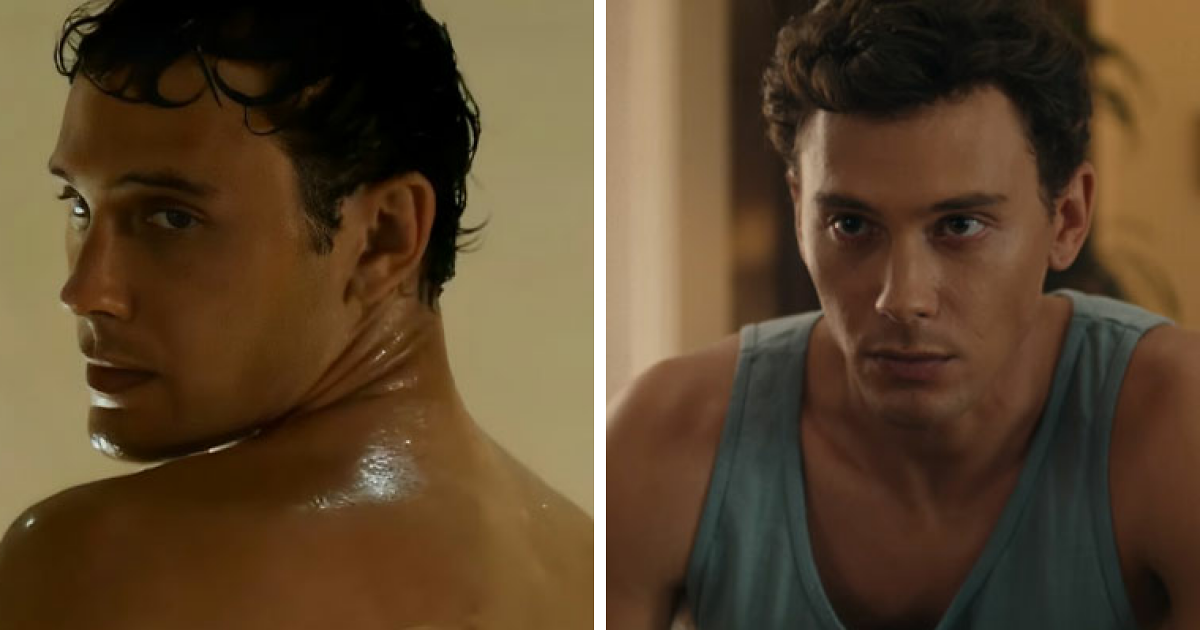
Cooper Koch did not set out to become the internet’s favorite “wait, was that real?” conversation starter. Yet after Netflix’s Monsters: The Lyle and Erik Menendez Story became one of the most discussed true-crime dramas of 2024, one scene in particular followed him from the screen to the talk-show couch. During an appearance on Watch What Happens Live with Andy Cohen, Koch confirmed that he did not use a prosthetic for the now-famous shower scene. Andy Cohen responded with the instantly headline-ready line, “You’re very blessed,” and pop culture did what pop culture does best: it grabbed the quote, ran down the street with it, and turned it into a viral moment.
But there is more to this story than a cheeky late-night exchange. Koch’s performance as Erik Menendez landed inside a series already surrounded by heavy debate, emotional history, and intense public curiosity. The prosthetic question may have sparked the gossip cycle, but the bigger conversation involves actor vulnerability, the ethics of dramatizing real people, Netflix’s true-crime machine, and the strange modern habit of turning serious performances into meme fuel before the credits even finish rolling.
Who Is Cooper Koch in Monsters?
Cooper Koch plays Erik Menendez in Netflix’s Monsters: The Lyle and Erik Menendez Story, the second installment in Ryan Murphy and Ian Brennan’s Monster anthology. The series dramatizes the case of Erik and Lyle Menendez, the Beverly Hills brothers convicted of killing their parents, José and Kitty Menendez, in 1989. Nicholas Alexander Chavez portrays Lyle, while Javier Bardem and Chloë Sevigny play the brothers’ parents.
Before Monsters, Koch was known mostly to indie-film and genre fans, including viewers who saw him in the 2022 horror film Swallowed. After Monsters, however, his name moved from “promising actor” territory into “breakout star people suddenly Google at 1:07 a.m.” territory. That kind of leap can happen fast, especially when a Netflix drama becomes a streaming phenomenon and social media starts treating every interview clip like a miniature sporting event.
Koch’s role required more than physical exposure. It demanded emotional intensity, restraint, and the ability to portray a controversial real-life figure without flattening him into a headline. His performance drew attention not only because of the shower scene, but because of the show’s more demanding dramatic sequences, especially the extended one-take episode centered on Erik’s account of abuse. In other words, the viral moment was loud, but the performance underneath it was doing much heavier lifting.
The Shower Scene Question That Took Over the Internet
During Koch’s appearance on Watch What Happens Live, Andy Cohen brought up famous full-frontal moments in film and television. Koch then clarified that his own scene in Monsters did not involve a prosthetic. Cohen, visibly amused, congratulated him and said he was “very blessed.” Koch responded with a short joke of his own, and the clip quickly became entertainment-news catnip.
The reason the moment traveled so quickly is not exactly mysterious. It had all the ingredients: a rising actor, a hit Netflix show, a host known for playful interviews, and a question viewers were already asking online. Add one quotable phrase, stir gently, and suddenly the internet has a snack.
Still, the scene should not be reduced to tabloid curiosity. Nudity on screen, especially in a drama based on a real criminal case, is never just about shock value when handled responsibly. It can suggest vulnerability, power imbalance, humiliation, identity, or emotional exposure. Whether every viewer believes Monsters handled those themes well is another debate, and many people did debate it. But Koch’s willingness to discuss the scene calmly helped shift the conversation from speculation to simple fact.
Why the Moment Became Bigger Than the Scene
The phrase “Cooper Koch prosthetic” became a search-friendly entertainment topic almost overnight. That tells us something about celebrity culture in 2024 and beyond. Audiences are not just watching shows; they are investigating them, dissecting them, clipping interviews, comparing scenes, and asking behind-the-scenes questions that once would have stayed inside DVD commentary tracks. Remember DVD commentary tracks? Ancient artifacts. Practically cave paintings with chapter menus.
What made this particular discussion explode was the contrast between the seriousness of Monsters and the lightness of the talk-show moment. The series deals with murder, family trauma, allegations of abuse, media obsession, and the justice system. Then suddenly, on late-night television, the conversation swerved into prosthetic logistics. That tonal whiplash is exactly how modern entertainment coverage works: one minute we are discussing performance craft, the next minute everyone is giggling like the substitute teacher left the room.
For SEO purposes, that combination also makes the topic unusually searchable. Fans look for “Cooper Koch shower scene,” “Monsters prosthetic,” “Cooper Koch Erik Menendez,” and “Watch What Happens Live Cooper Koch.” But a strong article should go beyond repeating the viral quote. The real value is explaining why the quote mattered, how it connected to the series, and what it reveals about fame in the streaming era.
Monsters, Controversy, and the Weight of True Crime
Monsters: The Lyle and Erik Menendez Story did not arrive quietly. Like many Ryan Murphy productions, it came polished, provocative, and ready to dominate conversation. The show attracted huge attention, but it also faced criticism from Erik Menendez, members of the Menendez family, and viewers who felt the series took dramatic liberties with sensitive material.
That controversy matters because Koch’s viral interview moment did not happen in a vacuum. He was not promoting a fictional superhero movie where the biggest ethical question is whether the cape should be machine-washed. He was discussing a series based on living people, ongoing legal conversations, and a case that continues to stir painful arguments about abuse, accountability, punishment, and media representation.
Ryan Murphy defended the show by saying it presented multiple perspectives and brought renewed attention to the Menendez case. Critics argued that some creative choices sensationalized already painful history. Both reactions show the difficult position true-crime dramas occupy. They are entertainment products, yes, but they also borrow from real suffering. That means every scene, every interview, and every viral joke carries extra weight.
Cooper Koch’s Performance Was More Than a Viral Clip
The internet may have focused on the shower scene, but Koch’s performance gained respect for more substantial reasons. One of the most discussed acting moments in Monsters is the one-take episode in which Erik recounts abuse allegations in a long, emotionally demanding sequence. That kind of scene is not about glamour. It is about stamina, focus, timing, and trust between actor, director, camera operator, and scene partner.
Koch has spoken about how intense that work felt, and viewers responded to the rawness of the performance. In a series filled with big names and dramatic turns, he managed to make Erik feel fragile, guarded, and deeply complicated. Whether one agrees with every storytelling choice in Monsters, Koch’s commitment is hard to ignore.
This is where the viral shower-scene discourse becomes a little unfair. It can flatten an actor’s work into one physical detail. The same public that demands “serious art” will sometimes click fastest on the least serious headline. That is not a moral failure, exactly. It is just the internet acting like the internet: curious, chaotic, and occasionally in need of a responsible adult.
Actor Vulnerability and the New Rules of Screen Nudity
In recent years, conversations about nudity in film and television have changed significantly. Sets now more commonly use intimacy coordinators, closed-set protocols, and clearer consent practices. Performers are also more open about what they are comfortable doing and how scenes are planned. That shift matters because it moves the discussion away from rumor and toward professionalism.
Koch’s comment that he did not use a prosthetic may have sounded casual, but it also highlighted how technical these scenes can be. Some productions use prosthetics. Some use body doubles. Some use careful framing. Some rely on the actor’s own body under controlled circumstances. The audience sees a few seconds on screen; the production team sees paperwork, planning, lighting, blocking, privacy rules, and probably someone asking, “Can we please make this less freezing?”
According to entertainment coverage of his interview, Koch said the scene was uncomfortable mainly because it was cold, not because he felt afraid. That small detail is revealing. Viewers often imagine screen nudity as glamorous or scandalous, but the reality is frequently technical, awkward, and chilly. Hollywood magic, apparently, sometimes comes with goosebumps.
Why Fans Connected With Cooper Koch
Part of Koch’s appeal is that he handled sudden attention with humor rather than stiffness. His Watch What Happens Live moment worked because he did not appear embarrassed or overly rehearsed. He answered the question, made a joke, and moved on. That kind of ease can make a rising actor feel more approachable, especially in an era when audiences can spot media training from three zip codes away.
Fans also responded to the seriousness with which he approached Erik Menendez. Koch has discussed meeting Erik and Lyle Menendez in prison and feeling a strong emotional reaction to the experience. He has expressed support for the brothers’ claims of abuse and has spoken about caring deeply for Erik as a person. That perspective has not been universally accepted, but it has shaped how many viewers interpret his performance.
For audiences who followed the Menendez case through documentaries, podcasts, TikTok explainers, or earlier news coverage, Koch’s empathy felt meaningful. For others, it raised questions about how close actors should get to the real people they portray. Either way, his role became part of a much larger cultural reexamination of the case.
The Menendez Case Still Shapes the Conversation
The Menendez brothers were originally sentenced to life in prison without the possibility of parole after their convictions. Decades later, public interest surged again, helped by documentaries, social media, and dramatizations like Monsters. In 2025, a judge resentenced Lyle and Erik Menendez to 50 years to life, making them eligible for parole. Later that year, both brothers were denied parole in separate hearings, meaning the legal story continued well beyond the Netflix release cycle.
This ongoing reality is one reason entertainment coverage of Monsters remains complicated. The show is not merely revisiting an old case sealed in a museum display. It is part of a living conversation involving family members, legal advocates, critics, prosecutors, parole officials, and a public still divided over what justice should look like.
That does not mean every article about Koch’s interview must become a courtroom brief. Sometimes a viral quote is just a viral quote. But responsible coverage should remember that the fame of Monsters sits on top of real events, real victims, and real consequences.
How the “Very Blessed” Moment Reflects Modern Celebrity
The “You’re very blessed” exchange is a perfect example of how celebrity moments are manufactured and amplified today. A talk-show clip becomes a headline. A headline becomes a search trend. A search trend becomes a thousand social posts. Then, before anyone has finished breakfast, the actor’s name is attached to a viral phrase that may follow him longer than some carefully planned publicity campaigns.
This can be helpful for a rising performer. Visibility matters. A memorable interview can introduce an actor to people who have not seen the show. It can make him seem funny, confident, and unfiltered. But it can also narrow public perception. The challenge for Koch will be turning that attention into long-term career momentum, not just becoming “the actor from that one Monsters scene.”
Fortunately, his performance gives him a solid foundation. Viral curiosity may open the door, but craft keeps people in the room. Koch showed enough dramatic control in Monsters to suggest that the shower-scene chatter will be one chapter in a larger career, not the whole book. And if the book includes more awkward Andy Cohen questions, well, show business has never been a monastery.
What Viewers Can Learn From the Reaction
The reaction to Koch’s confession says as much about viewers as it does about the actor. Audiences are fascinated by authenticity, especially when film and television constantly blur the line between real and constructed. Was it a prosthetic? Was it a body double? Was the scene digitally altered? These questions are not always shallow. They reflect genuine curiosity about how entertainment is made.
At the same time, viewers should remember that actors are people, not props in a group chat. Discussing a scene is fair. Reducing a performer to anatomy is less thoughtful. Koch handled the moment with humor, but not every actor wants that kind of attention, and not every scene should become a public guessing game.
A better way to approach the topic is to talk about performance choices, production standards, consent, and how vulnerability functions in storytelling. That still leaves room for humor. It just adds a little maturity to the popcorn bucket.
Experience-Based Reflection: Watching the Cooper Koch Moment Become a Pop-Culture Case Study
The experience of following this story as a viewer feels like watching three different conversations collide at once. First, there is the entertainment-news conversation: a handsome breakout actor appears on a popular talk show and says something unexpected. That part is simple, funny, and easy to understand. It is the kind of moment that makes people pause a clip, send it to a friend, and add a caption that probably includes too many exclamation points.
Second, there is the performance conversation. After watching Monsters, many viewers did not remember Koch only because of the shower scene. They remembered the nervous energy in his portrayal of Erik, the emotional tension in his face, and the way he carried scenes that required more silence than speech. That viewing experience is different from reading a viral headline. On screen, Koch’s work feels controlled and wounded. Online, the conversation can become louder, sillier, and less connected to the actual acting.
Third, there is the true-crime conversation. This is where the experience becomes more uncomfortable. It is easy to joke about a talk-show quote; it is harder to remember that Monsters is tied to a real murder case, real allegations, and real families who have spent decades living with the consequences. Watching the series can feel gripping, but it can also feel uneasy because the viewer knows the drama is not pure invention. The glossy Netflix packaging does not erase the human cost underneath.
That mix of amusement, admiration, and discomfort is exactly why the Cooper Koch moment became so interesting. It shows how modern audiences consume celebrity and serious drama at the same time. We can praise an actor’s bravery, laugh at a cheeky interview, debate the ethics of Ryan Murphy’s storytelling, and search for case updates all within the same five-minute scroll. Our attention spans may be chaotic, but they are not always empty.
For writers, bloggers, and entertainment fans, the useful lesson is this: the best coverage does not stop at the viral quote. The quote is the doorway. The better story is what waits behind it. Why did the scene matter? Why did Koch’s answer travel so widely? How did the show’s controversy shape the reaction? What does the public’s curiosity say about celebrity, authenticity, and the way streaming dramas turn real lives into global conversation?
In that sense, “You’re very blessed” is more than a funny line. It is a tiny pop-culture artifact from a much bigger moment. It captures Cooper Koch at the strange intersection of breakout fame, actor vulnerability, Netflix controversy, and internet curiosity. Not bad for a few seconds on a Bravo couch. Somewhere, a publicist probably exhaled, laughed, and then opened seventeen browser tabs.
Conclusion
Cooper Koch’s confirmation that he did not use a prosthetic for the Monsters shower scene became a viral entertainment headline, but the reason it lasted is more layered than simple curiosity. The moment connected humor, performance, vulnerability, true-crime ethics, and the unpredictable machinery of online fame. Andy Cohen’s “You’re very blessed” line gave the internet an easy hook, but Koch’s larger work in Monsters gave audiences a reason to keep talking.
As Monsters: The Lyle and Erik Menendez Story continues to be discussed, debated, and searched, Koch’s breakout role stands as a reminder that one scene can spark attention, but a serious performance is what builds a career. The viral quote may be funny. The acting challenge behind it was anything but small.