The phrase “Teenage Mutant Ninja Turtles” sounds like it escaped from a child’s toy box, crashed through a comic shop window, and landed in a pizza oven. It is ridiculous by design. Four sewer-dwelling turtle brothers, trained by a wise rat, named after Renaissance artists, fighting a ninja crime syndicate in New York City? On paper, that is either the worst idea ever pitched or the best one. Somehow, it became both strange enough to be unforgettable and sincere enough to last for generations.
But here is the funny thing about the Ninja Turtles movies: they are usually at their strongest when the filmmakers do not treat the concept as one big joke. The Turtles can joke. Michelangelo should absolutely say something goofy while swinging nunchucks or asking for pizza. Donatello should be allowed to over-explain a gadget nobody asked about. Raphael should grumble like a teenager who has been grounded by a rat. Humor is part of the recipe. Yet the films work best when the world around them feels real, the danger matters, and the brothers are treated like characters rather than walking punchlines in colored masks.
The best Teenage Mutant Ninja Turtles stories understand a simple truth: absurd ideas need emotional gravity. Without it, the franchise becomes noise, slime, and catchphrases. With it, the Turtles become a surprisingly powerful story about family, identity, anger, loyalty, and growing up as an outsider. Cowabunga is fun. Cowabunga with consequences? That is cinema.
The Original TMNT Was Never Just a Joke
Before the cartoons, lunch boxes, video games, and toy-store domination, the Teenage Mutant Ninja Turtles began as an independent black-and-white comic created by Kevin Eastman and Peter Laird in 1984. The original idea was playful, yes, but it was also a parody of gritty superhero comics, martial arts stories, and street-level crime sagas. The early comics borrowed energy from the kind of dark, urban storytelling popular in the 1980s, especially stories about ninjas, revenge, secret clans, and lonely heroes fighting in alleys.
That origin matters because it explains why the Turtles are not just “cartoon animals with pizza.” They were born from a collision between parody and seriousness. Their very existence is a joke, but their world is not always joking with them. Splinter’s grief, Shredder’s menace, Raphael’s anger, Leonardo’s burden as leader, and the Foot Clan’s criminal pull all give the franchise a surprisingly dramatic spine.
That tension is the secret sauce. The Turtles are ridiculous, but they do not know they are ridiculous. They believe in their mission. They love their father. They fight for each other. They want to belong. When a movie respects that, the audience can laugh without feeling like the entire story is disposable.
Why the 1990 ‘Teenage Mutant Ninja Turtles’ Movie Still Hits Hard
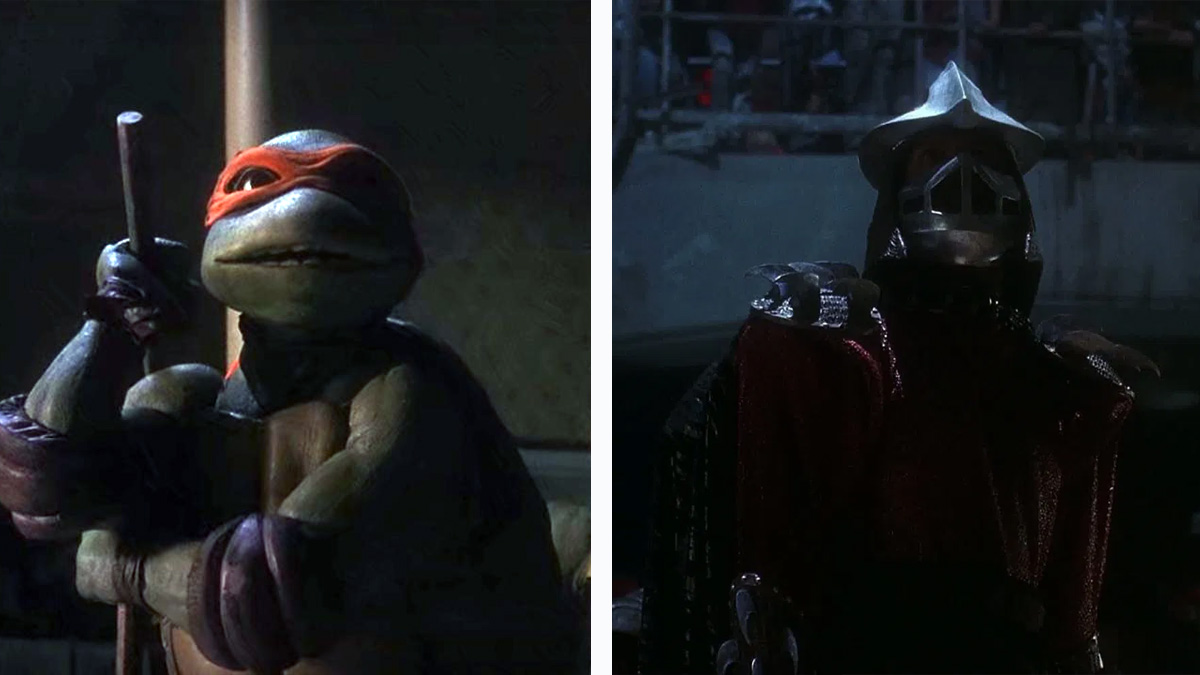
The 1990 live-action Teenage Mutant Ninja Turtles movie remains the gold standard for many fans because it takes the premise seriously without becoming humorless. Directed by Steve Barron and brought to life with groundbreaking creature work from Jim Henson’s Creature Shop, the movie feels grimy, tactile, and oddly believable. The sewers feel damp. The rooftops feel dangerous. The Foot Clan feels like a real threat. Even the pizza feels like it came from an actual New York shop, probably one with a slightly sticky floor and a guy at the counter who has seen everything.
The film is not “dark” in the modern, joyless sense. It has jokes, slapstick, and plenty of Turtle personality. What makes it special is that the jokes sit inside a real emotional framework. Raphael’s loneliness is not brushed aside. Leonardo’s leadership is tested. Donatello and Michelangelo have quiet moments of brotherhood. Splinter’s capture gives the story weight. April O’Neil is not just a human accessory; she becomes part of the family’s emotional center. Casey Jones brings street-level chaos, but he also brings a rough-edged sense of justice.
The campfire scene is the clearest example of why the movie works. The Turtles gather in a moment of grief and uncertainty, reaching out spiritually to Splinter. In a lesser version, this would be replaced with a gag about marshmallows. In the 1990 film, the scene is allowed to breathe. It says, “Yes, these are giant turtle costumes, but the emotions are real.” That is exactly the kind of tonal confidence the franchise needs.
The Turtles Are Funny Because the Story Is Serious
Comedy lands better when it has something to bounce against. If every scene is a joke, no joke feels special. The 1990 movie understands contrast. Michelangelo’s humor works because Raphael is genuinely furious. Donatello’s banter works because the brothers are hiding from enemies who could actually hurt them. The “family” theme works because Splinter is not just a wise mascot; he is a father whose children are in danger.
This is why the best Ninja Turtles movies should not be played purely for laughs. The humor should come from character, not from the filmmakers winking at the audience as if they are embarrassed by the material. The second a movie acts ashamed of its own premise, the audience feels it. The Turtles do not need irony to survive. They need commitment.
What Happened When the Movies Got Too Goofy?
The sequels after the 1990 film show what happens when the balance shifts too far toward silliness. Teenage Mutant Ninja Turtles II: The Secret of the Ooze has nostalgic charm, a faster pace, and enough early-1990s energy to power a small arcade. It also leans much harder into kid-friendly comedy. The Turtles joke more, the danger softens, and the action becomes less intense. Tokka and Rahzar are memorable creature creations, but they are more goofy monsters than frightening opponents. Vanilla Ice shows up, performs “Ninja Rap,” and the movie briefly turns into a music video with mutant reptiles. Depending on your mood, this is either delightful or evidence that the universe has a sense of humor.
The problem is not that the movie is funny. The problem is that the comedy often replaces the emotional stakes rather than supporting them. The first film felt like a comic book world with jokes. The second sometimes feels like a toy commercial with action scenes. That does not make it worthless, but it does make it less powerful.
Teenage Mutant Ninja Turtles III goes even further from the grounded appeal of the original. The time-travel premise sends the Turtles to feudal Japan, which should be a perfect setup for martial arts adventure. Instead, the film struggles with energy, tone, and visual polish. The emotional core is thinner, the villains are less compelling, and the Turtles feel less like sewer-raised outsiders and more like mascots dropped into a costume drama. Again, the issue is not the presence of humor. The issue is the lack of dramatic weight.
The 2007 Animated Film Almost Found the Right Balance
The 2007 animated film TMNT deserves credit for trying to restore a little seriousness. Its strongest material focuses on the strained relationship between Leonardo and Raphael. The rooftop fight between the brothers remains one of the franchise’s better cinematic moments because it is not really about who has the cooler weapon or better one-liner. It is about resentment, leadership, pride, and pain.
That is the kind of conflict that makes the Turtles interesting. They are not just a team; they are siblings. Anyone with brothers knows that family arguments can escalate from “you took my fries” to “our entire relationship is broken” in approximately twelve seconds. The 2007 movie understands that dynamic, even if its larger plot involving ancient warriors and monsters is less memorable than the brother-versus-brother drama.
In other words, the film proves the main point again: when the story treats the Turtles’ emotions seriously, the franchise becomes stronger. When it drifts away from that emotional core, even polished animation cannot fully save it.
The Michael Bay-Era Films Mistook Volume for Weight
The 2014 Teenage Mutant Ninja Turtles reboot and its 2016 sequel Out of the Shadows brought bigger budgets, louder action, and a blockbuster sheen. They also showed that “serious-looking” is not the same as emotionally serious. These films are visually busy and often massive in scale, but they rarely capture the grounded weirdness that made the 1990 movie feel alive.
The 2014 film gives the Turtles a more muscular, digitally enhanced design and surrounds them with large-scale action. Yet the result often feels oddly distant. The Turtles are there, but the movie does not always slow down long enough to make their brotherhood matter. Out of the Shadows adds fan-favorite elements like Bebop, Rocksteady, Krang, and the Technodrome, which makes it more colorful and playful. Still, more references do not automatically create a better story.
The issue is not that these films are too funny or too serious. The issue is that they often treat tone like a switch instead of a blend. One moment wants gritty action, the next wants cartoon chaos, and the emotional center gets buried under digital rubble. A Ninja Turtles movie does not need to be small, but it does need to feel personal.
‘Mutant Mayhem’ Works Because It Laughs With the Turtles, Not At Them
Teenage Mutant Ninja Turtles: Mutant Mayhem is the best modern example of how humor can work beautifully in this franchise when it is tied to character. The movie is funny, loose, stylish, and packed with teenage awkwardness. The Turtles talk over each other like real kids. They want acceptance. They want friends. They want to go to high school, which may be the most unrealistic fantasy in the entire franchise because most people who actually went to high school remember wanting to escape it.
What makes Mutant Mayhem effective is that it does not treat the Turtles as a punchline. It treats them as teenagers first. The scribbly animation style, youthful voice performances, and energetic pacing all support the idea that these brothers are messy, excitable, insecure kids trying to find their place. The jokes come from who they are, not from a cynical belief that the audience is too cool to care.
The film’s emotional stakes are also clear. The Turtles want to be accepted by humans. Splinter’s fear of the outside world comes from loneliness and rejection. April wants to prove herself. Even the mutant antagonists are tied to questions of belonging. That gives the movie enough heart to support the comedy. It may be more playful than the 1990 film, but it still understands that the Turtles need sincerity to work.
Dark Does Not Mean Humorless
Some fans argue that the franchise should go darker, especially with interest in stories like The Last Ronin, a more mature TMNT tale built around loss, legacy, and revenge. A darker Ninja Turtles movie could work, but darkness alone is not the goal. The franchise does not need to become a grim parade of rain, growling, and everyone forgetting how jokes work. That would be just as wrong as turning every scene into a gag.
The ideal tone is not “dark.” It is sincere. The 1990 movie is not great because it is gloomy. It is great because it believes in its characters. Mutant Mayhem is not good because it avoids jokes. It is good because its jokes come from a place of affection. The best TMNT movies understand that a story can be funny and still have emotional consequences.
Why Family Is the Real Franchise Engine
The real reason Ninja Turtles movies work best when not played only for laughs is that the franchise is secretly a family drama wearing a superhero mask. Leonardo, Raphael, Donatello, and Michelangelo are not just teammates. They are brothers with clashing personalities. Splinter is not just a mentor. He is a parent trying to raise children in impossible circumstances. April and Casey are not just side characters. At their best, they are outsiders who become family by choice.
That emotional structure gives the franchise its staying power. Kids come for the colorful masks and pizza jokes. Older fans stay because the story is about belonging, loyalty, responsibility, and the fear of being rejected by the world above you. That is not silly. That is deeply human, even when the humans are technically turtles.
When a movie reduces the Turtles to catchphrases, it misses the point. When it lets them argue, fail, protect each other, and grow, the absurd premise becomes meaningful. The audience does not need to believe mutant turtles are scientifically plausible. The audience only needs to believe these brothers love each other.
Specific Lessons Future Ninja Turtles Movies Should Learn
1. Let the Villains Feel Dangerous
Shredder works best when he feels like a true threat, not just a costume with blades. The Foot Clan should represent temptation, violence, and belonging gone wrong. If the villains are too goofy, the heroes have nothing meaningful to overcome.
2. Keep the Humor Character-Based
Michelangelo cracking jokes is good. A movie constantly mocking its own premise is not. The comedy should come from personality, sibling chaos, and culture clash, not from embarrassment.
3. Make the City Matter
New York should feel like more than a backdrop. The best TMNT stories use alleys, rooftops, subway tunnels, apartments, and sewers to create atmosphere. The Turtles are creatures of the city. Remove that texture, and they become generic action figures.
4. Treat Splinter Like a Father
Splinter is most powerful when the story remembers he is raising four sons. His wisdom, fear, discipline, and love should shape the emotional stakes. A good Splinter scene can do more for a TMNT movie than five extra explosions.
5. Do Not Be Afraid of Quiet Moments
Some of the best franchise moments are not the loudest. A rooftop argument, a campfire vision, a brotherly apology, or a silent look between characters can make the action matter more. Even mutant ninjas need room to breathe.
Experience-Based Reflection: Why Serious TMNT Stories Stay With Viewers
Anyone who grew up with the Ninja Turtles probably remembers the comedy first. The pizza obsession, the slang, the wild villains, the action figures, the arcade games, and the theme songs all leave a big neon-green footprint on childhood memory. But when people revisit the movies as older viewers, the scenes that often hit hardest are not the loudest jokes. They are the moments where the Turtles feel vulnerable.
That is the experience that makes the 1990 movie so durable. Watching it as a kid, you may remember the action, the masks, and the thrill of seeing the Turtles look real. Watching it later, you notice Raphael sitting alone, angry because he does not know how to ask for help. You notice April’s apartment becoming a temporary home. You notice Danny being drawn into the Foot Clan because it offers him attention and belonging. You notice Splinter’s calm sadness. Suddenly, the movie is not just about mutant turtles fighting ninjas. It is about lost kids, broken families, and the hard work of choosing the people who choose you back.
That kind of emotional seriousness does not make the story less fun. It makes the fun matter more. A joke after danger feels like relief. A pizza scene after conflict feels like family. A brotherly insult after an apology feels affectionate instead of random. The humor becomes seasoning, not the entire meal. And yes, the meal is probably pizza, because this franchise has brand consistency.
There is also a specific pleasure in seeing a strange concept treated with total commitment. Viewers can sense when filmmakers believe in the world they are building. Practical suits, moody lighting, martial arts choreography, and sincere performances gave the 1990 movie a texture that still stands out. Even when the effects show their age, the effort feels real. That effort invites the audience to care. It says, “We know this is weird, but we are going to make it matter.”
Modern franchise filmmaking sometimes becomes nervous around sincerity. Movies wink, undercut emotional moments, or add jokes immediately after drama because they fear the audience might laugh at them. But Ninja Turtles proves the opposite. The audience is more likely to accept the absurdity when the movie does not apologize for it. If a giant rat says something wise and the film treats it with respect, viewers will often follow. If the movie points at the rat and says, “Wow, this is stupid, right?” the spell breaks.
The best experience of watching a TMNT movie is not choosing between comedy and seriousness. It is seeing both operate together. You laugh because the brothers are funny. You care because their bond is real. You enjoy the action because the danger has stakes. You accept the weirdness because the story has heart. That balance is harder than it looks, which may be why only a few films in the franchise fully capture it.
For future Ninja Turtles movies, the lesson is simple: do not sand off the weird edges, but do not hide behind them either. Let the Turtles be funny, awkward, hungry, and occasionally ridiculous. But also let them hurt. Let them fear losing each other. Let them face villains who challenge their values. Let the city feel big and dangerous. Let family be the reason the story exists.
When the franchise remembers that, it becomes more than nostalgia. It becomes a story that can keep evolving. The Turtles can be animated, live-action, kid-friendly, darker, modern, retro, or somewhere in between. The format can change. The emotional rule stays the same: play the characters honestly, and the audience will believe in them.
Conclusion: The Best TMNT Movies Respect the Shell
Ninja Turtles movies do not need to abandon humor. That would be like asking Michelangelo to abandon pizza, which is legally and spiritually impossible. But the franchise works best when the humor is built on sincerity. The 1990 film remains beloved because it treats the Turtles as real characters living in a dangerous, emotional world. Mutant Mayhem succeeds because it laughs with its heroes while still caring about their need to belong. The weaker entries often stumble when they mistake silliness for personality or spectacle for stakes.
The title may sound absurd, but the story works because the emotions are not. Four mutant brothers trying to protect their family, understand themselves, and find a place in the world is a strong foundation. Add martial arts, sewer hideouts, masked villains, and a shocking amount of cheese, and you have a franchise that can be funny, exciting, and moving at the same time.
So yes, Ninja Turtles movies work best when not played for laughs. Let them be funny. Let them be strange. Let them say “cowabunga” if the moment earns it. But above all, let them mean it.