Acute heart failure is one of those medical phrases that sounds like it arrived wearing a white coat and carrying a clipboard. But the basic idea is straightforward: the heart suddenly cannot pump blood well enough to meet the body’s needs, or existing heart failure suddenly gets worse. When that happens, fluid can back up into the lungs, legs, abdomen, or other tissues, and breathing may become difficult very quickly.
Despite the dramatic name, “heart failure” does not mean the heart has stopped. It means the heart is struggling. Think of it less like a power outage and more like a tired pump trying to move too much water through a crowded system. Acute heart failure is urgent because the body depends on steady blood flow and oxygen. If symptoms come on suddenly, especially severe shortness of breath, chest pain, fainting, confusion, blue lips, or extreme weakness, emergency care is needed right away.
This guide explains the major types of acute heart failure, common symptoms, causes, diagnosis, treatment options, recovery planning, and real-life experiences patients and caregivers often face. The goal is not to turn you into a cardiologist overnightbecause nobody needs that much homeworkbut to make a serious condition easier to understand.
What Is Acute Heart Failure?
Acute heart failure is a rapid onset or sudden worsening of heart failure symptoms. It may happen in someone who already has chronic heart failure, or it may be the first sign that the heart is in trouble. Doctors often use terms such as acute decompensated heart failure, acute pulmonary edema, or cardiogenic shock depending on how the condition appears.
In many cases, the main problem is congestion. Fluid builds up because the heart cannot move blood forward efficiently. That fluid can collect in the lungs, causing breathlessness, coughing, wheezing, or a suffocating feeling when lying flat. In other cases, the problem is low output: the heart cannot send enough blood to the brain, kidneys, muscles, and other organs. Some patients have both congestion and poor blood flow at the same time, which is as unfair as it sounds.
Types of Acute Heart Failure
1. Acute Decompensated Chronic Heart Failure
This is the most common pattern. A person already has heart failure, but symptoms suddenly worsen. Triggers may include eating too much sodium, missing medications, uncontrolled blood pressure, infection, kidney problems, abnormal heart rhythms, or a heart attack. Someone who was managing daily activities last week may suddenly find that walking across the room feels like climbing a mountain while carrying groceries and arguing with gravity.
2. New-Onset Acute Heart Failure
Sometimes acute heart failure appears in a person with no known history of the condition. Causes may include a heart attack, severe high blood pressure, myocarditis, valve disease, certain toxins, major infection, or a sudden rhythm problem. Because symptoms can resemble asthma, pneumonia, panic, or a bad respiratory infection, medical evaluation is important.
3. Acute Pulmonary Edema
Acute pulmonary edema happens when fluid rapidly collects in the lungs. It may cause severe shortness of breath, sweating, anxiety, coughing, wheezing, and difficulty lying flat. This is a medical emergency. Patients may need oxygen support, medications to reduce fluid and pressure, and close monitoring.
4. Hypertensive Acute Heart Failure
In this type, very high blood pressure overwhelms the heart. The heart may not be permanently weak, but it is suddenly under extreme pressure. Treatment often focuses on lowering pressure safely, improving breathing, and reducing congestion.
5. Cardiogenic Shock
Cardiogenic shock is a severe and dangerous form of acute heart failure where the heart cannot pump enough blood to maintain organ function. Symptoms may include confusion, cold or clammy skin, very low blood pressure, little urination, severe weakness, and rapid breathing. This requires intensive hospital care.
Common Symptoms of Acute Heart Failure
Symptoms can appear suddenly or build over hours to days. The most common warning sign is shortness of breath, especially during activity, while lying flat, or after waking up gasping during the night. Other symptoms may include swelling in the ankles or legs, rapid weight gain from fluid, fatigue, coughing, wheezing, chest discomfort, fast or irregular heartbeat, dizziness, reduced appetite, nausea, and swelling in the abdomen.
Some symptoms are easy to overlook. A patient may say, “I just feel off,” “My shoes are tight,” or “I need three pillows to sleep.” These small clues matter. Heart failure does not always enter the room with dramatic music. Sometimes it sneaks in wearing socks that suddenly leave deep marks on the ankles.
When to Seek Emergency Help
Call emergency services immediately if someone has severe trouble breathing, chest pain, fainting, confusion, blue or gray lips, sudden severe weakness, coughing with frothy fluid, or symptoms that rapidly worsen. Acute heart failure can become life-threatening quickly, and waiting to “see if it passes” is not a good strategy. The heart is not a software update; it should not be forced to restart on its own.
What Causes Acute Heart Failure?
Acute heart failure usually has a trigger. Common causes include coronary artery disease, heart attack, long-term high blood pressure, valve disease, cardiomyopathy, atrial fibrillation or other arrhythmias, kidney disease, diabetes, lung disease, infection, anemia, thyroid disease, and certain medications that cause fluid retention or stress the heart.
In people with known heart failure, everyday factors can also trigger decompensation. Too much sodium, missed diuretics, excessive fluid intake, heavy alcohol use, untreated sleep apnea, or a sudden illness can tip a stable condition into an emergency. This is why heart failure care often involves daily weights, medication routines, food choices, and symptom tracking. It may sound boring, but boring routines are sometimes the body’s security system.
How Doctors Diagnose Acute Heart Failure
Diagnosis begins with symptoms, medical history, and a physical exam. Clinicians listen to the lungs, check for swelling, measure oxygen levels, review blood pressure and heart rate, and look for signs of poor circulation. Because shortness of breath can have many causes, doctors often use several tests together.
Common Tests
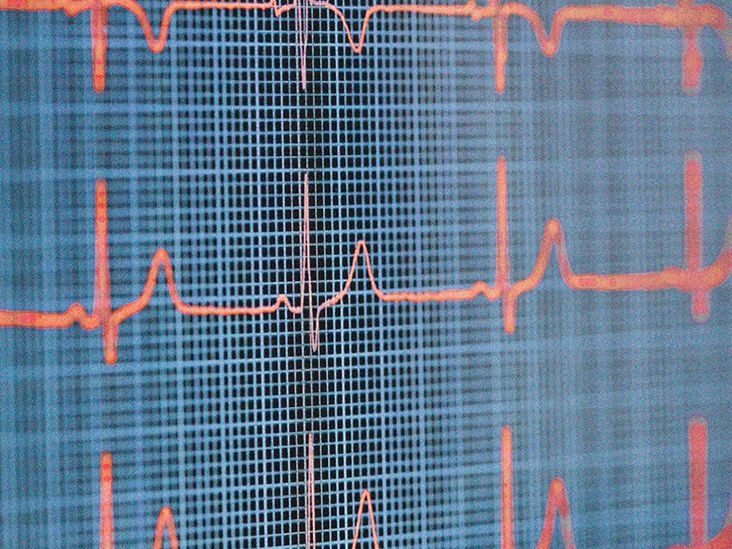
An electrocardiogram can detect rhythm problems or signs of a heart attack. A chest X-ray may show fluid in the lungs or an enlarged heart. Blood tests may measure kidney function, electrolytes, troponin, and natriuretic peptides such as BNP or NT-proBNP, which often rise when the heart is under pressure. An echocardiogram uses ultrasound to evaluate pumping function, valve problems, chamber size, and ejection fraction.
Doctors may also check for infection, anemia, thyroid problems, or blood clots depending on the situation. The goal is not only to confirm acute heart failure but also to find the trigger. Treating the trigger can be just as important as treating the fluid buildup.
Treatment for Acute Heart Failure
Treatment depends on the type, severity, blood pressure, oxygen level, kidney function, and underlying cause. In the emergency department or hospital, the first priority is stabilizing breathing and circulation.
Oxygen and Breathing Support
If oxygen levels are low, supplemental oxygen may be used. Some patients need noninvasive ventilation, such as a tight-fitting mask that helps push air into the lungs. In severe cases, a breathing tube and mechanical ventilation may be necessary. The goal is to improve oxygen levels while medications reduce the strain on the heart.
Diuretics
Diuretics, often called water pills, help the body remove extra fluid through urination. In acute heart failure, they are commonly given through an IV. This can reduce swelling and fluid in the lungs. Nurses may track urine output closely, which is glamorous only if your idea of glamour involves measuring cups and clinical accuracy.
Vasodilators
When blood pressure is high enough, vasodilators such as nitrates may be used to relax blood vessels and reduce pressure on the heart. These medications can be especially useful in hypertensive acute heart failure or pulmonary edema.
Inotropes and Advanced Support
If the heart is pumping very poorly and blood pressure is low, doctors may use medications that help the heart contract more strongly. These are typically reserved for serious cases because they require close monitoring. In cardiogenic shock, advanced support such as mechanical circulatory support may be considered.
Treating the Underlying Cause
If acute heart failure is caused by a heart attack, urgent coronary treatment may be needed. If an arrhythmia is the trigger, rhythm or rate control becomes important. If infection, kidney failure, valve disease, or medication problems are involved, the treatment plan must address those issues too.
Long-Term Management After the Emergency
Once the crisis improves, the focus shifts to preventing another episode. For many patients, this means guideline-directed medical therapy, follow-up appointments, lifestyle changes, and a clear action plan. Depending on the type of heart failure, medications may include beta blockers, ACE inhibitors, ARBs, ARNIs, mineralocorticoid receptor antagonists, SGLT2 inhibitors, diuretics, or other treatments.
Not every patient needs the same medication combination. Heart failure with reduced ejection fraction is treated differently from heart failure with preserved ejection fraction. Kidney function, blood pressure, potassium levels, age, other illnesses, and medication tolerance all matter. Translation: the best plan is personalized, not copied from someone’s cousin’s neighbor who “takes a heart pill and feels fine.”
Lifestyle Habits That Help Reduce Risk
After acute heart failure, small habits can make a large difference. Patients are often advised to monitor weight daily, limit sodium if recommended, take medications consistently, keep follow-up visits, stay physically active within medical limits, avoid smoking, manage blood pressure and diabetes, and report worsening symptoms early.
Daily weight tracking is especially useful because sudden weight gain may signal fluid retention before breathing becomes severe. A gain of several pounds in a short time should be reported according to the care team’s instructions. The bathroom scale may not be everyone’s favorite morning conversation partner, but in heart failure care, it can be an early warning device.
Diet and Sodium: Why Salt Matters
Sodium can cause the body to hold onto water, which may worsen congestion. Many patients are advised to reduce high-sodium foods such as processed meats, canned soups, fast food, salty snacks, frozen meals, and restaurant dishes. This does not mean food must taste like cardboard with a side of sadness. Herbs, spices, citrus, garlic, vinegar, and salt-free blends can add flavor without overloading sodium.
Fluid restriction may be recommended for some patients, but not everyone needs the same limit. Patients should follow their clinician’s specific advice, especially if kidney disease or low sodium levels are present.
Living With the Fear of Another Episode
Acute heart failure can be frightening. Many patients remember the feeling of not being able to breathe, the ambulance ride, the hospital monitors, and the sudden seriousness of everything. Anxiety afterward is common. Caregivers may also feel nervous, especially at night when breathing symptoms are easier to notice.
A written action plan helps. It should explain which symptoms to track, when to call the clinic, when to adjust medications if instructed, and when to seek emergency care. Confidence often grows when patients understand what is happening and what steps to take.
Patient and Caregiver Experiences: What Acute Heart Failure Feels Like in Real Life
Experiences with acute heart failure vary, but many stories share a familiar pattern: symptoms begin quietly, then suddenly become impossible to ignore. One person may notice that walking to the mailbox feels unusually exhausting. Another may wake at 2 a.m. short of breath and sit upright on the edge of the bed, hoping the air will “catch up.” Someone else may blame swollen ankles on a long day, tight shoes, or too much standinguntil the swelling climbs higher and the scale jumps several pounds.
For patients, the emotional experience can be just as intense as the physical one. Shortness of breath is scary because breathing is not something people expect to negotiate with. When the lungs feel full or the chest feels heavy, panic can arrive quickly. In the hospital, the fast pace of care may feel overwhelming: oxygen tubing, blood pressure cuffs, IV medications, blood tests, X-rays, alarms, and staff asking questions while the patient is trying to breathe. Even when everyone is helping, it can feel like being dropped into a medical drama without receiving the script.
Caregivers often describe a different kind of stress: watching for changes, trying to remember medication names, tracking appointments, and wondering whether a symptom is “bad enough” to call. They may feel guilty for not noticing earlier signs. But acute heart failure can be sneaky. Fatigue, mild swelling, and reduced appetite are easy to explain away in daily life. The important lesson is not to replay the past like a courtroom scene; it is to build a better monitoring system for the future.
After discharge, the experience usually becomes practical. Patients may learn to weigh themselves every morning, read food labels, organize pills, and keep a symptom diary. At first, these habits can feel annoying. Nobody dreams of becoming a sodium detective, squinting at soup cans like they contain classified secrets. But over time, many people find that routines reduce fear. A daily weight record, a medication box, and a clear plan can turn a vague threat into something more manageable.
Conversations also matter. Patients should feel comfortable telling their care team about side effects, cost barriers, dizziness, confusion about instructions, or trouble following a low-sodium diet. A treatment plan that looks perfect on paper but fails in real life is not really perfect. Good care is practical care. If a patient cannot afford a medication, cannot understand the discharge paperwork, or cannot get to follow-up visits, the plan needs adjusting.
Family support can make recovery smoother, but support should not feel like policing. Instead of saying, “You can’t eat that,” it may help to say, “Let’s find a version that works for your heart.” Instead of hovering over every sip of water, caregivers can help by keeping appointments organized, preparing lower-sodium meals, encouraging gentle activity if approved, and noticing early warning signs. The goal is teamwork, not turning the kitchen into a cardiology courtroom.
Many people live meaningful, active lives after an acute heart failure episode, especially when the cause is identified and treatment is followed. Recovery may involve medication adjustments, repeat testing, cardiac rehabilitation, or specialist visits. Progress can be slow, but slow progress still counts. The most important experience-related lesson is simple: do not ignore changes in breathing, swelling, weight, or energy. The body often whispers before it shouts.
Conclusion
Acute heart failure is a serious condition that needs fast medical attention, but understanding it can make the situation less confusing. It may appear as sudden fluid buildup, worsening chronic heart failure, pulmonary edema, hypertensive heart failure, or cardiogenic shock. Symptoms such as severe shortness of breath, swelling, rapid weight gain, chest pain, fainting, or confusion should never be brushed aside.
Diagnosis usually combines physical examination, blood tests, imaging, ECG, and echocardiography. Treatment may include oxygen, breathing support, IV diuretics, vasodilators, medications to support heart function, and care for the underlying trigger. After the emergency, long-term success depends on medication adherence, follow-up care, lifestyle habits, symptom tracking, and a realistic support system.
The heart may be dramatic, but it also responds well to smart teamwork. Early action, clear communication, and consistent care can help patients reduce risks and regain confidence after an acute episode.