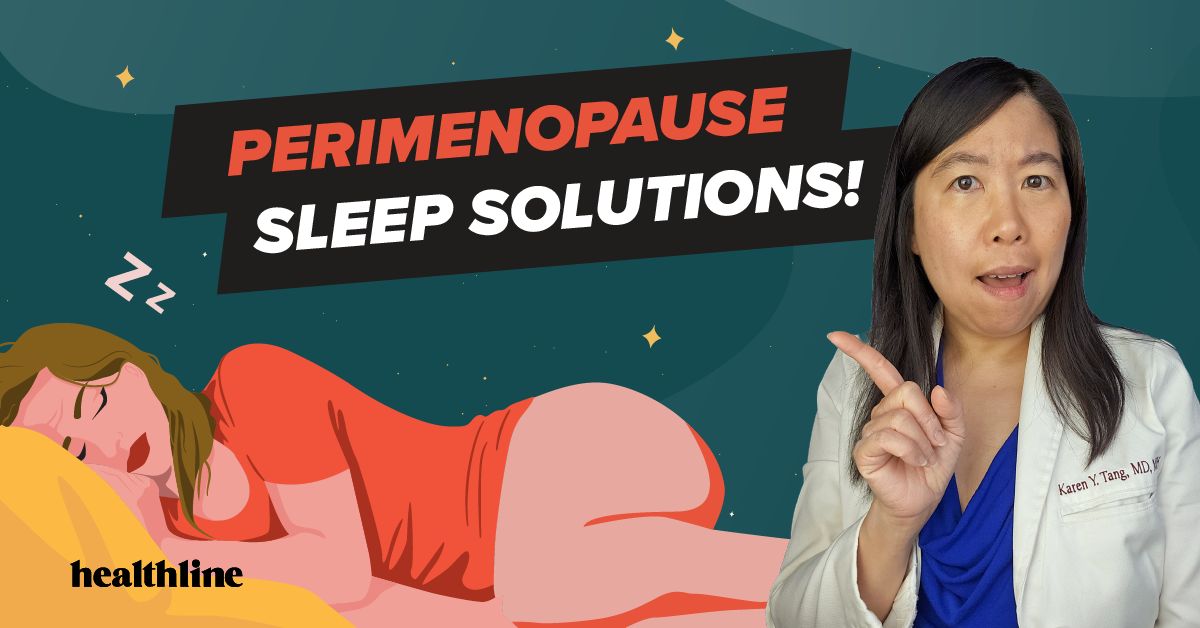
Menopause has a strange talent for showing up at bedtime like an uninvited houseguest carrying a space heater, a drum set, and a list of worries you thought you handled in 2014. One minute you are brushing your teeth like a responsible adult; the next, you are wide awake at 2:37 a.m., bargaining with the ceiling fan and wondering why your pajamas suddenly feel like winter gear in July.
If that sounds familiar, you are far from alone. Menopause-related insomnia is one of the most frustrating symptoms of the menopause transition. It can include trouble falling asleep, waking frequently, waking too early, or getting enough hours in bed but still feeling like your brain spent the night running a committee meeting. The good news: poor sleep during menopause is common, but it is not something you simply have to “tough out” with a brave face and a gallon of coffee.
This guide explores practical, evidence-informed sleep solutions for menopause-related insomnia, including lifestyle strategies, cooling techniques, cognitive behavioral therapy for insomnia, medical treatment options, and real-life experience-based tips that make the whole process feel less like a science project and more like a plan you can actually follow.
Why Menopause Can Wreck Sleep
Menopause is officially reached after 12 months without a menstrual period, but sleep problems often begin earlier during perimenopause. During this transition, estrogen and progesterone levels fluctuate, and those hormonal shifts can affect body temperature regulation, mood, stress response, and the natural sleep-wake rhythm.
The result? Your body may behave as if bedtime is the perfect moment to host a fireworks show. Hot flashes and night sweats can wake you suddenly. Anxiety may become louder at night. Joint aches, bladder changes, or restless legs can make it harder to stay comfortable. And once you have a few bad nights, the bed itself can start to feel like a performance stage where the only assignment is “fall asleep immediately.” Very relaxing, obviously.
Common Menopause Sleep Disruptors
Menopause-related insomnia is rarely caused by just one thing. More often, it is a stack of small disturbances that team up like tiny sleep thieves. The most common include:
- Night sweats and hot flashes: Sudden heat surges can wake you up and make it difficult to fall back asleep.
- Mood changes: Stress, anxiety, and low mood can increase nighttime rumination.
- Sleep apnea risk: The risk of obstructive sleep apnea may increase with age and body changes, and it can be missed in women.
- Bladder changes: More frequent nighttime bathroom trips can interrupt sleep cycles.
- Medication, caffeine, and alcohol effects: Some habits or prescriptions can quietly interfere with sleep quality.
- Conditioned insomnia: After repeated bad nights, the brain may begin to associate bed with wakefulness instead of rest.
Signs Your Sleep Problem Needs Attention
Everyone has the occasional bad night. Menopause-related insomnia becomes more concerning when it happens at least several nights a week, lasts for months, or affects daily life. You may notice irritability, brain fog, low motivation, headaches, increased sugar cravings, or the irresistible desire to stare dramatically out a window like the main character in a very tired movie.
Talk with a healthcare professional if your sleep problems are persistent, severe, or paired with symptoms such as loud snoring, gasping during sleep, morning headaches, restless legs, chest discomfort, depression, or major anxiety. Insomnia is treatable, but the best approach depends on what is actually causing it.
Start With Your Sleep Environment
When menopause turns your internal thermostat into a prankster, your bedroom setup matters. You do not need to transform your room into a luxury sleep cave with a price tag that requires a board meeting. Small changes can help.
Keep the Bedroom Cool
A cool room supports the natural drop in body temperature that helps initiate sleep. Try breathable bedding, moisture-wicking sleepwear, layered blankets that can be easily removed, and a fan or air conditioner if available. Some people find relief from cooling pillows or lightweight cotton sheets. The goal is simple: make it easy to cool down without fully waking up and launching a midnight laundry operation.
Make Light and Noise Work for You
Darkness helps cue the brain that it is time for sleep. Use blackout curtains, an eye mask, or dim lighting in the hour before bed. If noise is an issue, consider earplugs, a white noise machine, or a fan. If you wake during the night, avoid bright lights because they can signal “morning” to your brain even when the clock says absolutely not.
Reserve the Bed for Sleep
One of the most powerful sleep solutions is also one of the least glamorous: train your brain to associate bed with sleep. Avoid working, scrolling, eating, or watching stressful content in bed. Your mattress should not become a home office, movie theater, snack counter, and worry arena. It has one main job. Let it specialize.
Build a Menopause-Friendly Sleep Routine
A consistent routine tells your nervous system, “We are powering down now.” That message is especially useful during menopause, when sleep signals may feel less predictable.
Keep a Consistent Wake Time
Waking at roughly the same time every day helps anchor your circadian rhythm. Yes, even on weekends. This does not mean you can never sleep in, but large swings in schedule can make insomnia worse. Think of your wake time as the steering wheel for your sleep cycle.
Create a Wind-Down Ritual
Give yourself 30 to 60 minutes to transition from “day mode” to “sleep mode.” Try a warm shower, gentle stretching, calming music, light reading, breathing exercises, or a simple skincare routine. The activity matters less than the repetition. Your brain loves patterns. It is basically a golden retriever with electricity.
Use Screens Carefully
Phones, tablets, and laptops can delay sleep by exposing you to bright light and stimulating content. If you use screens at night, dim them, use night mode, and avoid emotionally charged rabbit holes. Reading one email can turn into reviewing your entire life strategy by midnight. Protect your peace.
Food, Drink, and Menopause Insomnia
What you eat and drink in the afternoon and evening can affect sleep more than many people realize. The point is not to become strict or joyless. The point is to notice patterns and make adjustments that support rest.
Watch Caffeine Timing
Caffeine can stay active in the body for hours. If you are waking at night or struggling to fall asleep, experiment with stopping caffeine after late morning or early afternoon. Coffee is not the villain. Coffee is a beloved coworker who sometimes talks too loudly after 3 p.m.
Be Honest About Alcohol
Alcohol may make you sleepy at first, but it can fragment sleep later in the night and worsen hot flashes or snoring for some people. If you drink, consider finishing earlier in the evening and tracking whether alcohol nights lead to more wake-ups.
Avoid Heavy Late Meals
Large, spicy, or high-fat meals close to bedtime can trigger reflux, discomfort, or temperature changes. A lighter evening meal and a small snack, if needed, may be easier on sleep. Good options include foods with protein and complex carbohydrates, such as Greek yogurt with berries, whole-grain toast with nut butter, or a small bowl of oatmeal.
Exercise: A Sleep Tool With Bonus Benefits
Regular physical activity can improve sleep quality, mood, metabolism, bone health, and stress resilience during menopause. You do not need to train like you are preparing for the Olympics. Brisk walking, strength training, swimming, cycling, yoga, and Pilates can all help.
The timing matters. Some people sleep better after morning or afternoon workouts. Others tolerate evening exercise just fine if it is not too intense. If nighttime workouts leave you wired, move them earlier. If gentle stretching before bed helps, keep it. Your body is the data source.
CBT-I: The Gold-Standard Approach for Chronic Insomnia
Cognitive behavioral therapy for insomnia, often called CBT-I, is one of the most effective treatments for chronic insomnia. It does not simply tell you to “relax,” which is possibly the least relaxing advice in human history. Instead, CBT-I helps change the behaviors and thoughts that keep insomnia going.
What CBT-I May Include
- Stimulus control: Rebuilding the connection between bed and sleep.
- Sleep restriction or sleep consolidation: Temporarily limiting time in bed to improve sleep efficiency.
- Cognitive strategies: Reducing fear and frustration around sleeplessness.
- Relaxation training: Calming the body without forcing sleep.
- Sleep education: Understanding what helps and what quietly backfires.
CBT-I can be done with a trained therapist, through structured digital programs, or in group formats. It is especially helpful when insomnia has become a pattern even after hot flashes or stress improve.
What to Do During a 3 A.M. Wake-Up
Middle-of-the-night waking is one of the classic menopause insomnia complaints. The key is to avoid turning wakefulness into a battle. If you wake up hot, uncomfortable, or alert, try cooling down first: remove a layer, sip water, adjust the fan, or use a cool cloth.
If you are still awake after about 20 minutes, get out of bed and do something quiet in dim light. Read a calm book, listen to soft audio, or practice slow breathing. Avoid chores, news, social media, and online shopping. Nobody needs to discover at 3:14 a.m. that they suddenly require a countertop herb garden and three throw pillows.
Return to bed when you feel sleepy. This teaches your brain that bed is not a place for long wrestling matches with consciousness.
Medical Options for Menopause-related Insomnia
When sleep problems are tied to hot flashes, night sweats, anxiety, or other menopause symptoms, medical treatment may help. The right choice depends on your health history, symptom severity, age, time since menopause, personal preferences, and risk factors.
Menopause Hormone Therapy
Menopause hormone therapy can be very effective for hot flashes and night sweats, which may improve sleep when those symptoms are the main trigger. It is not right for everyone, and the benefits and risks vary. People with certain histories, such as some cancers, blood clots, stroke, heart disease, or liver disease, may need other options. This is a conversation to have with a qualified clinician, not a decision to make from a sleepy internet spiral.
Nonhormonal Prescription Options
Some nonhormonal medications may reduce hot flashes or help with sleep-related symptoms. These can include certain antidepressants, gabapentin, clonidine, or newer medications designed for vasomotor symptoms. Each has possible side effects and interactions, so medical guidance is important.
Sleep Medications and Supplements
Short-term sleep medications may be appropriate in selected cases, but they are usually not the first long-term solution for chronic insomnia. Melatonin may help some people, especially when sleep timing is shifted, but more is not always better. Supplements can interact with medications or medical conditions, so discuss them with a healthcare professional before starting.
Do Not Miss Sleep Apnea
Sleep apnea is underrecognized in women, partly because symptoms may not always look like the classic stereotype of loud snoring and obvious gasping. Some women report insomnia, morning headaches, dry mouth, fatigue, mood changes, or waking frequently. Because untreated sleep apnea can affect heart health, blood pressure, and daytime functioning, it is worth asking about if sleep remains poor despite lifestyle changes.
If a partner notices snoring, pauses in breathing, choking sounds, or restless sleep, bring that information to a clinician. A sleep study may be recommended. Treating sleep apnea can dramatically improve sleep quality and energy for some people.
Stress, Mood, and the Menopause Mind at Night
Menopause often arrives during a busy life stage: careers, caregiving, teenagers, aging parents, relationships, finances, and the occasional mystery pain that appears for no reason and leaves like it forgot its keys. Stress can make sleep lighter and more fragile.
Try a “Brain Parking Lot”
Before bed, write down worries, reminders, and tomorrow’s priorities. This tells the brain, “We have stored this safely. You do not need to replay it at 2 a.m.” Keep it short. This is not a memoir; it is a parking lot.
Practice Downshifting
Slow breathing, progressive muscle relaxation, meditation, prayer, or gentle yoga can reduce arousal. The goal is not to force sleep. The goal is to create conditions where sleep is more likely to happen.
A Practical 7-Day Sleep Reset Plan
If menopause-related insomnia feels overwhelming, start with one week of realistic changes. Do not overhaul your entire life by Tuesday. That is how people end up exhausted and resentful.
Days 1–2: Track Patterns
Write down bedtime, wake time, caffeine, alcohol, exercise, hot flashes, night sweats, stress level, and wake-ups. Look for patterns without judging yourself.
Days 3–4: Cool the Night
Adjust bedding, sleepwear, room temperature, and fan placement. Keep water nearby. Prepare a backup sleep shirt if night sweats are frequent.
Days 5–6: Protect the Wind-Down
Set a screen boundary, create a calming routine, and move problem-solving earlier in the evening. Give your brain fewer reasons to clock in for the night shift.
Day 7: Review and Decide
If sleep improves, keep going. If insomnia remains intense, consider CBT-I or a medical visit. Bring your sleep notes. They can help your clinician identify whether hot flashes, anxiety, apnea, bladder symptoms, medication, or another factor is driving the problem.
Experience-Based Tips: What Menopause Insomnia Feels Like in Real Life
The most useful menopause sleep advice often comes from the messy middle of real life, where the plan has to work even when the dog is barking, the room is too warm, and tomorrow starts early. Many women describe menopause-related insomnia as unpredictable. One night is fine; the next feels like sleeping inside a toaster with a busy brain. That inconsistency can be emotionally draining because it makes you wonder whether you did something “wrong.” Often, you did not. Hormonal transitions can be uneven, and sleep may improve in waves rather than in one dramatic before-and-after moment.
One helpful experience-based strategy is to prepare for night sweats before they happen. Keep a light change of sleepwear near the bed, use layered bedding, and choose fabrics that dry quickly. This prevents a wake-up from becoming a full production. Instead of turning on bright lights, searching through drawers, and fully activating your brain, you can make a quick adjustment and return to rest.
Another common lesson: stop chasing perfect sleep. The more pressure you put on sleep, the more alert your brain becomes. People with insomnia often start calculating: “If I fall asleep right now, I can still get five hours and forty-two minutes.” That math rarely helps. A better approach is to focus on rest. Even quiet rest has value. Tell yourself, “I am giving my body a calm place to recover.” It sounds simple, but it reduces the panic that fuels insomnia.
Many women also find that morning light is surprisingly powerful. Getting outside or sitting near bright natural light soon after waking helps regulate the body clock. Pair that with a consistent wake time, and the evening sleep signal may gradually become stronger. It is not instant magic, but it is one of those boring habits that works quietly in the background like a dependable friend.
Evening boundaries matter too. Menopause can make the nervous system feel more reactive, so emotionally intense conversations, work emails, or news scrolling before bed may hit harder than they used to. A practical rule is to move “thinking tasks” earlier. Pay bills, plan tomorrow, and answer messages before the wind-down window. Bedtime should not become a conference room for every unresolved issue in your life.
Finally, it helps to talk about it. Menopause insomnia can feel isolating, especially when everyone else appears to be sleeping peacefully. In reality, many women are awake, warm, annoyed, and wondering whether ceiling fans have settings beyond “mild breeze” and “helicopter.” Sharing the experience with a clinician, friend, support group, or partner can reduce the emotional load. Sleep solutions work best when they are practical, compassionate, and tailored to your bodynot when they are built on guilt.
Conclusion: Better Sleep During Menopause Is Possible
Menopause-related insomnia is real, disruptive, and deeply annoying, but it is also manageable. The best sleep solutions usually combine several approaches: a cooler bedroom, consistent routines, thoughtful caffeine and alcohol timing, stress downshifting, regular movement, and professional support when needed. CBT-I can be a game changer for chronic insomnia, while hormone therapy or nonhormonal treatments may help when night sweats and hot flashes are leading the rebellion.
You do not need to fix everything at once. Start with the sleep changes that feel most doable, track what happens, and get medical help if your nights remain difficult. Rest is not a luxury. It is maintenance for your brain, body, mood, and ability to function without giving your coffee mug a motivational speech every morning.