Living in a modern way is not about owning a refrigerator that texts you when you are out of oat milk, although, admittedly, that is very 2026. Modern living is really about building a life that is smarter, healthier, calmer, more flexible, and less clutteredwithout turning yourself into a productivity robot with a ring light.
The modern lifestyle blends technology, wellness, sustainability, financial awareness, personal freedom, and meaningful relationships. It is the art of using today’s tools without letting them use you back. It means choosing a home that supports your life, a schedule that protects your energy, and habits that help you feel human in a world that keeps asking you to “accept all cookies.”
Whether you live in a city apartment, a suburban home, a tiny studio, or a house where one drawer has become a mysterious museum of chargers, living in a modern way starts with intention. You do not need to buy everything labeled “smart.” You need smarter decisions.
What Does Living In A Modern Way Really Mean?
Modern living is often misunderstood as luxury, speed, or endless convenience. But the best version of modern living is not about doing more. It is about doing what matters with less friction. A modern lifestyle gives you more control over your time, health, home, money, and attention.
In practical terms, modern living may include energy-efficient appliances, flexible work routines, digital tools, healthier eating, better sleep habits, safer online behavior, and a home environment that feels peaceful instead of chaotic. It is not one big dramatic makeover. It is a collection of small, smart upgrades that quietly improve daily life.
Modern living is personal
For one person, living in a modern way means working remotely, meal-prepping on Sundays, and using a budgeting app. For another, it means downsizing, biking to work, turning off phone notifications, and finally admitting that six streaming subscriptions may be four too many. The goal is not to copy someone else’s lifestyle. The goal is to design your own.
Build A Home That Works Smarter, Not Harder
Your home should not feel like a second job. A modern home is functional, comfortable, efficient, and easy to maintain. It does not have to look like a showroom where nobody is allowed to sit down. It simply needs to support the way you actually live.
Use smart technology with common sense
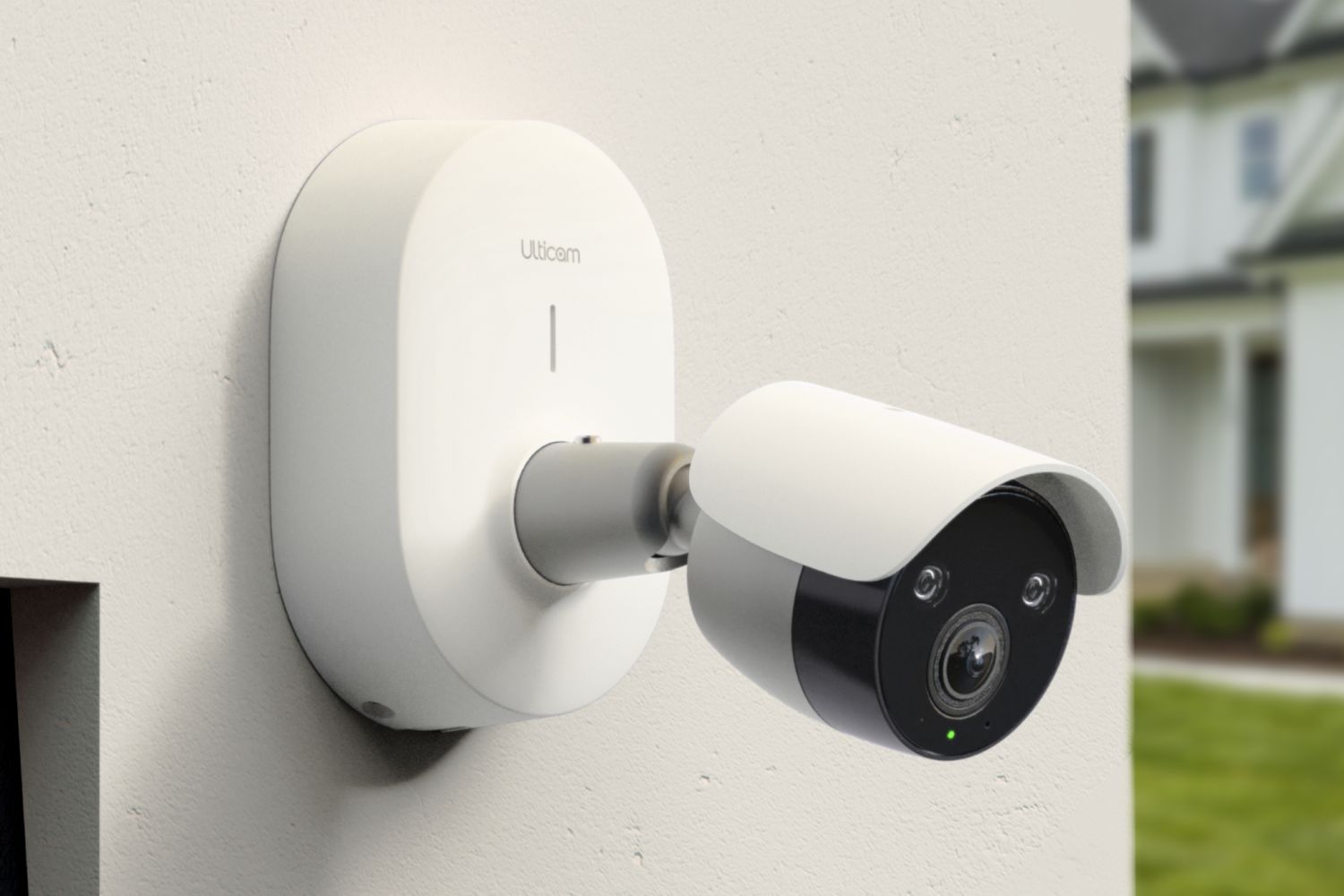
Smart thermostats, voice assistants, automated lights, robot vacuums, leak detectors, and security cameras can make life easier when used thoughtfully. A smart thermostat, for example, can help adjust heating and cooling based on your schedule, which may reduce wasted energy. Smart plugs can turn off devices that quietly drain power. Motion-sensor lights can stop the classic household mystery: “Who left the hallway light on for three business days?”
But modern does not mean overcomplicated. If a gadget requires three apps, two passwords, a firmware update, and emotional support, it may not be making life simpler. Choose technology that solves a real problem. Convenience should feel convenient.
Prioritize energy efficiency
Energy-efficient living is one of the most practical parts of a modern lifestyle. It can lower utility costs, reduce waste, and make your home more comfortable. Simple upgrades such as LED bulbs, smart power strips, proper insulation, efficient appliances, and programmable thermostats can make a noticeable difference over time.
Modern living also means paying attention to heating, cooling, and airflow. Keeping filters clean, sealing air leaks, using ceiling fans wisely, and letting natural light work for you can help your home feel better without constantly adjusting the thermostat like you are negotiating with a tiny wall-mounted dictator.
Create A Healthier Daily Routine
A modern lifestyle should support your body, not just your calendar. Health is not built by one heroic green smoothie or one dramatic Monday morning gym membership. It is built through repeatable habits that fit real life.
Move more during the day
Adults are commonly advised to aim for at least 150 minutes of moderate physical activity each week, along with muscle-strengthening activity on two days. That sounds official because it isbut it does not mean you need to become a marathon runner with expensive shoes and a suspiciously cheerful attitude at 5 a.m.
Walking, cycling, dancing, gardening, cleaning, taking the stairs, stretching, resistance training, and short movement breaks all count. The modern approach to fitness is flexible. Instead of asking, “How do I punish myself into shape?” ask, “How can I add more movement to a normal day?”
Sleep like it matters, because it does
Modern culture loves productivity, but no planner, app, or motivational mug can replace sleep. Most healthy adults need about seven to nine hours of sleep per night. A modern bedtime routine may include dimming lights, reducing late-night screen use, keeping the bedroom cool, and resisting the dangerous bedtime activity known as “just checking one thing.” That one thing often becomes forty-seven things and a video about raccoons opening kitchen cabinets.
Good sleep improves focus, mood, energy, and decision-making. In other words, sleep is not laziness. It is maintenance. Even your phone gets to recharge.
Eat with balance, not drama
Modern eating is not about chasing every diet trend that appears online wearing a lab coat. A balanced eating pattern usually includes vegetables, fruits, whole grains, lean proteins, healthy fats, and plenty of water. It also includes flexibility, because life occasionally requires birthday cake, pizza, or eating dinner over the sink while pretending that counts as fine dining.
A practical modern kitchen makes healthy choices easier. Keep simple staples on hand: eggs, beans, yogurt, oats, frozen vegetables, whole-grain bread, rice, fruit, nuts, and proteins you actually enjoy. Planning a few meals ahead can reduce stress, food waste, and the nightly question that has tested relationships for generations: “What do you want for dinner?”
Practice Digital Wellness
Technology is one of the biggest features of modern life, but it needs boundaries. Digital tools can help you learn, work, connect, organize, and create. They can also steal your attention one notification at a time, like tiny raccoons with Wi-Fi.
Use your phone as a tool, not a leash
Living in a modern way means managing your attention. Turn off nonessential notifications. Create screen-free meals. Keep your phone away from the bed if late-night scrolling damages your sleep. Use app limits if needed. A phone is useful, but it should not be the first face you see in the morning and the last glowing rectangle you gaze at before sleep.
Protect your privacy and security
Modern living also requires digital self-defense. Use strong, unique passwords or a trusted password manager. Enable multi-factor authentication when available. Keep software updated. Be careful with suspicious links, fake messages, and “urgent” requests that try to make you panic-click. If an email says you won a luxury yacht but you do not remember entering the International Yacht Giveaway of Destiny, pause.
Smart devices should also be secured. Change default passwords, update device software, and review privacy settings. Convenience is great, but not when your doorbell camera has weaker security than a screen door in a hurricane.
Work Smarter In A Flexible World
Modern work has changed dramatically. Remote work, hybrid schedules, freelancing, digital collaboration, and online learning are now normal parts of many professional lives. This flexibility can be wonderful, but it also blurs boundaries. When your office is ten steps from your couch, work can follow you around like a needy golden retriever.
Design your workday with boundaries
If you work from home, create a start and stop routine. That could mean taking a short walk before opening your laptop, using a specific desk, shutting down work apps at a set time, or changing clothes after work. Your brain likes signals. Give it a clear message: “We are working now” and “We are done now.”
Modern productivity is not about being available every second. It is about doing focused work, communicating clearly, and protecting your attention. Time-blocking, task batching, and short breaks can help. So can learning the sacred phrase: “I can take a look tomorrow.”
Upgrade your environment
A good modern workspace does not need to be fancy. It needs decent lighting, a comfortable chair, reliable internet, and a setup that does not make your neck feel like it filed a complaint. Raise your screen to eye level, keep essentials nearby, and reduce clutter. A better workspace can improve both comfort and focus.
Live More Sustainably Without Becoming Extreme
Sustainable living is a major part of modern living, but it does not require perfection. You do not need to grow all your food, weave your own curtains, or apologize to a plastic fork. Small, consistent changes matter.
Reduce, reuse, and choose better
Modern sustainability starts before the recycling bin. Buy what you need. Choose durable products. Repair items when reasonable. Donate things you no longer use. Repurpose containers, bags, and furniture. Reduce food waste by planning meals, storing food properly, and using leftovers creatively. Yesterday’s roasted vegetables can become today’s omelet, soup, bowl, or “I meant to do this” lunch.
Make your home healthier
Indoor air quality matters. Simple steps such as controlling moisture, ventilating when outdoor conditions are safe, using exhaust fans, changing HVAC filters, and reducing sources of indoor pollutants can make a home feel fresher and healthier. Modern living is not only about what you see. It is also about what you breathe.
Simplify Your Space And Your Schedule
One of the most underrated modern lifestyle upgrades is simplicity. A cluttered home, calendar, inbox, and mind can make life feel heavier than it needs to be. Minimalism does not mean owning one chair and a spoon. It means keeping what is useful, meaningful, or genuinely enjoyableand letting go of the rest.
Declutter by category
Start with one category: clothes, kitchen gadgets, cables, paperwork, beauty products, or the mysterious shelf where old batteries go to retire. Keep what you use and love. Donate or recycle what no longer serves you. The goal is not to create an empty home. The goal is to create a home where you can find scissors without launching a search-and-rescue operation.
Protect your calendar
Modern living requires time management, but not the kind that turns every minute into a spreadsheet. Leave white space in your schedule. Say no when something does not fit your priorities. Group errands. Automate bills. Create routines for cleaning, shopping, exercise, and rest. The less mental energy you spend on repetitive decisions, the more you have for the good stuff.
Build Stronger Real-Life Connections
Modern life is connected, but not always close. You can message someone across the world while barely knowing your neighbor. Social media can help relationships, but it cannot fully replace real conversation, shared meals, laughter, eye contact, or the ancient bonding ritual of complaining about traffic together.
Make connection intentional
Call a friend. Invite someone for coffee. Join a local class, club, volunteer group, gym, or community event. Eat dinner without screens sometimes. Send thoughtful messages that are not just memes, though memes are also a respected love language.
Modern living should make relationships easier, not shallower. The best technology supports connection; it does not replace it.
Manage Money In A Modern Way
Financial wellness is a huge part of living well today. A modern lifestyle is not about looking wealthy online. It is about having more control, fewer surprises, and less stress.
Use digital tools wisely
Budgeting apps, automatic savings, online banking alerts, subscription trackers, and digital investing platforms can help you understand where your money goes. The key is awareness. Review recurring subscriptions. Compare insurance and utility costs. Build an emergency fund if possible. Plan purchases instead of letting every sale email whisper, “You deserve this.”
Modern money management is simple in theory: spend intentionally, save consistently, avoid unnecessary debt, and invest in things that improve your life. In practice, it takes patience. But even small improvements can create more freedom over time.
Experiences Related To Living In A Modern Way
Living in a modern way becomes clearer when you look at everyday experiences. Imagine a regular weekday morning. Instead of waking up in a panic, you wake up after a decent night’s sleep because your phone was charging across the room, not glowing under your pillow like a tiny casino. Your coffee maker starts automatically, your thermostat has already adjusted, and your calendar shows only the things you intentionally accepted. This is not luxury. It is design.
One practical experience many people have is learning that convenience can become clutter. At first, every app seems helpful. One tracks sleep, one tracks spending, one tracks steps, one tracks groceries, and one apparently tracks whether you watered a plant named Kevin. After a while, modern life starts to feel like managing a small digital airport. The better approach is to choose a few tools that genuinely make life easier and delete the rest. A modern lifestyle should reduce noise, not add more beeping.
Another common experience is discovering that a healthier home changes your mood. A room with better light, cleaner air, fewer piles, and a comfortable chair can make daily life feel lighter. You may not notice the change dramatically at first, but you feel it when you walk in and your brain does not immediately say, “Wow, we live inside a to-do list.” Small home improvementsclearing a counter, adding a plant, fixing lighting, organizing cables, washing bedding, or creating a simple work cornercan have a surprisingly big emotional effect.
Modern living also teaches the value of boundaries. Many people love the flexibility of working from home until they realize they are answering messages at dinner, checking email in bed, and mentally attending meetings while brushing their teeth. A healthier experience comes from creating rituals: opening the laptop at a set time, taking lunch away from the screen, and shutting down work at the end of the day. Boundaries do not make you less responsible. They make your energy sustainable.
There is also a learning curve with sustainable choices. You might begin by recycling, then realize reducing waste starts with buying less. You may start planning meals and suddenly discover that fewer groceries are turning into science experiments in the back of the fridge. You may switch to reusable bags, repair something instead of replacing it, or choose an energy-efficient appliance when the old one retires with a dramatic final beep. None of these changes are glamorous, but they are powerful because they become habits.
Perhaps the most meaningful experience is realizing that modern living is not about speed. It is about alignment. The best modern life gives you more time for what matters: health, family, creativity, learning, rest, community, and joy. Sometimes that means using technology. Sometimes it means turning technology off. Sometimes it means buying a smart device. Sometimes it means taking a walk with no device at all and remembering that clouds have been offering free content for centuries.
Living in a modern way is a continuous experiment. You test what works, drop what does not, and keep refining. The goal is not to become perfectly optimized. The goal is to feel more present, capable, and at home in your own life. And if your smart fridge helps with that, wonderful. Just make sure it does not start judging your midnight snacks.
Conclusion
Living in a modern way is about using the best parts of today’s world while protecting the most important parts of being human. Technology, flexibility, sustainability, wellness, and smart design can improve daily life when they serve clear priorities. The secret is balance. Choose tools that simplify your routine. Build habits that support your health. Protect your attention. Keep your home comfortable and efficient. Stay connected to real people. Spend money with intention. Rest without guilt.
A modern lifestyle is not a perfect aesthetic or a shopping list. It is a thoughtful way of living. It helps you move through the world with more ease, less waste, and a better sense of control. And that may be the most modern thing of all: designing a life that actually feels good to live.
Note: This article is written as clean, publication-ready HTML body content with no source links, citation placeholders, or unnecessary external elements.