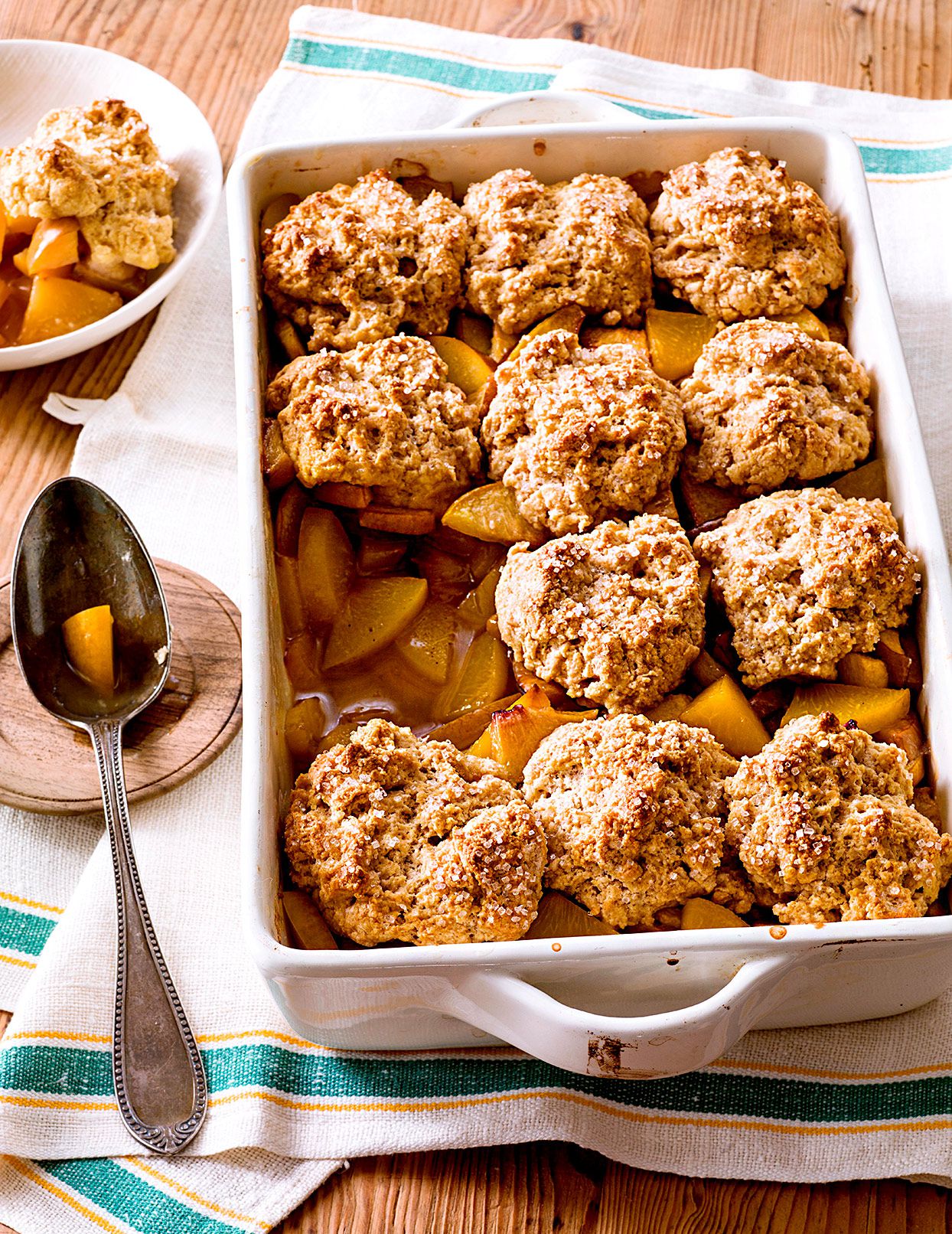
There are desserts that try very hard to be fancy, and then there is peach cobbler: warm, golden, bubbling at the edges, and perfectly happy to show up in a plain baking dish like it owns the kitchen. A classic peach cobbler recipe does not need complicated pastry skills, rare ingredients, or a mixer that sounds like a small airplane. It needs ripe peaches, a buttery topping, a little patience, and ideally someone nearby who understands that “just one spoonful” is a legally flexible phrase.
This homemade peach cobbler is the kind of dessert that feels like summer even when you make it with frozen or canned peaches in the middle of February. The filling is juicy and bright, lightly sweetened so the peaches remain the star. The topping is soft underneath, golden on top, and just crisp enough around the edges to make everyone fight politely for the corner pieces.
Below, you will find a reliable, old-fashioned peach cobbler recipe with clear steps, smart substitutions, baking tips, serving ideas, and troubleshooting notes. Whether you are baking for a family dinner, a holiday table, a backyard cookout, or a Tuesday night that needs emotional support in dessert form, this recipe delivers comfort by the spoonful.
What Makes a Peach Cobbler “Classic”?
A classic peach cobbler usually has two main parts: a sweet peach filling and a biscuit-like or cake-like topping. Unlike peach pie, cobbler does not require rolling dough, crimping crust, or whispering encouraging words to pastry. It is rustic by design. The topping is dropped, poured, or spooned over the fruit, then baked until the peaches bubble and the top turns golden brown.
There are many beloved versions across the United States, especially in the South. Some recipes use a batter that rises around the peaches. Others use a biscuit topping placed over the fruit. This recipe leans into the best of both worlds: a juicy peach base with a tender, buttery topping that tastes homemade without making you clear your entire afternoon.
Classic Peach Cobbler Ingredients
The beauty of this easy peach cobbler is that the ingredient list is simple. Each item has a job, and none of them require a scavenger hunt through specialty grocery aisles.
For the Peach Filling
- 6 cups sliced peaches: Fresh peaches are wonderful when in season, but frozen or canned peaches can also work.
- 1/2 cup granulated sugar: Sweetens the fruit without turning it into candy.
- 1/4 cup light brown sugar: Adds a warm caramel note.
- 1 tablespoon lemon juice: Brightens the filling and balances sweetness.
- 2 tablespoons cornstarch: Helps thicken the peach juices into a glossy sauce.
- 1 teaspoon vanilla extract: Rounds out the flavor.
- 1 teaspoon ground cinnamon: Adds cozy warmth.
- 1/8 teaspoon ground nutmeg: Optional, but excellent in small amounts.
- 1/4 teaspoon salt: Makes the peaches taste more peachy. Salt is sneaky like that.
For the Cobbler Topping
- 1 1/2 cups all-purpose flour: The base of the topping.
- 1/2 cup granulated sugar: Sweetens the dough.
- 2 teaspoons baking powder: Helps the topping rise.
- 1/2 teaspoon salt: Balances the sweetness.
- 1/2 cup unsalted butter, cold and cubed: Creates richness and tender texture.
- 3/4 cup buttermilk: Adds moisture and a light tang. Regular milk works in a pinch.
- 1 teaspoon vanilla extract: Gives the topping a bakery-style aroma.
- 1 tablespoon coarse sugar: Optional, for a lightly crunchy top.
How to Make Classic Peach Cobbler
Step 1: Prepare the Oven and Baking Dish
Preheat your oven to 375°F. Lightly grease a 9-by-13-inch baking dish with butter or nonstick spray. A ceramic or glass baking dish works beautifully because it holds heat well and lets the fruit bubble gently.
Step 2: Make the Peach Filling
In a large bowl, combine the sliced peaches, granulated sugar, brown sugar, lemon juice, cornstarch, vanilla extract, cinnamon, nutmeg, and salt. Toss everything together until the peaches are evenly coated. Let the mixture sit for 10 minutes. This short rest allows the peaches to release some juice and helps the sugar dissolve.
If your peaches are extremely juicy, add one extra teaspoon of cornstarch. If they are firm or slightly tart, add one extra tablespoon of sugar. Peach cobbler is forgiving, but peaches have personalities. Some are sweet angels; others need a little coaching.
Step 3: Transfer the Filling
Pour the peach mixture into the prepared baking dish. Spread it into an even layer so the topping bakes evenly. The filling may look juicy already, and that is a good sign. Those juices will thicken as the cobbler bakes.
Step 4: Mix the Dry Ingredients
In a medium bowl, whisk together the flour, sugar, baking powder, and salt. Whisking helps distribute the leavening so your topping rises evenly instead of creating surprise baking powder pockets. Nobody wants a bitter little volcano in dessert.
Step 5: Cut in the Butter
Add the cold cubed butter to the flour mixture. Use a pastry cutter, fork, or your fingertips to work the butter into the dry ingredients until the mixture resembles coarse crumbs. Small pea-sized bits of butter are perfect. These pieces melt in the oven and help create a tender, slightly flaky topping.
Step 6: Add the Buttermilk
Stir the vanilla extract into the buttermilk, then pour it into the flour mixture. Gently stir until just combined. The dough should be soft and slightly sticky. Do not overmix it. Overmixing can make the topping tough, and peach cobbler should never feel like homework.
Step 7: Add the Topping
Drop spoonfuls of the topping over the peaches. Leave a few small gaps so steam can escape and the peach filling can bubble up around the dough. This creates that beautiful cobbler look: golden islands of topping floating in a sea of peachy goodness.
Step 8: Bake Until Golden and Bubbling
Sprinkle coarse sugar over the topping if using. Bake for 40 to 45 minutes, or until the topping is golden brown and the filling is bubbling around the edges. If the top browns too quickly, loosely cover the dish with foil during the last 10 minutes.
Step 9: Let It Rest
Allow the cobbler to cool for at least 15 to 20 minutes before serving. This gives the filling time to thicken. It will still be warm and saucy, but it will not run across the plate like it is escaping responsibility.
Fresh, Frozen, or Canned Peaches: Which Is Best?
Fresh peaches are ideal when they are ripe, fragrant, and in season. Look for peaches that give slightly when pressed and smell sweet near the stem. Avoid peaches that are rock-hard, bruised, or wrinkled.
Frozen peaches are a great year-round option. Use them directly from frozen or thaw and drain them if they release a lot of liquid. Frozen peaches are usually picked at peak ripeness, so they can taste surprisingly bright in baked desserts.
Canned peaches can also make a delicious cobbler, especially when you want something quick and dependable. Drain them well if they are packed in syrup. If using canned peaches, reduce the granulated sugar in the filling by 2 to 3 tablespoons to avoid an overly sweet dessert.
Do You Have to Peel Peaches for Cobbler?
No, you do not have to peel peaches for cobbler. Peach skins soften during baking and add color, texture, and flavor. That said, some people prefer a smoother filling. If you want to peel them, cut a small X at the bottom of each peach, blanch them in boiling water for about 30 seconds, then transfer them to ice water. The skins should slip off easily.
If your peaches are very ripe, peeling can get messy fast. At that point, you may decide the skins are “rustic charm” and move on with your life. This is a perfectly valid culinary decision.
Tips for the Best Homemade Peach Cobbler
Use Ripe but Firm Peaches
Overripe peaches can become mushy and watery in the oven. Slightly firm ripe peaches hold their shape better and give the filling a more pleasant texture.
Do Not Skip the Lemon Juice
Lemon juice does not make the cobbler taste lemony. It sharpens the peach flavor and keeps the filling from tasting flat. Think of it as turning up the volume on the fruit.
Keep the Butter Cold
Cold butter is key for a tender topping. If the butter melts before baking, the topping may become dense instead of light and fluffy.
Let the Cobbler Rest Before Serving
Freshly baked peach cobbler smells so good that waiting feels unfair. Still, resting helps the filling thicken and makes serving easier. Use the waiting time to locate the vanilla ice cream. This is not optional in spirit, even if it is optional in writing.
Serving Suggestions
Classic peach cobbler is best served warm. A scoop of vanilla ice cream is the traditional partner because the cold cream melts into the warm peach filling. Whipped cream is another excellent choice. For a lighter option, serve it with plain Greek yogurt or a spoonful of lightly sweetened mascarpone.
You can also add toasted pecans or almonds for crunch. If serving cobbler at a summer gathering, place it on the table with a large spoon and let guests help themselves. Cobbler is not a dessert that wants tweezers, towers, or tiny decorative dots of sauce. It wants generosity.
Flavor Variations
Southern Peach Cobbler Style
For a more Southern-style peach cobbler, melt 1/2 cup butter in the baking dish before adding a pourable batter and peaches. The batter rises around the fruit as it bakes, creating a soft, cake-like texture with buttery edges.
Peach Blueberry Cobbler
Add 1 cup fresh or frozen blueberries to the peach filling. Blueberries bring color and a slight tartness that pairs beautifully with peaches.
Bourbon Peach Cobbler
Add 1 to 2 tablespoons of bourbon to the filling for a warm, caramel-like depth. The alcohol bakes off, leaving a subtle flavor that feels grown-up without being fussy.
Ginger Peach Cobbler
Add 1/2 teaspoon ground ginger or 1 tablespoon finely chopped crystallized ginger to the filling. Ginger gives the cobbler a gentle zing that works especially well with sweet peaches.
How to Store and Reheat Peach Cobbler
Cover leftover peach cobbler and store it in the refrigerator for up to 4 days. The topping will soften over time, but the flavor remains delicious. To reheat, warm individual portions in the microwave for 30 to 45 seconds. For a crisper topping, reheat the cobbler in a 350°F oven for 15 to 20 minutes.
You can freeze peach cobbler, although the topping may become softer after thawing. For best results, freeze baked cobbler in an airtight container for up to 3 months. Thaw overnight in the refrigerator, then reheat in the oven until warmed through.
Common Peach Cobbler Problems and How to Fix Them
Why Is My Cobbler Runny?
A runny cobbler usually needs more thickener or more cooling time. Make sure to use cornstarch in the filling and let the cobbler rest after baking. If your peaches are extra juicy, increase the cornstarch slightly.
Why Is My Topping Doughy?
Doughy topping can happen if the cobbler is underbaked or if the topping is spread too thickly. Drop the topping in spoonfuls instead of sealing the entire surface. This allows steam to escape and helps the dough bake through.
Why Is My Cobbler Too Sweet?
Peaches vary in sweetness. If your fruit is very ripe or if you are using canned peaches in syrup, reduce the sugar. A little lemon juice and salt also help balance sweetness.
Why Did the Topping Turn Tough?
The topping may have been overmixed. Stir the dough only until it comes together. A few lumps are fine. In fact, lumps are part of the cobbler lifestyle.
Why This Classic Peach Cobbler Recipe Works
This recipe succeeds because it balances fruit, sweetness, texture, and ease. The peach filling is thick enough to spoon but still juicy. The lemon juice keeps the flavor lively, while cinnamon and vanilla add warmth without overpowering the fruit. The topping is simple, buttery, and tender, with enough structure to hold its shape while soaking up some of the peach juices underneath.
It is also flexible. You can make it with fresh peaches in July, frozen peaches in January, or canned peaches when your pantry is doing the best it can. You can dress it up with bourbon or keep it simple for kids. You can serve it after barbecue, Sunday dinner, or a quiet meal at home. That is the magic of a classic dessert: it adapts without losing its soul.
Experience Notes: What Making Classic Peach Cobbler Teaches You
Making classic peach cobbler is one of those kitchen experiences that reminds you cooking does not always have to be precise to be wonderful. Yes, measurements matter, and yes, baking powder should not be guessed with wild confidence. But cobbler has a relaxed personality. It gives you room to learn, adjust, and still end up with something that smells like a standing ovation.
The first thing you notice is how important the peaches are. When you slice ripe peaches, the kitchen instantly smells sweeter. If the fruit is juicy, your cutting board may look like it has been through a very cheerful flood. This is a good sign. However, you also learn that more juice is not always better. Too much liquid can make the filling thin, which is why cornstarch is such a quiet hero in this recipe. It does not call attention to itself, but it keeps the cobbler from becoming peach soup with a hat.
You also learn the value of restraint. It is tempting to add every warm spice in the cabinet: cinnamon, nutmeg, ginger, cloves, maybe a mysterious jar you bought three holidays ago. But classic peach cobbler tastes best when the peaches remain the main event. A little cinnamon and vanilla are enough. Nutmeg should be used like a polite guest, not someone who takes over the conversation.
The topping teaches another useful lesson: do not overwork dough. Many new bakers want to mix until everything is perfectly smooth, but cobbler topping is better when handled gently. The dough should look slightly shaggy before it goes into the oven. That rough texture bakes into a tender, golden topping with crisp edges and soft centers. It is proof that imperfect-looking food can be deeply satisfying.
One of the best moments comes about halfway through baking, when the peach filling begins bubbling up between the topping. That is when the dessert starts looking like cobbler instead of separate ingredients. The butter melts, the fruit thickens, the top browns, and the kitchen fills with the kind of smell that makes people wander in and ask questions they already know the answer to, such as, “Is that dessert?”
Serving peach cobbler is also part of the experience. It is not a neat dessert, and that is part of its charm. The first scoop may collapse a little. Peach juices may run into the ice cream. The topping may break into golden pieces. None of this is failure. In fact, that messy spoonful is exactly what makes cobbler feel homemade. It does not need to look like it came from a restaurant. It needs to taste like someone cared enough to bake fruit under a blanket of butter and sugar.
After making this recipe a few times, you start to develop instincts. You can tell when peaches need more lemon juice, when the topping needs another splash of buttermilk, and when the cobbler is ready because the edges are bubbling like tiny fruit volcanoes. That confidence is one of the nicest rewards of baking. Peach cobbler becomes less of a recipe and more of a familiar rhythm: slice, toss, stir, drop, bake, rest, serve, repeat.
And finally, you learn that classic peach cobbler has a special way of bringing people together. It is the dessert people remember from grandparents, church suppers, summer cookouts, family reunions, and weeknight dinners where dessert was absolutely not planned but somehow became necessary. It is humble, generous, and nearly impossible to dislike. In a world full of complicated food trends, peach cobbler remains refreshingly honest. It says, “Here are peaches. Here is butter. Things are about to improve.”
Conclusion
A classic peach cobbler recipe is more than a simple fruit dessert. It is a warm, comforting, crowd-pleasing dish that turns basic ingredients into something memorable. With sweet peaches, a tender golden topping, and just the right touch of cinnamon, vanilla, and lemon juice, this homemade peach cobbler is easy enough for beginners and satisfying enough for experienced bakers.
Use fresh peaches when they are at their summer best, or rely on frozen or canned peaches when convenience wins. Serve it warm with vanilla ice cream, share it with people you like, and keep the corner piece for yourself if you were the one who baked it. That is not selfish. That is kitchen justice.
Note: This article is written as original, web-ready content in standard American English and is designed for SEO readability, user experience, and practical recipe value.