Note: This article is for educational purposes and is based on widely accepted relationship research and clinical communication principles. It is not a replacement for licensed couples therapy, mental health care, or safety support in harmful relationships.
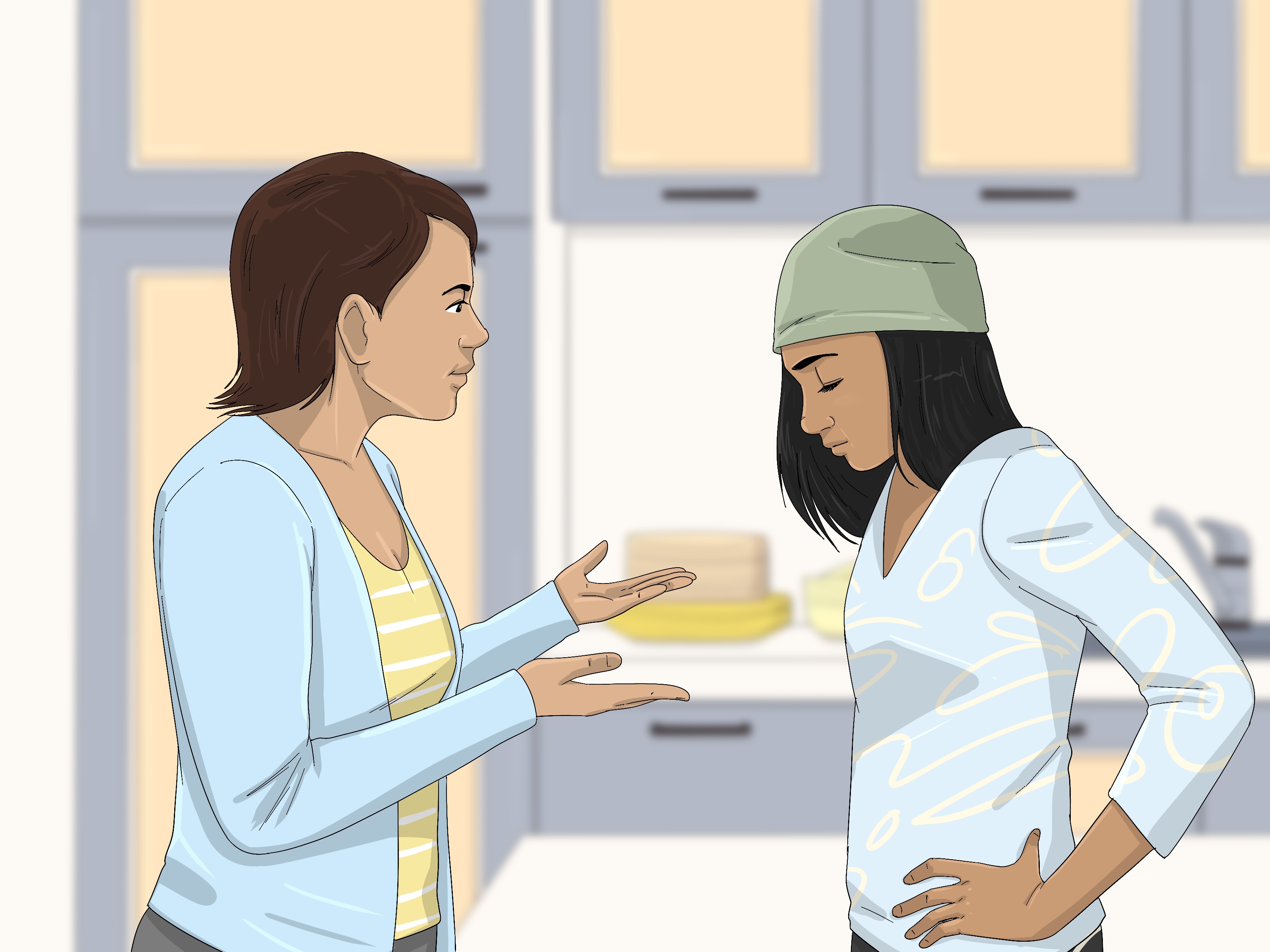
Every couple has a greatest-hits album of arguments. Track one: “You never listen.” Track two: “That is not what I said.” Bonus remix: “Fine, do whatever you want,” performed with the emotional warmth of a frozen waffle. The problem is not that couples fight. Healthy, loving, perfectly normal couples fight. The real issue is what happens after the spark lands on the carpet. Do partners stomp it out together, or does one person bring gasoline and the other bring receipts from 2017?
The new tactic for troubled couples is surprisingly simple: accept before you attack, repair before you resolve, and turn conflict into a shared project instead of a courtroom drama. In other words, the goal is not to “win” the argument. The goal is to protect the relationship while handling the problem. That might sound soft, but it is actually a very practical relationship strategy. Couples who learn to pause, name the pattern, validate the emotion, and make small repair attempts often stop arguments from becoming emotional demolition projects.
This approach draws from research-backed ideas used in couples therapy, including repair attempts, emotionally focused communication, integrative behavioral couple therapy, active listening, healthy boundaries, and conflict de-escalation. It is not magic. It will not make your partner suddenly enjoy loading the dishwasher correctly. But it can help both people stop treating disagreement as proof that the relationship is doomed.
What Makes This Tactic Different?
Traditional relationship advice often tells couples to “communicate better.” That is true, but it is also about as helpful as telling someone with a flat tire to “drive better.” Troubled couples usually do not need more talking. They need a better structure for what happens when talking becomes blaming, defending, shutting down, or emotional ping-pong.
The new tactic is built around one main shift: the couple stops asking, “Who is right?” and starts asking, “What is happening between us right now?” That one question changes the whole room. Instead of Partner A trying to prove Partner B is selfish, lazy, cold, dramatic, or allergic to common sense, both partners look at the conflict cycle as the problem.
For example, one partner may push for answers when they feel ignored. The other may withdraw because they feel criticized. The more one pushes, the more the other retreats. The more one retreats, the more the other panics and pushes harder. Congratulations, the relationship has invented a treadmill that runs on hurt feelings.
The new tactic says: name the treadmill. Then step off it together.
The Core Formula: Pause, Accept, Repair, Redirect
The most useful version of this strategy can be remembered as PARR: Pause, Accept, Repair, Redirect. It is short enough to remember during conflict, which matters because nobody wants a 47-step emotional flowchart while arguing about money, chores, parenting, or why someone “liked” a mysterious gym selfie.
1. Pause Before the Argument Becomes a Tornado
When couples are emotionally flooded, the brain is not exactly hosting a peace summit. Heart rate rises, defensive thinking takes over, and every sentence starts sounding like evidence in a trial. A pause gives both people a chance to calm their nervous systems before the conversation turns into a verbal furniture sale: everything must go.
A helpful pause is not storming out, disappearing, or using silence as punishment. It sounds more like: “I want to keep talking, but I am getting too upset to do this well. Can we take 20 minutes and come back?” The key is to promise a return. Without that, a pause can feel like abandonment. With it, the pause becomes a bridge.
2. Accept the Emotional Reality, Even If You Disagree With the Story
Acceptance does not mean surrendering your opinion, approving bad behavior, or pretending everything is fine. It means recognizing that your partner’s emotional experience is real to them. You can disagree with their interpretation while still caring about their feelings.
For example, instead of saying, “You are overreacting,” try: “I can see why that felt dismissive to you.” Instead of, “That is ridiculous,” try: “I did not mean it that way, but I understand it landed badly.” This tiny change can prevent a disagreement from mutating into a debate over whether one person is allowed to feel what they feel. Spoiler: they are.
Acceptance is powerful because many fights are not really about the surface issue. The dirty dishes are sometimes about feeling unsupported. The late reply is sometimes about feeling unimportant. The budget argument is sometimes about fear, trust, or security. When partners accept the emotion underneath the complaint, the problem becomes easier to discuss.
3. Repair Early, Not After Three Days of Frosty Eye Contact
Repair attempts are small actions or words that stop negativity from escalating. They can be serious, gentle, practical, or even playful. A repair attempt might be: “Can I say that again more kindly?” or “I am on your side; I just got defensive.” It might be reaching for your partner’s hand, lowering your voice, or saying, “This is going badly, and I do not want us to hurt each other.”
Couples often wait too long to repair. They let the argument grow horns, learn to fly, and terrorize the village. The better move is to repair when the conflict is still small. Think of it as emotional maintenance. You would not wait until your car engine explodes before checking the oil, unless your life philosophy is “surprise and regret.”
4. Redirect Toward One Solvable Next Step
After pausing, accepting, and repairing, troubled couples need a practical redirect. This means moving from blame to a clear, specific next step. Avoid giant statements like, “You need to be more considerate.” That may be true, but it is too vague to use. Instead, say: “Can we agree that when plans change, we text each other before 6 p.m.?”
Good redirects are specific, realistic, and mutual. They do not require a personality transplant. They answer: What can we do differently next time?
Why Troubled Couples Get Stuck
Troubled couples are not always couples who lack love. Often, they are couples with love buried under repeated injuries, misunderstood intentions, and habits that once protected them but now hurt the relationship.
One partner may criticize because they are desperate for connection. Another may shut down because conflict feels unsafe. One may over-explain to avoid being misunderstood. Another may get sarcastic because vulnerability feels too risky. These patterns create the famous four troublemakers of relationship conflict: criticism, defensiveness, contempt, and stonewalling.
Criticism attacks the person instead of the problem. Defensiveness turns every concern into a counterattack. Contempt adds superiority, mockery, or disgust. Stonewalling shuts the door completely. Once these patterns dominate, the couple may spend more energy surviving each conversation than actually understanding each other.
The new tactic works because it targets the cycle, not the character of either partner. Instead of saying, “You are impossible,” it says, “We are caught in our loop again.” That sentence alone can lower the emotional temperature.
How to Use the New Tactic During a Real Fight
Imagine a couple, Mia and Jordan, fighting about housework. Mia says, “I do everything around here.” Jordan replies, “That is not true. You always exaggerate.” Mia gets louder. Jordan checks out. Within minutes, the laundry is no longer about laundry. It has become a documentary series about every disappointment in the relationship.
Using the new tactic, Mia might pause and say, “I am getting angry because I feel alone in this. I do not want to attack you.” Jordan might accept the emotion by saying, “I can see that you feel overwhelmed. I do help, but I understand it has not felt equal to you.” That does not solve the chores yet, but it repairs the emotional crack.
Then they redirect: “Let’s make a list of weekly tasks and divide them clearly.” This is much better than continuing with, “You never do anything,” and “Well, you never notice what I do,” which is the relationship equivalent of two people throwing spaghetti at a ceiling fan.
The “Two Truths” Exercise
One of the best tools for troubled couples is the Two Truths Exercise. Each partner names one truth about their own experience and one generous truth about the other person.
For example:
- “My truth is that I felt ignored when you looked at your phone during dinner.”
- “A generous truth is that you were probably exhausted, not trying to hurt me.”
Or:
- “My truth is that I feel criticized when you remind me about money.”
- “A generous truth is that you are trying to protect our future, not control me.”
This exercise helps couples hold complexity. In struggling relationships, partners often flatten each other into villains. The Two Truths Exercise restores dimension. It says, “I can be hurt and still see your humanity.” That is a mature relationship skill, and yes, it is harder than assembling furniture with missing screws.
Acceptance Is Not Letting Everything Slide
Some people hear “acceptance” and worry it means tolerating neglect, disrespect, dishonesty, or harmful behavior. That is not the goal. Healthy acceptance is not passivity. It is clear-eyed compassion.
Acceptance says, “I understand this pattern has roots.” Boundaries say, “And we still need to change how it shows up.” A partner may have grown up in a family where nobody discussed feelings. That history deserves compassion. But it does not mean the other partner must live forever with silence, avoidance, or emotional guesswork.
The strongest couples combine warmth with limits. They can say, “I love you and I need us to speak respectfully.” They can say, “I understand you shut down when overwhelmed, and I need us to agree on when we will return to the conversation.” Acceptance opens the door. Boundaries keep the house from catching fire.
When Repair Works Best
Repair works best when both partners agree that the relationship matters more than the argument. This does not mean avoiding hard topics. It means handling hard topics with less emotional vandalism.
Useful repair phrases include:
- “I am sorry. That came out sharper than I meant.”
- “Can we restart this conversation?”
- “I hear you. I am trying not to get defensive.”
- “We are on the same team, even though we disagree.”
- “I need a short break, but I will come back.”
- “That is a fair point.”
- “I care more about us than being right.”
These phrases may sound small, but small is the point. Troubled couples often look for a grand breakthrough, when what they need first is a tiny interruption in the old pattern. A single kind sentence can become a speed bump before the cliff.
How Couples Can Practice This Tactic Weekly
The best time to practice relationship repair is not during the emotional equivalent of a kitchen fire. Couples should rehearse when they are calm. A weekly 20-minute check-in can help.
Try this structure:
Start With Appreciation
Each partner names one thing they appreciated that week. It can be simple: “Thanks for making coffee,” “I liked when you texted me good luck,” or “You handled that stressful errand like a champion with a grocery cart.” Appreciation reminds the couple that the relationship is not only a complaint department.
Name One Stress Point
Each partner names one issue without blame. Use “I” language: “I felt overwhelmed by the schedule,” instead of “You made the week chaotic.” The goal is to report the weather, not sue the meteorologist.
Ask for One Specific Change
A request should be doable. “Help more” is vague. “Can you handle dinner on Tuesdays and Thursdays?” is clear. Clarity lowers resentment because nobody has to become a mind reader, which is excellent because most people are terrible at it.
End With a Repair Ritual
End the check-in with a hug, a short walk, a shared snack, or a sentence like, “Thank you for talking about this with me.” The ritual teaches the brain that difficult conversations do not have to end in distance.
When Couples Therapy Is the Smarter Move
Self-help tactics can be useful, but some relationship patterns need professional support. Couples therapy may help when arguments repeat without resolution, emotional distance grows, trust has been damaged, communication breaks down quickly, or one or both partners feel hopeless about the relationship.
A trained therapist can help couples slow down the conflict cycle, identify hidden emotions, practice safer communication, and rebuild connection. Therapy is not only for couples standing at the edge of separation. Many couples use it as relationship maintenance, like going to the gym before your back files a formal complaint.
However, this tactic is not meant for situations involving fear, coercion, ongoing emotional harm, or physical danger. In those cases, safety comes first. A person who feels unsafe should reach out to a trusted person or qualified professional and make a safety plan.
Common Mistakes to Avoid
Using “Repair” as a Shortcut Around Accountability
A repair attempt is not a magic eraser. Saying “Can we move on?” after hurting someone is not repair if there is no ownership. Real repair includes responsibility: “I see how I hurt you, and I want to do better.”
Turning Validation Into Agreement
Some partners resist validation because they think it means admitting guilt. It does not. You can validate a feeling without agreeing with every detail. “I understand why you felt left out” is not the same as “I am a monster who ruined brunch.”
Taking Breaks Without Returning
A timeout only works if both people know when the conversation will continue. Otherwise, the break becomes avoidance. Try: “Let’s pause for 30 minutes and talk again at 8:00.”
Expecting One Conversation to Fix a Long Pattern
Relationship change is repetition. One good talk is a beginning, not a full renovation. Troubled couples become stronger by practicing new responses many times, especially after imperfect attempts.
Experience-Based Reflections: What This Looks Like in Real Life
In real relationships, the new tactic for troubled couples rarely arrives like a movie scene with soft lighting and a perfect apology. It usually begins awkwardly. One person tries a new phrase and sounds like they are reading from a therapy brochure. The other person may blink suspiciously, as if kindness is a trap. That is normal. New habits often feel fake before they feel natural.
One common experience couples describe is the shock of realizing that their partner is not always trying to hurt them. For years, a late reply might have meant “You do not care about me.” A forgotten errand might have meant “I am not important.” A tired tone might have meant “You are rejecting me.” When couples practice acceptance before attack, they start asking, “What else could be true?” Maybe the late reply came during a packed workday. Maybe the forgotten errand was stress, not disrespect. Maybe the tired tone was exhaustion, not contempt. This does not excuse everything, but it softens the story enough to make conversation possible.
Another real-life lesson is that repair often works better when it matches the couple’s personality. Some couples need direct words: “I am sorry, I got defensive.” Others respond to gentle humor: “I think our argument just put on a cape and became a villain.” Some need physical reassurance, like sitting nearby or holding hands. Others need space first, then words. The best repair ritual is not the fanciest one. It is the one both people can actually use when emotions are high.
Couples also learn that timing matters. Trying to solve a sensitive issue at midnight, while hungry, exhausted, and surrounded by unfolded laundry, is not bravery. It is chaos with pajamas. Many partners make better progress when they schedule difficult conversations for a calm time. That may sound unromantic, but so is yelling next to a dishwasher. A planned conversation gives both people a chance to show up with more patience and fewer emotional weapons.
Perhaps the most important experience is discovering that repair builds trust in small layers. Trust is not rebuilt only through dramatic promises. It grows when one partner says, “I will come back after my break,” and actually comes back. It grows when someone says, “I will not mock you during conflict,” and keeps that promise. It grows when both people stop collecting evidence and start collecting moments of effort.
The tactic is not perfect. Some days, one partner will forget everything and go straight into defense mode. Another day, the other partner will use the right words with the wrong tone, which is basically emotional decaf: technically there, but not fully satisfying. The point is not flawless communication. The point is quicker recovery. Healthy couples are not couples who never rupture. They are couples who learn how to return.
Over time, this creates a different relationship culture. Instead of fearing every disagreement, partners begin to trust that conflict can be handled. They stop seeing each complaint as a threat and start seeing it as information. They become less interested in winning and more interested in understanding. That is when the relationship starts to feel safer, not because problems disappear, but because both people know they can face problems without turning each other into enemies.
Conclusion: The Real New Tactic Is Teamwork
The new tactic for troubled couples is not a trendy trick or a one-night miracle. It is a disciplined shift from attack to acceptance, from escalation to repair, and from “me versus you” to “us versus the pattern.” It asks both partners to slow down, listen deeper, and protect the bond while addressing the issue.
Couples do not need perfect communication to become healthier. They need enough humility to pause, enough compassion to validate, enough courage to apologize, and enough structure to try again. Love may start with chemistry, but lasting love often survives because two imperfect people learn the fine art of not making every disagreement a disaster movie.
So the next time conflict begins, try a different move. Pause. Accept the emotion. Repair early. Redirect toward one clear step. It may feel small, but small changes repeated consistently can turn a troubled relationship into a more secure, honest, and connected partnership. And honestly, that is a much better plot twist than another episode of “Who Left the Dishes in the Sink?”