Growing curry leaves at home is one of those gardening projects that feels slightly magical. One day you are buying a tiny bunch of leaves from the grocery store, guarding it like treasure. A few months later, you are walking to your own sunny window, snipping fragrant leaves from a small tree, and feeling like the hero of dinner. The curry leaf plant, also called the curry leaf tree, is a tropical herb tree loved for its glossy green leaves and unmistakable citrusy, nutty, savory aroma.
Before we go any further, let’s clear up the biggest kitchen-garden misunderstanding: curry leaves do not come from curry powder. Curry powder is a spice blend. Curry leaves come from Bergera koenigii, formerly listed as Murraya koenigii, a small tree in the citrus family. The leaves are widely used in South Indian, Sri Lankan, Malaysian, and other South Asian cooking, especially when bloomed in hot oil to release their flavor. If your soup, dal, chutney, or stir-fry has ever tasted mysteriously “restaurant-level,” curry leaves may have been the tiny green genius responsible.
The good news: you can grow curry leaves in the United States, especially in warm regions or in containers that move indoors during cold weather. The not-so-good news: curry leaf plants are tropical divas. They love warmth, bright light, well-draining soil, and consistent care. They dislike frost, soggy roots, dark corners, and being treated like a forgotten gym membership. Follow the 13 steps below, and your plant has a much better chance of becoming a leafy, fragrant, long-term kitchen companion.
What Is a Curry Leaf Plant?
The curry leaf plant is a small evergreen tree or shrub native to parts of South Asia. In ideal tropical conditions, it can grow into a small tree, but in home gardens and containers it usually stays more manageable. Many gardeners grow it in pots so it can be moved indoors when temperatures drop. Its leaves grow in pairs along slender stems, and the plant may produce small white flowers followed by dark berries when mature. The leaves are the prize, not the fruit.
Fresh curry leaves have a bold fragrance that is difficult to replace. Dried curry leaves are useful, but fresh leaves are far more aromatic. That is why growing your own plant is worth the effort. A healthy curry leaf plant gives you fresher flavor, fewer grocery-store emergencies, and the quiet satisfaction of saying, “Oh, I just picked these,” while everyone else wonders when you became a botanical wizard.
How to Grow Curry Leaves: 13 Steps
Step 1: Choose the Right Variety
Start by choosing a curry leaf plant that fits your space and climate. The standard curry leaf plant grows faster and can become fairly large in warm areas. Dwarf varieties stay smaller and are easier to manage in containers. Gamthi curry leaf is known for thicker, very aromatic leaves and a slower growth habit, making it a favorite for patient gardeners with limited space.
If you live in USDA Zones 9 to 12, you may be able to grow curry leaves outdoors year-round with protection from cold snaps. In colder climates, treat the plant like a patio tropical: outdoors in warm months, indoors before chilly weather arrives. A container plant gives you flexibility, and flexibility is the secret sauce for keeping tropical herbs alive outside the tropics.
Step 2: Start with a Healthy Plant or Fresh Seeds
The easiest way to grow curry leaves is to buy a healthy young plant from a reputable nursery. Look for deep green leaves, firm stems, and no sticky residue, webbing, scale bumps, or yellowing patches. Avoid plants that look stressed, root-bound, or suspiciously crispy. Crispy is great for snacks, not for curry leaf seedlings.
You can grow curry leaf from seed, but freshness matters. Curry leaf seeds lose viability quickly, so fresh seeds from ripe, dark berries are best. Remove the outer pulp or husk before planting. Sow seeds in a warm, moist, well-draining seed-starting mix. Keep the mix damp, not wet, and place the container somewhere warm. Germination can be slow and uneven, so do not panic if your seeds take their sweet time.
Step 3: Pick a Pot with Excellent Drainage
If you grow curry leaves in a container, drainage is non-negotiable. Choose a pot with several drainage holes. A 10- to 12-inch pot is suitable for a young plant, while older plants may need a larger container as they mature. Terracotta pots are helpful because they allow soil to dry more quickly, reducing the risk of root rot. Plastic pots retain moisture longer, which can work well in hot climates but may be risky for heavy-handed waterers.
Do not place a curry leaf plant in a decorative pot without drainage unless you enjoy plant funerals. If you want a stylish look, keep the plant in a nursery pot and slip it inside a decorative outer container, then remove it for watering and draining.
Step 4: Use Loose, Rich, Well-Draining Soil
Curry leaf plants prefer soil that is fertile but not heavy. A good container mix should hold some moisture while letting excess water escape. You can use a high-quality potting mix and improve drainage with perlite, pumice, coarse sand, or fine bark. A handful of compost can add gentle nutrition, but avoid dense garden soil in pots because it compacts easily and suffocates roots.
For outdoor planting, choose a site with rich, well-drained soil. If your soil is clay-heavy, plant on a slight mound or in a raised bed. Soggy soil is one of the fastest ways to damage curry leaf roots. The plant likes a drink, but it does not want to sit in a swamp wearing tiny root boots.
Step 5: Give It Plenty of Sunlight
Curry leaf plants need bright light to grow well. Outdoors, aim for at least 6 hours of sunlight per day. In very hot desert or intense afternoon-sun regions, morning sun with light afternoon shade may prevent leaf scorch. In humid warm climates, full sun is usually excellent once the plant is acclimated.
Indoors, place the plant near the brightest window you have, ideally a south- or southwest-facing window. If natural light is weak, use a grow light for 10 to 14 hours a day. A curry leaf plant in a dim corner will often drop leaves, stop growing, and silently judge your lighting choices.
Step 6: Keep the Temperature Warm
Curry leaf plants thrive in warm conditions. They grow best when temperatures stay roughly above 65°F and they dislike cold drafts. Frost can severely damage or kill the plant. If nighttime temperatures begin dropping below 50°F, start preparing to bring container plants indoors. If temperatures approach 40°F or lower, do not wait. Move the plant to safety.
When transitioning indoors, avoid placing the plant near heating vents, drafty doors, or cold windows. Sudden temperature swings can trigger leaf drop. Some winter leaf loss is normal, especially in colder climates, but stable warmth and bright light help reduce stress.
Step 7: Water Deeply, Then Let the Soil Dry Slightly
Watering is where many curry leaf dreams go to wobble. The plant likes consistent moisture during active growth, but it hates soggy roots. Water deeply until excess water drains from the bottom of the pot. Then wait until the top inch or two of soil feels dry before watering again.
In summer, a potted plant outdoors may need water several times a week. Indoors in winter, it may need water much less often. Always check the soil instead of following a rigid calendar. Yellow leaves, limp growth, and sour-smelling soil may point to overwatering. Crispy leaf edges and wilting in dry soil may mean the plant needs more water. Your finger is often the best moisture meter you own, and it never needs batteries.
Step 8: Feed During the Growing Season
Curry leaf plants respond well to regular light feeding during spring and summer. Use a balanced organic fertilizer, liquid seaweed, compost tea, or a slow-release fertilizer formulated for edible plants. Feed lightly every 4 to 6 weeks during active growth, following label instructions. Too much fertilizer can burn roots or push weak growth, so do not turn feeding into a competitive sport.
If leaves appear pale even with good sunlight and watering, the plant may need micronutrients such as iron. Container plants can run short on nutrients over time because watering flushes minerals from the soil. Refreshing the potting mix, adding compost, or using a complete fertilizer can help.
Step 9: Prune to Encourage Bushy Growth
Pruning helps a curry leaf plant become fuller and more productive. Once your plant is established and actively growing, pinch or trim the top growing tips to encourage side branches. Remove weak, crossing, damaged, or leggy stems. Regular light pruning is better than one dramatic haircut that leaves the plant looking like it lost a bet.
For young plants, wait until they are strong enough before heavy trimming. Once the plant reaches about 12 to 18 inches tall, you can begin shaping it. Always use clean, sharp scissors or pruners to reduce damage and disease risk.
Step 10: Harvest Leaves the Smart Way
Do not strip a tiny young plant bare. Let it establish first, ideally for several months to a year depending on its size and vigor. When harvesting, snip small stems rather than plucking every individual leaflet from one area. This encourages branching and keeps the plant attractive.
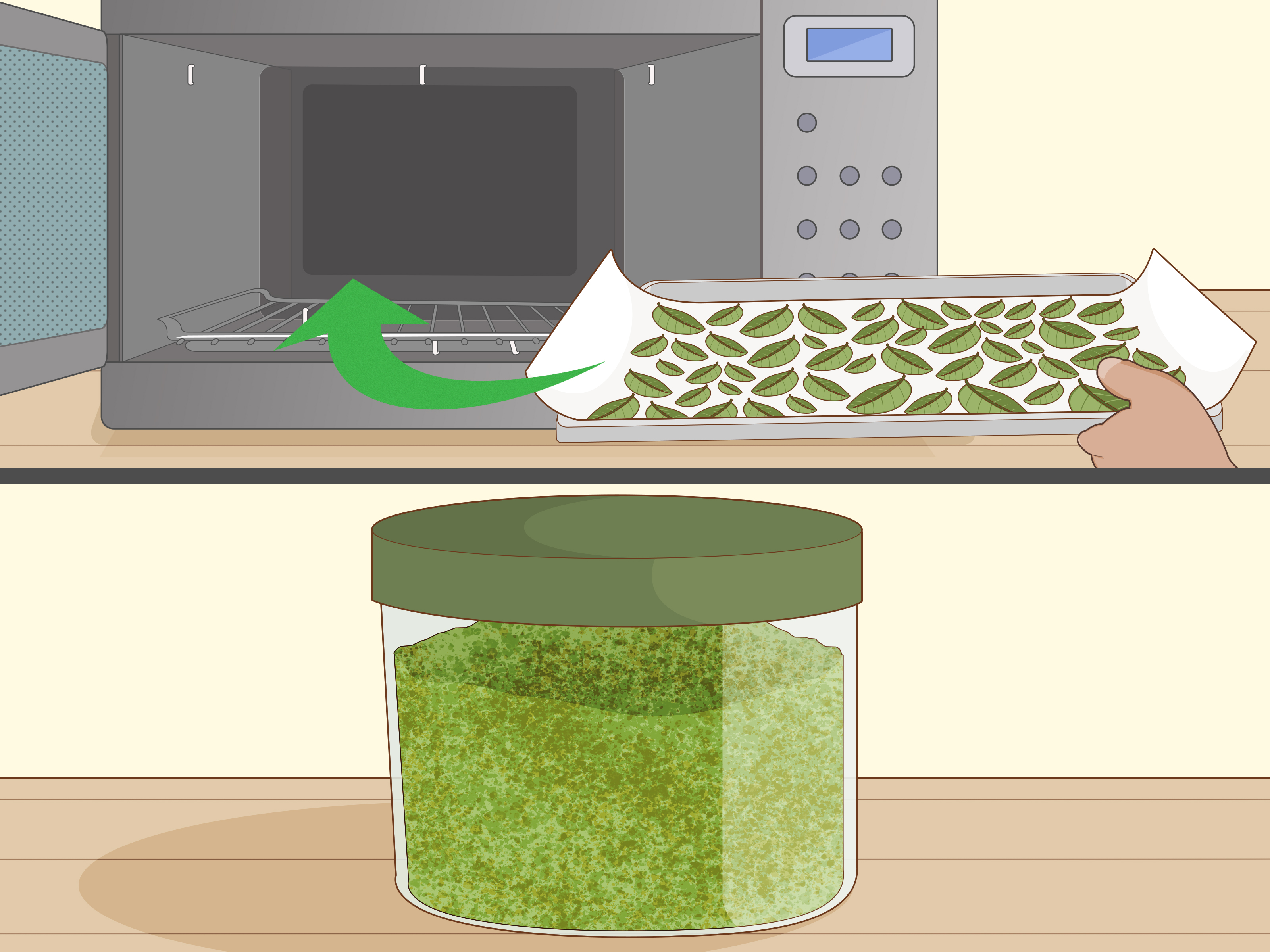
Fresh curry leaves are best used soon after harvesting. To cook with them, add the leaves to hot oil at the beginning of a recipe to release their aroma. You can also freeze extra leaves in a sealed bag. Freezing preserves more flavor than drying, though dried leaves still have a place in the pantry.
Step 11: Repot Only When Needed
Curry leaf plants do not enjoy having their roots disturbed too often. Repot when the plant becomes root-bound, dries out too quickly, or shows slowed growth despite good care. Move up only one pot size at a time. A huge pot filled with excess soil can hold too much moisture and increase the risk of root rot.
The best time to repot is spring or early summer, when the plant is entering active growth. Water the plant a day before repotting, handle the root ball gently, and place it at the same depth it was growing before. After repotting, keep it in bright indirect light for a few days before returning it to stronger sun.
Step 12: Watch for Pests and Quarantine Rules
Common curry leaf pests include spider mites, scale, aphids, mealybugs, and psyllids. Check the undersides of leaves and new growth regularly. Sticky leaves, fine webbing, white cottony clusters, or small brown bumps are warning signs. For minor infestations, rinse the plant, prune badly affected areas, and use insecticidal soap or neem oil labeled for edible plants. Always follow the product label and avoid spraying in direct hot sun.
In some U.S. regions, especially citrus-growing areas, curry leaf plants are regulated because they can host Asian citrus psyllid, a pest connected to the spread of citrus greening disease. Do not move curry leaf plants, cuttings, or fresh leaves across quarantine boundaries. Check your state agriculture department or local extension office if you live in California, Florida, Texas, Arizona, or another citrus-producing state. Responsible gardening protects home gardens and commercial citrus growers alike.
Step 13: Overwinter with Patience
Winter is the season when curry leaf plants test your emotional maturity. Growth may slow. Leaves may yellow. Some plants drop many leaves indoors. This does not always mean the plant is dying. It may simply be resting because light and warmth have decreased.
During winter, reduce watering, stop or greatly reduce fertilizer, and provide as much bright light as possible. Keep the plant warm and away from drafts. Do not panic-prune a leafless plant unless stems are dead. To check, gently scratch a small section of bark. Green tissue underneath means the stem is still alive. When spring warmth and stronger light return, the plant often pushes fresh growth.
Common Problems When Growing Curry Leaves
Yellow Leaves
Yellow leaves may be caused by overwatering, poor drainage, nutrient deficiency, cold stress, or sudden environmental changes. Check the soil first. If it is constantly wet, improve drainage and water less often. If the plant is in bright light and the soil is healthy, consider light feeding during the growing season.
Leaf Drop
Leaf drop is common after moving the plant indoors, after repotting, or during winter. Keep conditions stable and avoid overcorrecting with extra water. A stressed plant with fewer leaves uses less water, so soggy soil can make things worse.
Slow Growth
Curry leaf plants can grow slowly, especially in their first year. Slow growth often comes from inadequate sunlight, cool temperatures, low nutrients, or being root-bound. Improve one factor at a time. Plants appreciate care; they do not appreciate chaos.
Brown Leaf Tips
Brown tips may result from dry indoor air, inconsistent watering, fertilizer burn, or salt buildup in the soil. Flush the pot occasionally with water, allow it to drain well, and avoid overfertilizing.
Best Conditions for Growing Curry Leaves
For the healthiest curry leaf plant, give it a warm, sunny location, a breathable pot, loose soil, and careful watering. Outdoors, protect it from harsh wind and frost. Indoors, give it the brightest possible light and avoid placing it near heat vents. During active growth, prune lightly and harvest regularly. During winter, accept slower growth and focus on keeping the plant alive rather than forcing it to perform.
Think of curry leaf care as a rhythm: sun, warmth, drainage, patience, repeat. Once you understand that rhythm, the plant becomes much less mysterious. It may still throw a leaf-dropping tantrum now and then, but honestly, so do most houseplants. Curry leaf just does it with better flavor.
Personal Growing Experience: Practical Lessons from Curry Leaf Care
The biggest lesson from growing curry leaves is that this plant rewards consistency more than enthusiasm. New gardeners often love their curry leaf plant a little too aggressively. They water it every day, move it from window to patio to kitchen counter, add fertilizer because “more food must mean more leaves,” and then wonder why the plant looks offended. Curry leaf plants are not difficult once you stop fussing with them every 20 minutes.
A practical routine works best. In warm months, place the plant outdoors after nights are reliably warm. Start it in bright shade for a few days, then gradually introduce morning sun. This prevents sunburn, especially if the plant spent winter indoors. After a week or two, move it into stronger light. You will often see new growth appear once the plant gets steady warmth and sunlight. That first flush of leaves feels like a tiny green celebration.
Watering becomes easier when you learn the weight of the pot. A freshly watered pot feels heavy; a dry pot feels noticeably lighter. Instead of guessing, lift the container every few days. If the top soil is dry and the pot feels light, water deeply. If it still feels heavy, wait. This simple habit prevents most overwatering problems. Curry leaf roots need oxygen as much as they need moisture, and constantly wet soil pushes the plant toward root rot.
Another useful experience is pruning early enough to shape the plant. If you let one stem shoot upward without trimming, the plant can become tall and sparse. Pinching the growing tip encourages side branches, which means more harvestable leaves later. A bushy curry leaf plant is easier to maintain, easier to move indoors, and far more useful in the kitchen.
Winter care is where patience matters most. Many curry leaf plants slow down indoors, even under decent light. Some drop leaves dramatically, as if auditioning for a plant soap opera. The mistake is assuming leaf drop always means thirst. Often, the plant is reacting to lower light and cooler indoor conditions. If you keep watering at summer levels, the roots may suffer. Reduce water, keep the plant warm, add a grow light if needed, and wait for spring.
Harvesting also teaches restraint. A small plant cannot supply leaves for every curry, dal, and midnight snack craving. Let the plant grow before taking frequent cuttings. Once it is established, harvest small stems from different areas instead of stripping one branch. Use fresh leaves immediately for the strongest aroma, or freeze extra leaves in small portions. Frozen curry leaves may darken, but they still bring excellent flavor to hot oil.
Finally, respect local plant movement rules. In citrus-growing states, curry leaf plants can be connected to pest concerns, especially Asian citrus psyllid. Growing your own plant responsibly means not sharing cuttings, leaves, or plants across restricted areas. It may feel neighborly to hand someone a branch, but plant pests are also excellent travelers. Be generous with advice instead.
In short, the best curry leaf growers are observant, patient, and slightly stubborn. Give the plant sun, warmth, drainage, and time. Do not panic at every yellow leaf. Do not drown it with kindness. Treat it like a tropical tree in a container, not like a basil plant with a passport, and it can reward you for years with fragrant leaves that make home cooking taste brighter, deeper, and far more alive.
Conclusion
Learning how to grow curry leaves is a smart project for anyone who loves fresh, aromatic cooking and wants a useful edible plant at home. The key is to remember its tropical nature. Curry leaf plants need warmth, bright light, well-draining soil, careful watering, and protection from frost. They grow beautifully in containers, making them practical for gardeners in many parts of the United States.
Start with a healthy plant if possible, give it a sunny spot, prune for bushy growth, harvest gently, and adjust care during winter. With patience, your curry leaf plant can become more than a houseplant. It can become a reliable kitchen partner, a conversation starter, and the reason your next pot of dal smells like you secretly hired a professional chef.
SEO Tags
Note: This article is written in original American English for web publishing and is based on reliable horticultural guidance, practical edible-garden care methods, and current curry leaf plant growing recommendations.