Drought gardening used to sound like a polite way of saying, “Here is a yard full of rocks and one brave cactus.” Thankfully, modern water-wise gardening has grown up, put on linen pants, and become genuinely stylish. Inspired by the kind of thoughtful, design-forward ideas often celebrated on Gardenista, today’s drought garden is not a surrender to dry weather. It is a smarter, calmer, lower-maintenance way to grow.
Whether you live in California, Texas, Colorado, the Southeast, or a neighborhood where summer rain behaves like an unreliable dinner guest, drought gardening tricks can help you keep a beautiful landscape without treating your hose like a life-support machine. The best approach blends resilient plants, healthy soil, efficient watering, mulch, smart layout, and a little patience. In other words, it is not one magic trick. It is a whole garden toolbox.
This guide explores practical drought gardening ideas that work in real yards, from gravel gardens and native plants to deep watering and lawn reduction. The goal is simple: help your garden look lush, intentional, and alive while using less water. Your plants will be happier. Your water bill may breathe a sigh of relief. And you may finally stop having that daily staring contest with your wilting hydrangea.
What Is Drought Gardening?
Drought gardening is the practice of designing, planting, and maintaining a garden so it can thrive with limited supplemental water. It does not mean never watering. Even drought-tolerant plants need help while they establish roots. Instead, drought gardening means using water wisely and building a landscape that can handle dry spells with grace.
A good drought garden usually includes climate-appropriate plants, improved soil, efficient irrigation, mulch, and thoughtful spacing. It also avoids the old habit of treating every plant exactly the same. A lavender plant, a tomato, a rose, and a patch of thirsty turf do not belong on one identical watering schedule. That is garden chaos wearing a sprinkler hat.
Why Drought Gardening Is Trending
Drought gardening is trending because it solves several problems at once. Many regions in the United States now deal with hotter summers, stricter watering rules, rising utility costs, and unpredictable rainfall. At the same time, homeowners still want curb appeal, outdoor rooms, pollinator habitat, and edible gardens.
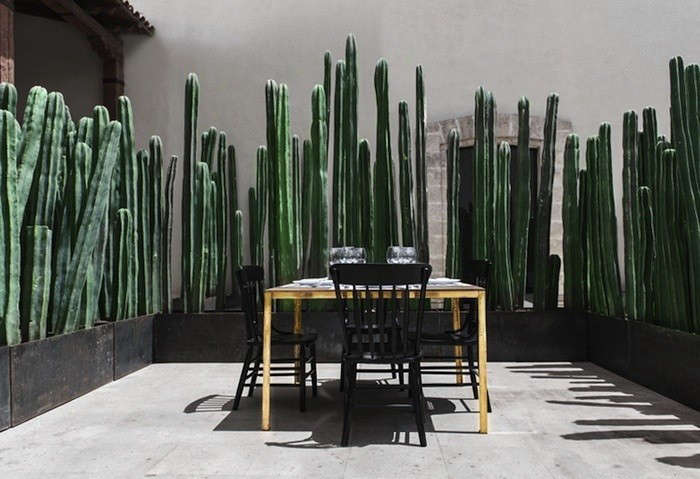
The beauty of drought gardening is that it does not ask you to choose between style and survival. A water-wise garden can be full of movement, texture, scent, wildlife, and seasonal color. Think ornamental grasses glowing in afternoon light, salvias buzzing with bees, gravel paths that stay tidy, and tough native shrubs that do not faint at the first sign of July.
Drought Gardening Trick #1: Start With the Soil
If plants are the actors, soil is the stage. A drought-resistant garden begins below the surface, where roots search for moisture, oxygen, and nutrients. Poor soil can repel water, drain too fast, compact like concrete, or stay soggy in all the wrong places. Healthy soil, on the other hand, acts like a sponge and pantry in one.
Add compost to planting beds before installing new plants. Organic matter helps many soils hold moisture more effectively while improving structure. In sandy soil, compost slows water loss. In clay soil, it can improve aggregation and drainage over time. The result is not instant magic, but it is close enough to make gardeners suspicious.
Do Not Overwork the Soil
One common mistake is digging, tilling, and disturbing soil too often. Excessive disturbance can break down soil structure and reduce the natural channels that help water move into the ground. Instead, focus on top-dressing with compost, using mulch, and allowing roots and soil organisms to do their quiet underground work.
Drought Gardening Trick #2: Group Plants by Water Needs
One of the smartest drought gardening tricks is hydrozoning, which means grouping plants with similar water needs together. Put thirsty vegetables in one area, moderate-water ornamentals in another, and dry-loving perennials in a separate zone. This keeps you from overwatering tough plants just because their dramatic neighbors are begging for a drink.
Hydrozoning also makes irrigation simpler. A drip line can serve a vegetable bed. A separate zone can support newly planted shrubs. Established drought-tolerant beds may need only occasional deep watering. When plants are grouped correctly, the entire garden becomes easier to manage.
Drought Gardening Trick #3: Use Mulch Like a Pro
Mulch is the garden’s sunscreen, blanket, weed bouncer, and moisture guard. A good mulch layer reduces evaporation, keeps soil temperatures steadier, limits erosion, and discourages weeds that steal water from your chosen plants. In many drought gardens, mulch is not optional. It is the difference between “thriving landscape” and “crispy botanical drama.”
Organic mulches such as shredded bark, arborist wood chips, straw, pine needles, chopped leaves, and composted plant material work well in many garden beds. They slowly break down and feed the soil. Around Mediterranean-style or gravel-garden plants, mineral mulch such as gravel or crushed stone can also be useful, especially where plants prefer leaner conditions and excellent drainage.
Mulching Mistakes to Avoid
More mulch is not always better. A layer that is too thick can block water from reaching the soil. Mulch piled against stems and tree trunks can encourage rot and pest problems. Keep mulch pulled back slightly from plant crowns, stems, and trunks. Think doughnut, not volcano. Trees do not want to look like they are erupting from a bark mountain.
Drought Gardening Trick #4: Water Deeply, Not Constantly
Frequent shallow watering trains roots to stay near the surface, where soil dries out quickly. Deep, less frequent watering encourages roots to grow downward, helping plants become more resilient. The exact timing depends on soil type, plant species, temperature, wind, and age of the plant, but the principle is reliable: water the root zone, not the sidewalk.
Early morning is often the best time to water because temperatures are cooler and evaporation is lower. Evening watering can also work in some climates, but avoid leaving foliage wet overnight where fungal diseases are a concern. During drought restrictions, always follow local water rules first.
Drip Irrigation Is a Drought Garden’s Best Friend
Drip irrigation and soaker hoses deliver water slowly near plant roots. This reduces waste from evaporation, runoff, and overspray. Sprinklers can be useful for lawns, but in planting beds they often water leaves, paths, fences, and occasionally the neighbor’s cat. Drip systems are more precise, especially when paired with timers, pressure regulators, and moisture sensors.
Drought Gardening Trick #5: Choose Plants That Actually Like Your Climate
The phrase “drought-tolerant plant” can be misleading. A plant that handles dry summers in Oregon may not enjoy Texas heat. A desert plant may hate humid clay soil in the Southeast. The best drought gardening plants are not just low-water; they are adapted to your region, soil, sun exposure, and winter temperatures.
Native plants are often excellent choices because they evolved with local conditions and support native wildlife. Regionally adapted noninvasive plants can also perform beautifully. Look for plants with silver foliage, small leaves, deep roots, waxy leaves, aromatic oils, or succulent tissues. These traits often help plants conserve water.
Reliable Drought-Tolerant Plant Ideas
Depending on your region, consider plants such as coneflower, black-eyed Susan, yarrow, bee balm, penstemon, salvia, lavender, catmint, sedum, agave, ornamental grasses, California fuchsia, Texas sage, lantana, rosemary, muhly grass, and native oaks. For shrubs, look into manzanita, ceanothus, sumac, juniper, beautyberry, and viburnum varieties suited to your area.
Before planting, check your USDA hardiness zone, local extension recommendations, and mature plant size. Drought gardening is easier when plants are not crammed together like commuters on a Monday morning train.
Drought Gardening Trick #6: Rethink the Lawn
A lawn can be useful for play, pets, and picnics. But many lawns are larger than they need to be and thirsty enough to deserve their own water district. One of the most effective drought gardening tricks is reducing high-water turf and replacing it with planting beds, gravel paths, permeable patios, native ground covers, or meadow-style plantings.
You do not have to remove every blade of grass. Start with awkward strips along driveways, steep slopes, narrow side yards, or sunny corners that brown out every summer. These areas often become beautiful low-water planting zones. The best lawn is the lawn you actually use. The rest can become something more interesting.
Mow Higher During Heat
If you keep turf, mow it higher during hot weather. Taller grass shades the soil, supports deeper roots, and can reduce evaporation. Avoid heavy fertilizing during drought because it pushes thirsty new growth. In some regions, allowing cool-season grass to go dormant during summer is normal and healthier than forcing it to stay emerald green with constant irrigation.
Drought Gardening Trick #7: Build a Gravel Garden With Intention
Gravel gardens are having a moment because they look clean, modern, and surprisingly romantic when planted well. The trick is to avoid turning the yard into a parking lot with decorative anxiety. A successful gravel garden includes living plants, good soil preparation, generous paths, drainage, and thoughtful plant spacing.
Gravel mulch can help reduce surface evaporation and suppress weeds. It also pairs beautifully with plants that prefer lean, free-draining conditions, such as lavender, thyme, sedum, ornamental grasses, and many Mediterranean-style perennials. For best results, water plants deeply at planting time and create a shallow basin around new plants to help capture rainfall.
Drought Gardening Trick #8: Give New Plants Extra Support
Drought-tolerant does not mean drought-proof on day one. New plants need regular water while their roots spread into surrounding soil. Trees and large shrubs may need supplemental water for several seasons. Perennials usually need close attention during their first growing season, especially during heat waves.
The establishment period is where many drought gardens fail. A gardener buys tough plants, installs them in blazing summer, waters twice, and then looks personally betrayed when the plants collapse. Plant in fall or early spring when possible. Cooler weather gives roots time to grow before peak heat arrives.
Drought Gardening Trick #9: Use Shade and Wind Protection
Sun is not the only factor that dries a garden. Wind can pull moisture from leaves and soil quickly. Reflective heat from walls, pavement, gravel, and fences can create brutal microclimates. A water-wise garden pays attention to exposure.
Use trees, hedges, trellises, shade cloth, pergolas, and taller plantings to protect vulnerable areas. Afternoon shade can make a dramatic difference for plants in hot climates. Even drought-tolerant plants appreciate a break from reflected heat, because nobody wants to live inside a toaster, not even lavender.
Drought Gardening Trick #10: Water Containers Differently
Containers dry out faster than in-ground beds. Terracotta pots, hanging baskets, and small planters can become dry within hours during extreme heat. If you want a drought-wise container garden, choose larger pots, use high-quality potting mix, mulch the surface, and select plants that tolerate dry conditions.
Succulents, herbs, ornamental grasses, lantana, portulaca, sedum, rosemary, thyme, and compact salvias can all work well in containers, depending on your climate. Self-watering planters can help, especially for edible plants. Grouping pots together can also reduce heat stress by creating a more humid microclimate.
Drought Gardening Trick #11: Capture and Reuse Water Wisely
Rain barrels, cisterns, and rain gardens can help capture water when it does arrive. Even small changes, such as directing downspouts toward planting beds or using permeable surfaces, can help water soak into the soil instead of racing into the street.
Some gardeners also reuse household water, such as cooled cooking water from plain vegetables or leftover drinking water. Be careful with graywater, soaps, salts, and local regulations. Plants are resilient, but they are not asking for pasta water with garlic, oil, and yesterday’s seasoning experiment.
Drought Gardening Trick #12: Keep Weeds Under Control
Weeds are not just ugly little freeloaders. They compete with garden plants for moisture, nutrients, light, and space. During drought, every gallon counts, and weeds are happy to drink what your perennials need.
Mulch, dense planting, hand-pulling after rain, and regular inspection can keep weeds from taking over. The key is to remove them before they set seed. One lazy weekend can become three years of botanical consequences. Ask any gardener who once ignored one innocent-looking weed and now has an empire.
Common Drought Gardening Mistakes
Planting Too Close Together
Small nursery plants are adorable, but they grow. Crowded drought gardens compete for water and airflow. Give plants enough room to reach mature size.
Using the Wrong Plant in the Wrong Place
A shade-loving plant in full afternoon sun will struggle no matter how charming the label looked at the nursery. Match plant to place before buying.
Watering Leaves Instead of Roots
Plants absorb water primarily through roots. Wet leaves may look refreshed for five minutes, but root-zone watering does the real work.
Forgetting Maintenance
Drought gardens are lower maintenance, not no maintenance. Check irrigation, refresh mulch, prune thoughtfully, remove weeds, and watch for stress.
A Simple Drought Garden Plan for Beginners
If you are starting from scratch, begin with one sunny bed rather than transforming the entire yard in a dramatic weekend episode called “Regrets With a Shovel.” Remove weeds, loosen compacted areas, add compost if appropriate, and choose five to seven water-wise plants suited to your region.
Place taller plants in the back or center, medium plants around them, and ground covers near edges. Add drip irrigation or a soaker hose before mulching. Water deeply after planting. Mulch the surface, leaving space around crowns and stems. For the first season, check soil moisture regularly. Once established, gradually reduce watering frequency while watching plant response.
Experience Notes: What Drought Gardening Teaches You Over Time
After working with drought gardening ideas, one lesson becomes obvious: the garden is far more observant than the gardener. It remembers where the afternoon sun lands, where the soil stays damp, where water runs off, and where roots hit compacted ground. At first, you may think you are designing the garden. Eventually, you realize you are negotiating with it.
One practical experience is that mulch feels almost too simple to be powerful. Spread a proper layer around plants, and suddenly the soil stays cooler, weeds slow down, and watering becomes less frantic. But mulch also teaches restraint. Pile it too thick or press it against stems, and the garden sends a complaint letter in the form of rot. The best mulch job looks tidy but breathable.
Another lesson is that new plants need compassion. Many beginners buy drought-tolerant plants and expect them to behave like tiny superheroes immediately. In reality, the first year is about root building. A young salvia or coneflower may be tough by nature, but it still needs help settling in. Deep watering during establishment is not cheating. It is training.
Drought gardening also changes the way you shop for plants. Instead of asking, “What is blooming right now?” you begin asking better questions: What will this plant look like in August? Does it handle reflected heat? Will it support pollinators? Does it need rich soil or lean soil? Will it become a polite neighbor or a leafy dictator? These questions save money, water, and future headaches.
One of the most satisfying experiences is watching wildlife return. Low-water gardens often include native flowers, seed heads, grasses, and shrubs that attract bees, butterflies, birds, and beneficial insects. A drought garden does not have to look dry or lifeless. In fact, it can feel more alive than a conventional lawn because it offers layers of habitat instead of one flat green carpet.
There is also a psychological benefit. A drought-wise garden is less needy. It does not demand constant watering, mowing, fertilizing, and apologizing. It invites observation instead of panic. You learn to check the soil before watering, notice plant posture, and accept seasonal change. Some plants will go quiet in heat and return when conditions improve. That is not failure. That is adaptation.
The biggest surprise is how stylish drought gardening can be. Gravel paths, sculptural grasses, silver foliage, terracotta pots, weathered wood, boulders, and tough flowering perennials create a garden with texture and confidence. It feels intentional, not neglected. It says, “I understand my climate,” which is a much better look than “I am fighting July and losing.”
In the end, drought gardening teaches patience, observation, and smart effort. It rewards gardeners who work with nature instead of trying to boss it around. Start small, improve the soil, water deeply, mulch wisely, and choose plants that belong where you put them. The result is a garden that can handle dry weather with less dramaand honestly, the garden drama department was already fully staffed.
Conclusion
Drought gardening is not about giving up on beauty. It is about designing with reality. By improving soil, using mulch, watering deeply, choosing climate-appropriate plants, reducing unnecessary lawn, and grouping plants by water needs, you can create a garden that looks fresh even when rainfall is scarce.
The best drought gardening tricks are practical, stylish, and forgiving. They help homeowners save water, support pollinators, reduce maintenance, and build landscapes that feel rooted in place. Start with one bed, one path, or one thirsty patch of lawn. Small changes can grow into a more resilient gardenone that survives summer without requiring you to stand outside every evening holding a hose like a garden-themed firefighter.