Note: This article is written for web publishing and is based on synthesized Triops husbandry information from reputable aquarium, biology, and educational care resources. No external source links are included in the article body.
Triops look like tiny prehistoric tanks with tails, which is honestly part of their charm. Often called tadpole shrimp, shield shrimp, or “living fossils,” these freshwater crustaceans hatch from dry eggs, grow at impressive speed, dig like miniature bulldozers, and spend much of their short lives acting as if they own the aquarium. The good news? Triops care is simple once you understand their unusual life cycle. The not-so-good news? They are small, messy, fast-growing creatures that can turn clean water into soup if you feed them like they are training for a hot dog contest.
This guide explains how to care for Triops in 13 practical steps, from hatching eggs to feeding, cleaning, moving them to a larger tank, and collecting eggs for the next generation. Whether you bought a Triops kit for a school project, a science-loving child, or your own inner dinosaur fan, the secret is consistency: clean water, stable temperature, careful feeding, and gentle handling.
What Are Triops?
Triops are small freshwater crustaceans in the order Notostraca. In nature, they live in temporary pools that appear after seasonal rain or flooding. Their eggs can survive dry conditions for long periods, then hatch when water returns. This explains why Triops kits work: the dry “egg sand” wakes up when placed in suitable water.
Most pet Triops live only several weeks to a few months, but their life is wonderfully dramatic. They hatch as tiny nauplii, grow quickly, molt repeatedly, dig through the substrate, eat almost anything small enough, and may lay eggs before they die. In other words, they are not boring pets. They are tiny aquatic chaos with a science lesson attached.
How to Care for Triops: 13 Steps
1. Choose the Right Triops Kit or Eggs
Start with fresh, reputable Triops eggs from a reliable seller or educational kit. Many kits contain eggs mixed with sand, detritus, or dried organic material that helps create microscopic food for baby Triops. For beginners, Triops longicaudatus is one of the most common species because it is widely available and generally hardy.
Check the kit instructions before you begin. Different species may prefer slightly different temperatures, and some kits include their own food schedule. If your kit says to use spring water, use spring water. If it says to avoid tap water, do not argue with the ancient crustaceans. They have survived millions of years; they are very particular about their puddles.
2. Prepare a Small Hatching Container
Triops hatch best in a small, shallow container before moving to a larger tank. A small dish or hatchery makes it easier for the babies to find food and stay near the light. Rinse the container with spring water or dechlorinated water only. Avoid soap, detergent, perfume, cleaning spray, or anything that smells like a lemon-scented kitchen counter. Chemical residue can harm hatchlings.
A good starter container holds about 1 to 2 liters of water. Keep it in a stable location away from cold drafts, direct overheating, curious cats, and siblings who think “stirring the science project” is helpful.
3. Use Safe Water
Water quality is one of the biggest factors in Triops success. Bottled spring water is often recommended because it contains some minerals but usually lacks chlorine. Distilled water may be too mineral-poor on its own, while untreated tap water may contain chlorine or chloramine. If you use tap water, treat it with an aquarium-safe dechlorinator and let it reach room temperature before adding eggs.
The water should be clean, fresh, and free from soap or household chemicals. Triops are hardy in some ways, but freshly hatched babies are delicate. Think of them as tiny prehistoric noodles with opinions.
4. Keep the Temperature Stable
Most commonly kept Triops do well in warm water, often around 72°F to 86°F. For many beginner setups, aiming for the mid-to-upper 70s is a safe and practical range. Water that is too cold may delay or prevent hatching. Water that is too hot can stress or kill them.
Use a small aquarium thermometer. If the room is cool, a desk lamp placed nearby may help warm the hatchery, but do not cook the tank. If using a lamp, monitor the temperature carefully. The goal is “pleasant spring puddle,” not “prehistoric soup.”
5. Add the Eggs Correctly
Sprinkle the egg-sand mixture gently onto the water surface or into the hatchery according to the kit directions. Do not dump in extra food at the same time unless instructed. Too much organic matter can foul the water before the eggs hatch.
Place the container where it receives steady light. Light helps trigger hatching and supports the growth of microorganisms that baby Triops may eat. Many eggs hatch within 24 to 48 hours, though some may take longer. If nothing happens immediately, do not panic. Triops eggs are famous for making beginners stare at water like detectives.
6. Feed Baby Triops Carefully
Newly hatched Triops are tiny. They do not need large meals. In fact, overfeeding is one of the fastest ways to ruin a hatchery. Use only the powdered baby food provided with the kit, crushed fish food, spirulina powder, or another suitable microscopic food in very small amounts.
A common beginner mistake is thinking, “They are growing fast, so they must be starving.” Maybe. But they are also living in a small container where leftover food breaks down quickly. Feed lightly and watch the water. If food remains visible for hours or the water turns cloudy, feed less and clean more.
7. Watch for Growth and Molting
Triops grow fast. Within a few days, they begin to look like tiny versions of adults, complete with a shield-shaped shell, moving legs, and a tail. As they grow, they molt by shedding their exoskeleton. You may see ghostly white skins floating around the tank. That does not mean your Triops exploded. It means they changed outfits.
You can leave some molts in the tank because Triops may nibble on them, but remove excess debris if it begins to dirty the water. Rapid growth is normal, but sudden die-offs usually point to water problems, temperature swings, or overfeeding.
8. Move Them to a Larger Tank
Once your Triops are several days old and swimming strongly, move them to a larger tank. A small group can live in a 1- to 5-gallon setup, depending on how many hatch and how large they become. Bigger tanks are easier to keep stable, but avoid moving fragile hatchlings too early.
Acclimate them slowly. Match the new tank water temperature to the hatching container. Float the small container in the larger tank for a few minutes, then gradually mix small amounts of tank water into the hatchery. This helps prevent shock. When they are ready, gently pour or transfer them with a pipette or small cup. Never chase them with a net like you are catching a fugitive shrimp.
9. Add Substrate for Natural Behavior
Triops love to dig. A thin layer of clean sand or fine gravel gives them a place to forage, push, tunnel, and pretend they are excavating the ruins of Atlantis. Substrate also helps protect eggs from being eaten by adults.
Rinse sand or gravel thoroughly before adding it to the tank. Avoid painted gravel, sharp stones, metallic decorations, or anything not labeled aquarium-safe. Live aquarium plants may be added, but expect some nibbling and bulldozing. Triops are not interior decorators; they are tiny construction crews with tails.
10. Feed Adult Triops a Balanced Diet
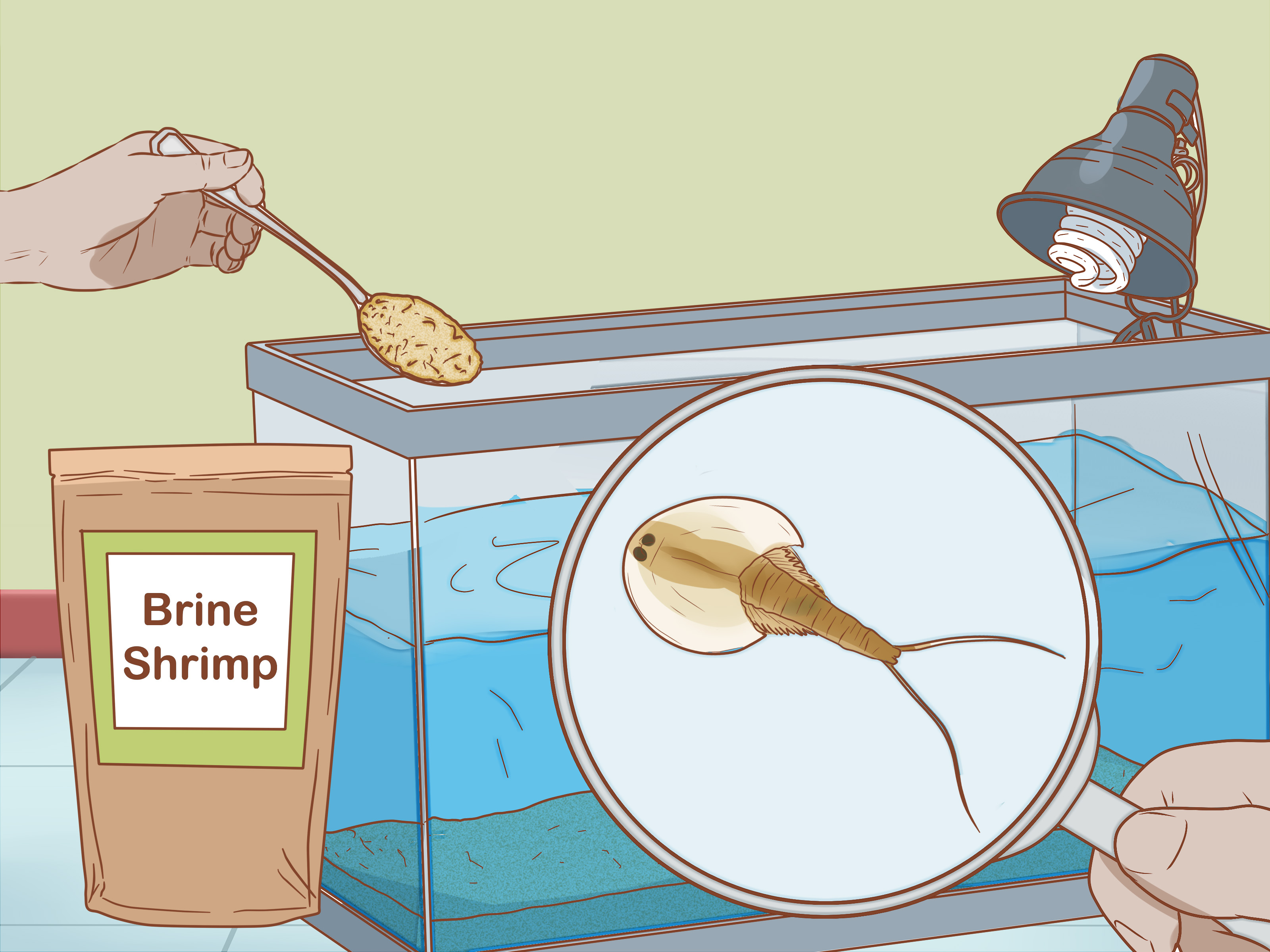
Adult Triops are omnivores. They eat algae, detritus, small aquatic organisms, fish food, shrimp pellets, vegetables, and sometimes each other if food is scarce. A good diet can include high-quality sinking pellets, crushed fish flakes, algae wafers, tiny bits of carrot, peas, shrimp, or freeze-dried brine shrimp.
Feed once or twice daily in small amounts. The food should be eaten within a few hours. Remove uneaten food with a pipette or turkey baster. If one Triops hogs every pellet like a little armored vacuum cleaner, spread food in several spots so smaller individuals get a chance.
11. Keep the Water Clean
Clean water keeps Triops alive. Because they eat often and dig constantly, waste builds up quickly. Use a pipette, airline tubing, or small siphon to remove uneaten food, cloudy debris, and waste from the bottom of the tank.
Do partial water changes when the water becomes cloudy or dirty. Replace about one-third of the water at a time with clean water of the same type and temperature. Avoid sudden full water changes unless absolutely necessary because rapid changes can shock Triops. Slow and steady wins the crustacean race.
12. Avoid Overcrowding and Cannibalism
Triops can be cannibalistic, especially when crowded, hungry, or uneven in size. If many hatch, some losses are normal. Still, you can reduce cannibalism by feeding consistently, providing enough space, and offering multiple feeding spots.
If one Triops grows much faster than the others, it may bully or eat smaller tankmates. Separating sizes can help, though many keepers simply accept that Triops life is not always polite. They are fascinating pets, but they are not running a friendship club.
13. Collect Eggs for the Next Generation
Healthy adult Triops may lay eggs in the substrate after two or three weeks. To hatch the next generation, you usually need to dry the substrate after the adults die. Remove the sand or gravel, spread it thinly, and let it dry completely. After a dry rest period, add it to fresh water and begin the cycle again.
This dry-and-wet cycle imitates the natural temporary pools where Triops evolved. In the wild, eggs wait through dry periods until rain returns. At home, your windowsill or storage shelf becomes the rainy season control center. Science is glamorous.
Common Triops Care Mistakes
Using Dirty or Untreated Water
Tap water with chlorine can harm Triops, especially hatchlings. Always use bottled spring water or properly treated water.
Overfeeding
More food does not mean faster growth if the leftovers rot. Feed tiny portions and remove waste quickly.
Changing All the Water at Once
Large water changes can shock Triops. Partial water changes are safer and easier to control.
Letting the Temperature Swing
Sudden cold or heat can reduce hatching success and stress adults. Keep the tank stable.
Moving Babies Too Soon
Young hatchlings are fragile. Wait until they are active and visible before transferring them.
Triops Tank Setup Checklist
- Small hatching container
- Bottled spring water or dechlorinated water
- Thermometer
- Steady light source
- Triops eggs or kit
- Baby food or powdered food
- Larger aquarium for growing Triops
- Clean sand or fine gravel
- Pipette, baster, or small siphon
- Sinking pellets or suitable adult food
How Long Do Triops Live?
Most pet Triops live anywhere from a few weeks to around three months, depending on species, temperature, food, water quality, and luck. Warmer water may speed up growth but can also shorten the life cycle. Cooler acceptable temperatures may slow development. Their lives are short, but they pack in a lot: hatching, swimming, digging, molting, eating, breeding, and looking like they escaped from a museum exhibit.
of Real-World Experience: What Caring for Triops Actually Feels Like
The first experience many people have with Triops care is uncertainty. You add the eggs, set up the light, check the water temperature, and then stare at a container that appears to contain absolutely nothing. This is normal. Triops keeping begins with patience and a tiny bit of suspicion. You may find yourself leaning over the hatchery with a flashlight, wondering whether that speck is a baby Triops, dust, or your imagination doing aquatic theater.
When the first Triops hatch, the mood changes quickly. Suddenly the container has life in it. The babies move in quick little bursts, and because they are so small, it feels like watching punctuation marks learn to swim. At this stage, the biggest lesson is restraint. New keepers often want to feed too much because the hatchlings seem impossibly tiny. In practice, the best results usually come from feeding lightly, keeping the water clean, and resisting the urge to “improve” things every hour.
By the first week, the fun really begins. The Triops become easier to see, their bodies take shape, and they start behaving less like invisible plankton and more like tiny animals with agendas. They dig, bump into food, swim upside down, explore the bottom, and occasionally appear to be moving with great purpose toward absolutely nothing. This is also when water quality becomes more important. A pipette becomes your best friend. Removing old food and debris daily can make the difference between a clear tank and a mysterious foggy swamp.
Moving Triops to a larger tank feels like a major milestone. The trick is to go slowly. Match temperature, avoid sudden water changes, and do not pour them around roughly. Once settled, Triops often become more active and interesting. They dig through sand, push tiny bits of food around, and sometimes grab pellets like they just found treasure. Watching them eat is funny because they do not nibble politely. They attack food with the energy of a creature that has a five-year plan and no table manners.
The most surprising part of Triops care is how much personality people imagine in them. One may seem bold, another shy, another greedy. Scientifically, they are simple crustaceans following instinct, but as pets, they are entertaining. You start noticing who eats first, who digs the most, and who keeps rearranging the substrate like a tiny aquatic contractor.
The sad part is their short lifespan. Even with excellent care, Triops do not live long compared with fish or shrimp. But that short life cycle is also what makes them special. They teach observation, patience, water care, and the rhythm of nature. When adults lay eggs and the substrate dries for the next hatch, the project becomes a cycle instead of an ending. Caring for Triops is less like owning a pet forever and more like hosting a miniature prehistoric season in a bowl.
Conclusion
Learning how to care for Triops is mostly about respecting their unusual life cycle. They are not fish, and they are not ordinary shrimp. They are temporary-pool survivors designed to hatch fast, grow fast, eat eagerly, reproduce quickly, and leave behind eggs for the next wet season. Give them clean water, stable warmth, light, careful feeding, and enough space, and they can become one of the most entertaining science pets you will ever raise.
Triops may be small, but they deliver a big lesson: life can be weird, ancient, messy, and wonderful all at once. Also, never underestimate anything that can hatch from dust and immediately start digging.