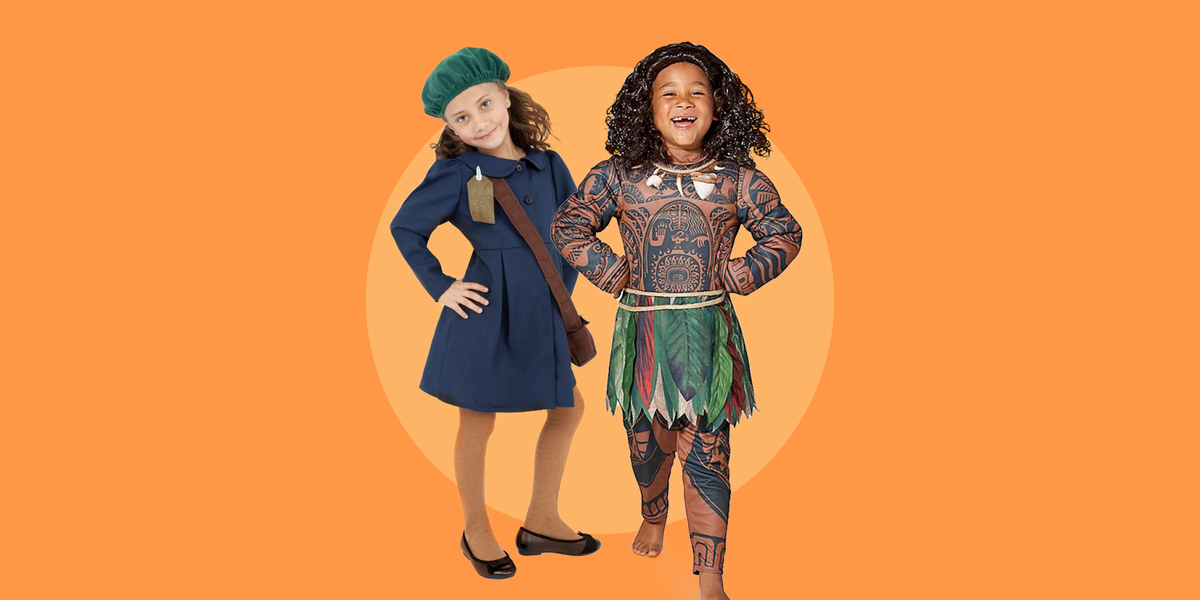
Halloween should be the one night of the year when adults are allowed to look ridiculous on purpose. You can be a vampire with budget dental work, a hot dog with commitment issues, or a ghost made from a bedsheet that definitely used to belong to your guest room. What Halloween should not be is an annual public audition for “person who gets screenshotted and discussed in the group chat forever.”
The truth is simple: a great costume gets laughs without turning someone else’s culture, trauma, religion, disability, or identity into a punchline. Offensive Halloween costumes usually fail for the same reason bad jokes fail: they depend on someone else being reduced, mocked, or flattened into a stereotype. That is not edgy. That is just lazy with accessories.
This guide breaks down the most offensive Halloween costumes to never wear, why they cross the line, and what to choose instead. The goal is not to cancel fun. The goal is to save the party, the photos, your future reputation, and possibly your employer’s HR department from having a very long Monday morning.
Why Some Halloween Costumes Are Offensive
A costume becomes offensive when it treats a real community, painful history, sacred tradition, or human struggle as a prop. That includes costumes based on race, ethnicity, religion, immigration status, mental illness, disability, poverty, tragedy, or stereotypes about gender and sexuality. The problem is not always intention. Many people say, “I didn’t mean anything by it,” and they may be telling the truth. But impact still matters.
A useful test is this: are you dressing as a character, or are you dressing as an entire group of people? Dressing as a fictional wizard is different from dressing as “a culture.” Dressing as a specific celebrity can be fine; changing your skin tone to look like that celebrity is not. Wearing a historical outfit for an educational event is different from turning a victim of genocide into a party look. Context, respect, and common sense all matter.
15 Most Offensive Halloween Costumes to Never Wear
1. Blackface, Brownface, Yellowface, or Any Race-Changing Makeup
There is no clever loophole here. Do not darken, lighten, or alter your skin tone to imitate another race or ethnicity. Blackface has a long racist history in American entertainment, and similar forms of race-changing makeup reduce people to physical features. Even if the costume is meant to honor a musician, athlete, actor, or fictional character, the makeup is not necessary. You can dress as the character through clothing, props, hair styling that does not imitate racial features, and recognizable details.
Better idea: Be the character, not the race. A red jacket, a glove, sunglasses, or a famous outfit can do the job without turning your face into the problem.
2. Native American Headdresses or “Tribal” Costumes
Feathered headdresses, “Native princess” outfits, fake buckskin, and generic “tribal warrior” costumes are among the most common culturally offensive Halloween costumes. They often mix unrelated Indigenous cultures into one fantasy look and ignore the meaning of specific clothing, regalia, and symbols. For many Native communities, regalia is not a decoration. It can be tied to identity, ceremony, achievement, and family tradition.
Better idea: If you admire Native art or fashion, support Native designers, artists, and educators in real life. For Halloween, choose a character that is not based on turning a living culture into a costume aisle stereotype.
3. “Mexican” Stereotype Costumes
A sombrero, fake mustache, poncho, and exaggerated accent do not create a character; they create a stereotype. Costumes that reduce Mexican people or Mexican American communities to props are especially harmful when paired with jokes about immigration, labor, or borders. Halloween should not make classmates, coworkers, neighbors, or guests feel like their heritage is being mocked between the chips and dip.
Better idea: Dress as a taco if you must represent your love of food. The taco cannot file a complaint, and frankly, it has been through enough.
4. Geisha, “Asian Princess,” or Generic Asian Stereotypes
Costumes that flatten Asian cultures into “exotic” outfits often rely on outdated stereotypes. A geisha costume, “dragon lady” look, or vague “Asian warrior” outfit can mix clothing, hairstyles, and symbols from different countries as if Asia were one big costume drawer. That kind of costume does not show appreciation; it usually signals that the wearer did not bother to learn what any of the pieces mean.
Better idea: Choose a specific fictional character you genuinely enjoy, and avoid altering your facial features, accent, or behavior to mimic a group of people.
5. Religious Figures Used as Party Jokes
Religious costumes can quickly cross from playful to disrespectful, especially when they sexualize sacred figures, mock rituals, or turn faith traditions into drinking-party props. Costumes based on monks, nuns, priests, rabbis, imams, deities, or sacred symbols require extra caution. Many people see these figures as part of their deepest identity, not as a theme-night accessory.
Better idea: If your joke requires disrespecting someone’s religion, the joke needs a rewrite. Try a haunted librarian, a confused fortune teller, or a pumpkin who has seen too much.
6. Holocaust, Genocide, or Historical Victim Costumes
Costumes based on Anne Frank, concentration camp prisoners, enslaved people, or victims of genocide are not educational in a Halloween party context. They trivialize real suffering and turn historical trauma into a look. Even when a retailer tries to frame such costumes as “historical,” the setting matters. A classroom presentation with research is not the same as a party where people are taking selfies beside a fog machine.
Better idea: Honor history through reading, museums, documentaries, memorials, and education. Halloween is not the place to cosplay someone’s persecution.
7. Terrorist or Violent Extremist Caricatures
Costumes that imitate terrorists, extremists, or entire religious or ethnic communities as “dangerous” are harmful and lazy. They often rely on racist or Islamophobic stereotypes, especially when they use clothing associated with Middle Eastern, South Asian, Arab, Muslim, or Sikh communities as shorthand for threat. That is not satire. That is prejudice with a plastic prop.
Better idea: If you want scary, be a haunted doll, a zombie accountant, or the phrase “student loan interest.” Those are frightening without targeting real people.
8. Mental Illness or “Asylum Patient” Costumes
Costumes labeled with words like “psycho,” “insane,” or “escaped patient” reinforce damaging myths that people with mental health conditions are scary or violent. The same goes for haunted attractions or costumes that turn psychiatric care into a horror joke. Millions of people live with mental health challenges, and stigma can make it harder for them to seek support.
Better idea: Be a mad scientist if you want chaotic energy. Science goggles carry less stigma and more snack-table credibility.
9. Disability-Mocking Costumes
Using a wheelchair, cane, walker, hearing aid, facial difference, speech pattern, or physical disability as a costume joke is offensive because disability is not something people can remove when the party ends. It can also create real-world confusion for disabled people who use mobility aids and are wrongly treated as if those aids are props.
Better idea: If your costume depends on pretending to have a disability, pick something else. Be a robot. Be a cloud. Be a suspiciously well-dressed raccoon.
10. Homelessness or Poverty Costumes
Dressing as a “bum,” “hobo,” or “poor person” turns economic hardship into entertainment. Homelessness is not a quirky aesthetic; it is a serious social issue tied to housing costs, employment, health, family instability, and safety. A costume that makes fun of poverty tells people who are struggling that their hardship is funny from a distance.
Better idea: If you want a low-budget costume, make that the joke: “person who forgot Halloween,” “laundry goblin,” or “coupon vampire.”
11. Immigration or Border Wall Costumes
Costumes based on border walls, deportation, undocumented immigrants, or immigration enforcement are not harmless political humor when they target real families and communities. These costumes often turn fear, displacement, and discrimination into party entertainment. The issue becomes even worse when paired with ethnic stereotypes.
Better idea: Political costumes can work when they punch up at public figures or policies without mocking vulnerable people. Satirize bureaucracy, not people trying to build a life.
12. Prisoner Costumes That Mock Incarcerated People
Classic striped prisoner costumes may seem cartoonish, but costumes that turn incarceration, police violence, or crime stereotypes into jokes can be insensitive, especially when they lean into racial profiling or real tragedies. America’s criminal justice system affects millions of families. Using it as a cheap laugh can feel careless, particularly in mixed social settings.
Better idea: If you like the visual style, go for a fictional burglar, mystery detective, or escape-room character without mocking real people or communities.
13. Sexualized Versions of Cultures or Sacred Identities
“Sexy” versions of Native women, nuns, schoolgirls, geishas, nurses, or cultural figures often combine objectification with stereotype. The issue is not that adults cannot wear playful costumes. The issue is when the costume reduces a culture, profession, religion, or group of women to a fantasy built on disrespect. Some costumes also echo harmful histories of fetishization and exploitation.
Better idea: Be glamorous without borrowing someone else’s identity. Vampire royalty, disco ghost, space diva, and dramatic witch all remain available and have never required a sacred symbol to do the heavy lifting.
14. Recent Tragedy, Disaster, or Victim Costumes
Costumes based on victims of shootings, natural disasters, pandemics, accidents, or public tragedies are almost always cruel. A tragedy may dominate the news cycle, but that does not make it costume material. Families and communities affected by loss do not need to see their pain turned into a punchline at a party.
Better idea: Give real events time, respect, and distance. If the humor depends on shock value from recent suffering, it is not clever; it is just socially flammable.
15. Transphobic, Homophobic, or Gender-Mocking Costumes
Costumes that mock transgender people, queer people, drag performers, or gender expression can make a party feel unsafe for guests who already deal with discrimination. There is a big difference between joyful gender-bending, drag-inspired creativity, or dressing as a beloved performer with respect, and using someone’s identity as the joke.
Better idea: Celebrate style, camp, and performance without making LGBTQ+ people the punchline. If the joke is “look, a man in a dress,” retire it immediately. It has no pension plan, but it is time.
How to Tell If Your Halloween Costume Is Offensive
Before you buy, sew, borrow, or hot-glue your costume into existence, ask a few questions. Is the costume based on a race, ethnicity, culture, religion, disability, illness, tragedy, or marginalized identity? Does it require an accent, skin-tone change, fake sacred symbol, or exaggerated body feature? Would you wear it around people from the group it represents without nervously explaining yourself for five minutes? Would you be comfortable if the photo appeared next to your name in a search result?
If the answer gets awkward, listen to that awkwardness. Awkwardness is your inner public relations department trying to save you.
What to Wear Instead: Funny, Safe, and Actually Creative Costume Ideas
The good news is that non-offensive Halloween costumes are not boring. In fact, avoiding stereotypes forces you to be more creative. Try food costumes, fictional monsters, puns, animals, objects, fantasy characters, historical concepts without victimhood, or pop-culture references that do not require changing your race or mocking an identity.
Some easy ideas include a thunderstorm, a haunted houseplant, a cereal killer made from cereal boxes, a disco skeleton, a vampire barista, a tired superhero, a mystery novel detective, a scarecrow, a retro robot, a full moon, a garden gnome, a pirate accountant, or a ghost who is clearly just there for snacks. None of these require a public apology. That is a strong selling point.
Real-Life Experiences: What People Learn After a Costume Goes Wrong
Most offensive costume stories follow the same pattern. Someone thinks the outfit is funny, topical, or “not that deep.” They wear it to a party, school event, office gathering, or campus celebration. Someone takes a photo. The photo circulates. Suddenly, the costume is no longer a private joke. It becomes a public statement, and the person wearing it discovers that the internet has a very long memory and absolutely no interest in context clues.
One common experience is the “I meant it as a tribute” mistake. A person dresses as a famous singer, athlete, or actor and uses race-changing makeup because they think accuracy matters. After backlash, they explain that they admire the person. The problem is that admiration does not erase the history of blackface or similar practices. A better tribute focuses on the outfit, pose, prop, or performance style without altering skin tone or facial features.
Another real-world lesson comes from schools and workplaces. Group costumes can feel safer because everyone is doing it together, but groups can also make bad judgment spread faster. A team may decide on a border-themed costume, a cultural stereotype, or a “funny” historical concept without one person stopping to ask, “Who is this hurting?” In professional settings, the consequences can be serious: apologies, investigations, damaged trust, and a workplace where some people feel mocked rather than included.
Parents also face the costume question with kids. A child may want to dress as a beloved character from another culture, and the answer is not always automatic. Parents can ask whether the child loves a specific character or is copying a culture as a costume. They can skip skin-darkening makeup, avoid sacred clothing, and explain why some outfits are better admired through books, art, food, music, or travel than worn as Halloween entertainment. That conversation can be more valuable than the costume itself.
Party hosts learn similar lessons. A good host can set expectations before the event: no racist costumes, no religious mockery, no tragedy costumes, no disability jokes, and no identity-based punchlines. This is not about policing fun. It is about keeping the room comfortable enough for people to actually enjoy themselves. Nobody wants to spend Halloween debating whether someone’s “ironic” outfit is offensive while the ice melts and the playlist gives up.
The best personal rule is simple: choose a costume that makes people laugh with you, not feel laughed at. Humor works best when it is clever, surprising, and generous. A costume that depends on stereotypes is not brave comedy; it is a shortcut. And honestly, Halloween deserves better shortcuts. A cardboard robot, a pun costume, or a dramatic cape can do more for your reputation than any “edgy” idea that requires a three-paragraph explanation.
Conclusion: Be Spooky, Not Sorry
Halloween is supposed to be playful, strange, theatrical, and a little ridiculous. It is not supposed to turn someone else’s identity, faith, pain, or history into a disposable outfit. The most offensive Halloween costumes usually share one flaw: they treat real people as props. Avoiding them does not make the holiday less fun. It makes the fun smarter, kinder, and less likely to follow you into November.
So be the vampire. Be the alien. Be the haunted microwave. Be the mysterious person who brought seven-layer dip and refuses to explain why. Just do not be the person whose costume becomes the reason everyone says, “We need to talk.” Spooky is good. Sorry is optional. Choose spooky.
Note: This article is based on synthesized guidance and real public examples from reputable U.S. educational, civil rights, mental health, parenting, and media sources. Source links are intentionally omitted for clean web publishing.