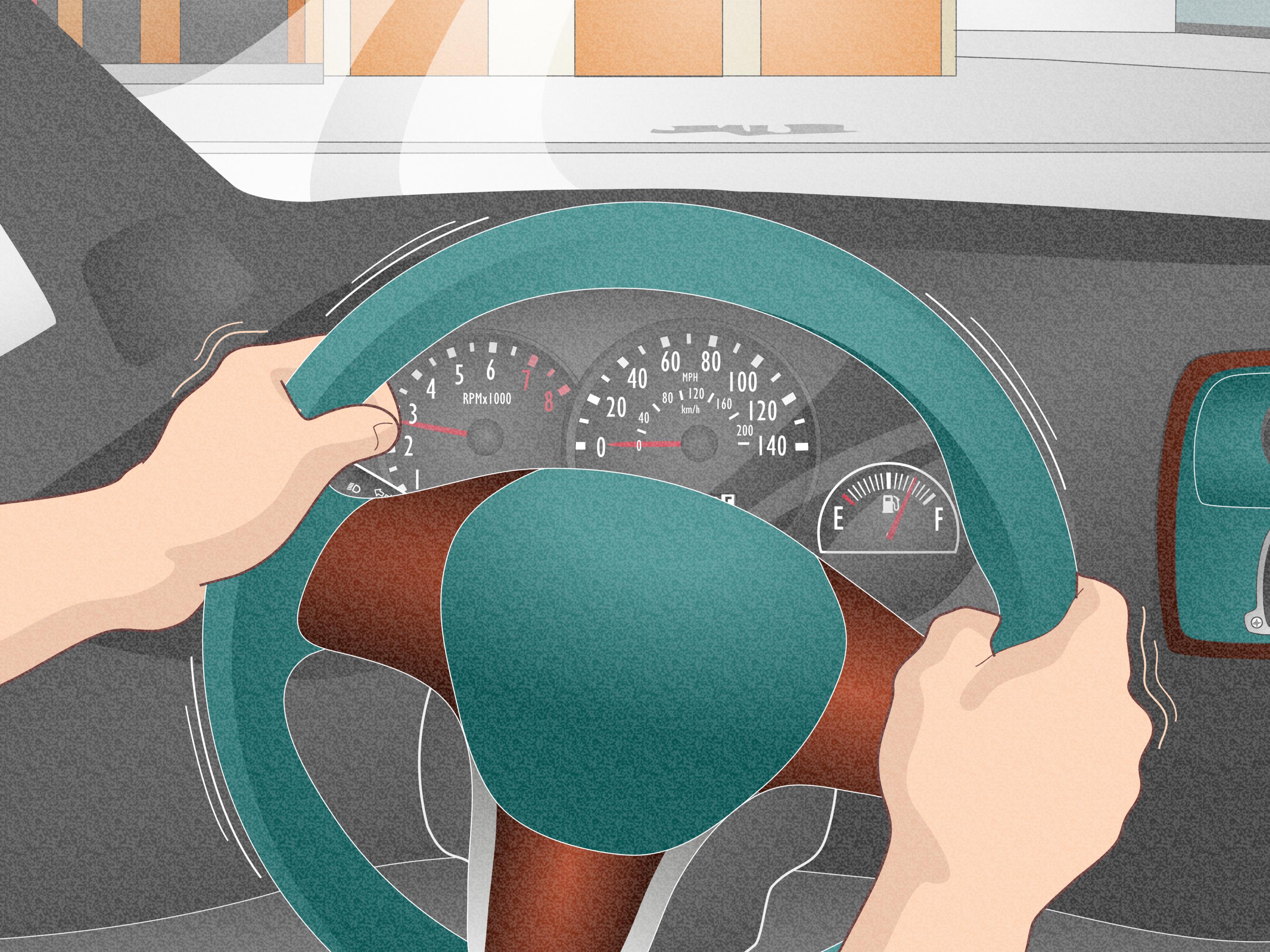
If your car trembles at a stoplight but suddenly behaves like a civilized machine once you start moving, you are not imagining things, and your car is not being dramatic just for fun. This symptom is one of the most common signs of a rough idle. In plain English, that means the engine is struggling to run smoothly when it is spinning at low speed with no help from road speed or momentum.
At idle, every tiny problem gets a microphone. A weak spark plug, a vacuum leak, dirty fuel injectors, a grimy throttle body, or worn engine mounts can all make the engine stumble, shudder, or vibrate. Once you press the gas and the RPMs climb, that same issue may become less obvious. The engine has more momentum, combustion events happen faster, and the vibration can get masked. Think of it like a singer who sounds shaky during an acoustic intro but steadies up once the full band kicks in.
The good news is that a car that shakes at idle but smooths out while driving usually leaves a trail of clues. The trick is knowing which clues matter. Let’s break down the most likely causes, why the shaking often fades once you are moving, and how to tell whether you are dealing with a small annoyance or an issue that deserves immediate attention.
What a Rough Idle Usually Means
When an engine idles correctly, it should run at a steady RPM with only a faint vibration. You might feel a soft hum, but not a dashboard dance recital. If the car shakes at idle, the engine is usually dealing with one of three broad problems: combustion is inconsistent, airflow or fuel delivery is off, or the engine’s normal vibration is no longer being isolated well from the body of the car.
That distinction matters. Some idle shakes come from the engine itself, such as a misfire. Others happen because the engine is running normally enough, but worn mounts are letting more vibration travel into the steering wheel, seat, and floor. In other words, sometimes the engine is unhappy, and sometimes the engine is fine but the car is suddenly very committed to making sure you feel every little pulse.
Most Common Reasons Your Car Shakes at Idle
1. Worn Spark Plugs or Failing Ignition Coils
This is one of the biggest suspects. Spark plugs ignite the air-fuel mixture in each cylinder. When a plug is worn, fouled, or overdue for replacement, combustion can become uneven. A weak ignition coil can do the same thing by failing to deliver enough voltage. The result is a misfire or partial misfire, which is especially noticeable at idle.
Common hints include a shaky engine, hesitation when accelerating, reduced fuel economy, and sometimes a check engine light. If the shaking feels like the engine is skipping a beat, ignition parts should be high on your list. A rough idle caused by a misfire may smooth out somewhat at speed, but that does not mean the problem has gone away. It just means the engine is better at hiding it.
2. A Vacuum Leak
Your engine depends on a carefully balanced air-fuel mixture. A cracked vacuum hose, leaking intake gasket, or other vacuum leak can let extra air into the engine. That throws the mixture lean, and lean engines are not famous for their calm manners. At idle, a vacuum leak often causes roughness, uneven RPMs, and occasional stumbling.
One reason vacuum leaks show up so strongly at idle is that the throttle is mostly closed, so the engine is more sensitive to unmetered air. Once you get moving and open the throttle more, the effect may seem smaller. That makes vacuum leaks one of the classic answers to the question, “Why does my car shake at idle but smooth out while driving?”
3. Dirty Throttle Body or Idle Air Control Problems
Air has to get into the engine in a controlled way, especially when your foot is off the gas. On many vehicles, a dirty throttle body can disrupt airflow and make the engine idle poorly. On older designs, a failing idle air control valve can do the same thing. When carbon buildup gets involved, the engine may hunt, shake, or dip too low in RPM at stops.
This problem often becomes more obvious when the air conditioner is on. Why? Because the A/C adds load to the engine at idle. If the engine is already struggling to manage airflow, that extra load can turn a mild vibration into a full-on coffee-spill warning.
4. Dirty or Failing Fuel Injectors
Fuel injectors are supposed to spray fuel in a fine, precise pattern. When they clog, stick, or become uneven, one or more cylinders may not get the amount of fuel they need. That can create rough idle, hesitation, stumbling, and even hard starts. Fuel delivery issues do not always announce themselves with fireworks. Sometimes they start as a subtle idle shake that gets worse over time.
If the car also hesitates when you first pull away, struggles on cold starts, or seems thirstier than usual at the gas pump, fuel injector trouble becomes more likely. A weak fuel pump or restricted fuel filter can create similar symptoms, though those problems are often more noticeable under load as well.
5. Bad Mass Air Flow Sensor or Other Sensor Issues
Modern engines are ruled by data. If the mass air flow sensor, oxygen sensor, MAP sensor, or related components send bad information to the computer, the engine can miscalculate the air-fuel mixture. That can lead to rough idle, stalling, poor acceleration, and a check engine light.
A bad MAF sensor is a strong possibility when the idle feels unstable but the problem changes from day to day. Some sensor problems get worse as parts warm up, while others are most obvious on cold starts. If your car seems moody in a suspiciously electronic way, the scan tool may know more than your ears do.
6. Worn or Broken Engine Mounts
Engine mounts have one job that deserves more appreciation than they get: they hold the engine in place while absorbing vibration. When the rubber in a mount cracks, compresses, or separates, more engine vibration gets transferred into the cabin. The engine may still be running reasonably well, but now the whole car feels like it drank too much espresso.
This is a particularly good suspect if the engine does not sound rough, but the steering wheel, seat, or dashboard vibrates when stopped. Worn mounts often make the shake worse in Drive than in Park or Neutral because of the extra load placed on the powertrain at a stop.
7. Dirty Air Filter, PCV Issues, or Carbon Buildup
Sometimes the cause is less dramatic but still important. A badly clogged air filter can reduce airflow. A stuck PCV valve can upset crankcase ventilation and idle quality. Carbon buildup in the intake system can also interfere with airflow and combustion, especially on higher-mileage engines. None of these issues are glamorous, but all of them can contribute to a shaky idle.
They also tend to stack. A car with aging plugs, some carbon buildup, and one tired engine mount may not have a single villain. It may have a whole cast.
Why the Shake Often Disappears Once You Start Driving
This part confuses a lot of drivers. If the car smooths out on the road, it is tempting to assume the problem is minor. Sometimes it is. Often it is just better disguised.
At higher RPM, the engine produces more continuous power pulses, which can mask minor misfires or uneven combustion. The added momentum of the rotating assembly also helps smooth things out. In addition, once the car is moving, tire noise, road feel, and general motion can hide mild engine vibration. If the issue is mount-related, the vibration may also feel less obvious because the engine is no longer sitting under the same steady load it sees in gear at a stop.
That is why a vehicle can feel rough at a red light but seem perfectly pleasant by 30 mph. The symptom changed, but the root cause likely did not.
How to Narrow Down the Cause Quickly
If It Shakes More in Drive Than in Park or Neutral
This points strongly toward worn engine mounts, idle-speed issues, or a weak engine that struggles under load at idle. It does not rule out a misfire, but it gives mounts a starring role.
If It Gets Worse With the A/C On
Think throttle body, idle air control, weak ignition, or an engine that is already borderline rough and can no longer hide it when the compressor adds extra strain.
If the Check Engine Light Is On
Now the car is giving you an actual clue instead of interpretive dance. Scan for codes. Misfire codes, air-fuel imbalance codes, or sensor-related codes can save a lot of guesswork.
If the Check Engine Light Is Flashing
That is more urgent. A flashing check engine light often points to an active misfire severe enough to risk catalytic converter damage. That is not a “see how it feels next week” kind of message.
If the Engine Sounds Fine but the Cabin Vibrates
Look hard at engine mounts, exhaust contact points, or loose heat shields. Not every idle vibration is a combustion problem.
Can You Keep Driving It?
Maybe, but with conditions. A mild idle vibration with no warning lights and no drivability issues is usually not an immediate emergency. You can often drive short distances while scheduling an inspection soon. But if the car is stalling, misfiring badly, flashing the check engine light, smelling strongly of fuel, or losing power, stop treating it like a quirky personality trait and get it checked promptly.
The biggest risk is assuming that “smooth while driving” means “safe to ignore.” Spark plugs do not magically heal. Vacuum leaks do not get more polite over time. Engine mounts do not wake up one morning and decide to be young again.
What a Mechanic Will Usually Check
A solid diagnosis usually starts with a scan tool, then moves into the basics: idle RPM behavior, fuel trim readings, misfire counters, and visual inspection. From there, a technician may inspect spark plugs and coils, test for vacuum leaks with smoke, examine the throttle body, evaluate fuel injector performance, and check engine mounts for collapse or separation.
This matters because rough idle symptoms overlap a lot. A bad plug, vacuum leak, and dirty throttle body can all make the car shake at a stop. Replacing parts based on vibes alone is a fast way to spend money and still have a shaky dashboard.
Real-World Examples
Example 1: Your sedan shakes only when stopped in Drive, but feels better in Neutral. The engine sounds mostly normal. That pattern often points to worn engine mounts or an idle issue that becomes more noticeable under load.
Example 2: Your SUV idles rough on cold mornings, smooths out after a few minutes, and occasionally triggers a check engine light. That could suggest ignition trouble, a vacuum leak, or a sensor issue that is most noticeable before the engine fully warms up.
Example 3: Your car shakes at red lights, gets worse with the A/C on, and hesitates slightly when pulling away. That combination often puts throttle body buildup, fuel injector problems, or weak ignition components near the top of the list.
Experiences From the Driver’s Seat
Drivers describe this problem in surprisingly similar ways, even when the root cause turns out to be different. One of the most common stories starts at a red light. The vehicle is sitting still, your foot is on the brake, and suddenly the steering wheel starts buzzing just enough to make you glance at the dashboard. The RPM needle may barely twitch, or it may dip a hair and recover. Then the light turns green, you accelerate, and the car feels almost normal again. That contrast is what makes idle shake so annoying. It is there, then gone, then back again at the next stop like an unwanted sequel.
Another common experience is the “A/C plot twist.” The car may idle only a little rough with the climate control off, but the second the air conditioner kicks in, the vibration becomes much more obvious. Drivers often notice the seat shaking, the mirrors blurring slightly, or a drink in the cup holder doing tiny Jurassic Park ripples. In real life, that usually means the engine was already close to rough, and the added load from the compressor just pushed it over the edge.
Some people first notice the issue during a drive-thru or in heavy traffic, where the car spends a lot of time idling in gear. A vehicle with worn engine mounts may feel especially harsh in those moments. The engine itself may sound decent, but the cabin feels like it has developed opinions. Shift into Neutral, and the shake may improve almost instantly. That pattern leads many drivers to think the transmission is failing, when the actual culprit may be mounts or idle quality under load.
Cold starts create their own version of the story. A driver heads out in the morning, starts the car, and the engine feels grumpy for the first minute or two. It may shake, stumble lightly, or sound uneven until it warms up. Then, just when the owner prepares for a worst-case scenario, the car settles down and acts innocent. This kind of experience often points toward spark plugs, minor vacuum leaks, or fuel-air issues that are more noticeable before the engine reaches operating temperature.
There is also the frustrating “no obvious pattern” version. The car idles rough only some days. Maybe it is worse after getting fuel, worse in humid weather, or worse after a long commute. Intermittent symptoms like these can make drivers question their sanity, but they are very real. Sensors, ignition parts, injectors, and even fuel quality issues can create rough idle symptoms that come and go.
Then there is the moment many people remember most clearly: the flashing check engine light paired with a much harsher shake than usual. That is the version drivers tend to describe with phrases like “the whole car was bucking” or “it suddenly felt like it was running on three cylinders.” When the symptom jumps from mild vibration to obvious misfire, it usually means the problem has moved out of the “annoying but manageable” category and into the “fix this before it gets expensive” category.
The big takeaway from these real-world experiences is simple. Idle shake rarely feels random once you line up the clues. Whether it happens only in Drive, only with the A/C on, only when cold, or only once in a while, the pattern often points directly toward the problem. The car is not just shaking. It is telling a story. Your job is to listen before the plot gets more expensive.
Final Thoughts
If your car shakes at idle but smooths out while driving, the most likely explanation is not some mysterious automotive ghost. It is usually a rough idle caused by ignition trouble, a vacuum leak, dirty air or fuel components, sensor issues, or worn engine mounts. The reason it feels better once you are moving is that higher RPM and vehicle motion can mask a problem that stands out at low speed.
Start with the pattern. Does it happen only in Drive? Does the A/C make it worse? Is the check engine light on? Those details matter. A careful diagnosis can keep a relatively small repair from turning into a larger one, and it can save you from replacing good parts just because the car decided to tremble dramatically at stoplights.
In other words, if your car is shaking at idle, do not panic. But do not ignore it either. A smooth highway cruise does not always mean a healthy engine. Sometimes it just means the problem is better at hiding once the music gets louder.