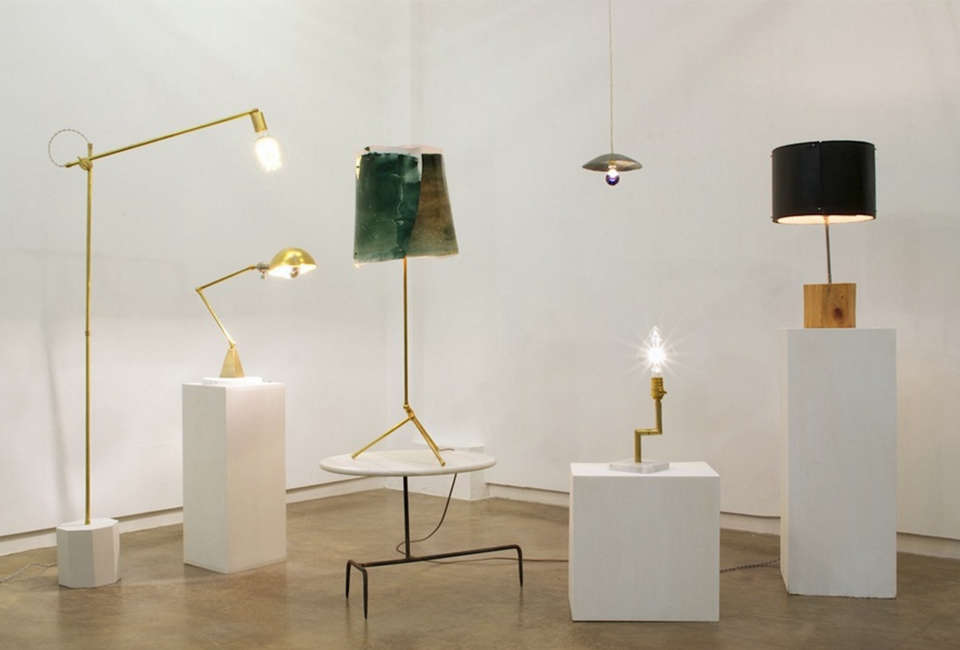
Experimental brass lighting from Hito Home is the kind of design story that makes ordinary lamps look like they have been sitting in the corner, quietly failing their art class. Instead of treating lighting as a polite background object, Hito Home approached it as sculpture, mood, material study, and a tiny domestic performance. The result was a collection of handmade brass lamps that felt both raw and refined: part Mediterranean studio experiment, part jewelry-like object, and part “wait, is that lamp wearing a painted canvas hat?”
Hito Home was the Mallorca-based design studio of Danica Wilcox, who had previously worked as a jewelry designer in New York before building a more tactile, place-driven creative practice in Spain. That jewelry background matters. These lamps do not look like anonymous factory fixtures. They look assembled, balanced, adjusted, and considered by someone who understands how a small joint, a bend, a socket, or a finish can change the entire personality of an object.
The most interesting thing about the Hito Home lighting collection is not simply that it used brass. Plenty of lamps use brass. Some use it so loudly that your living room starts to feel like a hotel elevator wearing cufflinks. Hito Home’s brass lighting was different because it used brass as a framework for experimentation. Brass tubes, vintage socket splitters, cloth-covered cords, marble, plaster, waxed pine, canvas shades, hammered metal, and hand-painted bulbs came together in designs that felt charmingly improvised but visually disciplined.
What Made Hito Home’s Brass Lighting Experimental?
The word “experimental” can sometimes be a warning sign in home decor. It may mean “beautiful, but impossible to dust,” or “conceptual enough to frighten your guests.” In Hito Home’s case, experimental meant playful, handmade, and materially curious. Danica Wilcox collaborated with painter Nicholas Woods, and that collaboration gave the lamps a distinctive tension: the structure was architectural, while the surfaces were painterly.
Instead of hiding the anatomy of the lamp, Hito Home emphasized it. Brass tubes became visible lines. Socket components became part of the design language. Shades were not merely shades; they were hand-painted canvas forms, treated almost like small paintings. Even the bulbs could become part of the composition. That is an important design lesson: when a fixture is thoughtfully made, the practical parts do not need to disappear. They can become the charm.
Brass as Structure, Not Just Shine
Brass is an alloy of copper and zinc, prized in interiors for its warmth, workability, and ability to age beautifully. In lighting, brass can read classic, industrial, modern, vintage, or handmade depending on its finish and form. A polished brass pendant may feel crisp and dressy. Unlacquered brass can darken and develop patina over time. Brushed brass is softer and less flashy. Antique brass adds instant depth without screaming, “I bought everything new last Tuesday.”
Hito Home’s brass pieces leaned into the material’s structural quality. The Clamp Lamp, Three-Legged Lamp, Hexagonal Table Lamp, Kneeling Lamp, Lightning Lamp, and Brass Standing Lamp each used metal framework in a way that made the lamp feel like a small drawing in space. The effect was graphic but not cold. Brass gave the fixtures enough warmth to live comfortably beside wood, plaster, linen, marble, books, ceramic bowls, and the occasional stack of mail nobody is emotionally ready to open.
A Closer Look at the Hito Home Lamp Language
The Hito Home collection included several memorable forms. The Brass Clamp Lamp was direct and useful, with a workshop-like confidence. The Three-Legged Lamp paired brass construction with a hand-painted canvas shade, giving it the personality of a studio object rather than a standard table lamp. The Hexagonal Table Lamp used nickel-plated brass tubes, a wooden base, and a painted shade, mixing geometry with softness. The Pendant Lamp featured a hammered metal shade and a hand-painted bulb, turning an overhead fixture into a tiny visual surprise.
The Brass Standing Lamp with Plaster Octagonal Base may be the best example of the collection’s balance between utility and art. It was handmade with brass lamp tubes and components, a cloth-covered cord, and a hand-cast fortified plaster base. Its adjustable arm made it practical, but the octagonal base gave it the grounded presence of a sculptural object. The Lightning Lamp, made with cast brass tubing, Italian marble, and a hand-painted canvas shade, pushed the idea even further: a lamp as a composition of stone, metal, fabric, and color.
Why the Collection Still Feels Fresh
Although the original Hito Home pieces are no longer widely available as standard retail products, their design ideas remain highly relevant. Current interior design continues to favor statement lighting, mixed metals, visible craft, warm finishes, and sculptural fixtures that act as focal points. Hito Home was ahead of that curve. The lamps were not trying to blend into the room like shy appliances. They were small characters with jobs.
Today’s best lighting design often avoids the flatness of one overhead fixture. Designers typically recommend layering ambient, task, and accent lighting to create rooms that feel dimensional and flexible. Hito Home’s brass lamps fit naturally into that philosophy. A clamp lamp can become task lighting near a desk or reading chair. A pendant can anchor a small dining nook. A standing lamp can bring height and mood into a living room. A painted shade can become accent lighting, casting atmosphere rather than merely blasting brightness like an interrogation scene in a crime drama.
How to Style Experimental Brass Lighting at Home
The easiest mistake with brass lighting is over-coordination. A room where every hinge, handle, lamp, faucet, frame, and curtain rod is the exact same shiny brass can feel less like a designed home and more like a brass marching band has moved in. Hito Home’s approach suggests a better path: use brass as one ingredient in a layered material story.
Pair Brass with Natural Materials
Brass looks especially good beside natural textures. Try it with plaster walls, limewash paint, linen curtains, oak furniture, cane chairs, marble surfaces, terracotta floors, or woven rugs. The goal is contrast. Brass brings glow and line; natural materials bring softness and irregularity. Together, they create a room that feels collected rather than decorated in a single afternoon after too much coffee.
Use Warm Bulbs, Not Just Warm Metal
A brass lamp can lose its magic if the bulb is too cold. For living rooms, bedrooms, and dining areas, warm white bulbs around 2700K to 3000K usually create a more relaxed atmosphere. Cooler light can work in kitchens, laundry rooms, garages, and workspaces, but in a brass statement lamp it may make the metal feel harsh. A warm bulb lets brass do what brass does best: glow like it knows a secret.
Add Dimmers Whenever Possible
Experimental lighting becomes more useful when you can control intensity. Dimmers allow a sculptural lamp to shift roles throughout the day. It can be bright enough for reading in the afternoon, soft enough for dinner, and low enough at night to make the room feel calm. Without dimming, even the most beautiful lamp can become a bossy little sun.
Brass Lighting and the Art of Patina
One reason brass remains popular in interiors is that it can age gracefully. Depending on the finish, brass may stay bright, soften slowly, or develop a darker patina. Lacquered brass has a protective coating that helps preserve its appearance. Unlacquered brass changes more noticeably as it reacts to touch, air, and time. That change is not a flaw; it is the point. A living finish records use in the same way a leather chair or wooden table records the life around it.
For a Hito Home-inspired look, patina is welcome. These lamps were never about showroom perfection. They were about touch, handwork, and character. A little variation in the metal makes the lamp feel less precious and more alive. However, maintenance still matters. Dust brass fixtures with a soft dry cloth. Avoid abrasive cleaners unless the manufacturer specifically recommends them. For painted shades or painted bulbs, be even gentler. The goal is to clean the lamp, not challenge it to a duel.
Where Experimental Brass Lighting Works Best
Because Hito Home’s brass lighting has such a strong identity, placement is important. These fixtures work best where they have room to be noticed. A sculptural table lamp can transform a console, side table, desk, or bedside surface. A brass floor lamp can frame a reading corner. A pendant can make a breakfast nook feel intentional, even if breakfast is technically just coffee and a heroic piece of toast.
Living Rooms
In a living room, experimental brass lighting can serve as both task light and visual anchor. Place a brass standing lamp beside a low sofa, a vintage armchair, or a simple wood side table. Let it contrast with soft upholstery and organic textures. If the lamp has a painted shade, pull one color from the shade into a pillow, artwork, or rug. Do not match everything exactly. A little visual conversation is better than a room where every object has clearly attended the same orientation session.
Bedrooms
Bedrooms benefit from lamps that create atmosphere. A Hito Home-style table lamp with a canvas shade could soften the hard lines of a bedside table. Brass adds warmth without needing a lot of ornament. For the best effect, choose warm bulbs and keep brightness gentle. Bedroom lighting should help you wind down, not make you feel like you are about to give a PowerPoint presentation to your pillows.
Dining Areas
A brass pendant with a handmade or hammered shade can make a dining space feel intimate and artful. Hang it low enough to define the table, but not so low that guests need to bob and weave around it like they are entering a design-themed obstacle course. Brass works beautifully above wood tables, stone tables, or painted farmhouse-style surfaces, especially when paired with candles, ceramics, and natural textiles.
How to Get the Hito Home Look Today
Because original Hito Home brass lighting appears to be discontinued, the practical approach is to borrow the design principles rather than hunt only for the exact pieces. Look for handmade brass lamps, sculptural task lamps, adjustable floor lamps, clamp lamps, painted shades, marble bases, plaster bases, visible joints, and unusual silhouettes. Independent makers, vintage dealers, design galleries, and small lighting studios are often better sources than mass-market retailers when you want that experimental, collected feeling.
Pay attention to proportion. A lamp with a wild shape still needs to relate to the furniture around it. A tiny lamp on a massive console may look lost. A huge brass floor lamp in a narrow corner may look like it is trying to escape. Measure height, shade diameter, arm reach, base footprint, and cord location before buying. Good design is romantic, yes, but it also owns a tape measure.
What to Look For
Choose real materials when possible: solid brass, stone, plaster, wood, canvas, ceramic, or hand-finished metal. Look for visible craft, not fake distressing. If a piece has an adjustable arm, test whether it stays in place. If it has a painted shade, check whether the shade blocks too much light for your intended use. If it is vintage, confirm that the wiring is safe or have it rewired by a professional. Beautiful lighting should create drama, not electrical suspense.
Why Hito Home’s Lighting Matters
Hito Home’s experimental brass lighting matters because it reminds us that home objects do not have to be either practical or poetic. They can be both. A lamp can help you read a book, light a dinner, warm a hallway, and still behave like a small artwork. In a world full of generic fixtures, that matters.
The collection also shows the value of collaboration. Danica Wilcox brought a designer’s eye for form, space, and material relationships. Nicholas Woods brought a painter’s approach to surface and color. Together, they made lighting that felt personal, imperfect, and specific. That specificity is exactly what makes a room memorable. Nobody remembers the perfectly acceptable flush mount. People remember the strange brass lamp with the painted shade that made the corner feel alive.
Personal Experience: Living With Experimental Brass Lighting
The first time you bring experimental brass lighting into a room, you quickly learn that it does not behave like a normal lamp. A normal lamp politely lights the area and asks for nothing more than a working outlet. A sculptural brass lamp changes the room’s social hierarchy. Suddenly the side table is important. The chair beside it looks more intentional. The wall behind it seems like it might need art. The room, frankly, starts making requests.
One of the best experiences with Hito Home-inspired lighting is watching how it changes from morning to night. During the day, brass reads as an object. You notice the bend of the tube, the line of the arm, the small mechanical details, the base material, and the way the shade sits in space. In the evening, the object becomes atmosphere. The brass catches the bulb’s warmth. The shade softens the light. Shadows appear on the wall. Suddenly the lamp is not just something you own; it is something the room is doing.
Styling this kind of lighting is also surprisingly forgiving if you let the lamp lead. A brass clamp lamp near a desk can make even a messy workspace feel creative rather than chaotic. A brass floor lamp next to a reading chair can make an unused corner feel like a destination. A small brass table lamp with a painted shade can rescue a plain bedroom from looking like a rental listing photo. The trick is to avoid crowding it. Give the lamp a little air. Do not bury it under a giant plant, a stack of magazines, three framed photos, and a decorative bowl full of mysterious keys.
There is also a tactile pleasure in brass lighting that is easy to underestimate. Turning a metal switch, adjusting an arm, or seeing a patina slowly develop makes the fixture feel connected to daily life. This is especially true with unlacquered or lightly aged brass. It does not remain frozen in time. It changes, and that change makes it feel human. Of course, this also means accepting fingerprints and tonal variation. If you require every surface to remain flawless forever, living brass may test your personality. It is not messy; it is expressive. That is what brass would say in its defense, probably while looking fantastic.
The most rewarding approach is to treat experimental brass lighting as both a tool and a companion piece. Use it where you genuinely need light, but choose a form that adds energy to the room even when switched off. Pair it with a warm bulb, a dimmer, and honest materials nearby. Let it sit with wood, books, linen, art, stone, or plaster. Let the shade be a little odd. Let the metal age. Let the lamp have a point of view. Homes are better when a few objects have opinions.
Conclusion
Experimental brass lighting from Hito Home remains inspiring because it combines craft, function, material intelligence, and a sense of humor. These lamps were not designed to disappear into the background. They were designed to shape a room, catch the eye, and remind us that useful objects can still be wonderfully strange. From brass tubes and painted canvas shades to plaster bases and marble details, the collection captured the beauty of lighting as sculpture.
For today’s interiors, the lesson is clear: choose lighting with character. Layer it thoughtfully. Use brass for warmth, not excess. Mix it with natural textures. Pay attention to bulb temperature and dimming. Most of all, do not be afraid of a lamp that looks like it came from a creative studio rather than a warehouse shelf. A home can survive a little experimentation. In fact, it may glow because of it.
Note: This article is written for web publication and synthesizes verified information about Hito Home, brass lighting materials, lighting design principles, and current interior styling guidance. Direct source links are intentionally omitted as requested.