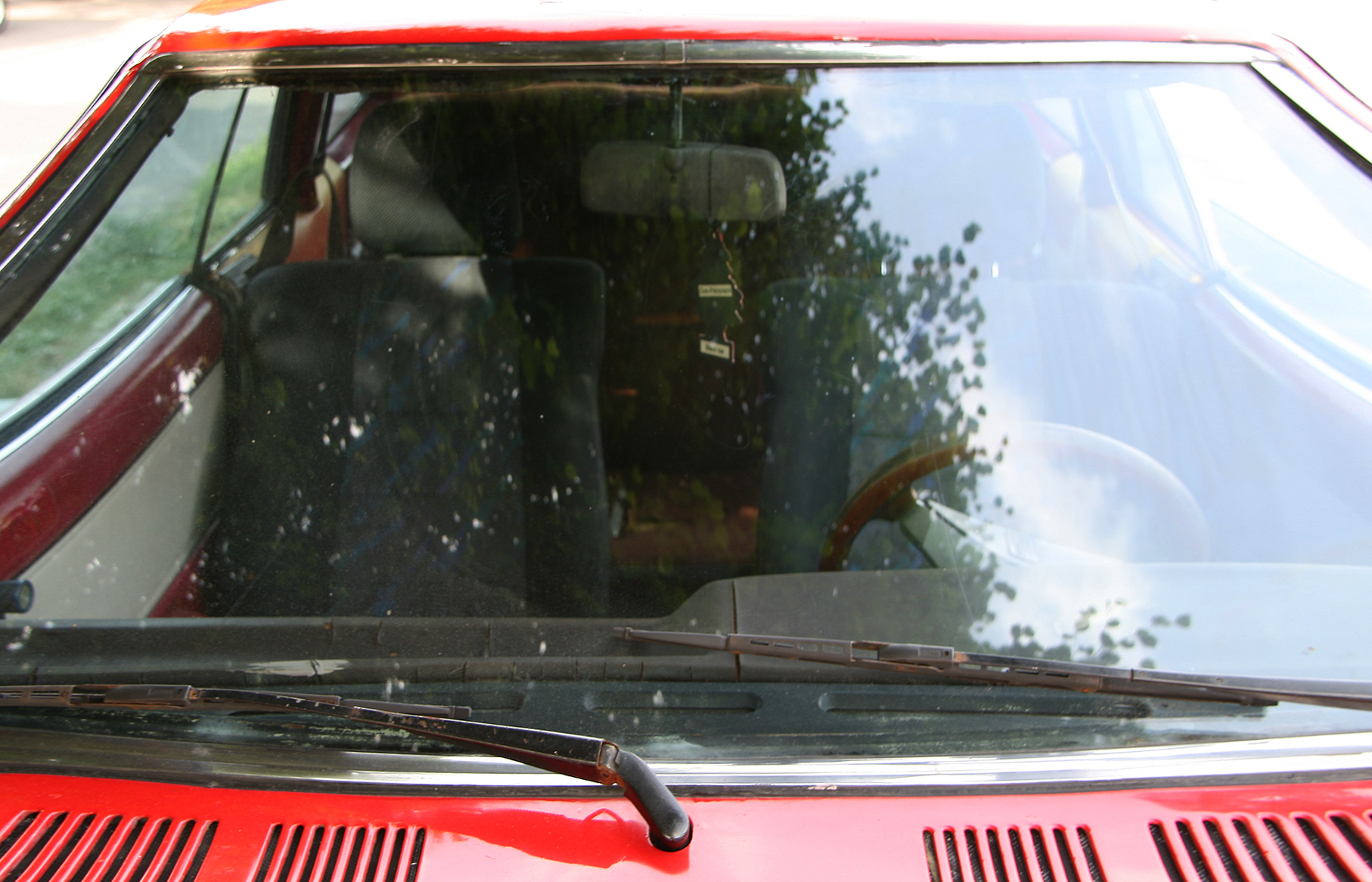
Few things make a morning commute more dramatic than starting the car, looking through the windshield, and realizing you have approximately the same visibility as a submarine captain. Foggy car windows are inconvenient, surprisingly stubborn, and potentially dangerous. Before reaching for an expensive specialty product, however, you may already have a temporary anti-fog helper sitting in your kitchen: a raw potato.
The potato windshield trick involves rubbing the freshly cut surface of a potato over clean automotive glass and then buffing away the visible residue. The thin film left behind may help moisture spread more evenly instead of collecting into thousands of tiny droplets that scatter light and cloud your view.
It sounds like advice invented during a very slow afternoon at a farm, but there is a reasonable idea behind it. Still, this household hack has limits. It should be treated as a supplemental fog-prevention methodnot a replacement for a working defroster, air conditioner, heater, or safe driving practices.
Why Do Car Windows Fog Up?
Car-window fog is condensation. It develops when moisture-filled air touches glass that is cold enough to cool the air below its dew point. The water vapor then changes into countless microscopic droplets on the window.
During cold weather, passengers warm the cabin with body heat and breathing while the windshield remains chilled by outside air. Wet coats, snowy boots, damp floor mats, umbrellas, and even a cup of steaming coffee add more humidity. Eventually, the windshield becomes the car’s least useful impression of frosted bathroom glass.
Fog can also appear on the outside of the windshield during warm, humid weather. In that situation, air conditioning may cool the glass below the outdoor dew point, allowing moisture to condense on the exterior surface. If the windshield wipers clear the haze, the moisture is probably outside. If wiping the exterior does nothing, it is likely inside.
Visibility is a genuine safety issue. Federal vehicle standards require defrosting and defogging systems because an obscured windshield can increase crash risk. Automotive safety guidance consistently recommends clearing every window before driving rather than attempting to peer through one tiny clean patch like a nervous tank commander.
Does Rubbing a Potato on Car Windows Really Work?
A potato contains water, starches, and natural sugars. When its cut surface is rubbed across glass, it leaves a very thin residue. After that residue is carefully buffed, it may alter how condensation behaves on the surface.
Untreated glass encourages moisture to form many small droplets. Those droplets scatter light, producing the milky appearance we call fog. A thin, evenly distributed film may encourage water to spread into a less disruptive layer, potentially delaying visible fog or making it easier for the ventilation system to remove.
The important word is may. The potato method is a traditional household remedy rather than a standardized automotive treatment. Results depend on the potato, the condition of the glass, cabin humidity, temperature differences, and how thoroughly the window is buffed. Too much residue can create streaks, glare, or smearingparticularly at night.
For that reason, use the method sparingly, test it on a small area, and never assume it has made your windshield permanently fog-proof.
What You Will Need
- One clean, raw potato
- A sharp kitchen knife
- Automotive glass cleaner
- Two or three clean microfiber cloths
- A dry paper towel for handling the potato, if desired
A firm white, yellow, or russet potato is suitable. Avoid a potato that is rotten, heavily sprouted, moldy, or soft enough to qualify as mashed potatoes without cooking.
How to Keep Car Windows Fog Free Using a Potato in 4 Steps
Step 1: Clean and Dry the Inside of the Glass
Park the vehicle safely, turn off the engine, and work while the glass is cool. Begin by cleaning the interior surface of the windshield and any side windows you plan to treat.
Use an automotive glass cleaner and a clean microfiber towel. Remove fingerprints, dashboard residue, smoke film, dust, oily cleaner buildup, and the mysterious haze that appears in cars even when nobody admits touching the glass.
A clean surface matters because condensation forms more noticeably on dirty or oily glass. Residue also prevents the potato film from spreading evenly. After cleaning, use a separate dry microfiber cloth to remove all remaining moisture and streaks.
Avoid household cleaners containing ammonia if your windows have aftermarket tint film. Follow the tint manufacturer’s care instructions. Do not apply the potato treatment over cameras, rain sensors, head-up-display areas, special optical coatings, or plastic instrument lenses.
Step 2: Cut the Potato and Expose a Fresh Surface
Wash and dry the potato to keep soil and grit away from the glass. Cut it in half across its widest section. A broad, flat surface makes application easier and reduces the temptation to wave a tiny potato wedge around the dashboard like a vegetable crayon.
Inspect the exposed flesh. It should be juicy, firm, and free from dirt. If the surface dries while you are working, shave off a very thin slice to expose fresh potato.
Keep the unused half for cooking only if it has remained clean and has not touched automotive chemicals. Once a potato has met a windshield, its culinary career should generally be considered over.
Step 3: Rub a Very Thin Layer Over the Window
Starting with a small test area on a side window, rub the cut side of the potato gently across the interior glass. Use overlapping horizontal or circular passes. Apply light pressure; there is no prize for aggressively seasoning the windshield.
The objective is a thin, even coatingnot a wet layer of potato juice. Repeatedly grinding the potato against the glass can leave excessive starch, pulp, and streaks.
After treating the test area, wait briefly and inspect it from several angles. If the glass appears cloudy before buffing, that is normal. If chunks of potato remain, remove them immediately with a clean cloth and use less pressure.
Once satisfied with the test, apply the same light coating to the rest of the bare glass. Work in sections so the film does not dry into thick patches.
For interior fog, treat the inside surface. Applying potato residue to the outside windshield can interfere with wiper performance, trap dirt, and create smearing in rain. Exterior use is therefore less predictable and generally not worth the trouble.
Step 4: Buff Until the Glass Is Completely Clear
This is the step that separates a useful experiment from a windshield that looks as though it survived a cafeteria incident.
Using a fresh, dry microfiber cloth, buff the treated glass until no visible haze, wetness, pulp, or streaks remain. Turn the cloth frequently. A second clean towel may be necessary for the final polish.
Inspect the windshield from the driver’s seat in daylight. Then check it again with exterior light shining through the glass. Residue that appears invisible in shade can produce glare when illuminated by headlights, streetlights, or low morning sun.
If the windshield is not optically clear, clean the treatment off with automotive glass cleaner. Do not drive until you have full visibility through the windshield and side windows.
How Long Does the Potato Anti-Fog Effect Last?
There is no reliable universal timetable. In mild conditions, a careful application may help for a trip or possibly longer. In a vehicle carrying several passengers with wet clothing on a freezing day, the effect may be overwhelmed almost immediately.
Cleaning the glass, touching it, or wiping away condensation can remove the film. Results can also weaken as dust and airborne interior residues collect on the treated surface.
Reapply only when necessary. Repeatedly layering fresh potato residue over old residue is more likely to create grime than clarity. Clean the window thoroughly before each new application.
The Fastest Way to Clear Fog That Has Already Formed
The potato trick is primarily preventive. When fog has already blocked your view, use the vehicle’s climate-control system.
- Select the windshield defrost or defog mode.
- Turn on the air conditioner, even if you are using warm air.
- Increase the fan speed.
- Switch from recirculated air to fresh outside air.
- Crack a window briefly if the cabin remains humid.
The air-conditioning compressor removes moisture from the air, while warm airflow helps raise the temperature of the glass. Fresh-air mode prevents the system from continually recycling humid cabin air. Consumer Reports, AAA, Honda, Ford, and glass-care professionals all recommend variations of this approach for rapid defogging.
Do not wipe the windshield with your hand or sleeve while driving. It usually replaces fog with greasy streaks and requires taking attention away from the road. If visibility suddenly becomes unsafe, reduce speed and pull over at a safe location.
Additional Ways to Prevent Foggy Car Windows
Remove Sources of Cabin Moisture
Shake rain and snow from clothing before entering. Remove wet umbrellas, towels, and floor mats when practical. Check the carpet for leaks, especially after storms or car washes. A damp trunk, clogged sunroof drain, failing door seal, or heater-core problem can keep cabin humidity unusually high.
Keep the Windshield Clean
Interior glass collects oils from fingerprints, dashboard materials, smoke, vaping residue, and cleaning products. A dirty windshield fogs more visibly and produces stronger nighttime glare. Clean it regularly with a lint-free microfiber cloth and automotive-safe glass cleaner. Independent automotive testing has also shown meaningful differences in streaking and residue among glass-cleaning products.
Use Fresh Air Instead of Recirculation
Recirculation is helpful when cooling a hot cabin or temporarily keeping smoke and odors outside. During cold, wet weather, however, it can trap moisture from passengers and wet clothing. Fresh-air mode generally helps the vehicle expel that humidity. Honda specifically warns that prolonged recirculation can allow humidity to fog the windows and impede visibility.
Maintain the Climate-Control System
A weak blower motor, clogged cabin air filter, malfunctioning air-conditioning compressor, coolant problem, or blocked vent can reduce defogging performance. If the windshield remains foggy despite correct climate-control settings, have the system inspected.
Never Pour Hot Water on Cold Glass
Hot water is not an appropriate solution for frost, ice, or fog. Rapid temperature changes can stress automotive glass, and the water may refreeze around the wipers or on the pavement. Use the defroster and a proper plastic ice scraper for exterior ice.
Common Potato Windshield Mistakes
- Using too much: A thick coating produces haze and glare.
- Skipping the cleaning step: Potato residue cannot perform consistently over oily glass.
- Failing to buff: Visible residue means the application is unfinished.
- Treating tinted film without checking: Aftermarket films require careful maintenance.
- Applying it while driving: Always park before cleaning or treating glass.
- Expecting permanent protection: This is a temporary household remedy.
- Ignoring a defective defroster: A potato cannot repair the ventilation system.
Real-World Experience: What Using a Potato on Car Windows Is Actually Like
The first surprise when testing the potato method is how ordinary the process feels. There is no dramatic chemical reaction, burst of steam, or triumphant soundtrack. You rub a potato on a clean window, stand back, and briefly wonder whether you have misunderstood every decision that led to this moment.
On a cool, damp morning, the most useful way to evaluate the technique is to treat only part of a side window. Leaving the other half untreated creates a simple comparison. When moisture begins building inside the vehicle, the untreated area may develop visible droplets sooner, while the treated section can remain clearer or develop a more uniform layer of moisture.
The difference is usually subtle rather than magical. The potato does not create an invisible force field around the car. Heavy breathing from several passengers, wet jackets, and cold glass can overwhelm the treatment. In those conditions, the defroster and air conditioner still do the serious work.
Application quality makes an enormous difference. During one type of test, using too much potato juice leaves the window looking acceptable in a shaded garage. The trouble appears after backing into sunlight. Every imperfect pass becomes a streak, and the windshield produces enough glare to make immediate recleaning necessary.
A much lighter application works better. One gentle pass followed by patient buffing is more successful than repeatedly coating the glass. Two microfiber towels are ideal: one removes most of the film, and the second performs the final polish. Checking from the driver’s seat is essential because a windshield can look clean from outside while remaining streaky at the viewing angle used on the road.
The smell is generally mild and disappears after buffing, although leaving potato pulp around the dashboard is an excellent way to make the cabin smell like an abandoned pantry. Any fragments should be removed immediately.
The hack is most appealing when you need an inexpensive experiment and already have a clean potato available. It can be useful for an older vehicle that tends to develop light interior mist while warming up. It is less appealing for drivers who frequently travel at night, have coated glass, or do not want to spend several minutes polishing the windshield.
Commercial anti-fog products are generally easier to apply consistently and come with specific instructions. The potato method wins on cost and entertainment value. It loses on predictability, durability, and the difficulty of explaining the process to someone who walks into the garage halfway through.
The best real-world approach is to think of the potato as one small part of moisture management. Start with clean glass, dry floor mats, a functional cabin air filter, fresh-air mode, air conditioning, and a properly operating defroster. The potato coating may provide a little extra resistance to light fog, but the vehicle’s ventilation system remains the primary solution.
Most importantly, abandon the experiment immediately if it creates haze, smearing, or glare. A clever household trick is never worth reduced visibility. The windshield has one job, and “displaying an artistic layer of starch” is not it.
Frequently Asked Questions
Should I use a cooked or raw potato?
Use a raw potato. Cooked potato is soft, cloudy, and likely to leave a thick residue that is difficult to polish from glass.
Can I use the potato trick on the outside of the windshield?
Exterior application is not recommended for normal fog prevention. Residue can collect dirt or smear under the wipers. Interior application is more relevant when condensation is forming inside the vehicle.
Can a potato remove ice from a windshield?
No. A potato is not a substitute for a defroster, de-icer, windshield cover, or plastic scraper. Never drive with ice obstructing any part of the glass.
Is the potato method safe for tinted windows?
Do not assume it is safe for aftermarket tint film or specialized coatings. Consult the installer or manufacturer and test only in an inconspicuous area. When uncertain, use an approved tint-safe product.
Why do my windows keep fogging even with the defroster on?
Possible causes include recirculation mode, excessive cabin moisture, a clogged cabin filter, weak airflow, air-conditioning failure, water leaks, or a malfunctioning climate-control component. Persistent fogging deserves professional inspection.
Conclusion
Learning how to keep car windows fog free using a potato requires only four basic actions: clean the glass, cut a fresh potato, apply an extremely thin layer, and buff until the surface is perfectly clear. The method may reduce light condensation by changing how moisture collects on the glass, but its performance varies.
Use it as a low-cost experiment rather than a guaranteed cure. Keep the cabin dry, maintain the climate-control system, use fresh-air mode, and activate the air conditioner with the defroster when fog appears. Above all, never begin driving until every window provides a clear, unobstructed view.
Note: This household technique is supplemental safety information, not an automaker-approved repair. Remove the treatment immediately if it causes streaking, glare, reduced wiper performance, or impaired visibility.