Hey Pandas, why should we celebrate Valentine’s Day? Because life is short, love is weird, humans are emotionally complicated houseplants, and sometimes we need a calendar reminder to say, “You matter to me,” before we return to answering emails with the enthusiasm of a soggy napkin.
Valentine’s Day gets a lot of side-eye. Some people see it as romantic, sweet, and candlelit. Others see it as a glitter-covered trap designed by greeting card companies, florists, and chocolate makers who know exactly how vulnerable we are to heart-shaped packaging. Both views have a point. Valentine’s Day can be meaningful, commercial, awkward, expensive, beautiful, cheesy, and occasionally all of those things before dessert arrives.
But here is the real question: does Valentine’s Day still deserve a spot on the calendar? Absolutely. Not because everyone needs roses taller than a toddler or dinner reservations that require financial planning. We should celebrate Valentine’s Day because it gives us a socially approved excuse to pause, appreciate love, and strengthen the relationships that make life feel less like a solo obstacle course.
The Real Meaning of Valentine’s Day
Valentine’s Day has a long, tangled history. Its origins are often connected to ancient Roman mid-February festivals, early Christian stories about martyrs named Valentine, and later medieval traditions that linked February 14 with romance. By the 14th century, writers such as Geoffrey Chaucer helped associate the day with courtly love, birds choosing mates, and the poetic idea that February was not just cold, muddy, and rude, but also romantic.
Over time, the celebration changed. Handwritten notes became printed cards. Private affection became public tradition. In the United States, Esther Howland, often called the “Mother of the American Valentine,” helped popularize elaborate Valentine’s Day cards in the 19th century. Her lace-trimmed, decorative designs helped turn valentines into an accessible way for everyday people to express affection. In other words, before modern emojis, people had paper lace and commitment.
Today, Valentine’s Day is celebrated through cards, flowers, chocolates, jewelry, dinners, school exchanges, friendship parties, pet treats, and sometimes a simple text that says, “I appreciate you.” The meaning has expanded beyond romantic couples. It now includes partners, spouses, friends, parents, children, teachers, coworkers, neighbors, and yes, the dog who emotionally manipulates you every time you open cheese.
Why Valentine’s Day Still Matters
1. It Reminds Us to Express Love Out Loud
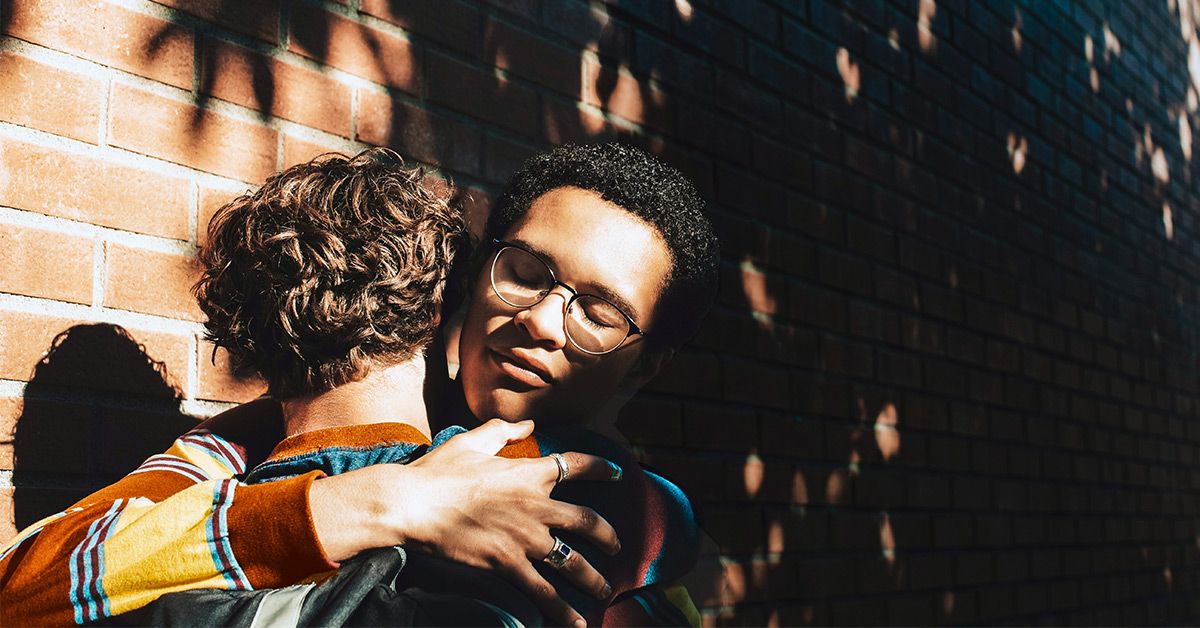
Many people assume their loved ones already know how they feel. That may be true, but knowing and hearing are not the same thing. A partner may know you love them, but hearing “I love the way you make ordinary days better” can land differently. A friend may know you care, but receiving a message that says, “My life is better because you are in it” can brighten an entire week.
Valentine’s Day encourages expression. It turns private appreciation into action. That action can be romantic, friendly, familial, or completely goofy. A handwritten note, a homemade meal, a playlist, a thoughtful favor, or a sincere conversation can become a small emotional deposit in the relationship bank. No overdraft fees, hopefully.
2. It Celebrates Connection in a Lonely World
Modern life is connected in every technical sense and still lonely in many emotional ones. People can send messages across the planet in seconds and still struggle to feel truly seen. Work schedules, social media, stress, and daily routines can turn relationships into background apps running quietly until something crashes.
Research on well-being consistently points to the importance of close relationships, social support, and meaningful connection. Strong relationships are linked with happiness, resilience, and better overall health. Valentine’s Day gives people a reason to nurture those connections intentionally. It says, “Do not let love run on autopilot forever. The engine needs maintenance.”
3. It Gives Couples a Chance to Reconnect
For couples, Valentine’s Day can be a useful pause button. Relationships often begin with long talks, surprise plans, and the kind of eye contact that makes restaurant servers uncomfortable. Then life happens. Bills arrive. Laundry multiplies. Someone forgets to buy eggs. Romance becomes less “moonlit walk” and more “Did you schedule the dentist?”
A Valentine’s Day celebration does not solve every relationship issue, and it should never be used as a one-day apology parade for a year of neglect. But it can create a moment for reconnection. A couple can use the day to talk, laugh, remember why they chose each other, or simply enjoy uninterrupted time without discussing plumbing, deadlines, or whose turn it is to clean the mystery container in the fridge.
4. It Honors Friendship, Not Just Romance
One of the best modern upgrades to Valentine’s Day is the rise of friendship-focused celebrations. Galentine’s Day, Palentine’s Day, friendship dinners, group movie nights, and platonic gift exchanges all prove that love is bigger than romance. Romantic love is wonderful, but friendship love is the dependable Wi-Fi of the soul: not always dramatic, but absolutely essential when everything else starts buffering.
Celebrating friends on Valentine’s Day can be especially meaningful for single people, people healing from breakups, people far from family, or anyone who wants love without the pressure of a five-course dinner and a violinist named Marco. A simple “thank you for being my person” can be more powerful than any grand romantic gesture.
Should Single People Celebrate Valentine’s Day?
Yes. Loudly, softly, ironically, peacefully, or with a dramatic cupcake. Being single does not disqualify anyone from celebrating love. In fact, Valentine’s Day can be a perfect time to celebrate self-respect, independence, friendships, family bonds, personal growth, and the glorious freedom of choosing your own dinner without negotiation.
Single people can celebrate by hosting friends, writing gratitude notes, volunteering, calling family, treating themselves to something joyful, or simply refusing to let a holiday define their worth. Love is not a relationship status. It is a human experience. Sometimes it looks like marriage. Sometimes it looks like friendship. Sometimes it looks like taking yourself to a bookstore and not pretending you are “just browsing.”
The Best Valentine’s Day Celebrations Are Personal
One major reason people dislike Valentine’s Day is the pressure. Advertising can make it seem as if love must be proven with luxury gifts, impossible dinner reservations, or flowers that cost more than a small appliance. But meaningful Valentine’s Day celebrations do not need to be expensive. In fact, the best ones are often personal, specific, and delightfully low-budget.
A thoughtful celebration might include cooking a favorite meal, recreating a first date, writing a funny card, making breakfast, planning a walk, watching a comfort movie, building a blanket fort, or doing the chore your partner hates most. Nothing says “romance” quite like “I cleaned the bathroom without being asked.” Shakespeare walked so disinfectant wipes could run.
Simple Valentine’s Day Ideas That Actually Feel Meaningful
Write a real note. Not a generic “Happy Valentine’s Day” note, but a specific one. Mention the little things: how they make coffee, how they remember your stories, how they make stressful days easier, or how they laugh at your jokes even when the jokes deserve community service.
Plan an experience instead of buying an object. A picnic, museum visit, hike, cooking night, game night, bookstore date, or living-room dance party can become a memory. Stuff is nice, but memories tend to age better than novelty mugs.
Celebrate more than one kind of love. Send a message to a friend. Call a grandparent. Thank a teacher. Give your pet an extra treat. Love becomes richer when it is not trapped inside one narrow definition.
What About the Commercial Side?
There is no denying that Valentine’s Day is a major shopping event. Americans spend billions on gifts, flowers, candy, cards, dining, jewelry, and experiences. Retailers prepare for it because consumers participate in it. That does not automatically make the holiday fake. Many meaningful traditions have commercial layers. Birthdays have cake businesses. Weddings have entire industries. Halloween has enough plastic skeletons to start a bony little nation.
The problem is not that people spend money. The problem is when spending replaces sincerity. A gift can be beautiful when it reflects care, attention, and understanding. It becomes hollow when it is purchased only to satisfy an obligation. The healthiest approach is to treat Valentine’s Day spending as optional decoration, not the foundation. The heart of the day is affection, not the receipt.
Valentine’s Day and Mental Well-Being
At its best, Valentine’s Day encourages gratitude. Gratitude is not about pretending life is perfect or ignoring pain. It is about noticing what is good, naming it, and sharing it. In relationships, gratitude can strengthen bonds because it helps people feel valued. A person who feels appreciated is more likely to feel secure, generous, and connected.
This matters in romantic relationships, friendships, families, and communities. Appreciation helps people feel less invisible. It softens routine. It interrupts the habit of taking people for granted. Even a small gesture can say, “I see what you do. I am glad you are here.” That message is emotionally powerful, whether it comes with roses or leftover pizza.
How to Celebrate Valentine’s Day Without Making It Weird
First, match the celebration to the relationship. A spouse of 20 years may appreciate a heartfelt letter and quiet dinner. A new crush may appreciate something light and low-pressure. A friend may love a funny meme and snacks. A coworker may not need a scented candle shaped like eternal devotion. Context matters. Please do not terrify the accounting department.
Second, communicate expectations. Some people love Valentine’s Day. Others prefer not to make a big deal of it. Neither approach is wrong. The trouble starts when one person expects a cinematic romance montage and the other person thinks splitting nachos counts as a formal ceremony. Talking about expectations can prevent disappointment and dramatic staring out of windows.
Third, avoid comparison. Social media can make everyone else’s Valentine’s Day look like a luxury perfume ad. Remember, people post the flowers, not the argument about parking. They post the dessert, not the part where someone said, “Wait, I thought you made the reservation.” Your celebration does not need to impress strangers. It only needs to feel honest to the people involved.
Valentine’s Day for Families and Children
Valentine’s Day can also teach children that love is expressed through kindness, appreciation, and generosity. School valentine exchanges, family craft nights, baking cookies, or making cards for neighbors can help kids understand that love is not only romantic. It is also sharing, thanking, including, and noticing others.
Parents can use the holiday to model healthy affection. That might mean saying kind words openly, showing respect, practicing gratitude, or helping children create simple cards. It is not about raising tiny greeting-card executives. It is about helping them learn that relationships deserve care.
So, Hey Pandas, Why Should We Celebrate Valentine’s Day?
We should celebrate Valentine’s Day because love deserves attention. Not perfection. Not pressure. Not a parade of overpriced teddy bears holding suspiciously intense signs. Just attention.
We should celebrate because people are not mind readers. They may know we care, but they still benefit from hearing it. We should celebrate because relationships can quietly fade into routine unless we refresh them with words, time, humor, and tenderness. We should celebrate because gratitude is healthy, connection is powerful, and even the cheesiest holiday can become meaningful when we make it personal.
Most importantly, we should celebrate Valentine’s Day in a way that expands love rather than limits it. Let it include couples, singles, friends, families, classmates, neighbors, pets, and the people who make our lives better in ways both grand and ordinary. Love is not a luxury item. It is a daily practice. Valentine’s Day simply puts a heart-shaped sticky note on the calendar and says, “Hey, remember this?”
Personal Experiences and Real-Life Reflections on Valentine’s Day
One of the most relatable Valentine’s Day experiences is realizing that the smallest gestures often become the most memorable. Many people can barely remember the expensive gifts they received years ago, but they can still describe a handwritten card, a homemade dinner, or the time someone drove across town just to deliver their favorite coffee. Love has a funny memory system. It does not always save the flashiest file. It saves the one with emotional detail.
Imagine a couple that has been together for years. Their Valentine’s Day does not look like a movie scene. There is no rooftop orchestra. No slow-motion entrance. No perfectly timed snowfall. Instead, one partner gets home tired, the other has made spaghetti, and the table has two candles that were definitely bought during a power outage. They laugh, eat, talk about their day, and maybe share dessert from the container because plates feel unnecessary. That celebration may not go viral, but it works because it says, “I made space for us.”
Or picture a group of friends who decide Valentine’s Day should not be reserved for couples. They bring snacks, wear ridiculous pajamas, exchange joke cards, and vote on the worst romantic movie decisions of all time. Someone cries during the sweet scene. Someone else pretends not to. By the end of the night, everyone feels less alone. That is also Valentine’s Day. No roses required, though chips are strongly recommended.
For single people, Valentine’s Day can become a turning point rather than a pity party. A person might choose to spend the evening cooking something special, writing down what they appreciate about their life, calling a sibling, or planning goals for the year. That kind of celebration sends an important message: “My life is not on hold until romance arrives.” Self-love is not selfish when it means treating yourself with patience, dignity, and care.
Families create their own traditions too. Some parents make heart-shaped pancakes. Some children cover the kitchen table in construction paper, glue, and enough glitter to haunt the house until July. Grandparents may send cards with five-dollar bills tucked inside, instantly becoming legends. These moments are simple, but they build emotional history. They tell children that affection can be expressed, shared, and celebrated openly.
Even imperfect Valentine’s Days can become good stories. The restaurant reservation gets lost. The cake collapses. The flowers arrive looking like they fought a raccoon and lost. Someone burns dinner and serves cereal by candlelight. These failures often become funnier and more beloved over time because they reveal the real point of the day: not flawless romance, but shared humanity. Love is not proven by everything going perfectly. Sometimes it is proven by laughing when nothing does.
The best experience related to Valentine’s Day may be the realization that celebration is a choice. We can reject the pressure while keeping the tenderness. We can skip the commercial script and write our own. We can honor romance without ignoring friendship. We can enjoy chocolate without pretending it has mystical powers, although some evidence from personal experience suggests it comes close.
So, should we celebrate Valentine’s Day? Yes, but not because the calendar commands us to perform affection like a trained seal with a coupon code. We should celebrate because love, in all its forms, deserves moments of recognition. Celebrate with a card, a call, a meal, a hug, a joke, a quiet evening, a group hangout, or a peaceful night alone. Make it honest. Make it kind. Make it yours.
Conclusion
Valentine’s Day is worth celebrating when we remember what it is truly about: appreciation, connection, kindness, and intentional love. The holiday may come wrapped in red ribbons and retail promotions, but underneath the packaging is a useful reminder. People need to feel seen. Relationships need care. Gratitude needs expression. Whether you are married, dating, single, healing, celebrating friends, or spoiling your pet like the tiny royalty they believe they are, Valentine’s Day can be meaningful when it reflects real affection.
So, Hey Pandas, celebrate Valentine’s Day your way. Keep it romantic, friendly, funny, quiet, homemade, budget-friendly, or wonderfully over-the-top. Just make sure the message is sincere. Love does not have to be expensive to be unforgettable. Sometimes the most powerful Valentine is simply this: “I am grateful you exist.”
Note: This original article synthesizes widely reported historical, cultural, consumer, and relationship-wellness information from reputable U.S.-based educational, research, health, retail, and media sources. It is rewritten in a natural style for web publication without copied source text or citation placeholders.