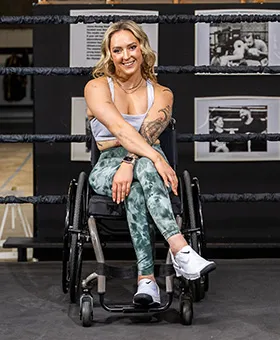
Fitness for people in wheelchairs is not a “modified version” of real fitness. It is real fitness. It builds strength, protects joints, supports heart health, improves mood, and makes everyday taskstransfers, reaching, pushing, carrying, cooking, working, parenting, travelingfeel less like an obstacle course designed by a bored villain.
Wheelchair fitness can include cardio, resistance training, stretching, breathing work, adaptive sports, water exercise, seated yoga, and functional movement practice. The best program is not the one that looks most impressive on social media. It is the one that fits your body, your chair, your energy, your medical needs, your space, and your life.
Health organizations generally recommend that adults, including adults with disabilities, aim for regular aerobic activity plus muscle-strengthening exercise. For many wheelchair users, that may mean wheeling, arm cycling, swimming, resistance bands, wheelchair basketball, seated boxing, adaptive strength training, or simply turning “I should move today” into a realistic ten-minute routine. No cape required. Though if the cape improves motivation, please keep it away from the wheels.
Why Wheelchair Fitness Matters
Movement is medicine, but thankfully it does not come with a tiny folded instruction sheet written in microscopic font. Regular physical activity can support cardiovascular health, blood sugar control, muscle strength, joint mobility, posture, circulation, independence, sleep, confidence, and stress management.
For wheelchair users, fitness has an extra practical benefit: it can make daily life smoother. Strong shoulders, back muscles, arms, wrists, chest, and core can help with transfers, wheelchair propulsion, pressure relief, reaching overhead, carrying groceries, lifting a backpack, or managing uneven sidewalks that seem to have been personally offended by accessibility.
Exercise can also help reduce the risk of secondary health problems linked with long periods of sitting, including deconditioning, weight gain, pressure injuries, stiffness, fatigue, and pain. That does not mean exercise fixes everything. It means movement is one useful tool in a larger toolbox that may also include medical care, physical therapy, nutrition, sleep, assistive technology, and social support.
Start With Safety, Not Suffering
Before beginning a new wheelchair workout routine, it is smart to talk with a physician, physical therapist, occupational therapist, adaptive fitness trainer, or rehabilitation specialistespecially if you have a spinal cord injury, heart condition, diabetes, pressure injuries, osteoporosis risk, autonomic dysreflexia risk, recent surgery, chronic shoulder pain, or limited sensation.
Good wheelchair fitness is challenging, but it should not be reckless. Sharp pain, dizziness, unusual shortness of breath, chest pain, sudden weakness, severe headache, skin breakdown, or symptoms of autonomic dysreflexia are not “fitness leaving the body.” They are stop signs. Respect them.
Check Your Setup First
Your wheelchair setup matters. Seat height, back support, wheel position, cushion, posture, and push mechanics can influence comfort and injury risk. A chair that fits well can make exercise more efficient. A chair that fits poorly can turn every workout into a wrestling match with aluminum.
Before exercise, lock brakes when needed, clear the floor, secure loose clothing, check resistance bands for cracks, hydrate, and position equipment within reach. If using weights, start lighter than your ego wants. Your rotator cuff does not care about your pride.
The Four Pillars of Wheelchair Fitness
A balanced routine usually includes four areas: cardiovascular exercise, strength training, flexibility, and functional mobility. Not every session needs all four. Over a week, however, your body benefits from variety.
1. Cardiovascular Exercise
Cardio is any activity that raises your heart rate and breathing. For wheelchair users, cardio options may include brisk wheeling, arm cycling, seated aerobics, adaptive rowing, swimming, water aerobics, wheelchair basketball, wheelchair tennis, handcycling, seated boxing, or dance-style chair workouts.
A beginner might start with five to ten minutes of easy wheeling or seated arm movements. Over time, that can become intervals: one minute faster, two minutes easier, repeated several times. This approach works because it is simple, adjustable, and less boring than staring at the wall wondering why clocks become slower during exercise.
2. Strength Training
Strength training helps build the muscles needed for independence and joint protection. Useful tools include resistance bands, dumbbells, cable machines, medicine balls, adaptive gym machines, or body-weight movements such as wheelchair push-ups if appropriate.
Many wheelchair users do a lot of pushing in daily life. That means the chest and front shoulder muscles may become dominant while the upper back and posterior shoulder muscles lag behind. A smart strength plan often emphasizes rows, external rotations, scapular squeezes, rear shoulder work, and posture musclesnot just presses and curls.
3. Flexibility and Mobility
Stretching helps maintain range of motion and reduce stiffness. Common areas to address include the chest, shoulders, neck, wrists, forearms, hips, and lower back, depending on ability and sensation.
Gentle stretching should feel like a controlled lengthening, not like negotiating with a medieval torture device. Hold stretches comfortably, breathe, and avoid bouncing. If sensation is limited, extra caution matters because the body may not send the usual “too far” warning signal.
4. Functional Fitness
Functional fitness trains movements used in daily life. Examples include transfer practice, reaching patterns, pressure relief, posture resets, wheelchair handling skills, grip work, and controlled trunk movements. These exercises may not look flashy, but they are the unsung heroes of independence.
A strong gym lift is great. Being able to transfer more safely, reach a cabinet, or roll up a ramp without feeling destroyed is also great. Fitness does not need applause to be powerful.
Best Exercises for Wheelchair Users
The following wheelchair exercises can be adapted for many ability levels. Choose what fits your body, and get professional guidance when needed.
Seated Band Rows
Anchor a resistance band in front of you at chest height, or loop it around a stable object. Hold one end in each hand. Pull your elbows back, squeeze your shoulder blades together, then return slowly. This strengthens the upper back and helps balance pushing muscles.
Shoulder External Rotations
Keep your elbow close to your side and bent at about 90 degrees. Using a light band, rotate your forearm outward while keeping the elbow tucked. This small movement can be surprisingly humbling. It supports rotator cuff strength and shoulder stability.
Seated Chest Press
Anchor a band behind you, hold the handles, and press forward at chest level. Return slowly. This works the chest, shoulders, and triceps. Keep the movement controlled and avoid locking your elbows aggressively.
Overhead Press, If Appropriate
Using light dumbbells or bands, press upward only if your shoulders tolerate it well. Many wheelchair users already place high demand on their shoulders, so overhead work should be conservative. Pain is not a personality test. Modify or skip it if needed.
Biceps Curls and Triceps Extensions
Arm strength supports transfers, pushing, lifting, and carrying. Curls train the front of the upper arm, while triceps extensions train the back. Use slow repetitions and avoid swinging the weights like you are trying to start a lawn mower.
Seated Core Bracing
Sit tall if possible. Gently tighten your abdominal muscles as if preparing for a small cough. Hold for a few seconds, breathe, and release. Depending on your level of trunk control, you can add small reaches, side bends, or medicine ball movements.
Wheelchair Push-Ups or Pressure Relief Lifts
If medically appropriate, place your hands on the armrests or wheels, press down, and lift your body slightly from the seat. This may strengthen the triceps and shoulders while also supporting pressure relief habits. Not everyone can or should do this movement, so ask a clinician if you are unsure.
Seated Boxing
Shadow boxing or adaptive boxing drills can provide excellent cardio. Try jabs, crosses, hooks, and uppercuts in short rounds. Keep your shoulders relaxed and your movements controlled. Bonus: it is one of the few workouts where looking dramatic is part of the charm.
A Simple Beginner Wheelchair Workout Plan
This sample routine is only a starting point. Adjust based on your condition, strength, fatigue level, and professional advice.
Warm-Up: 5 Minutes
Begin with gentle shoulder rolls, easy wheeling, arm circles, wrist circles, neck movements, and relaxed breathing. The goal is to wake the body up, not announce war.
Cardio: 10–15 Minutes
Choose brisk wheeling, arm cycling, seated aerobics, or seated boxing. Use a pace where you can talk but not sing comfortably. If singing still happens, congratulations on your cardio and condolences to nearby listeners.
Strength Circuit: 2 Rounds
Perform 8–12 repetitions of each exercise: band rows, chest press, biceps curls, triceps extensions, external rotations, and core bracing. Rest as needed. Good form beats more repetitions every time.
Cool Down: 5 Minutes
Finish with slow breathing and gentle stretches for the chest, shoulders, neck, wrists, and upper back. Cooling down helps the body shift from “let’s work” to “we are not being chased.”
Adaptive Sports: Fitness With a Social Upgrade
Adaptive sports can make fitness more fun, structured, and social. Options include wheelchair basketball, rugby, tennis, racing, handcycling, adaptive swimming, sled hockey, archery, pickleball, dance, fencing, and power soccer.
The beauty of adaptive sports is that they replace “I have to exercise” with “I have practice,” “I have a game,” or “I refuse to let my friend beat me again.” Community can be a powerful motivator. It also helps people share equipment tips, local resources, transportation ideas, and encouragement from others who understand the experience firsthand.
Protecting the Shoulders: The Golden Rule
For many wheelchair users, shoulders are not just shoulders. They are transportation, balance, transfers, reaching, lifting, and independence. Protecting them should be a top priority.
Common shoulder-friendly strategies include strengthening the upper back, improving posture, stretching tight chest muscles, avoiding unnecessary overhead strain, using proper push mechanics, varying activities, taking rest days, and addressing pain early. Pain that keeps returning deserves attention. Ignoring it until it becomes a full-blown drama series is not a great plan.
Manual wheelchair users may be especially vulnerable to overuse because pushing, transfers, and daily tasks place repeated load on the wrists, elbows, and shoulders. Balanced training can help the body handle those demands more safely.
Fitness at Home vs. the Gym
You do not need an expensive gym membership to build fitness. Home workouts can be effective with resistance bands, light dumbbells, a door anchor, a sturdy table, online adaptive classes, or simple cardio intervals.
That said, an accessible gym can offer cable machines, arm ergometers, adaptive weight equipment, pools, trainers, and social energy. Before joining, ask practical questions: Is the entrance accessible? Are machines reachable? Is there space between equipment? Are staff trained in adaptive fitness? Are bathrooms usable? Is the “accessible” parking spot actually accessible, or is it a decorative lie?
How to Stay Motivated
Motivation is helpful, but habits are more reliable. Start small enough that the routine feels almost too easy. Five minutes counts. One set counts. Stretching during a TV commercial counts. Consistency grows when the first step is not emotionally exhausting.
Track progress in ways that matter: easier transfers, less fatigue, stronger pushes, better posture, improved mood, longer cardio sessions, fewer pain flares, or more confidence in public spaces. Fitness is not only about numbers. Sometimes progress is realizing the ramp that used to intimidate you now looks like a mildly annoying hill.
Nutrition, Hydration, and Recovery
Exercise works best when supported by recovery. Hydration helps energy, temperature regulation, and overall function. Balanced meals with protein, fiber-rich carbohydrates, healthy fats, fruits, and vegetables support muscle repair and health. Sleep matters, too, even if your phone strongly disagrees at midnight.
Recovery days are not laziness. They are part of training. Muscles adapt between workouts, not during the moment you are making intense eye contact with a resistance band.
Common Mistakes to Avoid
Doing Only Pushing Exercises
Presses are useful, but too much pushing can worsen muscle imbalance. Add pulling exercises, posture work, and shoulder stabilizer training.
Skipping Warm-Ups
Cold muscles and joints are less cooperative. A short warm-up can reduce stiffness and improve movement quality.
Ignoring Pain
Discomfort from effort is different from pain. Sharp, persistent, or worsening pain should be evaluated.
Going Too Hard Too Soon
Ambition is great. Overtraining is not. Build gradually so your body has time to adapt.
Forgetting Enjoyment
The best exercise is not always the “perfect” one. It is often the one you will actually repeat.
Extra Experience Section: Real-Life Lessons From Wheelchair Fitness
One of the biggest lessons in wheelchair fitness is that exercise becomes easier when it is connected to real life. A person may not care about doing three sets of rows because a chart says so. But they may care deeply about transferring into a car with more confidence, pushing through a park without needing a long recovery, or carrying laundry without feeling like they just completed an extreme survival challenge.
Many wheelchair users discover that the first barrier is not always physical. Sometimes it is emotional. Gyms can feel intimidating. Online workouts may move too fast. Some fitness advice assumes everyone can stand, jump, squat, or “just go for a walk.” That can make people feel excluded before they even begin. A better approach is to start from the user’s actual body and environment. What movements are available today? What equipment is nearby? What goal would make tomorrow easier?
For example, someone who works at a desk may begin with three short movement breaks: shoulder rolls in the morning, band rows at lunch, and five minutes of seated cardio after work. Another person may prefer adaptive sports because competition makes effort feel exciting instead of clinical. Someone with limited arm function may focus on assisted range-of-motion work, breathing exercises, posture, or therapy-guided movement. Fitness is not one doorway. It is a building with many ramps, elevators, side entrances, and occasionally a confusing hallway.
Experience also teaches the importance of pacing. Energy can vary from day to day because of pain, sleep, weather, medication changes, transportation, caregiving schedules, work demands, or medical conditions. A flexible plan prevents the “all or nothing” trap. On a high-energy day, cardio and strength may feel great. On a low-energy day, gentle stretching and breathing may be the win. A small win is still a win. It does not need to wear a medal.
Another practical lesson is that equipment should serve the person, not the other way around. Resistance bands are popular because they are affordable, portable, and adaptable. But they must be anchored safely. Dumbbells are simple, but grip aids may be needed. Cable machines can be excellent if the gym layout allows access. Arm bikes can provide strong cardio, but seat position and shoulder comfort matter. The right tool is the one that can be used safely and consistently.
Community makes a major difference. Adaptive fitness classes, peer groups, rehabilitation centers, local sports clubs, and online communities can provide ideas that generic fitness culture often misses. Someone else may know which gym has truly accessible equipment, which pool has a working lift, which gloves help with pushing, or which coach understands wheelchair positioning. That kind of knowledge is gold, and unlike some gym memberships, it does not require a cancellation ritual.
Finally, wheelchair fitness is deeply personal. Some people train for sport. Some train for independence. Some train to reduce pain. Some train because movement helps their mood. Some train because they want to feel strong in a world that too often underestimates them. All of those reasons are valid. The goal is not to become inspirational background music for someone else’s idea of disability. The goal is to build a body and routine that supports your life.
Conclusion: Fitness Belongs to Every Body
Fitness for people in wheelchairs is practical, powerful, and personal. It can improve heart health, strength, flexibility, confidence, posture, independence, and quality of life. It can happen at home, in a gym, in a pool, on a court, in a park, or during a five-minute movement break between emails.
The key is to start safely, choose exercises that match your abilities, protect your shoulders, build gradually, and focus on consistency instead of perfection. A wheelchair does not remove someone from fitness. It simply changes the route. And sometimes, the best route is the one with better wheels, better planning, and fewer people saying, “Have you tried yoga?” without understanding what adaptive yoga actually means.
Note: This article is for educational publishing purposes and is not a substitute for personalized medical advice. Wheelchair users should consult a qualified healthcare professional or adaptive fitness specialist before starting or changing an exercise program, especially after injury, surgery, illness, or major changes in mobility.