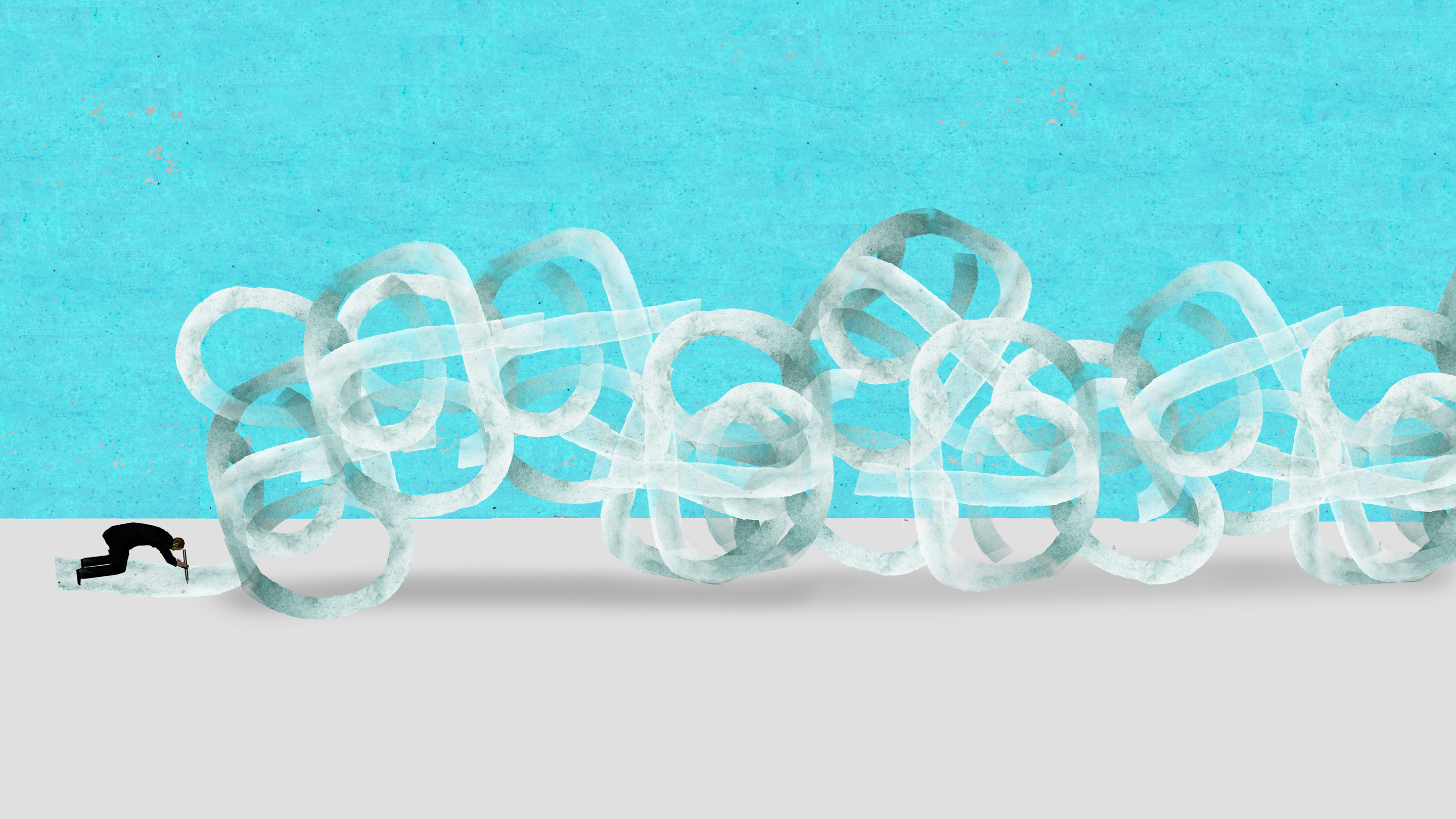
Home clutter is sneaky. One minute you have a clean kitchen counter, and the next minute it has evolved into a tiny civilization of mail, charging cords, school papers, receipts, water bottles, and one mysterious screw nobody is brave enough to throw away. The ant to get your space under control.
The best way to wrangle in your home clutter is to combine smart decluttering habits with storage systems that match how you actually live. That means less guilt, fewer “I’ll deal with it later” piles, and more simple routines that keep your home functional even on busy days. Think of it as giving your stuff a job description. If it does not work, serve a purpose, bring joy, or earn its square footage, it may be time for a polite goodbye.
Below are 15 creative, practical, and sanity-saving ways to declutter your home, organize messy areas, and create a calmer space without turning your living room into a showroom where nobody is allowed to breathe.
Why Home Clutter Takes Over So Quickly
Clutter usually is not a sign that someone is lazy. More often, it appears because items do not have a clear home, storage is inconvenient, routines are too complicated, or new things enter faster than old things leave. A drawer becomes “temporary storage,” a chair becomes “laundry mountain,” and suddenly your house is running a very successful clutter internship program.
Effective home organization starts with behavior, not baskets. Before buying storage bins, take a step back and ask: What is piling up? Where does it pile up? Why does it land there? Once you understand the pattern, you can create a system that solves the actual problem instead of simply hiding it in prettier containers.
15 Creative Ways To Wrangle In Your Home Clutter
1. Create a “Landing Strip” Near the Door
The entryway is often the first clutter battlefield. Keys, shoes, bags, mail, sunglasses, and dog leashes all seem to hold an emergency meeting right by the door. Create a simple landing strip with hooks, a small tray, a shoe basket, and a mail sorter. This gives daily essentials a dedicated place to land before they scatter across the house like confetti.
Keep it realistic. If your family kicks off shoes immediately, do not fight nature with a complicated shoe cabinet nobody will open. Use a basket or open cubby. The best home organization system is the one people will actually use when they are tired, hungry, or carrying groceries like an Olympic event.
2. Use the “One Surface Rule”
Pick one surface in each room that must stay clutter-free no matter what. In the kitchen, it might be the island. In the bedroom, it may be the nightstand. In the living room, it could be the coffee table. This single rule creates visual calm fast because clear surfaces make an entire room feel more organized.
You do not need to clear every surface at once. Start with one. When clutter tries to creep back, move it immediately to its proper home, donation box, recycling bin, or trash. This method works because it is simple, visible, and slightly bossy in the best possible way.
3. Try the 10-10 Decluttering Method
The 10-10 method is perfect when your motivation is running on fumes. Choose 10 small zones and remove 10 items from each. A zone can be a drawer, shelf, purse, bathroom cabinet, fridge door, toy bin, or sock drawer. You are not reorganizing your entire life; you are just finding 100 things that no longer need to live rent-free in your home.
This method is especially helpful for people who get overwhelmed by big projects. Small wins build momentum. Once you clear one drawer, you may feel brave enough to face the cabinet where old travel mugs go to retire.
4. Make a Donation Station
Keep a donation box or bag in a closet, laundry room, garage, or mudroom. When you find a shirt that does not fit, a duplicate kitchen tool, or a toy nobody plays with anymore, put it directly in the donation station. When the container is full, schedule a drop-off.
This turns decluttering into a routine instead of a once-a-year emotional excavation. It also helps prevent “maybe later” items from sneaking back into closets. If something is in good condition but no longer useful to you, donation gives it a second life while freeing up space in yours.
5. Build a “Clutter Exit Plan” Before You Start
One common decluttering mistake is making piles without deciding where they will go. Suddenly, you have a donate pile, a sell pile, a recycle pile, and a “what even is this?” pile lounging in your hallway for three weeks. Before you begin, set up four clear categories: keep, donate, recycle, and trash.
For items that need special handling, such as electronics, batteries, paint, or old cleaning products, check local disposal rules. Responsible decluttering means getting things out of your home without creating a bigger mess somewhere else. Your home gets calmer, and your conscience does not have to wear a tiny guilt sweater.
6. Declutter Before Buying Storage
Buying storage before decluttering is like buying a bigger suitcase before deciding what to pack. You may end up organizing things you do not even want. First, remove what is expired, broken, duplicated, uncomfortable, unused, or no longer relevant. Then measure the space and choose storage that fits the remaining items.
This is especially important in kitchens, bathrooms, closets, and garages. You may discover that you need fewer bins than expected once the old phone chargers, chipped mugs, expired spices, and mystery cables leave the building.
7. Use Vertical Space Like a Genius
Walls, doors, and the backs of cabinets are prime storage real estate. Add hooks for bags, racks for pantry items, over-the-door organizers for accessories, wall shelves for books, or magnetic strips for small metal tools. Vertical storage clears floors and surfaces without requiring a larger home.
This approach works beautifully in small spaces. A narrow wall shelf near the entryway can hold keys and sunglasses. A pegboard in a craft room can organize supplies. A door rack in a bathroom can hold hair tools, toiletries, or cleaning cloths. Your walls are not just standing there looking pretty; put them to work.
8. Give Every Drawer a Purpose
Drawers become clutter caves when they have no specific job. Instead of allowing one drawer to hold batteries, takeout menus, rubber bands, stamps, lip balm, a flashlight, and emotional confusion, assign each drawer a purpose. Kitchen tools go in one. Office supplies go in another. Pet items, tech accessories, and personal care products each get their own zone.
Use dividers, small boxes, or repurposed containers to keep categories separated. You do not need fancy organizers; even clean food containers can work. The goal is to make it easy to find items and even easier to put them back.
9. Make Hidden Storage Work Harder
Under-bed storage, ottomans, benches, and high closet shelves can help manage seasonal or occasional items. Store off-season clothes, extra linens, holiday decor, guest bedding, or rarely used sports gear in labeled containers. Clear labels matter because “miscellaneous” is just clutter wearing a fake mustache.
Keep frequently used items within easy reach and store rarely used items higher, lower, or farther away. A smart storage system respects how often you use things. If you make daily items hard to access, clutter will simply return to the nearest flat surface and laugh quietly.
10. Use the “One In, One Out” Rule
For categories that grow quickly, such as clothes, mugs, toys, books, skincare, and hobby supplies, try the one in, one out rule. When something new comes in, something similar goes out. Bought a new sweater? Donate one you no longer wear. Added a new water bottle? Retire the one that leaks every time it sees a backpack.
This rule prevents clutter before it starts. It also encourages more thoughtful shopping. Instead of asking, “Do I want this?” you begin asking, “Do I want this enough to make room for it?” That small question can save money, space, and future decluttering headaches.
11. Create Micro-Zones in Every Room
Micro-zones are small, intentional areas for specific activities. In the living room, create a remote-control zone, reading zone, game zone, and blanket zone. In the kitchen, create zones for coffee, baking, lunch packing, spices, and food storage. In the bathroom, separate daily essentials from backup products.
This makes your home easier to maintain because related items stay together. It also reduces duplicates. When all the tape is in one place, you are less likely to buy your seventh roll because the first six are hiding in different drawers like tiny office-supply ninjas.
12. Use Clear Containers for Things You Forget You Own
Clear containers are helpful for items that disappear when hidden: pantry snacks, craft supplies, small toys, toiletries, cords, and seasonal accessories. When you can see what you have, you waste less money buying duplicates and less time searching for things.
However, not everything needs to be visible. If visual clutter stresses you out, use opaque bins with clear labels. The right container depends on your brain, your space, and your tolerance for seeing seventeen granola bars staring back at you.
13. Schedule a Weekly Reset
A weekly reset is a short routine that brings your home back to baseline. Set aside 20 to 30 minutes to clear surfaces, empty trash, return items to their homes, deal with mail, refresh the fridge, and reset the entryway. Play music, set a timer, and move quickly.
This is not deep cleaning. It is clutter control. The purpose is to catch small messes before they become dramatic home improvement documentaries. A weekly reset keeps your home functional even when life gets busy.
14. Make Paper Clutter Boringly Simple
Paper clutter is one of the most common home organization problems because it enters constantly: bills, school notices, receipts, coupons, manuals, invitations, and medical paperwork. Create a simple paper system with three categories: action, file, and recycle.
Action papers need a response, payment, signature, or appointment. File papers are important records. Everything else should be recycled or shredded if it contains personal information. Avoid creating too many categories. Paper systems fail when they require a legal degree and a full-time assistant.
15. Stop Organizing Fantasy Versions of Your Life
This may be the most important tip of all. Do not organize for the person you wish you were. Organize for the life you actually live. If you never fold pajamas into perfect rectangles, do not build a system that requires pajama origami. If your kids toss backpacks on the floor, install hooks at their height. If you drink coffee every morning, make the coffee station effortless.
Functional home organization is not about perfection. It is about reducing friction. The easier it is to put something away, the more likely your home will stay tidy. Build systems that feel natural, forgiving, and simple enough to survive a Monday morning.
Room-by-Room Clutter Wrangling Ideas
Kitchen
Start with expired food, duplicate utensils, chipped dishes, and appliances you rarely use. Group items by task: cooking, baking, coffee, snacks, food storage, and cleaning. Use shelf risers, lazy Susans, drawer dividers, and labeled pantry bins only after you know what deserves to stay.
Bedroom
Clear nightstands first because they affect how calm the room feels. Remove old receipts, empty cups, random chargers, and books you are pretending to read. In the closet, sort clothing by type and keep a donation bag nearby for items that no longer fit your style, body, or daily life.
Bathroom
Bathrooms collect expired products, half-used bottles, dull razors, old makeup, and travel toiletries with impressive confidence. Keep daily items accessible and backups grouped together. Use small bins under the sink so products do not roll into a shadowy under-cabinet jungle.
Living Room
Focus on surfaces, media items, blankets, games, toys, and books. Use baskets for soft items and closed storage for visual clutter. If the living room serves multiple purposes, create zones so every activity has a home.
Garage or Storage Area
Garages often become the final resting place for things nobody wants to decide about. Sort by category: tools, outdoor gear, sports equipment, seasonal decor, car supplies, and donations. Use sturdy shelves to get items off the floor and labels to prevent the dreaded “box of unknowns.”
Real-Life Experience: What Actually Works When You Wrangle Home Clutter
The biggest lesson from real-life decluttering is that motivation is unreliable, but systems are dependable. Most people start with a burst of energy, pull everything out of a closet, and then hit the emotional wall around the time they find old photos, tangled cords, and a shirt from an event they barely remember attending. Suddenly the floor is covered, dinner still needs to happen, and the closet looks worse than before. This is why small zones work better than heroic chaos.
In everyday homes, the most successful clutter fixes are usually boring in the best way. A basket by the stairs for items that belong upstairs. A hook for keys. A tray for mail. A donation bag in the closet. A bin for school papers. These solutions do not look dramatic on social media, but they quietly save your sanity. The magic is not in the object itself; it is in reducing the number of decisions you make every day.
Another experience many people share is realizing that clutter often reflects delayed decisions. The sweater is not just a sweater; it is a decision about whether it fits, whether it was worth the money, whether someone might need it, or whether you are still the person who bought it. That is why decluttering can feel emotional. It is not only about objects. It is about identity, guilt, memories, hope, and the strange power of a coffee mug with a chip in it.
A practical trick is to separate memory from volume. You can keep the memory without keeping every object connected to it. Take a photo of a sentimental item, save one piece from a collection, or create a small memory box with clear limits. When the box is full, you choose what matters most. This keeps sentimental items meaningful instead of letting them take over closets, garages, and entire guest rooms.
Families also learn quickly that shared clutter needs shared systems. If only one person understands the organizing plan, the plan will collapse faster than a cheap laundry hamper. Use labels, simple containers, and easy categories. “Art supplies” works better than seven highly specific bins no one will maintain. “Winter gear” is easier than separate containers for scarves, mittens, hats, emergency mittens, and the glove that lost its soulmate in 2021.
The most encouraging part is that progress shows up quickly. A clear counter makes cooking feel easier. A tidy entryway makes mornings smoother. A decluttered closet reduces the daily “I have nothing to wear” performance. Even one organized drawer can create a small but real sense of control. Home clutter may be stubborn, but it is not invincible. With simple routines and realistic systems, your home can become easier to live in, easier to clean, and much less likely to hide your car keys in plain sight.
Conclusion: Make Your Home Easier to Live In
Wrangling home clutter is not about creating a perfect house. It is about building a space that supports your real life. Start small, remove what no longer serves you, give every item a clear home, and choose storage that makes daily routines easier. The best decluttering strategy is the one you can repeat without needing a motivational speech, three energy drinks, and a dramatic before-and-after montage.
Whether you begin with one drawer, one surface, or one donation bag, every small decision helps your home feel lighter. Clutter may return from time to time because life keeps happening, but now you have practical ways to handle it before it takes over the couch, the counter, and possibly your soul.
Note: This article is written for web publishing in standard American English and synthesizes practical, real-world home organization guidance from reputable home, consumer, sustainability, and lifestyle resources without adding source-link clutter inside the article body.