Nursing used to be easy to picture: scrubs, a hospital hallway, a stethoscope, and a nurse who somehow knew where every thermometer, chart, and missing family member had wandered off to. That picture is still real, of course. Bedside nurses remain the backbone of American health care. But today, the nursing profession has stretched far beyond the hospital floor. Nurses are now working through video screens, data dashboards, home visits, corporate wellness programs, cruise ships, schools, insurance companies, research teams, correctional facilities, legal offices, and even their own businesses.
This shift is often called the rise of non-traditional nursing. It does not mean nursing has become less caring or less clinical. It means nurses are applying their judgment, communication skills, patient advocacy, and medical knowledge in new places. In a health care system facing staffing shortages, an aging population, digital transformation, and growing demand for convenient care, non-traditional nursing is not a side road anymore. It is quickly becoming a major highway.
The main keyword here is non-traditional nursing, but the bigger story is flexibility. Nurses are finding new ways to build careers without being locked into one setting forever. Patients, employers, and health systems are also discovering that nursing expertise can solve problems far beyond the bedside. In plain English: nurses have left the building, and health care is better when they are allowed to take their skills with them.
What Is Non-Traditional Nursing?
Non-traditional nursing refers to nursing roles that fall outside the classic hospital bedside model. These jobs may still involve direct patient care, but they often happen in alternative settings or use different tools. A nurse may monitor patients remotely from a virtual command center, teach diabetes management in a community clinic, review medical claims for an insurance company, help design electronic health records, or provide care in a patient’s living room.
The term also includes roles where nurses use clinical experience in education, technology, policy, consulting, entrepreneurship, public health, and leadership. Some non-traditional nurses never stop seeing patients. Others step away from hands-on care and focus on systems, safety, operations, quality improvement, documentation, training, or patient navigation.
Traditional vs. Non-Traditional Nursing
Traditional nursing is usually associated with hospitals, long-term care facilities, and direct bedside support. Non-traditional nursing expands the setting, schedule, and purpose of the role. A traditional nurse may care for six patients on a medical-surgical unit. A virtual nurse may help complete admissions, discharge teaching, and documentation for patients across several units. A nurse informaticist may improve the software those nurses use. A nurse case manager may coordinate care after the patient goes home.
The common thread is not the location. It is the nursing lens: assessment, prioritization, education, empathy, safety, and the ability to notice when something feels “off” before the spreadsheet admits it.
Why Non-Traditional Nursing Is Growing
The growth of non-traditional nursing is not random. It is being pushed by several powerful forces at once: workforce shortages, burnout, technology, patient expectations, aging demographics, and the expansion of advanced practice roles.
1. The Nursing Shortage Is Changing Career Paths
The United States continues to need more nurses, and the pressure is not limited to hospitals. Registered nurse employment is projected to grow over the next decade, with many annual openings driven by retirements and workers leaving the field. At the same time, national nursing workforce reports show that stress, burnout, workload, and understaffing remain major reasons nurses consider leaving their jobs.
Non-traditional roles offer one practical response. A burned-out emergency department nurse may move into telehealth triage instead of leaving nursing completely. An experienced ICU nurse may become a virtual nurse, supporting newer bedside nurses from a remote station. A nurse who loves education but not twelve-hour shifts may become a clinical instructor, health coach, or patient educator.
In other words, alternative nursing careers can help retain experienced clinicians. Health care cannot afford to lose every nurse who needs a different schedule, less physical strain, or a break from nonstop alarms. Sometimes the best retention strategy is not telling nurses to be more resilient. It is giving them more ways to remain nurses.
2. Technology Has Opened New Doors
Health care technology has created new nursing specialties that barely existed a generation ago. Electronic health records, remote monitoring devices, telehealth platforms, wearable sensors, artificial intelligence tools, and digital patient portals all need clinical guidance. Otherwise, technology becomes a very expensive way to confuse everyone faster.
Nurses are uniquely positioned to bridge the gap between software and real patient care. Nursing informatics, for example, combines nursing science, data, workflow design, and technology. Nurse informaticists help build systems that make sense for clinicians instead of forcing clinicians to click through a digital obstacle course at 2 a.m.
Virtual nursing is another fast-growing example. In many hospitals, virtual nurses help with admissions, discharge instructions, patient education, documentation, medication history, mentoring, and family communication. This model allows bedside nurses to spend more time on urgent hands-on care while experienced remote nurses handle tasks that do not always require physical presence.
3. Patients Want Care That Fits Real Life
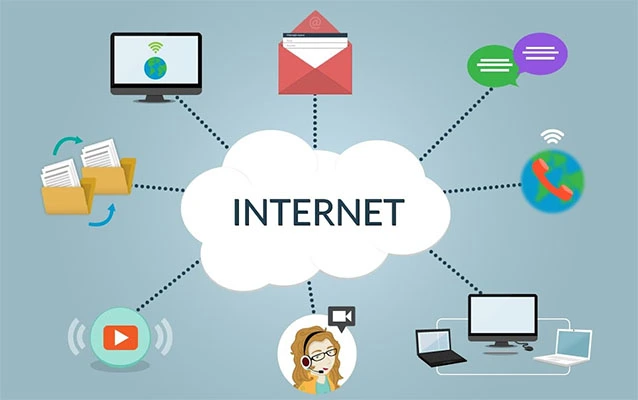
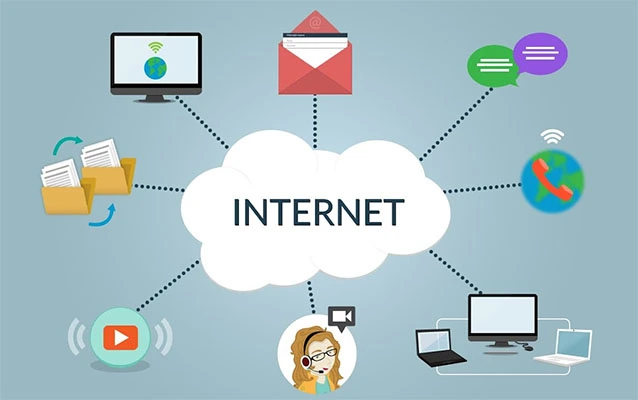
Modern patients expect more convenient care. They bank online, shop online, attend meetings online, and occasionally diagnose their refrigerator noise online. Health care is slowly catching up. Telehealth, home health, mobile clinics, and community-based care make it easier for patients to receive support without always traveling to a hospital or clinic.
Nurses play a central role in this shift. They teach, coach, monitor, explain, translate medical jargon, and help patients follow care plans at home. A nurse working in remote patient monitoring may track blood pressure, glucose readings, oxygen saturation, or weight changes for people with chronic conditions. A home health nurse may help a patient recover after surgery while also noticing fall risks, medication confusion, or lack of food in the refrigerator.
Non-traditional nursing often brings care closer to the patient’s daily life. That matters because health does not happen only during appointments. It happens in kitchens, workplaces, schools, neighborhoods, and bedrooms where patients decide whether to take the pill, call the doctor, eat the low-sodium meal, or ignore the symptom because “it’s probably nothing.” Nurses are often the professionals who help turn care plans into actual habits.
Popular Non-Traditional Nursing Careers
Non-traditional nursing is not one job. It is a wide menu, and unlike hospital cafeteria coffee, some of the options are surprisingly refreshing. Here are some of the fastest-growing and most interesting alternative nursing paths.
Telehealth Nurse
Telehealth nurses provide care by phone, video, messaging platforms, or remote monitoring systems. They may triage symptoms, answer medication questions, support chronic disease management, or guide patients toward the right level of care. A telehealth nurse must be calm, clear, and skilled at assessment without relying on touch. That means listening becomes a clinical superpower.
Virtual Nurse
Virtual nurses often work with hospital teams from a remote location. They may complete admission interviews, review discharge instructions, support documentation, educate patients, and mentor less experienced nurses. Virtual nursing can be especially valuable when hospitals need to use experienced nurses wisely while reducing pressure on bedside teams.
Nurse Informaticist
Nurse informaticists improve the way health care organizations use data and technology. They may help design electronic health records, train staff, analyze clinical data, reduce documentation burden, and improve patient safety. This role is ideal for nurses who like solving workflow puzzles and can say, “The system should not require seventeen clicks to document one blood pressure,” with professional dignity.
Legal Nurse Consultant
Legal nurse consultants use clinical knowledge to help attorneys understand medical records, standards of care, injuries, timelines, and health-related claims. They may work on malpractice cases, personal injury claims, workers’ compensation matters, or insurance disputes. The role requires strong writing, attention to detail, and the ability to explain medical facts without turning the room into a pharmacology lecture.
Forensic Nurse
Forensic nurses care for patients affected by violence, abuse, assault, neglect, or trauma while also supporting evidence collection and legal processes. They may work in hospitals, advocacy centers, correctional settings, or community programs. This specialty requires clinical skill, emotional strength, trauma-informed communication, and a deep commitment to patient dignity.
Public Health Nurse
Public health nurses focus on communities rather than only individual patients. They may support vaccination programs, disease prevention, maternal and child health, emergency preparedness, school health, outreach programs, and health education. Public health nursing is a strong fit for nurses who want to prevent problems before they show up in emergency rooms with paperwork and panic.
Home Health and Hospice Nurse
Home health and hospice nursing are not new, but they are becoming more important as the population ages and more care moves outside hospitals. These nurses help patients manage medications, wounds, mobility issues, chronic illness, recovery plans, and end-of-life needs. They often work independently and must be excellent at assessment, communication, and family education.
Nurse Case Manager
Nurse case managers coordinate care across providers, facilities, insurance plans, and community resources. They help reduce gaps in care, prevent avoidable hospital readmissions, and support patients with complex needs. In a fragmented health care system, nurse case managers are often the human glue holding the plan together.
Occupational Health Nurse
Occupational health nurses work with employers to support workplace safety, injury prevention, employee wellness, regulatory compliance, and return-to-work planning. They may serve manufacturing plants, universities, corporate offices, government agencies, or large health systems. This role blends clinical care, prevention, policy, and business awareness.
Nurse Educator
Nurse educators teach future nurses, train clinical staff, develop continuing education programs, and support professional development. With nursing schools facing capacity challenges, educators are essential. A strong nurse educator does more than explain skills. They help students think like nurses, which is much harder than memorizing lab values and much more useful when a patient suddenly looks worse.
Aesthetic Nurse
Aesthetic nurses work in medical spas, dermatology clinics, plastic surgery practices, and wellness settings. They may assist with injectables, laser treatments, skin care procedures, and patient education. This field can offer flexible scheduling and entrepreneurial opportunities, but it also requires strong training, safety awareness, and ethical practice. Looking natural should never mean practicing casually.
Nurse Entrepreneur
Nurse entrepreneurs build businesses around health coaching, consulting, education, care coordination, staffing, wellness, writing, legal consulting, and digital health services. Entrepreneurship is not the easiest route, but it gives nurses control over their niche, schedule, and brand. It also proves that nursing knowledge has market value far beyond a single job description.
The Role of Nurse Practitioners in the Non-Traditional Nursing Boom
Advanced practice registered nurses, especially nurse practitioners, are a major part of the changing nursing landscape. Nurse practitioners can diagnose conditions, order and interpret tests, prescribe medications, and manage treatment plans, depending on state laws and scope-of-practice rules. Many work in primary care, urgent care, mental health, geriatrics, retail clinics, telehealth companies, rural health programs, and specialty practices.
The growth of nurse practitioners is closely tied to access. Many communities struggle to recruit enough physicians, especially in primary care, mental health, and rural areas. Nurse practitioners help fill those gaps. They are not simply “doctor substitutes,” a phrase that manages to insult two professions at once. They bring a nursing foundation to advanced clinical practice, emphasizing patient education, prevention, communication, and whole-person care.
As demand rises for convenient and community-based care, nurse practitioners are likely to remain central to non-traditional nursing. Retail clinics, telepsychiatry platforms, home-based geriatric care, and chronic disease management programs all depend on clinicians who can combine autonomy with patient-centered communication.
Benefits of Non-Traditional Nursing
Better Career Flexibility
One of the biggest benefits is flexibility. Non-traditional nursing can offer remote work, weekday schedules, part-time options, consulting opportunities, or less physically demanding roles. This matters for nurses who are parents, caregivers, graduate students, older professionals, or simply humans who enjoy seeing daylight on weekends.
Improved Nurse Retention
Alternative nursing careers can keep experienced nurses in the profession. A nurse who can no longer tolerate heavy lifting or rotating night shifts may still have decades of knowledge to offer. Moving into education, case management, informatics, quality improvement, or telehealth allows health care to retain that expertise.
Expanded Patient Access
Non-traditional nurses can reach patients who might otherwise fall through the cracks. Rural patients, older adults, people with disabilities, busy workers, and those with transportation barriers may benefit from telehealth, home care, community programs, and nurse-led outreach.
Stronger Health Systems
When nurses work in technology, leadership, quality, policy, and operations, health systems gain practical insight from people who understand patient care at ground level. This can improve safety, documentation, staffing models, patient education, and care coordination.
Challenges in Non-Traditional Nursing
The rise of non-traditional nursing is promising, but it is not perfect. Some roles require additional certification, graduate education, business skills, or technical training. Remote roles may be competitive because many nurses want them. Telehealth can create licensing complications across state lines. Informatics roles may require comfort with data, project management, and software systems. Entrepreneurship brings freedom, but also taxes, marketing, billing, and the thrilling realization that “being your own boss” means your boss is available 24/7.
There are also concerns about technology replacing human care. Artificial intelligence and automation may help nurses by reducing repetitive work, but they should not erase nursing judgment. Patients are not just data points wearing hospital socks. The best future is not nurse versus technology. It is nurses shaping technology so it supports safer, more personal, more efficient care.
Skills Nurses Need for Alternative Nursing Careers
Nurses moving into non-traditional roles should build both clinical and non-clinical skills. Strong assessment remains essential, but so do communication, writing, digital literacy, leadership, teaching, cultural competence, critical thinking, and comfort with change.
For telehealth, nurses need excellent listening skills and clear patient instructions. For informatics, they need workflow awareness and data curiosity. For case management, they need organization and negotiation. For education, they need patience and the ability to explain complex ideas without making students question every life choice. For entrepreneurship, they need branding, budgeting, networking, and the courage to start before everything feels perfect.
How Nurses Can Move Into Non-Traditional Roles
The best first step is to identify what feels energizing. A nurse who loves teaching may explore education, health coaching, or patient training. A nurse who loves technology may look into informatics or digital health. A nurse who enjoys autonomy may consider home health, hospice, consulting, or advanced practice. A nurse who enjoys investigation may explore legal, forensic, quality, or risk management roles.
Next, nurses should review job postings and note repeated requirements. Some roles ask for certifications, such as case management, informatics, wound care, legal nurse consulting, or specialty practice credentials. Others value experience more than formal credentials. Networking is also powerful. Many non-traditional nursing jobs are easier to understand after talking with someone already doing the work.
A smart transition does not always require quitting immediately. Nurses can start with continuing education, volunteer projects, committee work, freelance writing, mentoring, or part-time roles. The goal is to build a bridge before jumping into the river and hoping the river has Wi-Fi.
The Future of Non-Traditional Nursing
The future of nursing will not be limited to one setting. Hospitals will always need skilled bedside nurses, but more care will continue moving into homes, communities, digital platforms, outpatient centers, and hybrid models. Nurses will be needed not only to deliver care but also to design it, measure it, teach it, coordinate it, and make sure it still feels human.
Non-traditional nursing is rising because health care itself is changing. The profession is expanding into new spaces where clinical knowledge meets technology, access, prevention, business, and patient experience. This creates opportunities for nurses and better options for patients.
The heart of nursing has not changed. Nurses still assess, advocate, educate, comfort, and protect. What has changed is the map. The nurse of the future may be at the bedside, on a laptop, in a patient’s home, behind a data dashboard, leading a startup, teaching a class, or coordinating care across an entire system. Wherever they are, the work remains unmistakably nursing.
Experience Notes: What the Rise of Non-Traditional Nursing Looks Like in Real Life
One of the most interesting things about non-traditional nursing is that many nurses do not plan to enter it at first. They discover it after real life interrupts the perfect career plan. A nurse may start in a busy hospital unit, learn quickly, become excellent under pressure, and then realize that constant short staffing, missed lunches, night shifts, and emotional overload are not sustainable forever. That does not mean the nurse has failed. It means the profession needs more than one doorway.
Imagine an experienced medical-surgical nurse who has spent years juggling admissions, discharges, call lights, medication passes, family updates, and the mysterious disappearance of every working blood pressure cuff on the unit. She knows patient education inside and out. She can spot early decline before the monitor screams. But after years of physical strain, she moves into virtual nursing. Now she supports bedside teams by completing admission histories, explaining discharge instructions, and answering patient questions through video. Her knowledge is still saving time, reducing confusion, and improving care. The difference is that her knees are finally getting a vote.
Or consider a nurse who loves patterns. At the bedside, he notices that medication delays often happen after certain documentation steps. Instead of only complaining in the break room, although that is a sacred nursing tradition, he moves into informatics. He helps redesign workflows so nurses can document more efficiently and spend less time fighting the computer. His clinical experience gives him credibility because he knows what actually happens during a shift, not just what a software demo promises will happen.
Another nurse may find meaning in home health. In a hospital, she saw patients for two or three intense days. In home care, she sees the whole picture: the loose rug that could cause a fall, the expired medication bottles, the overwhelmed spouse, the patient who nods politely but has no idea how to use the inhaler. This kind of nursing can be deeply personal. It requires independence, judgment, and flexibility. There is no supply room down the hall, so preparation matters. So does creativity.
Some nurses move into case management after realizing that many patients do not need more instructions; they need help navigating the maze. The prescription is too expensive. The follow-up appointment is across town. The specialist does not take the insurance plan. The patient’s daughter is managing three jobs and one very stubborn father. Nurse case managers help connect the dots. Their work may not look dramatic, but preventing one avoidable readmission can change a patient’s entire month.
Non-traditional nursing also offers a new emotional rhythm. Not every alternative role is easier, but many are different. A forensic nurse carries heavy stories but helps patients during some of the most vulnerable moments of their lives. A public health nurse may not get applause, but a successful vaccination clinic or community education program can protect hundreds of people. A nurse educator may spend evenings grading care plans and wondering why everyone uses the word “monitor” without explaining how, but then a former student becomes a confident nurse, and the effort makes sense.
The biggest lesson from these experiences is simple: nursing is not one career. It is a professional foundation. Once a nurse develops assessment skills, clinical judgment, communication, and patient advocacy, those skills can travel. Non-traditional nursing gives nurses permission to evolve without abandoning the identity they worked so hard to earn. It also reminds the health care system that nurses are not just task-doers. They are problem-solvers, teachers, designers, leaders, and innovators.
For nurses feeling stuck, the rise of non-traditional nursing offers hope. A career can change shape. A nurse can leave the bedside without leaving patients behind. A nurse can choose technology, education, consulting, home care, public health, advanced practice, or entrepreneurship and still be doing meaningful nursing work. The future of nursing is not smaller than the past. It is wider, more flexible, and finally catching up with the full range of what nurses can do.
Conclusion
The rise of non-traditional nursing is more than a career trend. It is a response to the realities of modern health care: workforce pressure, burnout, digital transformation, an aging population, and patients who need support in more convenient and personal ways. Traditional bedside care remains essential, but nursing is no longer confined to hospital rooms and shift reports. Today’s nurses are shaping telehealth, informatics, home care, public health, legal consulting, education, advanced practice, entrepreneurship, and virtual care.
For nurses, this shift creates more freedom and more ways to stay in the profession. For patients, it can mean better access, clearer education, and care that reaches beyond the clinic. For health systems, it offers a chance to use nursing expertise more intelligently. Non-traditional nursing is not replacing traditional nursing. It is expanding the profession’s reach. And frankly, it is about time the world noticed that nurses can run much more than a unitthey can help run the future of health care.
Note: This article is based on current U.S. nursing workforce trends, labor data, professional nursing guidance, and real developments in telehealth, informatics, advanced practice nursing, home-based care, and nurse-led career innovation.