Building a wider back is one of the fastest ways to make your entire upper body look more athletic. You can have decent arms, a respectable chest, and shoulders that try their best, but when your back starts spreading like a superhero cape, the whole physique changes. Shirts fit differently. Posture improves. Your silhouette gets that classic V-taper: broad up top, narrower at the waist, and noticeably stronger from every angle.
The trick is that a wider back does not come from randomly yanking heavy things and hoping your lats get the memo. It comes from training the right muscles, using smart exercise selection, applying progressive overload, eating enough to recover, and repeating the process long enough for your body to say, “Fine, we live here now.”
This guide breaks down how to get a wider back with practical workouts, form cues, nutrition tips, and real-world lessons that make the difference between “I did pulldowns once” and “my back has entered the chat.”
What Actually Makes Your Back Look Wider?
When people talk about back width, they are usually talking about the latissimus dorsi, better known as the lats. These large, wing-like muscles run along the sides of your back and help with pulling your arms down, pulling your elbows toward your body, and creating that wide upper-body shape.
But the lats are not the only players. A truly impressive back also includes the teres major, traps, rhomboids, rear delts, spinal erectors, and smaller stabilizing muscles that keep your shoulder blades moving properly. Think of the lats as the main stage performer and the rest of the back as the band. Without the band, the show gets awkward fast.
For a wider back, your training should include two major pulling patterns:
- Vertical pulls: Pull-ups, chin-ups, assisted pull-ups, and lat pulldowns. These are excellent for lat width.
- Horizontal pulls: Seated rows, dumbbell rows, chest-supported rows, cable rows, and inverted rows. These build thickness, posture, and upper-back balance.
If you only do vertical pulls, you may build some width but miss out on density. If you only do rows, you may build a strong back without maximizing the wide V-shape. The magic is in combining both.
The Best Exercises to Get a Wider Back
1. Pull-Ups
Pull-ups are one of the most effective back exercises because they train the lats, upper back, arms, grip, and core at the same time. They are also brutally honest. A pull-up bar does not care about your excuses, your playlist, or your gym outfit. It simply asks, “Can you pull your body up or not?”
Use a shoulder-width or slightly wider grip. Start from a controlled hang, pull your shoulder blades down, drive your elbows toward your ribs, and lift until your chin clears the bar. Lower under control. Avoid kicking, swinging, or turning the movement into a dramatic interpretive dance.
If full pull-ups are too difficult, use an assisted pull-up machine, resistance band, or slow negative reps. Even inverted rows can help you build the strength needed for your first clean pull-up.
2. Lat Pulldowns
The lat pulldown is a fantastic exercise for building back width, especially for beginners and intermediate lifters. It allows you to train the same general pulling pattern as a pull-up while adjusting the resistance to your current strength level.
Sit tall, brace your core, and pull the bar toward your upper chest. Focus on bringing your elbows down and slightly back. Do not yank the bar behind your neck, lean back excessively, or turn every rep into a full-body tug-of-war. Your lats should do the work, not your ego.
For most people, a medium grip works better than an extremely wide grip. Too wide can shorten the range of motion and reduce control. A grip just outside shoulder width usually lets you feel the lats more clearly.
3. One-Arm Dumbbell Rows
The one-arm dumbbell row is excellent for building both width and thickness. Because each side works independently, it also helps correct strength imbalances. If one lat has been freeloading while the other pays rent, this exercise will expose it.
Support one hand on a bench, keep your spine neutral, and row the dumbbell toward your hip rather than straight up toward your shoulder. Pulling toward the hip helps bias the lats. Keep the movement controlled and avoid twisting your torso like you are trying to start a lawn mower from 1998.
4. Seated Cable Rows
Seated cable rows are reliable, adjustable, and easy to progress. They train the lats, rhomboids, traps, rear delts, and biceps. Use a neutral grip handle if your goal is a balanced pull with strong lat involvement.
Start with your arms extended, let your shoulder blades move forward slightly, then pull the handle toward your lower ribs or upper abdomen. Squeeze your back at the end without leaning so far backward that the movement becomes a seated limbo contest.
5. Chest-Supported Rows
Chest-supported rows reduce lower-back strain and make it easier to focus on the target muscles. This is especially helpful if your lower back gets tired before your upper back does during bent-over rows.
Set an incline bench, lie chest-down, and row dumbbells or a bar toward your torso. Pause briefly at the top. This exercise is great for people who want strict form, controlled reps, and fewer opportunities to cheat.
6. Straight-Arm Pulldowns
Straight-arm pulldowns isolate the lats more directly than many compound pulling exercises. Stand in front of a cable machine, hold a rope or straight bar, keep your arms mostly straight, and pull from shoulder height down toward your thighs.
The key is to feel your lats shorten as your arms travel down. Do not bend your elbows too much or let your triceps take over. Think of pushing the bar down in a smooth arc while keeping your ribs down and core braced.
7. Inverted Rows
Inverted rows are underrated. They are beginner-friendly, scalable, and effective for building pulling strength. Use a barbell in a rack, suspension straps, or a sturdy table if you are training at home.
The more horizontal your body is, the harder the exercise becomes. Keep your body straight, pull your chest toward the bar, and lower with control. If pull-ups are the final boss, inverted rows are the training montage.
How Many Sets and Reps Should You Do?
To build a wider back, train your back two to three times per week. Most lifters do well with 10 to 16 challenging back sets per week, split across vertical and horizontal pulling movements.
A practical weekly structure might look like this:
- Vertical pulling: 6 to 8 weekly sets of pull-ups or lat pulldowns
- Horizontal rowing: 6 to 8 weekly sets of rows
- Lat isolation: 2 to 4 weekly sets of straight-arm pulldowns or pullovers
- Rear delts and upper back: 2 to 4 weekly sets of face pulls or reverse flyes
For muscle growth, use a mix of rep ranges. Heavy rows or pull-ups can work well for 5 to 8 reps. Pulldowns, cable rows, and dumbbell rows often shine in the 8 to 12 rep range. Isolation movements like straight-arm pulldowns and rear-delt flyes can work well for 12 to 20 reps.
The final few reps of each set should feel challenging, but your form should stay clean. If your last reps look like a fish escaping a cooler, reduce the weight.
A Simple Wider Back Workout Plan
Workout A: Width Focus
- Pull-ups or assisted pull-ups: 4 sets of 5 to 8 reps
- Lat pulldowns: 3 sets of 8 to 12 reps
- One-arm dumbbell rows: 3 sets of 8 to 12 reps per side
- Straight-arm pulldowns: 3 sets of 12 to 15 reps
- Face pulls: 2 sets of 15 to 20 reps
Workout B: Thickness and Control Focus
- Chest-supported rows: 4 sets of 8 to 10 reps
- Seated cable rows: 3 sets of 10 to 12 reps
- Neutral-grip pulldowns: 3 sets of 8 to 12 reps
- Inverted rows: 3 sets close to technical failure
- Reverse dumbbell flyes: 2 sets of 12 to 20 reps
Alternate these sessions during the week. For example, do Workout A on Monday and Workout B on Thursday. If you train back three times per week, make the third day lighter and focus on technique, stretching, and controlled volume rather than trying to destroy your nervous system for sport.
Progressive Overload: The Rule That Makes Your Back Grow
Your back gets wider when it has a reason to adapt. That reason is progressive overload: gradually increasing the training challenge over time. You can do this by adding weight, adding reps, adding sets, improving range of motion, slowing the lowering phase, or using better form with the same load.
Do not try to progress everything at once. That is how people turn a smart program into a circus with dumbbells. Pick one main goal per exercise. For example, if you can do lat pulldowns for 3 sets of 10 reps with 120 pounds, try to reach 3 sets of 12 before increasing the weight. Once you can do all sets at the top of the rep range, add a small amount of weight and build back up.
This method is simple, measurable, and boring in the best possible way. Muscle growth loves boring consistency. Flashy chaos looks cool on social media, but your lats prefer receipts.
Form Tips That Help You Feel Your Lats
Many people struggle to build a wider back because their biceps take over every pulling movement. If your arms are always fried but your lats feel like they stayed home, adjust your technique.
- Lead with your elbows: Think about driving your elbows down or back instead of pulling with your hands.
- Use straps when needed: If grip fails first, straps can help you train your back harder.
- Control the stretch: Let your lats lengthen at the top of pulldowns and rows without losing shoulder control.
- Avoid shrugging: Keep your shoulders away from your ears during lat-focused work.
- Slow down: A controlled lowering phase increases tension and improves awareness.
Another useful cue is to imagine putting your elbows into your back pockets during pulldowns and rows. It sounds strange, but it helps many lifters shift attention from the hands to the lats.
Nutrition for a Wider Back
You cannot build a wider back out of vibes, black coffee, and one lonely protein bar. Muscle growth requires training stimulus, recovery, and enough nutrition to support repair.
Start with protein. Most active people trying to build muscle benefit from spreading high-quality protein across the day. Good options include eggs, chicken, turkey, fish, Greek yogurt, cottage cheese, lean beef, tofu, tempeh, beans, lentils, and protein powder if whole foods are not convenient.
Calories matter too. If you are very lean and eating too little, your body may not have the resources to add muscle efficiently. A small calorie surplus can help. If you carry extra body fat, you may still build muscle while eating around maintenance or in a modest deficit, especially if you are newer to strength training.
Carbohydrates are also useful. They fuel hard training sessions and help you perform enough quality volume. Rice, potatoes, oats, fruit, whole-grain bread, and pasta are not enemies. They are gym batteries with better branding.
Recovery: Where the Width Is Built
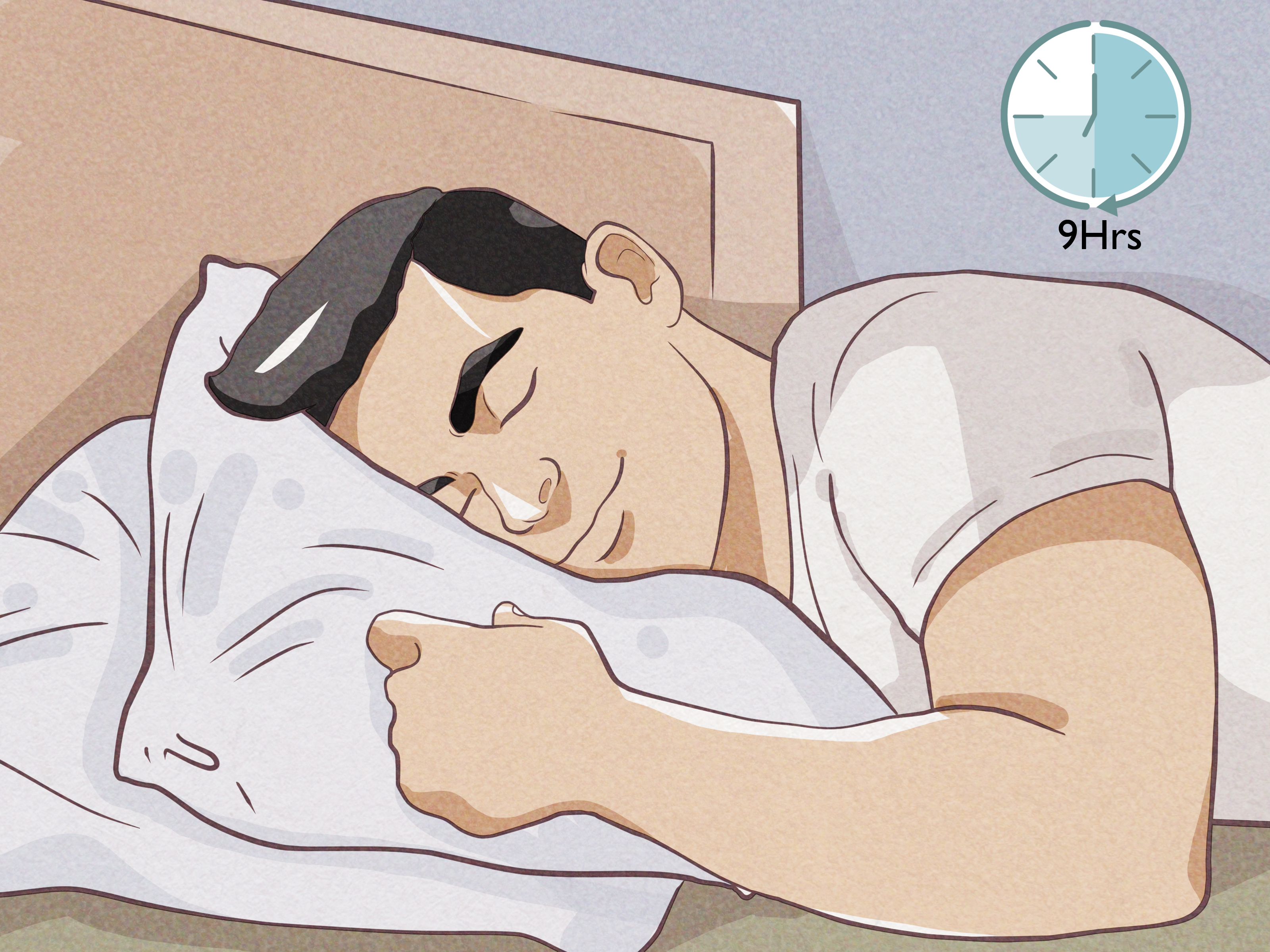
Training tells your back to grow. Recovery gives it the chance. Sleep, rest days, hydration, and stress management all affect results. If you train back hard every day, your body may respond by giving you sore elbows, cranky shoulders, and the personality of a haunted chair.
Aim for at least one full day between hard back sessions. Warm up before heavy pulling. Start with lighter sets, increase gradually, and pay attention to joint discomfort. Muscle fatigue is normal. Sharp pain is not a badge of honor; it is a warning light.
Stretching your lats, chest, and shoulders can also help you maintain better overhead positions and pulling mechanics. Try a hanging lat stretch, child’s pose with hands extended, or a bench lat stretch after training.
Common Mistakes That Stop Back Width Progress
Using Too Much Weight
If the weight is so heavy that you cannot control the movement, your lats are probably not getting the best stimulus. Reduce the load and make the reps cleaner. Your muscles do not know the number on the stack; they know tension.
Only Doing Wide-Grip Pulldowns
Wide grip does not automatically mean wide back. A grip that is too wide can reduce range of motion and make it harder to engage the lats. Use a variety of grips: neutral, shoulder-width, slightly wide, and single-arm.
Skipping Rows
Rows build the upper and mid-back muscles that support posture and create a dense, powerful look. Without rows, your back plan is like a pizza with only crust. Technically food, but we can do better.
Changing Workouts Too Often
Muscles grow from repeated progress, not constant novelty. Keep your main exercises for at least six to eight weeks. Track your sets, reps, and weights. If you are not measuring, you are guessing with confidence.
Ignoring Recovery
More is not always better. Better is better. If your performance drops every week, sleep is terrible, and your elbows hurt, your body is not being lazy. It is filing a complaint.
How Long Does It Take to Get a Wider Back?
Beginners may notice strength improvements within a few weeks because the nervous system adapts quickly. Visible changes usually take longer. Many people start seeing clearer back development after 8 to 12 weeks of consistent training, with more dramatic changes over 6 to 12 months.
Your timeline depends on training history, genetics, nutrition, sleep, body fat level, and consistency. Some people build lats quickly. Others need more time and more careful exercise selection. Either way, the back responds well to patience. You are not microwaving popcorn; you are slow-cooking muscle.
of Real-World Experience: What Actually Helps When Training for a Wider Back
The biggest lesson from training for a wider back is that feeling the right muscles matters more than simply moving the most weight. Many lifters begin with lat pulldowns and rows, but they turn every exercise into an arm workout. Their biceps burn, their forearms pump, and their lats remain mysterious background characters. Once they learn to pull with the elbows, pause in the contracted position, and control the stretch, the entire workout changes.
A practical experience many people share is that pull-ups are humbling but incredibly useful. At first, even one clean rep may feel impossible. That does not mean the exercise is “not for you.” It means you need a progression. Assisted pull-ups, banded pull-ups, slow negatives, and inverted rows can build the pattern. After several weeks, the first full pull-up often arrives almost unexpectedly. It feels less like fitness and more like unlocking a new character in a video game.
Another important experience is learning that rows are not optional. Many people chase back width by doing endless pulldowns, but their posture and back shape improve faster when rows become a priority. A chest-supported row teaches strict control. A one-arm dumbbell row helps you notice left-right differences. A cable row lets you keep tension through the whole movement. Together, these exercises make the back look more complete.
Grip fatigue is another real issue. Sometimes the back is strong enough to continue, but the hands give up first. This is especially common on heavy rows, pull-ups, and high-rep pulldowns. Using lifting straps on some working sets is not cheating. It is a tool. You can still train grip separately, but you do not need to let tired fingers limit your lat growth.
Progress also improves when workouts are logged. The mirror can be emotionally unreliable. One day you look wider; the next day bad lighting convinces you that you have been training for nothing. A training log is more honest. If your pulldown went from 100 pounds for 10 reps to 140 pounds for 10 reps, and your rows improved too, your back is almost certainly growing.
Recovery becomes more important as the workouts get harder. Beginners can often recover from almost anything, but intermediate lifters learn quickly that sleep, food, and rest days are not boring details. They are part of the program. A sore back is normal; sore shoulders, angry elbows, and constant fatigue are signs that volume or technique needs adjusting.
Finally, the most useful experience is patience. A wider back is built through months of consistent pulling, eating, recovering, and gradually getting stronger. There is no single magic exercise, no secret grip, and no 10-minute shortcut that replaces effort. But the process is very rewarding. One day, you put on a shirt that used to fit normally, and suddenly the upper back feels tighter. That is the quiet victory. The lats have arrived, and apparently, they brought luggage.
Conclusion
Getting a wider back is simple in theory but demanding in practice. Train your lats with vertical pulls, build density with rows, include isolation work when needed, and use progressive overload to keep improving. Support your workouts with enough protein, calories, sleep, and recovery. Most importantly, stay consistent long enough for the results to show.
A wider back is not built by one heroic workout. It is built by many solid workouts stacked together over time. Pull well, row often, recover properly, and your V-taper will stop being a wish and start becoming visible evidence.