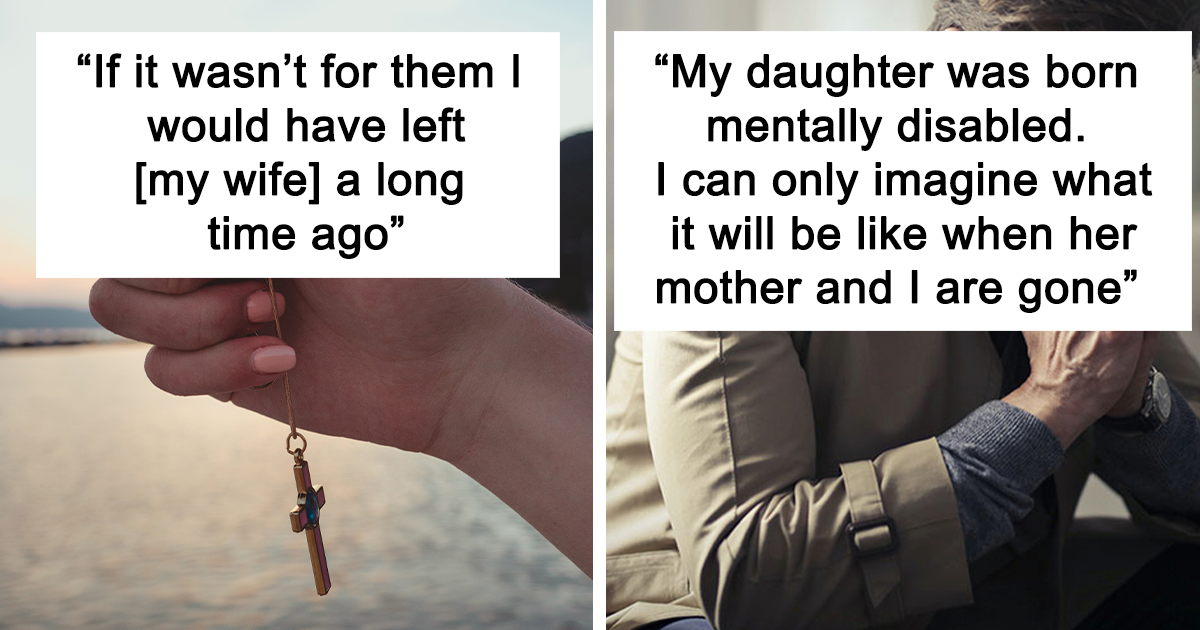
Note: This article is written for editorial and informational purposes. It explores common regrets parents talk about honestly, while recognizing that regret, love, exhaustion, and gratitude can exist in the same messy human heart.
Parenting is often advertised like a warm commercial: tiny socks, sleepy cuddles, first steps, refrigerator art, and a kitchen full of waffles on a Saturday morning. Then real life arrives wearing a yogurt-stained T-shirt, holding a broken crayon, and asking where its other shoe is while you are already late.
That is where the honesty begins. Many parents love their children deeply and still admit they regret parts of having kids. Some regret the timing. Some regret the partner they chose. Some regret losing their old identity, career momentum, sleep, money, freedom, body confidence, friendships, or peace and quiet. Some do not regret their children as people, but they do regret stepping into parenthood without understanding the full price of the ticket.
The keyword here is not “bad parent.” It is “human.” Parental regret is rarely simple. It can sound shocking because society expects parents, especially mothers, to speak about children with endless gratitude and maybe one cute joke about coffee. But behind closed doors, many parents are carrying complicated feelings. They are not villains. They are exhausted adults trying to love small humans while also missing the version of themselves who could finish a sentence, a sandwich, or a thought.
Why Parental Regret Is More Common Than People Admit
The modern parenting experience is intense. Parents are expected to be emotionally available, financially stable, career-focused, educationally involved, screen-time experts, nutrition managers, family therapists, sleep consultants, safety officers, and birthday-party event planners. All of this happens while rent, childcare, healthcare, groceries, and school expenses keep doing their little tap dance on the family budget.
Many parents do not regret the existence of their children. They regret the lack of support. They regret how little society prepares people for the repetitive labor of raising children. They regret being told, “You’ll figure it out,” when what they really needed was affordable childcare, paid leave, a reliable partner, honest conversations, and someone to hold the baby while they showered for longer than 90 seconds.
That is why honest stories from parents matter. They break the fantasy that love automatically cancels out exhaustion. It does not. You can adore your child and still feel trapped by the job of parenting. You can laugh at toddler logic and still wonder what happened to your social life. You can be grateful and grieving at the same time.
50 Honest Regrets Parents Often Share
1. “I regret not waiting until I was more emotionally ready.”
Some parents say they entered parenthood before they had healed from childhood wounds, anxiety, anger, or insecurity. A baby does not magically repair emotional cracks. Sometimes, it shines a flashlight directly on them.
2. “I regret having kids with the wrong person.”
This is one of the most painful regrets. A difficult co-parenting relationship can turn normal parenting stress into a daily obstacle course with no water station.
3. “I regret thinking love would be enough.”
Love matters, but it does not pay daycare invoices, divide chores fairly, or make sleep deprivation adorable. Parents often wish they had planned more realistically.
4. “I regret losing my independence.”
Before kids, leaving the house could be spontaneous. After kids, leaving the house can feel like launching a small expedition with snacks, wipes, jackets, chargers, and emotional negotiations.
5. “I regret not traveling more before becoming a parent.”
Many parents miss the ease of booking a flight without calculating nap schedules, car seats, strollers, and whether the hotel room has enough space for everyone to melt down privately.
6. “I regret underestimating the cost.”
Children are wonderful, but they are not budget-friendly. Childcare, food, clothing, medical visits, school supplies, activities, and surprise expenses can make even careful parents feel financially cornered.
7. “I regret not building my career first.”
Some parents feel they lost professional momentum. Promotions, training, relocation opportunities, and long-term goals became harder once caregiving responsibilities multiplied.
8. “I regret assuming my partner would change.”
A baby rarely turns an unreliable partner into a dependable teammate. Many parents wish they had paid closer attention to household habits, emotional maturity, and conflict style before having children.
9. “I regret not protecting my mental health.”
Parenthood can intensify depression, anxiety, burnout, and stress. Many parents wish they had asked for help earlier instead of pretending they were fine while quietly falling apart.
10. “I regret how much sleep I lost.”
Sleep deprivation is not just being tired. It can affect mood, memory, patience, and decision-making. Parents often joke about it, but the impact can be serious.
11. “I regret having kids because everyone said I should.”
Social pressure is powerful. Some people became parents because family, culture, religion, or tradition made parenthood feel mandatory instead of optional.
12. “I regret not knowing myself better.”
Some parents discover too late that they need solitude, quiet, flexibility, or control more than they realized. Children, charming as they are, are not famous for respecting personal space.
13. “I regret becoming a parent too young.”
Young parents may feel they skipped a season of self-discovery. While friends were exploring life, they were comparing diaper brands and learning the dark art of installing car seats.
14. “I regret becoming a parent too late.”
Other parents wish they had started sooner, when they had more energy or when their own parents were younger and able to help.
15. “I regret not having a stronger support system.”
Raising children without nearby family, trusted friends, or community support can feel brutally isolating. The phrase “it takes a village” is sweet until you realize your village moved away or charges by the hour.
16. “I regret the pressure to be perfect.”
Parents often feel judged for every choice: breastfeeding or formula, public school or private school, screen time or no screen time, snacks with sugar or snacks that taste like cardboard optimism.
17. “I regret losing my hobbies.”
Painting, gaming, hiking, reading, music, sports, and creative projects can disappear under laundry and lunchboxes. Parents may miss the activities that made them feel like themselves.
18. “I regret how parenting changed my marriage.”
Children can bring joy, but they also add stress, less sleep, less intimacy, more chores, and more chances to argue about who forgot to refill the diaper bag.
19. “I regret having more children than I could handle.”
Some parents love each child deeply but admit that the number of children exceeded their emotional, financial, or physical capacity.
20. “I regret not stopping at one child.”
Parents sometimes say life felt manageable with one, then overwhelming with two or more. The jump can be larger than expected.
21. “I regret not having another child.”
Regret can go both ways. Some parents wish they had expanded their family but waited too long or felt unable because of money, health, or relationship issues.
22. “I regret losing friendships.”
Parenthood can rearrange social circles. Child-free friends may drift away, and making new parent friends can feel like dating, but with more crackers in your bag.
23. “I regret the constant worry.”
Many parents did not expect the mental load of worrying about safety, health, school, friendships, bullying, technology, and the future.
24. “I regret how much my body changed.”
Pregnancy, birth, stress, sleep loss, and limited time for self-care can change a parent’s body and confidence. This regret is often wrapped in shame, even though it should be met with compassion.
25. “I regret not setting boundaries with relatives.”
Grandparents, in-laws, siblings, and extended family can be helpful or intrusive. Some parents wish they had said “no” earlier and louder.
26. “I regret being too strict.”
Looking back, some parents wish they had offered more patience, softness, and understanding instead of rules, lectures, and consequences on autopilot.
27. “I regret being too permissive.”
Others wish they had created clearer routines and boundaries before small habits became big family battles.
28. “I regret not enjoying the little years more.”
Parents often hear, “Enjoy every moment,” which is annoying when someone is screaming over the wrong color cup. Still, many later wish they had taken more photos, more pauses, and more mental snapshots.
29. “I regret wishing time away.”
It is normal to think, “I can’t wait until they sleep through the night,” or “I can’t wait until school starts.” Some parents later feel sad that survival mode kept them from noticing sweetness.
30. “I regret not teaching life skills earlier.”
Chores, money habits, cooking, emotional regulation, and responsibility are easier to build slowly than to suddenly demand from a teenager who thinks the dishwasher is a mysterious metal cave.
31. “I regret letting screens become the babysitter.”
Screens can be useful, especially when parents need a break. But some parents wish they had created healthier media habits before devices became daily conflict.
32. “I regret not taking more videos.”
Funny voices, tiny mispronunciations, bedtime stories, and first attempts at independence can vanish quickly. Parents often miss the everyday magic they were too tired to record.
33. “I regret yelling.”
Many parents carry guilt over moments when stress came out too loudly. Repairing with children matters, but the regret can linger.
34. “I regret not apologizing sooner.”
Some parents were raised to believe adults should never admit fault. Later, they realize apologies teach children accountability better than pretending parents are always right.
35. “I regret comparing my kids to others.”
Comparison steals joy from both parent and child. Every child develops differently, and parenting is not a standardized test, no matter what the playground philosophers imply.
36. “I regret not saving money earlier.”
Emergency funds, college savings, insurance, and basic budgeting become more urgent when children depend on you.
37. “I regret ignoring red flags in my child’s behavior.”
Some parents wish they had sought support earlier for learning differences, anxiety, social struggles, or emotional challenges.
38. “I regret over-scheduling them.”
Sports, lessons, clubs, tutoring, and enrichment can become too much. Children need opportunities, but they also need boredom, rest, and time to become themselves.
39. “I regret not making family traditions.”
Traditions do not have to be expensive. Pancake Sundays, movie nights, birthday letters, or yearly photos can become emotional anchors.
40. “I regret making everything about achievement.”
Grades, awards, and performance matter less than character, resilience, kindness, and knowing how to keep going after failure.
41. “I regret forgetting my partner and I were a team.”
Parenting can turn adults into logistics managers. Some couples wish they had protected connection instead of only discussing bills, schedules, and who bought the tiny socks.
42. “I regret not asking for help.”
Many parents thought needing help meant failing. In reality, parenting without help is like trying to assemble furniture in the dark while someone throws cereal at you.
43. “I regret trying to do everything myself.”
Control can feel safer than delegation, but it can also create resentment. Letting others help imperfectly is sometimes better than doing everything perfectly alone.
44. “I regret not listening more.”
Children often communicate through behavior before they have the words. Parents may later wish they had asked more questions and assumed less.
45. “I regret being distracted.”
Phones, work, stress, and endless tasks can pull attention away from children. Many parents wish they had been more present during ordinary moments.
46. “I regret not preparing for the teenage years.”
Teenagers need guidance, privacy, respect, and boundaries. Parents who only prepared for babyhood can feel blindsided when parenting becomes less physical and more emotional.
47. “I regret letting guilt make decisions.”
Guilt can lead to overbuying, overexplaining, overprotecting, or avoiding necessary limits. Healthy parenting requires love, not constant self-punishment.
48. “I regret not being honest about how hard it was.”
Silence isolates parents. When everyone pretends parenting is effortless, struggling parents assume they are the only ones drowning in laundry and complicated feelings.
49. “I regret losing myself completely.”
Some parents become so focused on their children that they forget their own dreams, friendships, health, and identity. Later, they must rebuild from the question, “Who am I now?”
50. “I regret believing regret meant I didn’t love my child.”
This may be the most important one. Regret does not automatically erase love. Many parents can honestly say, “I love my child more than anything, and this is still harder than I ever imagined.”
The Big Themes Behind These Parenting Regrets
Loss of Freedom
Before children, freedom can feel ordinary. After children, it becomes rare and expensive. Parents miss sleeping in, going out spontaneously, working late without guilt, or doing absolutely nothing without someone asking for a snack. The regret is not always about wanting a child-free life forever. Sometimes it is about mourning the ease they did not know they had.
Financial Pressure
Money is one of the least romantic but most powerful parts of family life. Childcare costs can compete with housing costs. Medical bills, school fees, clothing, activities, transportation, and food add up quickly. Parents may regret not understanding that raising a child is not one big expense; it is thousands of small expenses wearing a trench coat.
Mental Load
The mental load includes remembering doctor appointments, shoe sizes, permission slips, food preferences, emotional triggers, school events, teacher emails, family birthdays, and whether the favorite stuffed animal is in the washing machine. Many parents regret how invisible this work is, especially when one parent carries more of it.
Relationship Strain
Children can bring couples closer, but they can also expose every weak spot. Unequal chores, different parenting styles, money stress, and lack of sleep can turn small annoyances into ongoing resentment. Some parents regret not strengthening their relationship before adding children to it.
Identity Loss
Parenthood can be beautiful, but it can also swallow identity whole. A person who once had hobbies, style, opinions, and goals may suddenly become “Mom” or “Dad” first, last, and always. Many parents regret not protecting a small corner of life that belonged only to them.
What Parents Wish They Had Known Before Having Kids
Many parents wish someone had told them the truth without wrapping it in pastel paper. They wish they had known that parenting can be boring and magical in the same afternoon. They wish they had known that resentment does not mean they are monsters; it means something in the family system needs attention. They wish they had known that the baby stage is not the only hard stage, just the loudest one at 3 a.m.
They also wish they had known that support matters more than parenting gadgets. A fancy stroller is nice. A trusted person who lets you nap for two hours is better. The best baby shower gift may not be another blanket; it may be a meal, a cleaning service, a therapy session, a childcare fund, or a friend who says, “Tell me the truth. How are you really?”
Does Regret Mean Someone Should Not Have Become a Parent?
Not always. Regret can mean many things. It can mean a parent needed more help. It can mean they were pressured into a life choice. It can mean they love their child but hate the social conditions around parenting. It can mean they are burned out, depressed, lonely, or grieving lost possibilities.
However, regret should be taken seriously. If a parent constantly feels trapped, numb, angry, hopeless, or unable to cope, that is not something to dismiss with “Welcome to parenthood!” They deserve real support from healthcare professionals, trusted family, community resources, and practical help. Children benefit when parents are supported, not when parents are shamed into silence.
How Parents Can Cope With Regret Without Drowning in Guilt
Name the Feeling Honestly
Saying “I regret parts of parenthood” is different from saying “I do not love my child.” Honest language can reduce shame and help parents identify what needs to change.
Separate the Child From the Job
A parent may love the child but feel overwhelmed by the work, cost, isolation, or pressure of parenting. That distinction matters.
Ask for Specific Help
Instead of saying, “I need help,” try, “Can you watch the kids on Saturday morning?” or “Can you bring dinner Tuesday?” Specific requests are easier for others to answer.
Protect Adult Identity
Even small rituals help: a walk alone, a weekly hobby, a class, a quiet coffee, a gym session, a book club, or 20 minutes without anyone touching your sleeve.
Repair, Do Not Pretend
Every parent makes mistakes. Repairing with children by apologizing, reconnecting, and changing behavior is more powerful than pretending nothing happened.
Additional Real-Life Experience: What These Regrets Feel Like Day to Day
One of the hardest parts of parental regret is that it rarely arrives as one dramatic movie scene. It usually appears in tiny daily moments. It shows up when a parent sits in the car after grocery shopping, gripping the steering wheel for two silent minutes before going back inside. It shows up when they see old friends posting vacation photos and feel happy for them, then unexpectedly jealous, then guilty for being jealous. It shows up when a parent realizes they have not eaten a real lunch, finished a thought, or heard their own favorite music in weeks because the car has become a rolling kingdom of children’s songs.
For many parents, regret is strongest during transitions. The first baby can feel like a total identity earthquake. The second child can make life feel mathematically unfair: two children, two hands, zero spare brains. The school years bring different pressure, including homework, behavior notes, class events, social drama, and the quiet fear that every parenting choice is shaping a future adult. Then the teen years arrive, and suddenly the child who once needed help tying shoes needs emotional privacy, digital boundaries, and guidance through a world that feels much bigger than the one their parents grew up in.
Some parents regret the emotional version of themselves that parenting revealed. They expected to be patient, playful, and wise. Instead, they discovered they could be irritable, overstimulated, controlling, or avoidant. This can be painful, but it can also become a turning point. Parenting often exposes unfinished business. A parent who was never allowed to express feelings may struggle when a child has big emotions. A parent raised with criticism may accidentally repeat criticism. A parent who grew up with instability may become overly protective. Regret can become useful when it leads to reflection instead of shame.
Other parents regret the social loneliness. People often show up for the baby shower, the birth announcement, and the cute photos. Fewer people show up six months later when the parent is exhausted, the house is messy, and the novelty has worn off. This is when many parents realize that modern family life can be strangely isolated. They may live far from relatives, work long hours, or feel embarrassed admitting they are not enjoying parenthood the way they thought they would. The result is a private loneliness that can make normal challenges feel like personal failure.
There is also the regret of impossible standards. Parents are told to be gentle but firm, ambitious but present, protective but not anxious, fun but structured, informed but not obsessive, and relaxed while somehow tracking every developmental milestone. No wonder so many feel as if they are always doing it wrong. The truth is that children do not need perfect parents. They need safe, loving, repairing parents who keep learning.
The most honest parents often say the same thing in different words: “I wish I had known.” They wish they had known how expensive it would be. They wish they had known how much help they would need. They wish they had chosen a better partner, waited longer, started therapy sooner, saved more money, or ignored the pressure to make parenthood look effortless. Their honesty is not an attack on children. It is a warning label for a life stage that society too often sells as all joy and no invoice.
And still, many of those same parents describe moments of fierce love: a sleepy hand reaching for theirs, a child laughing with their whole face, a teenager finally opening up during a late-night drive, a small voice saying, “I love you,” right when the parent feels like a complete disaster. Parenthood can be both the hardest thing someone has done and the place where they discover a new kind of love. That contradiction is not neat, but it is real.
Conclusion
When parents get raw and honest about what they regret about having kids, they are not always saying they wish their children did not exist. Often, they are saying they wish they had been better prepared, better supported, better partnered, better rested, and better protected from impossible expectations.
Parenting regret deserves compassion, not outrage. It opens a door to better conversations about mental health, childcare, money, relationships, identity, and community. It reminds future parents to choose carefully, plan honestly, and understand that children are not lifestyle accessories. They are full human beings who require time, patience, money, energy, and emotional maturity.
For current parents, the message is not “Feel guilty.” The message is “Tell the truth.” Because once parents can admit what hurts, they can start changing what is not working. And sometimes, that honesty is the first step toward a healthier family life for everyone.