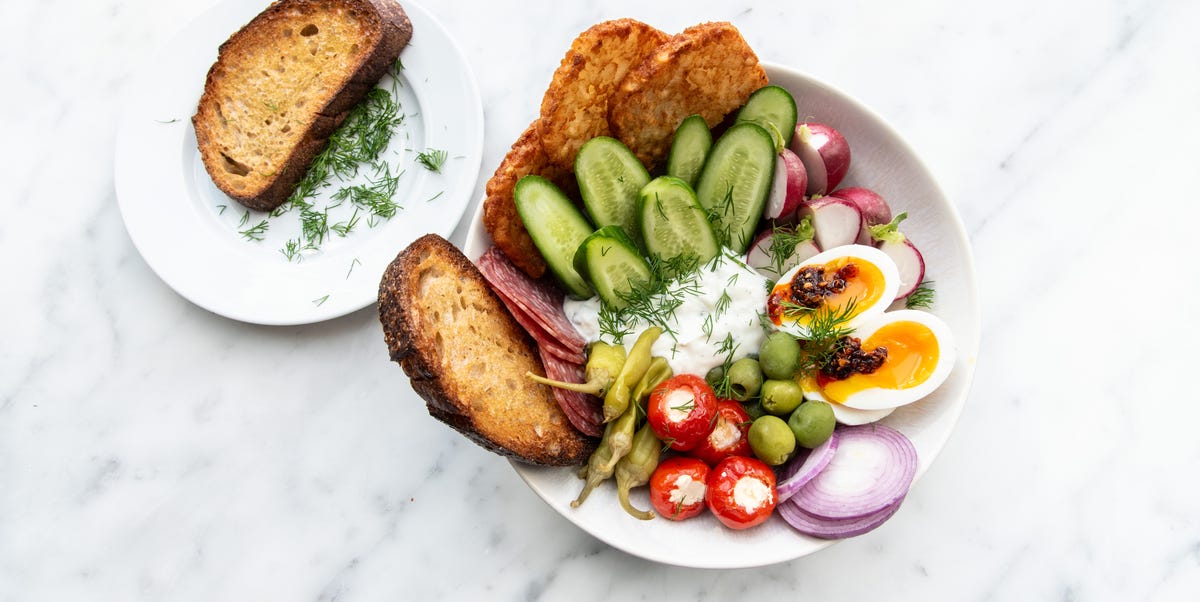
Food will not “cure” schizophrenia, and anyone promising that a smoothie can replace a psychiatrist deserves a very skeptical eyebrow. Schizophrenia is a serious mental health condition that usually requires professional treatment, medication, therapy, support, and long-term care. But here is the good news: what you eat can still mattera lot. The right eating pattern can support energy, heart health, blood sugar, digestion, sleep quality, medication tolerance, and everyday functioning. In other words, diet is not the driver of the whole car, but it can keep the tires from wobbling.
Many people living with schizophrenia also face a higher risk of weight gain, type 2 diabetes, high cholesterol, high blood pressure, and metabolic syndrome, partly because some antipsychotic medications can increase appetite and affect metabolism. That makes nutrition less about chasing perfection and more about building a realistic, repeatable food routine that protects the body while supporting the brain.
This guide explains what to eat when you have schizophrenia, what to limit, how to build simple meals, and how to make healthier eating easier when motivation, money, symptoms, or medication side effects get in the way.
Why Diet Matters in Schizophrenia
Schizophrenia can affect thinking, motivation, planning, social life, and daily routines. Those challenges can make grocery shopping, cooking, and regular meals harder. Add medication side effects such as increased hunger, dry mouth, sleepiness, constipation, or weight gain, and suddenly “just eat healthy” sounds like advice from someone who has never met a refrigerator at 11:47 p.m.
A helpful schizophrenia diet should focus on four goals: steady blood sugar, better heart and metabolic health, enough nutrients for brain and body function, and easy meals that can be repeated without turning the kitchen into a cooking competition show.
The Best Eating Pattern: Balanced, Simple, and Mediterranean-Inspired
The best diet for schizophrenia is usually not extreme. For most people, a Mediterranean-style pattern is a strong starting point because it emphasizes whole foods, fiber, healthy fats, lean proteins, beans, vegetables, fruit, nuts, seeds, and fish. This approach supports heart health and may help reduce inflammation, which is important because people with schizophrenia often have higher cardiometabolic risks.
What a Schizophrenia-Friendly Plate Looks Like
Use the plate method when you do not want to count calories, measure every grain of rice, or download another app that nags you like a tiny digital coach. Fill half your plate with non-starchy vegetables, one quarter with lean protein, and one quarter with high-fiber carbohydrates. Add a small amount of healthy fat, such as olive oil, avocado, nuts, or seeds.
For example, a simple dinner could be grilled chicken, brown rice, roasted broccoli, and olive oil. A vegetarian version could be lentils, quinoa, sautéed spinach, and a spoonful of Greek yogurt or hummus. A budget-friendly version could be canned tuna, whole-grain toast, frozen vegetables, and a piece of fruit.
Foods to Eat More Often
1. High-Fiber Carbohydrates
Carbohydrates are not the villain. Refined, low-fiber carbohydrates are the ones that tend to cause trouble when they dominate the diet. Choose oats, brown rice, barley, quinoa, beans, lentils, chickpeas, sweet potatoes, whole-grain bread, and whole-grain pasta. These foods digest more slowly, help with fullness, and support steadier blood sugar.
Fiber is especially useful if medication causes constipation. Beans, oats, berries, vegetables, chia seeds, and lentils can help keep digestion moving. Your gut is not trying to be dramatic; it simply likes backup support.
2. Lean Protein at Every Meal
Protein helps control hunger, supports muscle, and can reduce the urge to snack constantly. Good options include eggs, chicken, turkey, fish, tofu, tempeh, beans, lentils, low-fat Greek yogurt, cottage cheese, and lean cuts of meat.
If antipsychotic medication makes appetite feel louder than usual, protein can be a practical tool. Try eggs with oatmeal at breakfast, tuna with whole-grain crackers at lunch, or beans with rice and vegetables at dinner.
3. Omega-3-Rich Foods
Omega-3 fatty acids are important for the brain and heart. Fatty fish such as salmon, sardines, trout, herring, tuna, and mackerel are excellent sources. If you do not eat fish, consider chia seeds, flaxseeds, walnuts, and canola or soybean oil. Plant omega-3s are useful, though fish provides EPA and DHA more directly.
A simple goal is to eat fish once or twice a week if it fits your budget and preferences. Canned sardines or salmon are often cheaper than fresh fish and require almost no cooking. That is a win for nutrition and for anyone who has ever stared at a raw salmon fillet and thought, “Now what?”
4. Colorful Fruits and Vegetables
Fruits and vegetables provide vitamins, minerals, antioxidants, water, and fiber. Aim for variety rather than perfection. Leafy greens, carrots, bell peppers, tomatoes, berries, apples, oranges, broccoli, cabbage, peas, and frozen mixed vegetables all count.
Frozen vegetables are not “less healthy” just because they live in the freezer wearing tiny ice jackets. They are convenient, affordable, and often picked at peak ripeness. Add them to soups, rice bowls, eggs, pasta, or microwavable meals to improve nutrition quickly.
5. Healthy Fats
Healthy fats help meals taste satisfying and support heart health. Choose olive oil, avocado, nuts, seeds, peanut butter, almond butter, and fatty fish. Keep portions reasonable, because fats are calorie-dense, but do not fear them. A meal with healthy fat is usually more satisfying than a sad plate of dry lettuce and regret.
6. Calcium and Vitamin D Foods
Some people with schizophrenia may have lifestyle factors that affect bone health, including low physical activity, smoking, limited sunlight, or poor diet quality. Include calcium-rich foods such as milk, fortified plant milk, yogurt, cheese, tofu made with calcium, canned salmon with bones, and leafy greens. Vitamin D may come from fortified foods, fatty fish, sunlight, or supplements recommended by a clinician.
Foods and Drinks to Limit
Sugary Drinks and Sweets
Soda, sweet tea, energy drinks, candy, pastries, and desserts can add a lot of sugar without much fullness. For people at higher risk of diabetes or medication-related weight gain, these foods are best kept occasional rather than daily. Try sparkling water, unsweetened tea, water with lemon, or a small portion of dessert after a balanced meal.
Highly Processed Foods
Chips, fast food, processed meats, packaged pastries, instant noodles, and many frozen snacks are often high in sodium, refined carbohydrates, saturated fat, and calories. You do not need to ban them completely, but they should not become the backbone of the diet. Your backbone deserves better than cheese dust.
Too Much Saturated Fat and Sodium
People with schizophrenia may already have increased heart and metabolic risks, so limiting saturated fat and sodium is sensible. Choose grilled, baked, roasted, or boiled foods more often than fried foods. Use herbs, garlic, onion, vinegar, lemon, pepper, and spices to boost flavor without relying only on salt.
Alcohol and Recreational Substances
Alcohol can interact with medication, worsen sleep, affect judgment, and make symptoms harder to manage. Recreational substances can also increase risks. Anyone taking psychiatric medication should ask their doctor or pharmacist what is safe, because food and drink choices can affect treatment.
What About the Keto Diet for Schizophrenia?
Ketogenic diets have received attention in mental health research, but they are not proven to cure schizophrenia. Some early studies and case reports are interesting, but that is not the same as strong evidence for everyone. Keto can also be hard to follow, expensive, socially limiting, and risky for some people, especially those with diabetes, kidney issues, eating disorder history, or medication concerns.
If you are curious about keto or any strict diet, do not start it alone. Discuss it with a psychiatrist, primary care doctor, and registered dietitian. A safe plan matters more than a dramatic plan.
Easy Meal Ideas for Schizophrenia
Breakfast Ideas
Try oatmeal with peanut butter and berries, eggs with whole-grain toast, Greek yogurt with nuts and fruit, or a smoothie made with yogurt, spinach, banana, and ground flaxseed. The goal is protein plus fiber, not a breakfast that disappears from your stomach in 27 minutes.
Lunch Ideas
Good lunches include turkey and avocado on whole-grain bread, lentil soup with fruit, tuna salad with whole-grain crackers, tofu stir-fry with brown rice, or a bean burrito with vegetables and salsa. If cooking feels difficult, assemble meals instead: canned beans, microwave rice, frozen vegetables, and salsa can become dinner in under ten minutes.
Dinner Ideas
Build dinner around a simple formula: protein, vegetable, high-fiber carbohydrate, healthy fat. Examples include salmon with sweet potato and green beans, chicken chili with beans, turkey meatballs with whole-grain pasta and salad, tofu curry with vegetables, or eggs with roasted potatoes and spinach.
Snack Ideas
Choose snacks that include protein or fiber: apple with peanut butter, carrots with hummus, Greek yogurt, nuts, cheese with whole-grain crackers, boiled eggs, cottage cheese, or roasted chickpeas. Keeping better snacks nearby can prevent the classic “I accidentally ate a family-size bag” situation.
How to Eat Well When Motivation Is Low
Low motivation is common in schizophrenia, and nutrition advice should respect that. A perfect meal plan is useless if it requires 19 ingredients, three pans, and the emotional stamina of a professional chef. Make the healthy choice the easy choice.
Keep a short list of “emergency meals” at home. Examples include canned soup with added frozen vegetables, scrambled eggs with toast, peanut butter on whole-grain bread with fruit, microwavable brown rice with canned beans, or rotisserie chicken with bagged salad. These meals are not fancy, but they are reliable. Reliable beats fancy on most Tuesdays.
Use reminders for meals and water. Some people do better with alarms, sticky notes, pill organizers, grocery lists, or meal-prep containers. Others need support from family, case managers, peer support specialists, or community programs. Needing help does not mean failure; it means the plan is realistic.
Managing Medication-Related Hunger and Weight Gain
If medication increases hunger, start by improving meal structure. Eat regular meals, include protein, increase fiber, and avoid skipping breakfast if that leads to nighttime overeating. Drink water regularly, because thirst and dry mouth can sometimes feel like hunger.
Ask your healthcare provider to monitor weight, waist measurement, blood pressure, cholesterol, and blood sugar. If weight gain is rapid or distressing, do not stop medication suddenly. Instead, talk with your prescriber. Sometimes medication adjustments, lifestyle support, or additional treatments can help.
Grocery List for a Schizophrenia-Friendly Diet
Stock foods that make balanced meals easy. Good staples include oats, brown rice, whole-grain bread, whole-grain pasta, canned beans, lentils, eggs, canned tuna or salmon, frozen vegetables, fresh fruit, yogurt, nuts, peanut butter, olive oil, low-sodium soup, hummus, tofu, chicken, and herbs or spices.
When shopping feels overwhelming, buy ingredients for only three meals and repeat them. Repetition is not boring if it keeps you fed. It is a strategy. Also, nobody gives out medals for creating a brand-new dinner every night.
Experience-Based Tips: Eating With Schizophrenia in Real Life
In real life, eating well with schizophrenia is rarely about making one heroic change. It is more often about tiny systems that reduce stress. One helpful approach is to create a “safe meal routine.” This means choosing two or three meals that are familiar, affordable, easy to prepare, and balanced enough to support your health. For example, breakfast might always be oatmeal with peanut butter and banana. Lunch might be tuna, crackers, carrots, and fruit. Dinner might be rice, beans, vegetables, and eggs. Is it glamorous? Not really. Does it work? Absolutely.
Some people find that symptoms are worse when their day has no structure. Meals can become anchors: breakfast after medication, lunch after a short walk, dinner before evening relaxation. This kind of rhythm can reduce decision fatigue. When the brain is already working hard, asking it to answer “What should I eat?” five times a day is unfair. A written meal plan on the fridge can help. So can keeping foods visible: fruit on the counter, yogurt at eye level, frozen vegetables in the front of the freezer.
Another real-world issue is appetite. Some medications can make hunger feel intense, especially at night. Instead of relying on willpower alone, plan a filling evening snack: Greek yogurt, popcorn, peanut butter toast, cottage cheese, boiled eggs, or hummus with vegetables. A planned snack feels calmer than a snack hunt. Snack hunts often end with cookies looking suspiciously guilty.
Budget matters too. Healthy eating does not require organic everything or imported berries with a royal price tag. Beans, eggs, oats, frozen vegetables, canned fish, brown rice, cabbage, carrots, bananas, apples, lentils, and peanut butter can build a strong nutrition foundation. If cooking is hard, use shortcuts. Buy pre-washed greens. Use canned beans. Microwave potatoes. Choose frozen vegetables that steam in the bag. A shortcut is not cheating; it is accessibility.
Support can make eating easier. A trusted family member might help with shopping. A friend might share meals once a week. A case manager might help connect someone with food assistance, transportation, or community resources. A registered dietitian can personalize a plan around medication side effects, diabetes risk, cholesterol, food preferences, culture, and budget.
Finally, it helps to think in terms of “next meal,” not “perfect diet.” If breakfast was coffee and a donut, lunch can still be chicken soup and fruit. If dinner was fast food, tomorrow can still include oatmeal, water, and a vegetable. Nutrition is not a courtroom. You are not guilty because one meal was salty, sweet, or fried. The goal is to make supportive choices more often, with enough flexibility that the plan survives real life.
Conclusion
What should you eat when you have schizophrenia? Start with balanced, simple meals built around vegetables, lean protein, high-fiber carbohydrates, healthy fats, and omega-3-rich foods. Limit sugary drinks, highly processed foods, excessive sodium, and too much saturated fat. Most importantly, build a routine that works on low-energy days, not just on imaginary perfect days when the kitchen is spotless and motivation arrives wearing a cape.
Food is not a replacement for schizophrenia treatment, but it can be a powerful part of whole-person care. A practical diet can support metabolic health, energy, digestion, heart health, and daily stability. Work with your healthcare team, monitor medication side effects, and focus on small changes that are easy to repeat. The best nutrition plan is not the strictest one. It is the one you can actually live with.
Note: This article is for general educational purposes only and should not replace medical advice, diagnosis, or treatment. People with schizophrenia should discuss diet changes, supplements, alcohol use, medication side effects, and major eating pattern changes with a qualified healthcare professional.