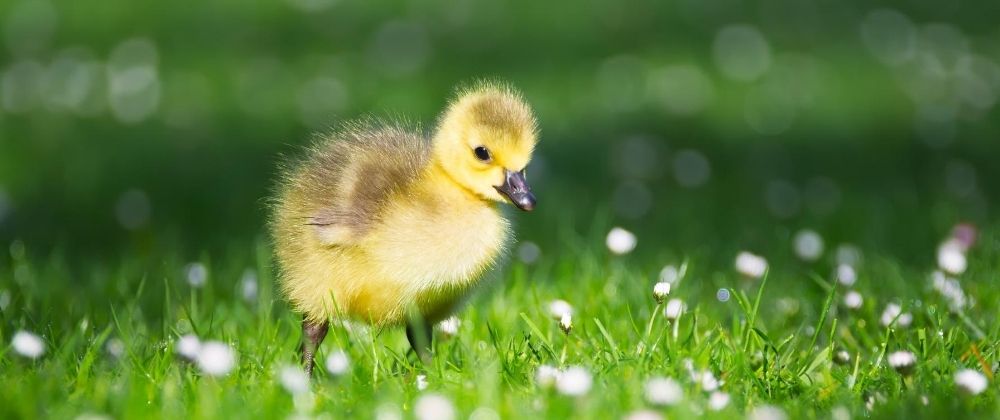
Ducklings are tiny, fuzzy, wobbly, and almost unfairly cute. They also come with one very important truth: they are not waterproof little bath toys with feet. Baby ducks need warmth, clean water, the right feed, safe bedding, and a caregiver who understands that “adorable” and “messy” can absolutely be the same animal.
Learning how to take care of ducklings is not difficult, but it does require preparation. Ducklings grow quickly, splash enthusiastically, poop like they are training for a championship, and can get chilled or sick if their brooder is not set up correctly. The good news? With the right setup and a simple daily routine, you can raise healthy ducklings that grow into strong, active ducks with bright eyes, sturdy legs, and plenty of personality.
This guide covers duckling care from day one, including brooder setup, heat, feeding, water safety, bedding, hygiene, outdoor transition, and practical experience-based tips that make real-life duck raising much smoother.
What Ducklings Need Before They Arrive
Before bringing ducklings home, set up their brooder completely. A brooder is simply a warm, safe indoor space where baby ducks live until they are old enough to handle outdoor conditions. Think of it as a duckling nursery, minus the tiny wallpaper and lullabies.
A good duckling starter setup includes a sturdy brooder container, a safe heat source, absorbent bedding, a chick or duckling feeder, a waterer, waterfowl starter feed, and a thermometer. You should also have paper towels for the first day or two, extra bedding, cleaning supplies, and a plan for where the ducks will live once they outgrow the brooder.
Choose a Safe Brooder Container
Plastic storage totes, stock tanks, large cardboard boxes, and pet playpens can all work as brooders. The container should be tall enough to prevent escapes and wide enough to create both a warm zone and a cooler zone. Ducklings need room to move away from heat if they get too warm.
Avoid slick flooring. Ducklings can develop leg problems if they slip constantly. For the first day, paper towels can help them find food easily. After that, switch to pine shavings or another absorbent bedding. Do not use cedar shavings because the strong oils can irritate young birds.
Brooder Temperature: Keeping Ducklings Warm Without Roasting Them
Newly hatched ducklings cannot regulate their body temperature well, so supplemental heat is essential. A common starting range is about 90°F to 95°F during the first week, depending on the room temperature, brooder design, and the ducklings’ behavior. After the first week, reduce the temperature gradually by about 5°F each week until they are mostly feathered and comfortable without heat.
Use a brooder plate or a carefully secured heat lamp. Brooder plates are often safer and more energy-efficient because they warm ducklings from above like a mother duck. If using a heat lamp, secure it in more than one way so it cannot fall. Heat lamps can be a fire risk if they touch bedding, plastic, cardboard, or anything flammable.
Let Duckling Behavior Be Your Thermometer
A thermometer is useful, but ducklings also give clear feedback. If they pile tightly under the heat source and peep loudly, they are probably cold. If they spread far away from the heat, pant, or seem restless, they may be too hot. Comfortable ducklings move around, eat, drink, nap, and make soft contented sounds.
The best brooder has a warm side and a cooler side. This allows ducklings to self-regulate instead of being trapped in one temperature zone. Baby ducks are cute, but they are not great at writing customer service complaints, so watch their body language.
What to Feed Ducklings
Ducklings grow fast and need quality nutrition from the beginning. The best option is a waterfowl starter feed formulated for ducks and geese. Waterfowl starter usually contains the nutrients ducklings need for healthy growth, including adequate protein and niacin.
If waterfowl starter is unavailable, some keepers use chick starter temporarily, but ducklings generally need more niacin than chicks. Niacin is a B vitamin that supports healthy leg development. Without enough niacin, ducklings may become weak, develop bowed legs, have trouble walking, or fail to grow properly.
Niacin MattersA Lot
Because ducklings grow quickly, their legs are under heavy demand from the start. Many experienced duck keepers add brewer’s yeast or a poultry-safe niacin supplement when using chick starter. Always follow product directions and, when possible, ask a poultry veterinarian or experienced waterfowl professional for dosage guidance.
A practical rule is simple: feed ducklings a waterfowl-specific starter whenever possible. It removes much of the guesswork and helps prevent common nutritional problems.
Feed Texture and Grit
Starter crumbles are easier for ducklings to eat than pellets. Keep feed available during the day, and make sure ducklings always have water when eating. Ducks use water to swallow and clear their bills, so dry feed without water is not safe.
If you offer treats such as finely chopped greens, peas, or small insects, provide chick-sized grit so ducklings can digest those foods properly. Treats should stay occasional and small. Starter feed should make up the majority of their diet while they are growing.
Water: The Most Important Mess Maker
Ducklings need constant access to clean drinking water. The water should be deep enough for them to dip their bills and clean their nostrils, but not so deep that they can climb in and become soaked. Young ducklings can chill quickly when wet, especially before their adult feathers develop.
A shallow poultry waterer works well, but ducks will still splash. This is not a flaw in your ducklings. This is their life mission. Place the waterer on a small tray, wire platform, or washable surface to reduce bedding disasters. Change water often because ducklings can turn fresh water into soup with impressive speed.
Can Ducklings Swim?
Ducklings can enjoy supervised water play, but swimming must be handled carefully. Baby ducks raised without a mother do not have the same waterproofing help from natural oils early on. Short, warm, supervised swims can be introduced after the first week or so, but only in shallow water where they can stand or exit easily.
After any swim, dry them gently and return them to a warm brooder. Never leave ducklings unattended in water. A sink, tub, or small pan can be dangerous if the sides are too steep or the water is too cold.
Bedding: How to Keep the Brooder From Becoming a Swamp
Ducklings are wetter than chicks. They splash water, scatter feed, and create damp bedding quickly. Damp bedding can lead to odor, bacteria, mold, chilled ducklings, and irritated feet. Clean bedding is one of the most important parts of duckling care.
Pine shavings are a common choice because they absorb moisture well. Avoid newspaper as a long-term flooring because it becomes slippery. Straw can work for older ducklings, but it may mat down and hold moisture if not changed often. Whatever bedding you choose, check it several times a day.
Simple Brooder Cleaning Routine
Remove wet patches daily or even twice daily if needed. Add fresh bedding over dry areas and do a full cleanout regularly. Wash waterers and feeders often to prevent slimy buildup. A clean brooder smells like bedding and birdsnot like a forgotten swamp in July.
One smart trick is to create a “water station” by placing the waterer on a raised hardware cloth platform over a tray. The splashed water drains below instead of soaking the bedding. This one setup change can save hours of cleaning over the first few weeks.
Handling Ducklings Gently
Ducklings are prey animals, so sudden grabbing can scare them. Move slowly, speak softly, and scoop them gently with both hands. Keep handling sessions short and calm. The goal is to build trust, not to convince them they have been abducted by a giant warm-blooded crane.
Sit near the brooder and let ducklings get used to your presence. You can offer feed from your hand once they are comfortable, but do not force interaction. Some breeds are naturally friendlier than others, and individual personalities vary.
Health Signs: What Normal Ducklings Look Like
Healthy ducklings are active, alert, curious, and steady on their feet. They eat frequently, drink often, preen, nap, and respond to sound and movement. Their eyes should be clear, their vents should be clean, and their legs should look strong.
Warning signs include constant lethargy, loud distressed peeping, difficulty walking, swollen joints, labored breathing, discharge from the eyes or nose, pasty vent, refusal to eat, or sitting alone away from the group. If you notice serious symptoms, contact a poultry veterinarian or local extension resource as soon as possible.
Preventing Common Problems
Most early duckling problems come from cold, wet bedding, poor nutrition, dirty water, overcrowding, or unsafe handling. Keep the brooder warm but not overheated, provide balanced feed, prevent slippery floors, and clean often. These basics prevent many headaches before they start.
Hygiene and Human Safety
Ducklings can carry germs such as Salmonella even when they look clean and healthy. Always wash your hands with soap and water after handling ducklings, cleaning the brooder, touching feeders, or working near their living area. Keep duckling supplies separate from kitchen items, and do not wash poultry equipment in food-prep sinks.
Do not kiss or snuggle ducklings near your face, even though they look like tiny plush toys with opinions. Children should be supervised around ducklings, and very young children should not handle poultry. Good hygiene protects both people and birds.
When Can Ducklings Go Outside?
Ducklings can begin short supervised outdoor visits when the weather is warm, dry, and calm. They should be active, healthy, and old enough to handle brief changes in temperature. Start with short sessions on clean grass in a predator-safe enclosure.
They should not move outside full time until they are mostly feathered, no longer dependent on brooder heat, and protected from cold, rain, drafts, and predators. This often happens around six to eight weeks, but timing depends on breed, weather, feather growth, and housing.
Predator Protection Is Not Optional
Ducks are vulnerable to raccoons, foxes, dogs, cats, hawks, snakes, and other predators. A safe duck house needs secure walls, ventilation, dry bedding, and hardware cloth over openings. Chicken wire may keep ducks in, but it does not reliably keep predators out.
At night, ducklings and young ducks should be locked into a predator-proof shelter. If there is one rule that saves heartbreak, it is this: build the outdoor setup before the ducklings need it.
Social Needs: Never Raise One Duckling Alone
Ducks are social animals. A single duckling can become lonely, stressed, and noisy. It is best to raise at least two or three ducklings together. They learn from each other, sleep together, explore together, and generally act like a tiny feathered committee.
However, avoid overcrowding. Ducklings grow rapidly and need more space every week. If the brooder that looked huge on day one suddenly looks like rush-hour traffic with webbed feet, it is time to upgrade.
Duckling Care Week by Week
Week 1: Warmth, Water, and Watching Closely
During the first week, focus on warmth, hydration, and easy access to feed. Use paper towels at first so ducklings can grip the floor and identify food. Dip a few bills gently in water so they learn where to drink. Keep the brooder calm and draft-free.
Weeks 2 to 3: Growth and Bigger Messes
Ducklings become more active and messy. Reduce brooder heat gradually, refresh bedding often, and make sure the water setup prevents soaking. This is a good time to begin short, supervised water play if conditions are warm and safe.
Weeks 4 to 6: Feathers and Outdoor Practice
Ducklings start looking less like fluff balls and more like awkward teenagers in feather jackets. Give them more space, introduce supervised outdoor time in warm weather, and continue balanced feed. Watch for leg strength, feather growth, and signs they are ready for a larger living area.
Weeks 6 to 8 and Beyond: Transition to Duck Life
Once mostly feathered and no longer needing supplemental heat, ducklings can transition to a secure outdoor coop and run. Continue protecting them from predators, provide clean water deep enough for head dunking, and feed an age-appropriate grower or maintenance ration based on their stage of life.
Common Mistakes to Avoid
The biggest duckling care mistakes are usually simple ones: giving water that is too deep, using slippery flooring, skipping niacin, letting bedding stay wet, overheating the brooder, or moving ducklings outside too early. Another common mistake is underestimating how quickly ducklings grow.
Do not buy ducklings on impulse unless you already have supplies, space, and a long-term plan. Ducks can live for years, need secure housing, and produce a lot of moisture and manure. They are delightful animals, but they are not low-effort decorations for the backyard.
Practical Experience: What Raising Ducklings Really Teaches You
One of the first things people learn when caring for ducklings is that the brooder setup matters more than almost anything else. A poorly designed brooder turns every day into a cleaning marathon. A good brooder, on the other hand, makes duckling care feel manageable. The best experience-based advice is to plan for water mess from the beginning. Do not wait until the bedding is soaked, the room smells strange, and the ducklings look far too proud of themselves.
A raised water platform is a small miracle. Place the waterer on hardware cloth or a plastic grate over a shallow tray, and suddenly half the chaos disappears. The ducklings can drink and rinse their bills, but much of the splash falls below instead of spreading through the bedding. You will still clean. You will still wonder how three tiny birds produced that much moisture. But you will not feel like you are operating a duck-themed car wash in your house.
Another real-life lesson is that ducklings grow faster than your brain expects. The brooder that looks enormous on day one may feel crowded by the second or third week. Plan your upgrades early. Have a second, larger brooder ready if possible. Crowded ducklings soil bedding faster, jostle each other, and may become stressed. More space means cleaner birds, easier care, and fewer problems.
Feed choice is another area where experience saves trouble. Waterfowl starter is worth finding. Many beginners assume chick starter is close enough, but ducklings have different nutritional needs, especially when it comes to niacin. If you must use chick starter, supplement properly and watch the ducklings’ legs. Strong legs, steady walking, and active movement are good signs. Weakness, reluctance to stand, or awkward movement should be addressed quickly.
Handling ducklings also teaches patience. Many ducklings do not enjoy being picked up at first. Instead of chasing them around the brooder, try sitting nearby and letting them become familiar with your voice. Move slowly. Offer feed from your hand. Let trust build over time. Some ducks become wonderfully friendly; others remain independent little philosophers who prefer admiration from a respectful distance.
Outdoor time is exciting, but it should not be rushed. Warm, sunny, wind-free days are best for short practice sessions. Stay with them. Ducklings are small, and predators can appear quickly. Even a family dog that “would never hurt anything” should be supervised carefully. Ducklings move unpredictably, and animals with prey drive may react before anyone expects it.
Finally, experienced duck keepers learn to enjoy the comedy. Ducklings trip over their own feet, fall asleep in dramatic poses, form tiny parades, and treat clean water like a personal challenge. They are messy, yes, but they are also curious, expressive, and surprisingly charming. The secret is not to fight their duck nature. Set up systems that allow them to be ducks while keeping them warm, clean, safe, and healthy.
Conclusion: Raising Ducklings the Smart, Safe, and Happy Way
Taking care of ducklings is a blend of preparation, observation, and daily consistency. Start with a safe brooder, provide steady warmth, use the right feed, keep clean water available, prevent wet bedding, and practice good hygiene. Watch your ducklings closely, because their behavior often tells you what they need before a problem becomes serious.
Ducklings are not the cleanest babies in the animal kingdom, but they are among the most entertaining. With the right care, they grow from fragile little fluff balls into hardy, social, pond-loving ducks. Give them warmth, nutrition, space, safety, and patience, and they will reward you with waddles, quacks, and enough personality to make every cleaning session slightly more forgivable.