Some chairs are loud. They practically enter the room wearing a tuxedo, asking for applause before anyone has even sat down. The Eastward Side Chair is not that kind of chair. It is quieter, smarter, and frankly a little more confident than that. It does not need fringe, fuss, or a dramatic backstory carved into every inch of wood. Instead, it does something far more difficult: it makes simplicity feel rich.
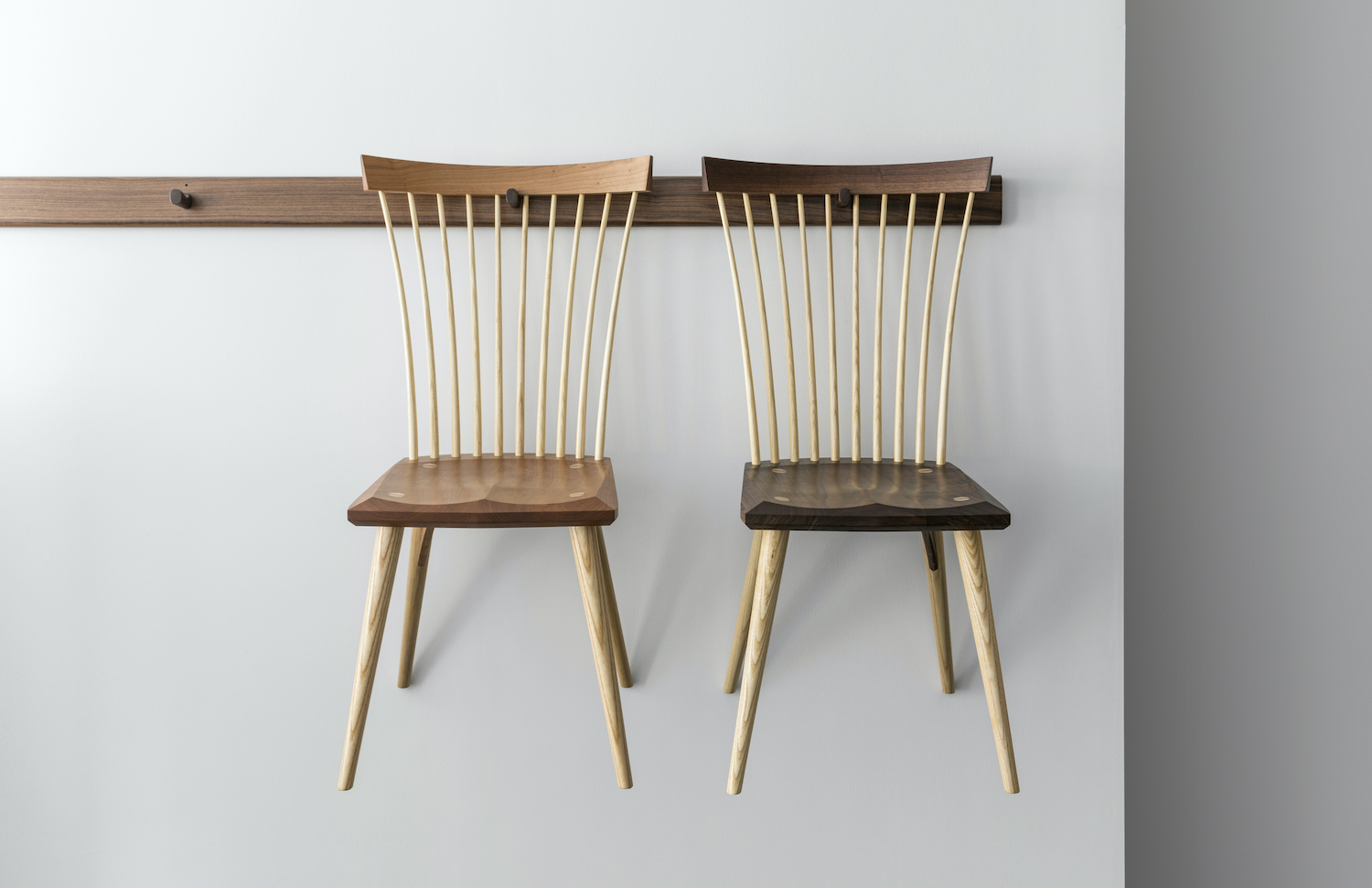
The Eastward Side Chair belongs to that rare class of furniture that looks calm from across the room and deeply intentional up close. At first glance, you see clean lines, a tall silhouette, and a balance of warmth and restraint. Spend more time with it, and the details begin to show off just a little: the contrast between woods, the elegant rhythm of the spindles, the handcrafted feel, and the sort of posture that says, “Yes, I am a dining chair, but I also have standards.”
In a design world crowded with disposable seating and “assembly required” optimism, the Eastward Side Chair stands out because it feels built for actual living. It is handsome without being showy, traditional without feeling old, and modern without trying too hard to impress your algorithm. Whether you are researching it as a potential purchase, admiring it as a design object, or simply wondering why this chair keeps popping up in thoughtful interiors, this guide breaks down what makes the Eastward Side Chair special.
What Is the Eastward Side Chair?
The Eastward Side Chair is a handcrafted hardwood dining chair associated with the Thos. Moser design tradition, a name well known in American furniture circles for solid wood construction, careful joinery, and heirloom-minded craftsmanship. In practical terms, that means this is not a chair built to survive two leases, one roommate disaster, and a move involving three flights of stairs and a borrowed hatchback. It is built to last much longer than that.
The chair is part of the Eastward collection, a line that draws heavily from Shaker principles. That influence matters. Shaker furniture has long been admired for clean lines, visual honesty, and a commitment to usefulness over ornament. The Eastward Side Chair takes those values and gives them a more refined, contemporary edge. You get the discipline of Shaker design, but with a warmer, more sculptural presence suited to modern dining spaces.
Its proportions are also worth noting. The chair is tall enough to feel graceful rather than squat, yet compact enough to work around a dining table without visually overwhelming the room. That balance is one of its quiet strengths. A lot of chairs can look good in a showroom. Fewer can look equally at home in a city apartment, a farmhouse-inspired dining room, or a more architectural modern interior. The Eastward Side Chair handles all three with suspicious ease.
Why the Design Works So Well
1. It understands restraint
The Eastward Side Chair proves that minimalism does not have to be cold. Its lines are crisp, but not severe. Its silhouette is lean, but not fragile. It avoids bulky ornament and decorative clutter, which allows the shape itself to do the talking. That is often the hallmark of strong furniture design: when the form is interesting enough that it does not need extra visual noise taped onto it like a last-minute school project.
2. The spindle back adds rhythm
One of the most memorable elements in the Eastward family is the use of slender vertical spindles. On a visual level, they lighten the chair and keep the tall back from feeling heavy. On a practical level, that structure helps the chair feel open, breathable, and less imposing around the table. In a room with several chairs, this matters a lot. Solid-back dining chairs can sometimes create a visual wall. The Eastward Side Chair feels airier and more architectural.
3. Contrast gives it character
The pairing of darker cherry or walnut with lighter ash accents creates one of the chair’s signature looks. That contrast gives the design depth without making it flashy. It is the furniture equivalent of someone wearing a very good watch and not bringing it up in conversation. You notice it because it is thoughtful, not because it is desperate for compliments.
4. It bridges traditional and modern interiors
Plenty of dining chairs lean hard in one direction. Some are overtly rustic. Some are aggressively modern. Some look like they came from a Scandinavian café where everyone owns exactly two sweaters and a very expensive lamp. The Eastward Side Chair lands in a more flexible sweet spot. Its Shaker-inspired simplicity gives it roots, while its refined geometry lets it work in more contemporary spaces. That versatility is a major reason it has enduring appeal.
Materials and Craftsmanship
This is where the Eastward Side Chair separates itself from mass-market lookalikes. Solid hardwood changes the experience of a chair. It looks different, sounds different, ages differently, and wears its years with more dignity. Instead of peeling veneer or wobbly joints, you get a piece that develops character over time. That alone makes it attractive to buyers who want furniture that matures instead of surrendering.
Cherry gives the chair warmth and depth, with tones that typically deepen as the wood ages. Walnut offers a darker, moodier richness. Ash, often used for the spindles and structural contrast, brings strength and a lighter visual note. Together, those wood choices create a piece that feels balanced both structurally and aesthetically.
Just as important is the method of construction. Handmade furniture is not automatically better, but when a company is known for traditional joinery and careful finishing, the results tend to show up in all the right places: steadier joints, cleaner transitions, smoother edges, and a more intentional final form. The Eastward Side Chair feels like it belongs to that school of furniture making where craft is not a marketing word; it is the whole point.
There is also something reassuring about a chair that does not try to hide what it is made from. The wood grain is part of the beauty. The joinery is part of the story. Natural variation is not treated like a defect to be disguised but as evidence that the chair is made from real material with a real history. In an age of synthetic everything, that honesty lands well.
Comfort: The Part Everyone Pretends Not to Care About Until Dinner Hits Hour Three
A dining chair cannot live on looks alone. It needs to work through weeknight pasta, holiday dinners, board-game marathons, and the occasional guest who somehow turns coffee into a full afternoon symposium. The Eastward Side Chair succeeds because it appears to take comfort seriously without turning into a blob.
The height and seat proportions place it within the range that works well for standard dining tables. That is a big deal. A beautiful chair that sits too low, hits the table awkwardly, or forces everyone into raccoon posture is not a design success. It is a cautionary tale. The Eastward Side Chair is proportioned more intelligently than that.
The chair’s seat and back work together to create support that feels composed rather than stiff. The back gives the body enough vertical structure to encourage better posture, while the spindle design helps keep the form from feeling overly rigid. In other words, it invites you to sit upright, but not like you are being graded.
Another comfort advantage is visual and physical lightness. Because the chair is not overly bulky, it is easier to move, easier to place, and easier to live with in smaller rooms. That usability matters just as much as cushioning. Dining chairs get pulled, turned, tucked, and relocated all the time. A chair that can perform those humble tasks gracefully tends to become a favorite.
Where the Eastward Side Chair Works Best
Dining rooms with solid wood tables
This is the obvious pairing, and for good reason. The Eastward Side Chair looks especially strong beside a well-made wood table, where its material quality and clean lines can hold their own. A heavy farmhouse table gives it a nice contrast. A leaner modern table lets the chair’s vertical character stand out. Either way, it does not disappear.
Breakfast nooks and smaller dining zones
Because the chair has a relatively narrow footprint, it can work well in spaces where every inch matters. That is useful in apartments, eat-in kitchens, and homes where the dining area overlaps with daily traffic. You still get height and presence, but without the visual sprawl of a chunkier chair.
Mixed-style interiors
If your home is not married to one design era, the Eastward Side Chair is a strong candidate. It works with shaker-inspired rooms, yes, but it also plays nicely with contemporary lighting, vintage rugs, modern art, and transitional cabinetry. It does not demand a costume party around it. It simply asks that the room have some taste.
Hospitality-inspired spaces
The chair also makes sense in interiors that want a warm, polished restaurant feel. In fact, furniture from this line has appeared in hospitality settings, which makes sense once you see the blend of elegance, durability, and comfort. It has the kind of presence that can elevate everyday dining without making the room feel too precious to use.
How to Style an Eastward Side Chair
Start with wood tone. If you are pairing the chair with an existing table, pay attention to undertones rather than trying to force an exact match. Similar warmth tends to create cohesion, while a thoughtful contrast can feel collected and sophisticated. Cherry can look especially inviting with warm neutrals, off-whites, olive tones, soft blues, and muted brass accents. Walnut usually loves cream, charcoal, black, linen, and earthy greens.
Next, think about negative space. The Eastward Side Chair has a tall, airy profile, so it benefits from not being crowded by overly fussy surroundings. A simple pendant light, a clean-lined table, and a rug with texture rather than chaos will usually let the chair shine. This is not a piece that needs visual shouting. It responds better to good editing.
You can also mix it with a bench on one side of the table or use it as part of a varied seating arrangement. Because the design is grounded and versatile, it can anchor a more collected dining look without turning the room into a furniture showroom. That flexibility is useful if you like homes that feel lived in rather than staged into submission.
What to Know Before Buying
Measure like a grown-up
The Eastward Side Chair is elegant, but elegance does not override math. Check your table height, apron clearance, room width, and circulation space. As a rule, diners need enough elbow room and enough space behind the chair to sit comfortably and move around the table without performing a ballet of apology.
Expect natural variation
Solid wood furniture rarely looks identical from piece to piece, and that is a feature, not a problem. Grain pattern, color variation, and aging are part of the charm. If you want total uniformity, laminate would love to disappoint you in a completely different way.
Think long-term, not just launch-day pretty
The best reason to consider a chair like this is not that it photographs well. It is that it can remain relevant and useful for years. Trendy seating often burns bright and fades fast. The Eastward Side Chair is more of a slow-burn classic. It has enough personality to feel special and enough discipline to avoid becoming dated too quickly.
How to Care for an Eastward Side Chair
Good wood furniture does not demand constant pampering, but it does appreciate common sense. Dust it regularly with a soft cloth. For occasional cleaning, use a lightly damp microfiber cloth and a mild cleaning solution if needed, then dry the surface right away. The goal is gentle maintenance, not a dramatic spa treatment.
Avoid soaking the wood, using harsh chemicals, or letting moisture sit on the finish. Felt pads are also a smart move if the chair will live on hardwood or delicate flooring. They help prevent scuffs, reduce noise, and make moving the chair less likely to sound like a bear dragging a canoe across your dining room.
Keep the chair away from sustained direct sunlight, excessive humidity, and extreme dryness when possible. Real wood responds to its environment, and a stable indoor climate helps preserve both finish and joinery. In other words, treat it like the quality object it is, and it will usually return the favor.
Living With the Eastward Side Chair: A More Personal Experience
The experience of the Eastward Side Chair is hard to explain if you have only seen it in photos. Online, it reads as elegant and restrained. In person, it feels more intimate than that. It has presence, yes, but it also has manners. It does not bully the room. It settles into it.
Imagine walking into your kitchen early in the morning before the day gets noisy. The light hits the wood first. On cherry, that warmth feels almost alive, especially as the grain catches the sun at different angles. On walnut, the mood is deeper and more dramatic, but still calm. The ash details keep the whole composition from becoming too heavy. There is a nice visual rhythm to it, like the chair was designed to be looked at from across the table while coffee is still doing its job.
Then there is the way it behaves in daily life. You pull it out for a quick breakfast and it feels composed, not clunky. You sit down to answer one email and somehow you are still there forty minutes later, halfway through another cup of coffee and a conversation you did not plan to have. That is a good sign in a dining chair. It means comfort is built into the experience without making the piece look overstuffed or lazy.
During dinner, the chair feels even more at home. The tall back gives a sense of structure, which sounds boring until you spend an evening in a chair that offers none. Good dining chairs support conversation because they let people stay at the table longer without fidgeting every seven minutes. The Eastward Side Chair seems made for that kind of gathering: weeknight meals that stretch into dessert, holidays where nobody gets up when the plates are cleared, and long catch-up dinners where someone says, “Wait, one more story,” for the fifth time.
It also ages well emotionally, not just physically. Some furniture starts strong and then becomes invisible. The Eastward Side Chair has the opposite problem. The longer you live with it, the more you notice the details. The curve of the back. The way the woods talk to each other. The steadiness of the frame. The fact that it still looks intentional even when a backpack is hanging off it and someone forgot to clear the mail from the table. That might be its greatest talent: it can survive real life without losing dignity.
There is, too, a quiet pleasure in owning something that clearly involved skilled hands. Even if a guest cannot name the joinery or the design lineage, people tend to notice when a chair feels different from the usual parade of disposable furniture. They sit in it, glance at it, and often do that small nod people make when they are thinking, “Oh. This is nice.” Not performative nice. Not influencer nice. Actually nice.
And maybe that is the best way to describe the Eastward Side Chair experience. It is not about spectacle. It is about confidence, routine, and the kind of beauty that keeps revealing itself in ordinary moments. It is there at breakfast, at holidays, during homework, over wine, under morning light, beside takeout containers, and through all the little rituals that make a home feel lived in. The chair does not need to dominate those moments. It improves them simply by being well made, well considered, and very easy to keep liking.
Final Thoughts
The Eastward Side Chair is a strong example of what thoughtful furniture can be when design, material, and function are all pulling in the same direction. It respects tradition without getting trapped in nostalgia. It feels refined without becoming fragile. It offers comfort without sacrificing form. Most importantly, it has the kind of calm confidence that lets it work in real homes, around real tables, with real people who occasionally spill things.
If you are drawn to furniture that values craft, proportion, and long-term beauty over short-term trends, the Eastward Side Chair earns serious attention. It is not trying to be everything to everyone. It is simply trying to be a very good chair. Honestly, that is more than enough.