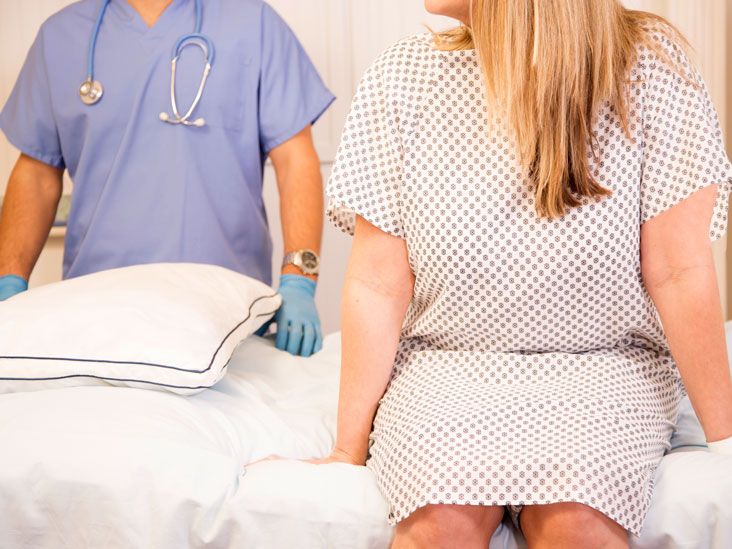
Gynecologic laparoscopy sounds like something that might require a spaceship, a tiny robot, and a dramatic soundtrack. In reality, it is a common minimally invasive surgical technique that allows a gynecologist to look inside the pelvis and abdomen using a small camera called a laparoscope. Instead of making one large incision, the surgeon works through several small cuts, usually near the belly button and lower abdomen. Think of it as “keyhole surgery,” except the key is medical training, sterile instruments, and absolutely not something you should try at home.
This procedure can be used to diagnose problems such as endometriosis, ovarian cysts, pelvic adhesions, fibroids, ectopic pregnancy, and unexplained pelvic pain. It can also be used to treat many of those conditions during the same operation. For many patients, gynecologic laparoscopy offers smaller scars, less pain, shorter hospital stays, and quicker recovery compared with traditional open abdominal surgery. Still, “minimally invasive” does not mean “no big deal.” It is surgery, and surgery deserves respect, preparation, and a clear conversation with a qualified healthcare professional.
Below is a complete guide to the purpose, procedure, recovery process, benefits, and risks of gynecologic laparoscopy, written in plain Englishbecause your pelvis already has enough going on without needing a medical dictionary as a sidekick.
What Is Gynecologic Laparoscopy?
Gynecologic laparoscopy is a surgical procedure used to examine and treat conditions involving the uterus, ovaries, fallopian tubes, pelvic lining, and nearby abdominal structures. During the procedure, a surgeon inserts a laparoscope through a small incision, often near the navel. The laparoscope contains a light and camera that sends images to a monitor, allowing the surgeon to see internal organs in real time.
To create a clear working space, the abdomen is gently inflated with carbon dioxide gas. This lifts the abdominal wall away from the organs, giving the surgeon room to see and move instruments. Additional tiny incisions may be made to insert surgical tools. Depending on the reason for the procedure, gynecologic laparoscopy may be diagnostic, therapeutic, or both.
Diagnostic vs. Operative Laparoscopy
Diagnostic laparoscopy is performed when imaging tests, pelvic exams, or symptoms do not provide enough information. For example, a patient may have chronic pelvic pain, but ultrasound results may not clearly explain why. Laparoscopy allows the surgeon to directly inspect the pelvis and look for hidden causes such as endometriosis, scar tissue, or small cysts.
Operative laparoscopy goes one step further. If the surgeon finds a treatable problem, they may correct it during the same procedure. This can include removing an ovarian cyst, excising endometriosis, cutting adhesions, treating fibroids, removing a fallopian tube, or performing a laparoscopic hysterectomy when medically appropriate.
Why Is Gynecologic Laparoscopy Done?
Gynecologic laparoscopy is used for many reasons, from investigating mysterious pelvic pain to performing complex reproductive surgery. It gives doctors a close-up view of the pelvic organs without the larger incision required in open surgery.
Common Reasons for Gynecologic Laparoscopy
One of the most common reasons for this procedure is endometriosis, a condition in which tissue similar to the uterine lining grows outside the uterus. Endometriosis can cause pelvic pain, painful periods, pain during sex, bowel or bladder discomfort, and fertility challenges. Laparoscopy can help confirm the diagnosis and may allow the surgeon to remove or destroy endometriosis implants.
Another common reason is an ovarian cyst. Many cysts are harmless and go away on their own, but some become large, painful, persistent, or suspicious in appearance. Laparoscopy may be used to remove the cyst while preserving as much healthy ovarian tissue as possible.
Gynecologic laparoscopy may also be used for fibroids, which are noncancerous growths of the uterus. Some fibroids can be removed laparoscopically through a procedure called myomectomy. In other cases, a laparoscopic hysterectomy may be recommended if symptoms are severe and other treatments are not suitable.
Doctors may also recommend laparoscopy for pelvic adhesions, which are bands of scar tissue that can form after infection, inflammation, surgery, or endometriosis. Adhesions may cause organs to stick together in ways they absolutely did not agree to, leading to pain or fertility problems.
Other uses include evaluation of infertility, treatment of ectopic pregnancy, removal of fallopian tubes or ovaries, sterilization procedures, investigation of pelvic masses, and surgical staging or treatment of certain gynecologic cancers.
Benefits of Gynecologic Laparoscopy
Compared with open abdominal surgery, gynecologic laparoscopy often has several advantages. Because the incisions are smaller, many patients experience less postoperative pain, reduced blood loss, lower risk of wound complications, and smaller scars. Hospital stays are often shorter, and some procedures are done on an outpatient basis, meaning the patient goes home the same day.
Recovery may also be faster. A diagnostic laparoscopy may require only several days to a couple of weeks of recovery, while more complex procedures can take longer. The exact timeline depends on the type of surgery, the patient’s overall health, and whether complications occur. No two recoveries are identical, because the human body is not a toaster with a reset button.
Another important benefit is improved visualization. The laparoscope magnifies the surgical field, allowing the surgeon to see delicate pelvic structures clearly. This can be especially helpful when treating endometriosis, adhesions, or ovarian conditions.
How to Prepare for Gynecologic Laparoscopy
Preparation begins before the day of surgery. Your healthcare team will review your medical history, medications, allergies, previous surgeries, and current symptoms. You may need blood tests, urine testing, imaging studies, or other preoperative evaluations. If you are pregnant or could be pregnant, it is important to tell your doctor.
Medication and Fasting Instructions
Before surgery, your doctor may ask you to stop certain medications, especially blood thinners or drugs that increase bleeding risk. Do not stop prescription medicine without medical guidance. You will usually be instructed not to eat or drink for a specific period before the procedure because anesthesia and a full stomach are not best friends.
Planning for the Ride Home
Most patients cannot drive after anesthesia, so you will need someone to take you home. It is also smart to arrange help for the first day or two, especially if you have children, pets, stairs, or a laundry basket that suddenly feels like it weighs as much as a small planet.
What Happens During the Procedure?
Gynecologic laparoscopy is usually performed in a hospital or outpatient surgical center. Most procedures are done under general anesthesia, meaning you are asleep and do not feel pain during the operation.
Step-by-Step Overview
First, the surgical team prepares the abdomen with antiseptic solution and places sterile drapes. A small incision is made, often near the belly button. The surgeon then inserts the laparoscope and fills the abdomen with carbon dioxide gas to improve visibility. Additional small incisions may be made for surgical instruments.
The surgeon examines the uterus, ovaries, fallopian tubes, pelvic lining, bowel surface, bladder area, and other nearby structures as needed. If the procedure is diagnostic, the surgeon may take photos, collect a biopsy, or document findings. If treatment is planned, the surgeon may remove cysts, excise endometriosis, divide adhesions, remove fibroids, or perform another approved surgical step.
At the end of the procedure, the instruments are removed, the gas is released as much as possible, and the incisions are closed with sutures, skin glue, or small adhesive strips. You are then moved to a recovery area while the anesthesia wears off.
What to Expect After Gynecologic Laparoscopy
After surgery, nurses will monitor your blood pressure, pulse, breathing, pain level, and alertness. You may feel groggy, chilly, emotional, or slightly confused as anesthesia fades. This is normal. Some people wake up ready to ask deep philosophical questions; others just want crackers. Both are acceptable.
Common Short-Term Symptoms
Mild abdominal soreness, bloating, and cramping are common. Shoulder or neck pain can also occur because carbon dioxide gas may irritate nerves that refer pain upward. This discomfort usually improves as the gas is absorbed by the body. Light vaginal bleeding may happen, depending on the procedure performed.
Your incisions may feel tender, bruised, or itchy as they heal. You may be advised to keep them clean and dry, avoid soaking in baths for a period of time, and watch for signs of infection. Walking gently is often encouraged because it can help reduce gas discomfort and lower the risk of blood clots.
Recovery Timeline
Recovery depends on the type of laparoscopy. A simple diagnostic procedure may allow a return to light activity within a few days. More involved surgeries, such as extensive endometriosis excision, myomectomy, or hysterectomy, may require several weeks of healing. Your surgeon will give specific instructions about lifting, exercise, sex, driving, work, and follow-up visits.
Do not compare your recovery to someone else’s highlight reel. One person may feel almost normal after a week, while another needs longer. Healing is not a competitive sport, and there are no bonus points for vacuuming too soon.
Risks and Possible Complications
Gynecologic laparoscopy is generally considered safe, but every surgery has risks. Serious complications are uncommon, yet they can happen. Understanding these risks helps patients make informed decisions and recognize warning signs early.
General Surgical Risks
Possible risks include bleeding, infection, allergic reaction, blood clots, breathing problems, and complications related to anesthesia. Some patients may develop swelling, bruising, or irritation around the incision sites. A hernia can rarely form at an incision if the deeper tissue does not heal properly.
Organ or Blood Vessel Injury
Because gynecologic laparoscopy takes place near the bladder, bowel, uterus, ovaries, fallopian tubes, ureters, and blood vessels, there is a small risk of injury to nearby structures. If an injury occurs, it may be repaired during the same operation. In some cases, the surgeon may need to convert to open surgery to safely complete the procedure.
Gas-Related Discomfort
The carbon dioxide gas used during laparoscopy can cause bloating, pressure, and shoulder pain after surgery. This is usually temporary and improves with walking, hydration, and time. It may be annoying, but it is not typically dangerous.
When Laparoscopy May Not Be Recommended
Laparoscopy may not be ideal for every patient. Extensive scar tissue, certain cancers, severe bleeding disorders, unstable medical conditions, or complex surgical anatomy may make another approach safer. A surgeon may also decide during the operation that open surgery is necessary. This is not a failure; it is a safety decision.
Warning Signs After Surgery
Call your healthcare provider promptly or seek urgent care if you develop fever, worsening abdominal pain, heavy vaginal bleeding, foul-smelling discharge, redness or pus at an incision, chest pain, shortness of breath, fainting, leg swelling, persistent vomiting, or difficulty urinating. These symptoms may signal infection, bleeding, blood clot, or another complication that needs medical attention.
It is better to call and be reassured than to ignore a problem while trying to “tough it out.” Your post-op instructions are not decorative paperwork; they are the instruction manual for your healing body.
Questions to Ask Before Gynecologic Laparoscopy
Before surgery, patients should feel comfortable asking questions. Helpful questions include: Why is laparoscopy recommended for my condition? Are there nonsurgical options? Will this be diagnostic, operative, or both? What might you do if you find endometriosis, cysts, adhesions, or other problems? How many incisions should I expect? What are my personal risks? How long is recovery likely to take? When can I return to work, exercise, sex, and normal activities?
You may also want to ask about fertility goals. If you hope to become pregnant in the future, tell your surgeon clearly. Surgical planning may differ when preserving reproductive organs is a priority.
Gynecologic Laparoscopy and Fertility
Gynecologic laparoscopy may be part of an infertility evaluation when other tests do not explain why pregnancy has not occurred. It can identify endometriosis, blocked fallopian tubes, adhesions, ovarian cysts, or pelvic anatomy issues. In some cases, treating these findings may improve the chances of conception, but results vary depending on the condition and the patient’s age, ovarian reserve, partner factors, and overall reproductive health.
For patients with endometriosis, laparoscopy may help confirm the diagnosis and remove visible disease. For patients with tubal disease, it may clarify whether natural conception is likely or whether assisted reproductive technologies such as in vitro fertilization should be discussed. The key is individualized care, not one-size-fits-all promises wrapped in a glossy brochure.
How Gynecologic Laparoscopy Compares With Open Surgery
Open surgery, also called laparotomy, involves a larger abdominal incision. It may be necessary for very large masses, complex cancer cases, severe scar tissue, emergency situations, or procedures where open access is safer. Laparoscopy usually offers faster recovery and less postoperative discomfort, but it is not automatically the best option for every diagnosis.
The right surgical approach depends on the medical problem, the surgeon’s expertise, available technology, patient preferences, and safety considerations. A skilled surgeon chooses the method that gives the best chance of treating the condition safely and effectivelynot simply the method with the smallest scar.
Real-Life Experiences and Practical Tips for Patients
Many people who go through gynecologic laparoscopy describe the experience as less frightening once they understand the steps. The unknown is often the loudest part. Before surgery, anxiety may show up as a parade of questions: Will it hurt? What if they find something? How long will I be out? Will my belly button ever forgive me? These concerns are normal. A good preoperative conversation can turn a scary mystery into a manageable plan.
One common experience is surprise at the shoulder pain after surgery. Patients may expect pelvic discomfort but not a strange ache near the collarbone. This happens because the gas used to inflate the abdomen can irritate nerves that refer pain to the shoulder area. Gentle walking, changing positions, warm compresses, and prescribed or recommended pain relief may help. The discomfort usually fades over several days.
Another practical lesson: loose clothing is your friend. Waistbands that seemed innocent before surgery can feel personally offensive afterward. Soft pants, oversized shirts, and slip-on shoes can make the trip home and the first few days easier. A small pillow can also help protect the abdomen when coughing, laughing, or riding in a car. Comedy is healthy, but after laparoscopy, laughing may briefly feel like an abdominal workout you did not sign up for.
Patients also often underestimate fatigue. Because the incisions are small, it is easy to assume the body should bounce back immediately. But the outside does not tell the whole story. Inside, tissues are healing, inflammation is calming down, and anesthesia is leaving the system. Rest is not laziness; it is part of the treatment plan. Short walks are helpful, but heavy lifting and intense workouts should wait until the surgeon gives clearance.
Emotionally, laparoscopy can bring relief, especially when it finally explains years of pelvic pain. For someone with endometriosis, hearing “we found it” can feel validating after a long stretch of being told symptoms were “just bad periods.” On the other hand, unexpected findings can feel overwhelming. It is wise to schedule a follow-up appointment, write down questions, and bring a support person if possible.
Food and digestion may also need patience. Some people experience nausea, constipation, or bloating after anesthesia and pain medication. Drinking fluids, eating gentle foods, walking, and following the care team’s instructions can help. If constipation becomes significant, ask your healthcare provider what is safe to use.
Finally, recovery works best when patients do not try to be heroes. Accept help. Let someone else carry groceries. Ignore the dust bunnies. They have waited this long; they can wait another week. The goal is not to prove toughness. The goal is to heal well, prevent complications, and return to normal life with answers, treatment, and a body that has been given the time it deserves.
Conclusion
Gynecologic laparoscopy is a valuable minimally invasive procedure used to diagnose and treat many conditions affecting the pelvic organs. It can help identify endometriosis, ovarian cysts, adhesions, fibroids, ectopic pregnancy, fertility-related problems, and other gynecologic concerns. Compared with open surgery, it often allows smaller incisions, less pain, shorter hospital stays, and quicker recovery.
Still, it is real surgery with real risks, including bleeding, infection, anesthesia complications, blood clots, organ injury, and the rare need to convert to open surgery. The safest path is a clear discussion with your gynecologist, careful preparation, realistic recovery expectations, and prompt attention to warning signs after surgery.
Note: This article is for educational purposes only and does not replace professional medical advice, diagnosis, or treatment. Always follow the guidance of your own healthcare provider.