Natural rattan bird nest pendant lights are what happens when lighting decides to stop being boring and grow a personality. Instead of a flat metal shade or a predictable glass globe, these woven fixtures bring texture, warmth, shadow play, and a little bit of “vacation cottage with excellent taste” into a room. Their airy, nest-like form feels organic without looking messy, sculptural without feeling stiff, and stylish without shouting, “I hired a designer and now nobody may touch the sofa.”
At their best, natural rattan bird nest pendant lights do more than illuminate a space. They soften it. They make a kitchen feel less clinical, a dining room feel more intimate, and a bedroom feel calmer than your inbox on a Friday afternoon. Because rattan is lightweight, flexible, and naturally warm in tone, it works beautifully in coastal homes, boho interiors, modern farmhouse spaces, Japandi rooms, tropical-inspired apartments, and even sleek contemporary kitchens that need one human, earthy detail.
This guide explores what makes rattan bird nest pendant lighting special, where to use it, how to choose the right size, what bulbs work best, how to style it, and how to keep it looking beautiful for years. Consider it your friendly lighting roadmap, minus the confusing showroom jargon and the salesperson who keeps saying “architectural drama” while pointing at a lamp shaped like a moon rock.
What Are Natural Rattan Bird Nest Pendant Lights?
Natural rattan bird nest pendant lights are hanging ceiling fixtures made with woven rattan, usually shaped in a loose, rounded, layered, or irregular form that resembles a bird’s nest. The design may be tight and sculptural or open and breezy, depending on the weave. Some look like rounded baskets turned into art. Others have a more abstract, cloud-like silhouette that adds movement to the ceiling.
The key feature is the material. Rattan is a natural vine-like palm that has long been used in furniture, baskets, and decorative accents. It bends well, holds shape, and has a warm tan color that instantly adds visual comfort. In lighting, rattan is often used as a shade around a bulb, allowing light to filter through the weave rather than blasting straight into the room.
The “bird nest” style is especially loved because it feels handmade and imperfect in a good way. It does not try to look machine-smooth. The woven form creates tiny gaps, curves, and shadows, giving the pendant a relaxed, organic look. When switched on, the fixture can cast soft patterns across nearby walls or ceilings. That effect is part of the charm. It is basically mood lighting with a woven sweater.
Why Rattan Pendant Lighting Is So Popular
Rattan lighting has become a favorite because modern interiors are craving texture. Many homes today feature clean lines, white walls, stone countertops, stainless appliances, and smooth floors. These elements are beautiful, but too many hard surfaces can make a room feel cold. A natural rattan pendant light adds the missing layer: warmth.
It Brings Nature Indoors
Natural materials are a major part of biophilic design, which focuses on creating a stronger connection between indoor spaces and the natural world. Rattan, jute, bamboo, wood, linen, stone, clay, and seagrass all help a room feel more grounded. A bird nest pendant light is an easy way to add that feeling without remodeling the entire house or moving a tree into the dining room.
It Adds Texture Without Visual Weight
One reason rattan pendant lights work so well is that the woven shade has openness. A metal dome pendant can feel heavy, especially in a small kitchen or above a compact dining table. A natural rattan bird nest pendant has volume, but the open weave lets the eye travel through it. This makes the fixture feel large and interesting without making the room feel crowded.
It Works Across Many Decorating Styles
Rattan is surprisingly flexible from a style perspective. Pair it with white walls, pale oak, and linen curtains for coastal calm. Use it with black accents and sleek cabinets for modern contrast. Add it to a room with terracotta, plants, and vintage rugs for bohemian warmth. Combine it with beige, walnut, and minimal furniture for a Japandi look. In other words, rattan is not a one-trick pony. It is more like the friend who somehow looks good in every group photo.
Best Rooms for Natural Rattan Bird Nest Pendant Lights
These lights can work in many areas of the home, but they shine brightest in spaces where atmosphere matters. Because rattan filters light softly, it is often best used where you want warmth, character, and ambiance rather than harsh task lighting.
Kitchen Islands
Natural rattan bird nest pendant lights are popular above kitchen islands because they break up hard surfaces. If your kitchen has stone countertops, tile backsplash, metal hardware, and painted cabinets, a woven pendant adds balance. For a long island, two or three matching pendants can create rhythm. For a smaller island, one oversized bird nest pendant can become the focal point.
As a general rule, pendant lights above a kitchen island should hang about 30 to 36 inches above the countertop. This keeps the light low enough to feel intentional but high enough that nobody bumps into it while reaching for the guacamole. For spacing, leave enough room between pendants so each one has breathing space, usually around 26 to 30 inches apart depending on fixture size and island length.
Dining Rooms
A rattan bird nest pendant over a dining table creates instant intimacy. The woven shade softens the light, making dinner feel more relaxed and inviting. Choose a pendant that is proportionate to the table. A round rattan pendant works beautifully over a round or square table, while an elongated or clustered design can suit a rectangular table.
For dining tables, hanging the bottom of the pendant roughly 30 to 36 inches above the tabletop is a dependable starting point. If the ceiling is tall or the fixture is very large, you may adjust slightly. The goal is simple: people should see each other across the table, not hold a conversation through a lampshade.
Bedrooms
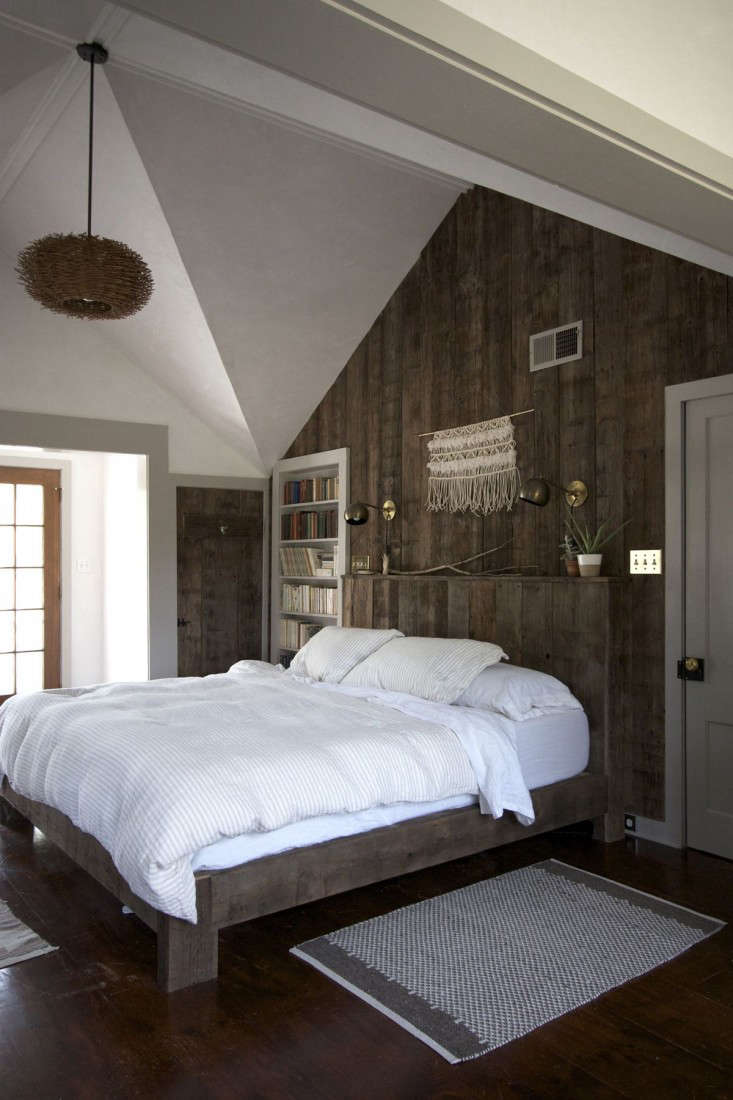
In bedrooms, rattan pendant lights can replace traditional bedside lamps or serve as a soft central fixture. Hanging small bird nest pendants on either side of the bed frees up nightstand space and adds boutique-hotel charm. A larger woven pendant in the center of the room can make the bedroom feel restful and natural.
Because bedrooms need layered lighting, pair a rattan pendant with bedside reading lights, wall sconces, or dimmable bulbs. A rattan shade alone may not provide strong reading light, but it is excellent for creating a calm evening glow.
Entryways and Hallways
An entryway is the handshake of the home. A natural rattan pendant light can make that handshake warm and memorable. In a small foyer, a bird nest pendant adds texture without needing much floor space. In a hallway, a series of smaller woven pendants can create a relaxed, gallery-like path.
Just make sure the fixture hangs high enough for clearance. In walking areas, the bottom of the pendant should generally be at least 7 feet above the floor, especially if tall guests visit. Your lighting should impress people, not bonk them politely on the forehead.
Covered Patios and Sunrooms
Rattan looks natural in sunrooms and covered patios, but pay close attention to fixture ratings. Many natural rattan pendant lights are intended for dry indoor locations. If you want to use one outside, choose a fixture specifically rated for damp or outdoor use. Moisture can damage natural fibers over time, and electrical safety should always come before aesthetics.
How to Choose the Right Rattan Bird Nest Pendant Light
Choosing a pendant light is partly about style and partly about math. Do not panic; it is friendly math. The main factors are size, shape, weave density, bulb type, ceiling height, and room function.
Choose the Right Size
For a small breakfast nook, a pendant between 12 and 18 inches wide may be enough. For a standard dining table or kitchen island, 18 to 24 inches often works well. For a dramatic focal point in a large room, an oversized pendant of 28 inches or more can look stunning.
When choosing a light for a table, keep the fixture narrower than the table so people do not feel crowded. For islands, leave several inches between the edge of the island and the outer edge of the pendant. Oversized rattan can be forgiving because the weave is visually light, but proportion still matters.
Consider the Weave
A loose weave creates dramatic patterns and lets more light escape. This is great for dining rooms, bedrooms, and decorative spaces. A tighter weave produces a more focused, shaded glow and may feel cozier. If the pendant is your main source of light, choose a design that allows enough brightness. If it is mostly decorative, you can go moodier.
Pick the Right Bulb
LED bulbs are usually the smartest choice for rattan pendant lights. They use far less energy than incandescent bulbs and produce less heat, which is important when a bulb is close to natural fibers. Choose warm white bulbs, typically around 2700K to 3000K, for a cozy look. For kitchens, you may prefer a slightly brighter bulb, but avoid anything too cool or blue unless your design goal is “airport restroom chic.”
Also check the fixture’s maximum wattage and socket type before buying bulbs. If the pendant is dimmable, use compatible dimmable LEDs and the right dimmer switch. A dimmer can transform a woven pendant from practical breakfast lighting to soft dinner ambiance with one small slide of the switch.
Look for Safety Certifications
When buying any pendant light, check for recognized safety certifications such as UL or ETL listing. This matters because lighting fixtures combine electricity, heat, installation hardware, and ceiling mounting. A beautiful fixture is only truly beautiful when it is safe, secure, and properly installed.
Styling Ideas for Natural Rattan Bird Nest Pendant Lights
Rattan bird nest pendant lights are statement pieces, but they do not need to dominate the whole room. The best styling approach is to repeat natural textures in small ways so the light feels connected to the space.
Pair Rattan With White and Wood
A classic combination is white walls, wood furniture, and a natural rattan pendant. This palette feels clean, bright, and relaxed. In a kitchen, try white cabinets, oak stools, brass hardware, and two bird nest pendants above the island. In a dining room, pair a rattan pendant with a wood table and simple upholstered chairs.
Mix It With Black Accents
Black details help rattan feel modern. A woven pendant with a black cord or canopy can tie into black cabinet pulls, window frames, or dining chairs. The contrast keeps the look from becoming too beachy and gives the room a crisp edge.
Add Plants for a Natural Layer
Rattan and plants are natural companions. A bird nest pendant above a dining table looks even better when there is a fiddle-leaf fig in the corner, herbs on the kitchen windowsill, or a trailing pothos nearby. Just avoid placing plants so close to the fixture that leaves touch the bulb or shade.
Use Repetition Carefully
If you use a large rattan pendant in the dining room, you do not need rattan in every corner. A little repetition is good; too much can make your home look like it is auditioning to become a basket. Repeat the texture through a tray, chair seat, mirror frame, or small storage basket, then stop while the room still feels intentional.
Natural Rattan vs. Wicker: What Is the Difference?
Many people use “rattan” and “wicker” as if they mean the same thing, but there is a difference. Rattan is a material. Wicker is a weaving method. A pendant light can be made of rattan using a wicker weave, but wicker can also be made from bamboo, willow, seagrass, synthetic resin, or other materials.
This matters when shopping because “wicker pendant light” may describe the style, while “rattan pendant light” tells you more about the material. Natural rattan usually has warm color variation and an organic feel. Synthetic wicker may be more moisture-resistant but can lack the same handmade charm. Neither is automatically better; the right choice depends on where the light will be used and what look you want.
Care and Maintenance Tips
Natural rattan pendant lights are relatively easy to maintain, but they do need gentle care. Dust is the main enemy because woven surfaces have many small grooves where particles can settle.
Dust Regularly
Use a feather duster, microfiber cloth, or soft brush attachment on a vacuum. Turn off the light first and let the bulb cool. Dusting once a week or every other week helps keep the weave fresh and prevents buildup.
Avoid Excess Moisture
Rattan is a natural material, so too much water can cause swelling, warping, or mildew. Do not soak the shade. If deeper cleaning is needed, use a barely damp cloth with mild soap, then dry the area promptly. Avoid steam cleaners and harsh chemicals.
Protect It From Grease
In kitchens, avoid hanging natural rattan too close to the stove. Grease and steam can cling to woven fibers. Above an island or breakfast area is usually better than directly above a cooktop. If your pendant is near cooking activity, clean it more often and make sure the kitchen has good ventilation.
Common Mistakes to Avoid
The most common mistake is choosing a pendant that is too small. A tiny rattan light over a large dining table can look like a lonely hat floating in space. When in doubt, scale up slightly, especially with open-weave designs.
Another mistake is ignoring bulb temperature. A cool white bulb can make natural rattan look washed out or gray. Warm light brings out the honey tones and makes the woven texture glow.
A third mistake is using rattan where moisture is high without checking the fixture rating. Bathrooms, uncovered patios, and humid spaces require extra caution. Natural fibers and electrical parts should be matched to the environment.
Finally, do not forget installation. Pendant lights should be securely mounted to an appropriate ceiling box. If you are not comfortable with electrical work, hire a licensed electrician. DIY confidence is wonderful; DIY sparks are less charming.
of Real-Life Experience With Natural Rattan Bird Nest Pendant Lights
The first thing people usually notice after installing natural rattan bird nest pendant lights is not the brightness. It is the feeling. A room that once looked finished but a little flat suddenly has depth. The ceiling becomes part of the design instead of a blank white lid. The fixture catches the eye during the day because of its woven form, and at night it creates a glow that feels softer than standard overhead lighting.
In a kitchen, the experience is especially noticeable. Imagine a clean white island with simple stools underneath. Before the rattan pendants, the space may feel polished but slightly serious, like it is waiting for a magazine photographer and refusing to let anyone spill coffee. Add two natural bird nest pendant lights, and the same kitchen becomes friendlier. The woven texture relaxes the room. It says, “Yes, this kitchen is beautiful, but pancakes are still welcome here.”
Dining rooms benefit in a different way. A rattan bird nest pendant above the table creates a natural gathering point. The shape draws everyone inward, and the warm light makes meals feel slower and more personal. Even a simple dinner looks better under a woven pendant. Pasta becomes “rustic.” Salad becomes “farmhouse.” Leftover pizza becomes “casual European dining,” if you dim the lights enough.
One practical lesson is that bulb choice changes everything. A warm, dimmable LED bulb makes the rattan glow beautifully and highlights the natural fibers. A bulb that is too bright or too cool can ruin the mood quickly. It is similar to taking a flattering portrait and then turning on fluorescent office lights. Technically visible? Yes. Emotionally correct? Absolutely not.
Another experience many homeowners have is realizing that shadows are part of the design. Open-weave rattan can cast patterns on nearby surfaces. Some people love this because it adds movement and atmosphere. Others may prefer a tighter weave if they want a cleaner, more even light. That is why it helps to think about the pendant at night, not just in a product photo taken at noon with perfect styling and suspiciously calm children.
Maintenance is manageable, but it is not zero. Dust will find the woven grooves because dust has a personal mission. A quick pass with a microfiber duster keeps the pendant looking fresh. In kitchens, checking for grease buildup matters. Rattan pendants are best placed away from direct cooking steam, where they can add warmth without becoming a decorative sponge for last Tuesday’s stir-fry.
The biggest design reward is versatility. Natural rattan bird nest pendant lights can make a new-build home feel less sterile, a rental feel more personal, and an older home feel refreshed without losing character. They are not just trendy accessories; they are texture, shape, warmth, and function in one. When chosen carefully, they become the kind of fixture guests comment on immediately. And unlike some statement lighting, they do not need to be loud to be memorable. They simply hang there, glowing gently, looking effortless, and making the rest of the room seem like it finally got a good night’s sleep.
Conclusion
Natural rattan bird nest pendant lights are a smart choice for anyone who wants lighting with warmth, texture, and personality. They bring an organic look to kitchens, dining rooms, bedrooms, entryways, and sunrooms while fitting beautifully into coastal, boho, farmhouse, modern, and Japandi interiors. Their woven form softens hard surfaces, creates inviting shadows, and adds a handcrafted feeling that mass-produced lighting often lacks.
To choose the right one, focus on scale, ceiling height, weave openness, bulb temperature, and safety certification. Use warm LED bulbs, consider dimmers, and place the fixture where it can shine without collecting too much moisture or grease. With simple dusting and gentle care, a rattan bird nest pendant can remain beautiful for years.
In short, this is not just a lamp. It is atmosphere on a cord. And sometimes, that is exactly what a room needs.