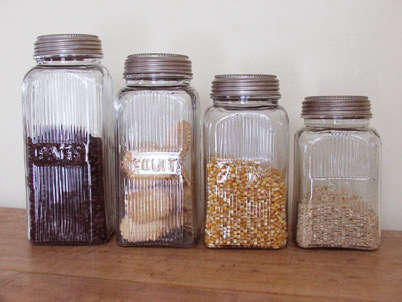
There are two kinds of kitchen storage: the kind that hides in shame behind a cabinet door, and the kind that stands proudly on the counter like it knows it belongs in a magazine. Retro glass storage from Farmhouse Wares falls comfortably into the second category. It is practical, nostalgic, and quietly charmingthe kitchen equivalent of a linen apron, a handwritten recipe card, and a pie cooling on the windowsill.
At first glance, retro glass canisters and salt cellars may seem like simple accessories. But in a real kitchen, they do important work. They keep everyday ingredients visible. They reduce the visual chaos of ripped flour bags and mystery plastic tubs. They add farmhouse warmth without turning your kitchen into a theme park called “Grandma’s Pantry Adventure.” Best of all, they make ordinary routinesscooping coffee, grabbing sugar, seasoning soupfeel a little more intentional.
This guide explores why retro glass storage has stayed popular, how Farmhouse Wares fits into the vintage-inspired kitchen trend, what to store in glass containers, and how to style them so your kitchen looks collected rather than cluttered. We will also cover real-world tips from pantry organization, food storage safety, open-shelving design, and long-term kitchen use. In other words, yes, the jars are prettybut they also need to earn their keep.
What Is Retro Glass Kitchen Storage?
Retro glass kitchen storage refers to glass jars, canisters, salt cellars, and containers inspired by older kitchen designs. Think clear glass bodies, sturdy lids, simple silhouettes, ribbed details, metal accents, and shapes that feel like they were made for flour, sugar, coffee, tea, beans, rice, cookies, and the occasional emergency chocolate stash.
Farmhouse Wares is known for vintage-style home decor, rustic kitchen accents, cottage-inspired pieces, and practical storage items that look as if they were discovered in a very well-organized country store. The original appeal of retro glass storage from Farmhouse Wares was simple: useful and attractive. That combination still matters. A storage piece should not merely sit there looking photogenic while your brown sugar turns into a brick. It should help the kitchen function better.
Why Glass Still Feels Timeless
Glass has a visual honesty that plastic rarely matches. You can see what is inside. You can tell when you are running low. You can spot the difference between powdered sugar and flour before creating a pancake tragedy. Clear glass also makes a pantry or open shelf feel lighter because it does not visually block the space the way opaque containers or cardboard packaging can.
In a farmhouse-style kitchen, glass works especially well because it balances rustic materials such as wood, enamel, stoneware, and metal. A row of glass canisters on a wood shelf feels warm, clean, and homey. A glass salt cellar beside the stove says, “I cook,” even if tonight’s dinner is mostly reheated leftovers wearing a respectable sprinkle of parsley.
Why Farmhouse Wares-Style Storage Works in Modern Kitchens
The modern kitchen has a small identity crisis. It needs to be efficient, easy to clean, attractive on camera, and capable of handling everything from meal prep to late-night cereal. Retro glass storage helps because it serves both function and atmosphere.
It Makes Ingredients Easy to See
One of the biggest advantages of glass storage jars is visibility. When dry goods are decanted into clear containers, you can quickly see what you own. This helps prevent duplicate purchases, forgotten ingredients, and that sad moment when you discover three nearly empty bags of rice hiding in three separate corners of the pantry.
Visible storage is especially useful for frequently used staples: coffee beans, oats, rice, pasta, sugar, flour, dried beans, tea bags, granola, and baking ingredients. If you use it weekly, glass storage can make it more accessible. If you use it once every leap year, it may be happier in a labeled bin behind closed doors.
It Adds Character Without Overdecorating
Farmhouse kitchens can become too decorative if every item is purely ornamental. Retro glass canisters avoid that problem because they are useful first and decorative second. Their charm comes from being part of daily life. They are not props; they are working pieces. That is what gives them staying power.
A glass canister full of flour, a jar of wooden spoons, and a small salt cellar beside the stove can do more for a kitchen’s personality than a dozen signs explaining that the kitchen is, in fact, a kitchen. Functional beauty usually ages better than decorative noise.
Best Things to Store in Retro Glass Canisters
Glass storage is best for dry, shelf-stable ingredients that benefit from being visible and easy to access. The key is to choose items that do not require special packaging, refrigeration, or protection from strong light. For everyday pantry organization, glass jars and canisters work beautifully when paired with tight-fitting lids and clear labels.
Dry Baking Staples
Flour, sugar, baking soda, baking powder, cocoa powder, and cornstarch are classic canister ingredients. They look clean in glass and are easy to scoop when stored near your baking zone. For best results, label each container with the ingredient name and the date it was opened or purchased. This tiny step prevents the classic kitchen mystery: “Is this cake flour, bread flour, or a white powder with emotional baggage?”
Breakfast Ingredients
Oats, granola, cereal, chia seeds, flaxseed, dried fruit, and nuts look beautiful in glass jars. They also make breakfast faster because you can pull together a bowl without rummaging through torn bags and floppy boxes. For nuts and seeds, consider storing smaller amounts in glass at room temperature and keeping backstock in the refrigerator or freezer if freshness is a concern.
Pasta, Rice, and Beans
Long pasta in tall jars, rice in wide-mouth canisters, and beans in clear containers can turn a pantry into a tidy, colorful display. Glass helps you see quantity at a glance, which is helpful before grocery shopping. It also encourages rotation: use older ingredients first, then refill after the container is cleaned and dried.
Coffee, Tea, and Sweeteners
A retro glass jar for coffee pods, tea bags, sugar cubes, or loose tea can create a cozy beverage station. If you use whole coffee beans, remember that light and air can affect freshness. A smaller glass jar for daily use plus a darker storage container for extra beans can offer the best of both worlds: style on the counter, freshness in reserve.
How to Style Retro Glass Storage from Farmhouse Wares
The secret to styling retro glass storage is restraint. A few well-chosen pieces look charming. Forty-seven jars on a counter look like a tiny ingredient army preparing for battle. The goal is to create useful beauty, not visual homework.
Create a Countertop Station
Choose three to five items you use every day and give them a dedicated place. A coffee station might include a glass jar for beans, a smaller jar for sugar, a mug rack, and a spoon rest. A baking station might include flour, sugar, oats, and a salt cellar. Keeping related items together makes the kitchen easier to use and easier to maintain.
Use Open Shelves Wisely
Open shelving can be gorgeous in a farmhouse kitchen, especially when it displays attractive everyday pieces such as glass jars, white dishes, enamelware, cookbooks, and cutting boards. But open shelves also collect dust and grease, so they work best for items you use frequently enough to wash or wipe regularly.
If your kitchen is busy, combine open and closed storage. Display the pretty, practical items and hide the chaotic ones. There is no moral failure in putting cereal boxes behind a door. Some packaging simply does not deserve a spotlight.
Mix Glass with Warm Materials
Glass looks best when paired with texture. Try combining retro glass canisters with wood shelves, woven baskets, linen towels, stoneware crocks, black metal hooks, or enamel trays. These materials soften the shine of glass and create the collected farmhouse look that Farmhouse Wares is known for.
Practical Tips Before Buying Retro Glass Storage
Before you fall in love with a canister set, measure your space. This sounds boring because it is. But it is also the difference between a beautiful storage solution and a jar that is one-quarter inch too tall to fit under your cabinet, which is how kitchen heartbreak happens.
Check Height, Width, and Lid Clearance
Measure shelf height, counter depth, and the space below upper cabinets. If the lid lifts off vertically, allow room for your hand. If the jar has a clamp or metal closure, make sure it can open fully. Wide-mouth jars are usually easier to clean and scoop from than narrow jars.
Look for a Good Seal
For dry goods, a snug lid helps protect ingredients from air, moisture, and pantry pests. Airtight does not have to mean industrial-looking. Many vintage-style jars include gasket lids, clamp tops, or fitted covers. If a container is mostly decorative, use it for items that do not require long-term freshness, such as wrapped candies, tea bags, or utensils.
Label Without Ruining the Look
Labels are not just for people who alphabetize their spice racks for fun. They help everyone in the household identify ingredients quickly. Use small paper labels, chalk labels, hanging tags, or a paint pen on the bottom or back of the jar. Include dates for ingredients that lose quality over time.
Cleaning and Maintaining Glass Storage
Retro glass storage is easy to care for, but it still needs a routine. Wash jars before first use, dry them completely, and avoid adding dry goods while moisture remains inside. Even a little trapped water can encourage clumping or spoilage.
When refilling a jar, resist the urge to pour new food on top of old food forever. Empty the container, wipe or wash it, dry it thoroughly, and refill with fresh ingredients. This keeps crumbs, oils, and stale residue from building up. It also helps prevent pantry pests from treating your canister set like an all-inclusive resort.
Retro Glass Storage vs. Plastic Containers
Plastic containers are lightweight and practical, but glass offers several advantages for kitchen storage. It does not absorb odors as easily, it resists staining, and it looks more polished on open shelves or counters. Glass is also reusable for years when handled carefully.
The trade-off is weight and fragility. Glass can break if dropped, so it may not be ideal for high shelves, children’s snack zones, or rushed mornings when everyone is moving through the kitchen like caffeinated bumper cars. Use glass where it makes sense: counters, reachable pantry shelves, baking stations, and display areas.
Small Kitchen? Retro Glass Storage Can Still Work
Small kitchens benefit from storage that is both useful and attractive. A few glass jars can reduce packaging clutter and make limited shelves feel intentional. The trick is to avoid over-decanting. Not everything needs a jar. Start with the staples you use constantly, then expand only if the system makes your life easier.
Try a Three-Jar Rule
If counter space is limited, begin with three jars: one for coffee or tea, one for sugar or oats, and one for a favorite snack or baking staple. Place them on a tray so the arrangement looks deliberate and can be moved when you clean. A tray also creates boundaries, which is helpful because kitchen clutter loves to spread like gossip.
Use Vertical Space
Wall shelves, hutches, plate racks, and pantry risers can help glass storage fit into compact kitchens. Keep heavier jars low and lighter items higher. If you are storing flour or rice, choose a spot where lifting the jar feels safe and comfortable.
How Retro Glass Storage Supports a Farmhouse Kitchen Mood
Farmhouse style is not only about shiplap, apron-front sinks, and pretending every loaf of bread is homemade. At its best, farmhouse design is about warmth, usefulness, and materials that feel honest. Retro glass storage supports that mood because it turns everyday ingredients into part of the room’s design.
Instead of hiding everything, farmhouse storage often celebrates practical objects: jars, pitchers, crocks, baskets, linens, cutting boards, and enamel pieces. Farmhouse Wares-style glass canisters fit naturally into that language. They make the kitchen feel lived-in, not staged. They also pair well with both vintage and modern elements, which means you do not need a full renovation to enjoy the look.
Buying Guide: What to Look For
When choosing retro glass kitchen storage, focus on five things: size, seal, shape, durability, and style. The prettiest jar in the world is not helpful if it cannot hold a full bag of flour or if the opening is too small for a measuring cup.
Choose Sizes Based on Real Ingredients
Before buying, check the package sizes you normally purchase. A five-pound bag of flour needs more space than a tiny decorative jar can provide. Coffee, tea, sugar, and pasta may require different shapes. Tall jars are useful for spaghetti. Wide jars are better for scooping. Small jars are perfect for salt, spices, tea, and toppings.
Match the Style to Your Kitchen
Retro glass can lean cottage, farmhouse, industrial, French country, or vintage general store. Choose details that echo what you already own. If your kitchen has black hardware, glass jars with dark metal accents may look cohesive. If your kitchen is soft and cottage-inspired, clear glass with simple lids may be enough.
Think About Daily Use
Ask yourself how the container will behave on a Tuesday morning. Can you open it with one hand? Is it easy to scoop from? Will it fit in the dishwasher, or does it need hand washing? Does the lid have a gasket that requires extra care? Beautiful storage should make life easier, not add a new household chore with a charming lid.
Common Mistakes to Avoid
The first mistake is buying too many containers at once. A kitchen storage system should grow from your habits, not from a shopping cart fever dream. Start with a few core pieces and test how you use them.
The second mistake is ignoring freshness. Clear glass is attractive, but some ingredients prefer darkness, cool temperatures, or airtight storage. Use glass for visible daily amounts, and store sensitive backstock properly.
The third mistake is skipping labels. Even if you know what everything is today, future you may not. Future you is tired, hungry, and trying to make pancakes before coffee. Help that person.
of Real-Life Experience: Living with Retro Glass Storage
Using retro glass storage in the kitchen changes the mood of everyday routines in a surprisingly noticeable way. The first thing you notice is visual calm. Bags, boxes, clips, twist ties, and half-folded packaging create tiny bits of chaos. Once the everyday staples move into glass jars, the kitchen starts to look quieter. Not empty. Not sterile. Just more settled.
A coffee jar near the machine, a sugar canister beside it, and a small salt cellar near the stove can become little anchors in the room. You stop searching for the basics. You reach, scoop, close, and continue. That sounds small, but kitchens are built from small motions. When those motions feel smoother, cooking feels less like a wrestling match with packaging.
There is also a pleasant honesty to seeing ingredients. When oats are low, you know. When the pasta jar is full, dinner is halfway solved. When the cookie jar is empty, the evidence is clear and the suspects are usually nearby. Glass storage removes the mystery from the pantry, and that alone can reduce waste. You are less likely to buy another bag of rice when the jar is staring at you from the shelf, already half full.
In practice, the best retro glass storage pieces are the ones used daily. A beautiful jar tucked in a hard-to-reach cabinet becomes decor with a lid. But a jar on the counter holding coffee, flour, or utensils becomes part of the kitchen’s rhythm. This is where Farmhouse Wares-style storage shines: it feels decorative without being precious. It does not demand perfection. A little flour dust on the counter, a wooden spoon leaning nearby, and a folded towel beside the stove only make the scene feel more human.
There are lessons, of course. Heavy glass jars should not live on high shelves unless you enjoy mild danger with your breakfast. Lids need to be practical, not just cute. Wide openings are better for scooping. Labels save arguments. And every jar should be completely dry before refilling, because pantry ingredients and moisture have never been friends.
The biggest experience-based tip is to avoid turning organization into theater. You do not need every ingredient in a matching jar. You do not need a pantry that looks like a celebrity home tour. Start with what you use most: coffee, sugar, oats, pasta, rice, flour, or tea. Let the system prove itself. If it makes cooking easier and the kitchen prettier, add more. If not, adjust.
Retro glass storage works because it respects both beauty and usefulness. It gives the kitchen a nostalgic glow while solving modern problems: clutter, visibility, packaging waste, and countertop confusion. It is not a miracle. It will not cook dinner. But it may make you feel slightly more capable while you doand sometimes that is exactly what a kitchen needs.
Conclusion: A Small Storage Upgrade with Big Kitchen Charm
Kitchen: Retro Glass Storage from Farmhouse Wares is more than a pretty phrase for vintage-loving home decorators. It represents a practical approach to kitchen organization: keep useful things visible, choose materials that last, and let everyday objects add warmth to the room. Retro glass canisters, jars, and salt cellars bring farmhouse character without sacrificing function.
Whether you are styling open shelves, organizing a pantry, building a coffee station, or simply trying to stop flour bags from collapsing like paper ghosts, glass storage can help. The best pieces are easy to use, easy to clean, appropriately sized, and suited to the ingredients you reach for most often. Choose thoughtfully, label clearly, clean regularly, and your kitchen will feel more organized without losing its soul.
In the end, retro glass storage is charming because it makes the ordinary visible. Flour, sugar, coffee, pasta, and salt become part of the kitchen’s story. And if your kitchen can be more functional while looking like it has excellent taste, that is a storage solution worth making room for.