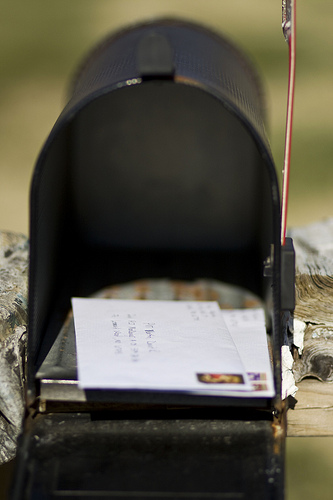
Some joys arrive with fireworks. Others arrive with a tiny paper whisper: fold, fold, slide. The page slips into the envelope without buckling, bulging, crumpling, or doing that awkward thing where one corner refuses to cooperate like a cat near bathwater. That small, almost ridiculous victory is exactly the kind of everyday magic celebrated by “1000 Awesome Things,” and “#557 When you fold a piece of paper so it fits in the envelope perfectly” deserves its own slow clap.
At first glance, this tiny moment seems too ordinary to matter. It is just paper. It is just an envelope. It is not a promotion, a vacation, or the discovery of a forgotten twenty-dollar bill in winter-coat season. But that is the trick. The moment feels good because it is simple, physical, and strangely satisfying. It gives you instant feedback. You measured with your eyes, trusted your hands, made two or three neat folds, and the universe responded with a perfect fit. For once, geometry did not betray you.
In a world of digital messages, blinking notifications, and inboxes that multiply like rabbits with Wi-Fi, folding a real piece of paper feels almost rebellious. It is slow. It is tactile. It asks for your attention. And when that folded paper glides into the envelope just right, you get a tiny burst of order in a messy day. That is not nothing. That is awesome.
The Tiny Satisfaction of a Perfect Paper Fold
The beauty of this moment comes from its precision. A standard sheet of paper is flexible, but not endlessly forgiving. Fold it too high, and the top peeks out. Fold it too low, and the bottom jams. Fold it unevenly, and the whole thing becomes a lumpy rectangle of regret. But when the crease lands in the correct place, the page suddenly becomes envelope-shaped, as if it has discovered its destiny.
This is why the perfect envelope fold feels better than it logically should. It gives your brain a quick before-and-after transformation. One second, you are holding a flat sheet of paper. The next, you have created a compact, tidy message ready for travel. It is the paper version of packing a suitcase so neatly that you almost want to applaud yourself at baggage claim.
There is also a small element of suspense. Will it fit? Will the edges align? Will the envelope flap close without a fight? When everything works, the result feels like winning a private game that nobody else knew you were playing. No scoreboard, no referee, no dramatic sports commentaryjust you, a sheet of paper, and a quiet little “yes.”
Why Simple Things Feel So Good
Small satisfactions matter because daily life is full of tiny frictions. The zipper gets stuck. The pen runs out. The printer flashes a mysterious error code with the emotional warmth of a parking ticket. Against that background, a perfectly folded letter feels like a tiny act of peace.
There is a reason people love oddly satisfying videos, neat desk setups, color-coded shelves, and perfectly stacked pancakes. The human brain likes completion. It likes symmetry. It likes when the world behaves for three uninterrupted seconds. Folding paper into an envelope checks all those boxes. It is controlled, visible, and complete.
Even better, it is not a big achievement that demands a speech. It is a micro-achievement. You do not need a certificate. You do not need a motivational poster. You just need to notice it. That is the heart of the “awesome things” mindset: life becomes richer when you stop waiting for giant happiness and start catching the small stuff before it flies past you wearing sneakers.
A Brief Love Letter to Envelopes
Envelopes are humble objects, but they have done serious work for centuries. Before instant messaging, email, and “seen” receipts, envelopes helped carry news, money, invitations, apologies, love notes, official documents, holiday cards, and handwritten updates from one person to another. They protected the message, gave it a destination, and added a little suspense. An envelope says, “Something inside is meant for you.”
The history of letters and envelopes is surprisingly rich. In earlier eras, people often folded letters into their own secure packets, using folds, seals, and clever tucks to protect private messages. Eventually, manufactured envelopes became common, making correspondence easier and more standardized. The modern envelope may look plain, but it is really a tiny privacy machine with a paper tuxedo.
That history makes the simple act of folding a page feel more meaningful. You are not just making paper smaller. You are participating in a long tradition of preparing a message for someone else. Whether it is a birthday card, a school form, a thank-you note, a printed receipt, or a letter that says what a text message cannot, the fold turns the page into something ready to be sent, saved, or remembered.
The Geometry Hiding in Your Hands
Let us give credit where credit is due: a perfect fold is casual geometry. Most people do not grab a ruler when folding a letter. They estimate. They use visual judgment. They make the first fold, compare the size, adjust, and press the crease. This is practical math wearing everyday clothes.
For a standard business envelope, the classic tri-fold is the superstar. Fold the bottom third upward, fold the top third downward, and suddenly the page becomes a neat panel that slides inside. When the folds are clean, the paper sits flat. When the folds are uneven, the envelope develops a strange paper belly and starts looking like it ate lunch too quickly.
The trick is not perfection in a laboratory sense. It is practical perfection. The edges do not need to be measured to the atom. They just need to fit smoothly, lie flat, and let the envelope seal without drama. That is why the experience is so satisfying: the standard is clear, achievable, and immediately rewarded.
Why Handwritten and Printed Notes Still Matter
Digital communication is fast, useful, and sometimes necessary. Nobody wants to receive emergency news by carrier pigeon. Still, physical letters offer something screens cannot fully copy. They have texture. They take effort. They carry a little evidence of human presence: handwriting, pressure marks, paper choice, a smudge of ink, or a slightly crooked fold that says, “A real person did this.”
Writing by hand can also feel more thoughtful because it slows the mind down. You cannot blast through a handwritten note the same way you fire off a one-word reply. You choose your words more carefully. You consider the person receiving them. Even a short message can feel warmer when it arrives on paper.
That is why folding a letter into an envelope can feel like the final scene of a tiny ceremony. You wrote the message. You checked it. You folded it. You tucked it away. You sealed it. It is an intentional sequence, and each step adds weight. The fold is the bridge between expression and delivery.
The Envelope Fit Test: A Tiny Moment of Control
Life often refuses to line up neatly. Plans shift. Apps update at the worst time. Someone eats the leftovers you were emotionally depending on. But a piece of paper and an envelope offer a small, manageable problem: make this fit into that.
When you solve it, your brain gets a neat little reward. There is order. There is completion. There is a visible result. The paper enters the envelope without a crunching sound, and suddenly you feel like a person who could also organize a garage, finish a novel, and maybe understand health insurance. The confidence may be wildly exaggerated, but let us enjoy it.
This is why the moment works so well as an “awesome thing.” It is not about stationery alone. It is about the pleasure of doing a small task well. It is about competence. It is about turning an ordinary object into a tiny success story.
How to Fold Paper So It Fits an Envelope Perfectly
You do not need to become a paper-folding monk, but a few simple habits can improve the experience. First, choose the right envelope for the paper. A standard letter-sized sheet usually works beautifully with a business envelope when folded into thirds. Greeting cards, invitations, and thicker papers may need larger envelopes because cardstock behaves less like paper and more like a polite plank.
Second, line up the bottom edge before making the first crease. Bring the lower part of the paper up until it looks slightly below the top third. Do not press immediately. Hover for a second. Adjust. Then crease. This moment is the difference between “professional letter” and “I folded this during an earthquake.”
Third, bring the top section down over the first fold. The top edge should land neatly near the bottom crease. Press the fold firmly with your fingers, a ruler, or the edge of a clean card. Sharp creases reduce bulk and help the paper slide smoothly into the envelope.
Finally, test the fit gently. Do not attack the envelope like you are stuffing a sleeping bag into its original pouch. Slide the folded paper in with the open edges facing down or toward the back, depending on the envelope style. If it slips in smoothly, congratulations. You have achieved one of civilization’s quietest victories.
Common Paper-Folding Mistakes That Ruin the Magic
Folding Too Quickly
The fastest fold is not always the best fold. Rushing can create crooked creases, uneven panels, and a final shape that refuses to cooperate. Take two extra seconds. Your envelope will thank you by not looking like it has internal conflict.
Ignoring Paper Thickness
Thick paper needs more room. A single sheet of regular paper folds easily, but multiple pages or cardstock can become bulky. If you are mailing several sheets, use a larger envelope or fold fewer times. Paper has limits, and once it turns into a brick, no envelope is truly happy.
Using the Wrong Envelope
Sometimes the problem is not your fold. It is the envelope. Tiny envelopes are charming until they meet a full-size sheet of paper and immediately become unreasonable. Matching paper size to envelope size is the secret to avoiding unnecessary origami drama.
Weak Creases
A soft crease can puff up inside the envelope. A firm crease keeps the fold flat and tidy. Use clean hands and a flat surface. Press from the center outward to avoid wrinkles. Think of it as giving the paper a confident handshake.
The Emotional Power of Neatness
A perfect fold feels good because it creates neatness in miniature. This does not mean everyone needs a spotless desk, alphabetized spice rack, or socks arranged by emotional tone. But little pockets of order can be calming. A folded letter, a closed envelope, a finished taskthese things tell the mind, “This part is done.”
That sense of completion is valuable. Many modern tasks do not have clear endings. Emails keep coming. Feeds keep scrolling. Work documents keep inviting “one more quick edit,” which is rarely quick and often emotionally suspicious. Folding paper into an envelope is different. It ends. The flap closes. The task is complete.
In that way, the envelope becomes a tiny boundary. The message is inside. The outside is clean. The moment is finished. There is beauty in that kind of clarity.
From Everyday Errand to Tiny Ritual
One of the best ways to enjoy this small awesome thing is to treat it as a ritual rather than a chore. Choose a clean surface. Smooth the paper. Make the first fold carefully. Run your finger along the crease. Fold again. Slide it into the envelope. Seal it. Write the address. Add a stamp if needed. Suddenly, a basic task becomes a small act of attention.
This is especially true for thank-you notes, birthday cards, sympathy messages, congratulations letters, and personal updates. The paper fold becomes part of the emotional packaging. It says the message was not tossed into the world casually. It was prepared.
Even business mail benefits from a clean fold. A well-folded letter looks professional before the recipient reads a single word. It communicates care, organization, and respect. It whispers, “Someone here knows how thirds work.”
Why “1000 Awesome Things” Still Resonates
The idea behind “1000 Awesome Things” remains powerful because it trains attention toward ordinary joy. The world is loud, and big happiness can feel rare or far away. But small happiness is everywhere if you develop the habit of noticing it: warm laundry, good parking spots, the first sip of coffee, a perfectly timed green light, or a folded paper that fits exactly into an envelope.
This mindset does not pretend life is perfect. It simply refuses to let small good things disappear unnoticed. That matters because attention shapes experience. If you only look for problems, the day becomes a pile of problems. If you also look for tiny wins, the day gains texture, humor, and lightness.
Folding paper perfectly is funny because it is so specific. But that specificity is the point. Happiness is often specific. It lives in details. It shows up in the exact moment the paper slides into the envelope without resistance and your inner perfectionist puts on sunglasses.
of Experience: The Small Drama of the Perfect Fold
Anyone who has ever folded a piece of paper for an envelope knows the experience has chapters. Chapter one is confidence. You look at the paper and the envelope and think, “Easy.” This is dangerous. Paper can smell overconfidence. You make the first fold without thinking, and suddenly the bottom edge is too high. You try the second fold anyway, because hope is free, and now the paper is shaped like a confused brochure.
Then comes chapter two: correction. You unfold the paper and see the crease line staring back at you like evidence. You try to fold it again, slightly lower this time. The paper now has multiple crease marks, which makes it look like it has been through a committee meeting. Still, you continue. You are not folding paper anymore. You are restoring dignity.
But when the fold works, everything changes. The panels line up. The creases are crisp. The folded sheet is slim and obedient. You pick up the envelope, open it, and slide the paper inside. No bending. No corner catching. No need to press it down with the energy of someone closing an overpacked suitcase. It simply fits. The envelope accepts it. The flap closes. Somewhere, a tiny orchestra plays one clean note.
The best part is that this satisfaction is private. Nobody else may notice. You probably will not call a friend and say, “You are not going to believe the tri-fold I just achieved.” Yet the pleasure is real. It is the same kind of pleasure as peeling a sticker cleanly, guessing the exact amount of leftovers for the right container, or plugging in a USB cable correctly on the first try. These moments do not change history, but they improve the day.
I think the perfect envelope fold feels especially good because it combines care and usefulness. It is not decorative only. It helps the message travel. It protects the page from wrinkles. It makes the envelope look tidy. It turns a flat sheet into something prepared, finished, and ready. That is a deeply satisfying transformation for such a small motion.
There is also nostalgia tucked into the act. Many people remember folding school permission slips, holiday letters, handwritten notes, report cards, invitations, or homemade cards. Sometimes the fold was careful because the message mattered. Sometimes it was rushed because the bus was coming. Sometimes the envelope was slightly too small, and everyone pretended the bulge was normal. Those tiny paper memories stick around because they involve hands, attention, and a real object moving from one person to another.
In a digital world, that makes the moment even sweeter. A message on a screen can vanish into a thread. A folded paper inside an envelope has presence. It waits on a table. It travels in a bag. It arrives in a mailbox. It can be opened, reread, saved, or tucked into a drawer. And it all begins with that simple, lovely fold.
Conclusion: A Perfect Fit Is a Perfect Little Joy
“#557 When you fold a piece of paper so it fits in the envelope perfectly” is awesome because it captures a small victory almost everyone understands. It is simple, useful, and oddly elegant. The paper fits. The envelope closes. The task is done. For one brief moment, the world lines up in thirds.
That is the charm of everyday joy. It does not always announce itself loudly. Sometimes it arrives as a clean crease, a smooth slide, and a sealed flap. When you notice it, the ordinary becomes brighter. And honestly, if paper and an envelope can deliver that much satisfaction, maybe the day is doing better than we thought.