Heart failure sounds like the heart simply “stops,” but that is not what the term means. It means the heart is not pumping blood as well as the body needs. The result can be fatigue, shortness of breath, fluid buildup, swelling, and a frustrating feeling that your body’s engine is running with a clogged air filter. Food cannot magically install a new heart, but it can help reduce some of the pressures that make the heart work harder.
The best foods for heart failure protection are not mysterious superfoods flown in on a golden spoon. They are mostly everyday foods: vegetables, fruits, beans, lentils, oats, whole grains, nuts, seeds, fish, low-sodium dairy, olive oil, herbs, and meals cooked with less salt. In other words, your heart tends to prefer a plate that looks like it came from a garden, a farm, and a simple kitchennot from a drive-through window at 11:47 p.m.
This guide explains which foods may help protect against heart failure, why they matter, and how to build meals that support blood pressure, cholesterol, weight management, blood sugar, and fluid balance. The goal is not perfection. The goal is a practical eating pattern you can repeat without feeling like you joined a sad salad cult.
Understanding the Link Between Food and Heart Failure
Heart failure risk is closely connected to high blood pressure, coronary artery disease, diabetes, obesity, kidney disease, and chronic inflammation. Diet influences all of these. A heart-friendly eating pattern can help lower blood pressure, improve cholesterol levels, reduce excess body weight, support healthier blood sugar, and decrease the amount of extra fluid the body holds onto.
Two of the strongest eating patterns for cardiovascular health are the DASH diet and the Mediterranean diet. DASH stands for Dietary Approaches to Stop Hypertension, and it focuses on fruits, vegetables, whole grains, low-fat dairy, legumes, nuts, fish, poultry, and reduced sodium. The Mediterranean diet emphasizes vegetables, fruits, beans, whole grains, fish, olive oil, nuts, herbs, and smaller amounts of red meat and sweets.
Both patterns share the same main idea: eat more minimally processed, nutrient-dense foods and fewer salty, sugary, heavily processed foods. That is not flashy advice, but it works better than chasing every new “miracle” ingredient that appears on social media holding a tiny spoon.
Best Foods That May Help Protect Against Heart Failure
1. Leafy Green Vegetables
Leafy greens such as spinach, kale, collard greens, arugula, romaine, and Swiss chard are rich in potassium, magnesium, fiber, antioxidants, and nitrates that support blood vessel function. These nutrients can help the body maintain healthier blood pressure, which is one of the most important factors in protecting the heart.
Try adding greens to omelets, soups, smoothies, grain bowls, tacos, and pasta dishes. If plain kale tastes like lawn clippings with ambition, massage it with a little olive oil and lemon juice, or choose tender spinach instead.
2. Berries and Colorful Fruits
Blueberries, strawberries, raspberries, blackberries, oranges, apples, pears, peaches, and grapes provide fiber and plant compounds that support blood vessel health and help fight oxidative stress. Fruits are also naturally sweet, making them a smarter dessert choice than cookies, pastries, or ice cream every night.
A simple heart-friendly breakfast could be oatmeal topped with berries, walnuts, and cinnamon. That combination delivers soluble fiber, healthy fats, and flavor without needing a syrup waterfall.
3. Beans, Lentils, and Chickpeas
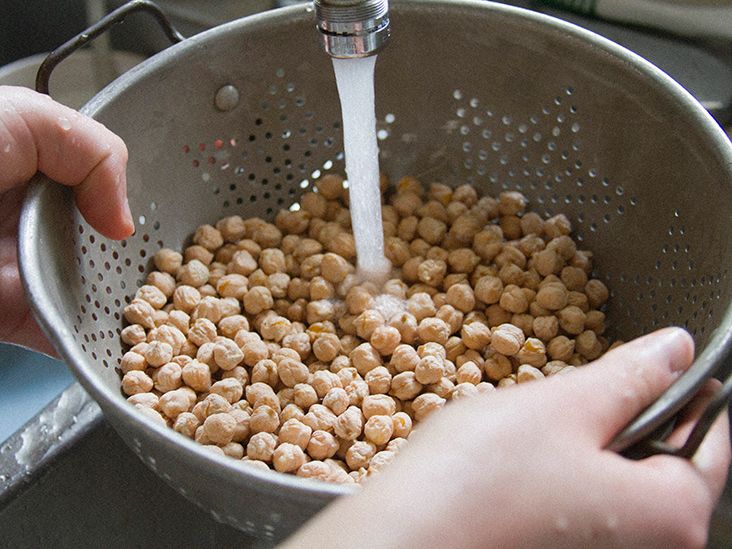
Legumes are one of the most underrated foods for heart health. Beans, lentils, split peas, and chickpeas provide fiber, plant-based protein, potassium, magnesium, and slow-digesting carbohydrates. They can help with cholesterol control, blood sugar stability, and fullness, which may support healthy weight management.
Use low-sodium canned beans or rinse regular canned beans thoroughly before eating. Better yet, cook dried beans in batches and freeze portions. Add them to soups, salads, burrito bowls, stews, and pasta. Your heart will be pleased; your wallet may also send a thank-you card.
4. Oats and Other Whole Grains
Whole grains such as oats, barley, brown rice, quinoa, farro, bulgur, and 100% whole-wheat bread provide fiber, B vitamins, and minerals. Oats and barley contain beta-glucan, a type of soluble fiber that can help lower LDL cholesterol. Lower cholesterol supports healthier arteries, which may reduce strain on the heart over time.
Choose whole grains instead of refined grains most of the time. For example, swap white toast for whole-grain toast, white rice for brown rice or quinoa, and sugary cereal for oatmeal. Small switches can quietly become big wins.
5. Fatty Fish Rich in Omega-3s
Salmon, sardines, trout, herring, and mackerel provide omega-3 fatty acids, which are associated with heart health benefits. Fish is also a high-quality protein source that can replace higher-saturated-fat meats. Aim for grilled, baked, or broiled fish rather than deep-fried fish, because frying can turn a heart-smart choice into a crispy little betrayal.
If fish is not your thing, consider plant sources of omega-3s such as chia seeds, flaxseeds, walnuts, and canola oil. They are not identical to fish-based omega-3s, but they still fit well into a heart-friendly diet.
6. Nuts and Seeds
Almonds, walnuts, pistachios, pecans, chia seeds, flaxseeds, sunflower seeds, and pumpkin seeds offer unsaturated fats, fiber, protein, magnesium, and antioxidants. They can be excellent snacks when portions are reasonable. A small handful is usually enough; a “handful” should not mean the size of a cereal bowl unless your hand belongs to a cartoon giant.
Choose unsalted nuts and seeds whenever possible. Salted versions can add sodium quickly, and sodium is one of the biggest diet concerns for people trying to protect their heart.
7. Low-Sodium Dairy or Fortified Alternatives
Plain yogurt, low-fat milk, kefir, and fortified soy milk can provide calcium, vitamin D, protein, and potassium. In DASH-style eating, low-fat dairy is often included because it supports blood pressure-friendly nutrition. Choose plain versions more often because flavored yogurts and drinks can carry a surprising amount of added sugar.
A practical option is plain Greek yogurt with berries, ground flaxseed, and a sprinkle of cinnamon. It tastes like dessert grew up and started paying bills.
8. Olive Oil and Other Unsaturated Fats
Extra-virgin olive oil is a key part of Mediterranean-style eating. It provides monounsaturated fat and plant compounds that support cardiovascular health. Other useful unsaturated fat sources include avocado, nuts, seeds, and certain vegetable oils.
Use olive oil for salad dressings, roasted vegetables, and light sautéing. The goal is to replace saturated fats such as butter, shortening, and high-fat processed meatsnot to pour olive oil over everything like you are blessing a tiny vegetable ceremony.
9. Herbs, Spices, Garlic, Onion, Citrus, and Vinegar
One major challenge in heart-friendly eating is reducing sodium without making food taste like wet cardboard. Herbs and spices solve that problem beautifully. Garlic, onion, basil, oregano, rosemary, thyme, cumin, smoked paprika, black pepper, chili flakes, lemon juice, lime juice, and vinegar can make low-sodium meals taste bright and satisfying.
Try lemon and dill on fish, cumin and lime on beans, rosemary on roasted potatoes, or garlic and basil on vegetables. Flavor is not the enemy of heart health. Excess sodium often is.
Foods to Limit for Better Heart Failure Protection
High-Sodium Packaged Foods
Too much sodium can raise blood pressure and cause the body to hold onto extra fluid. For people with existing heart failure, sodium limits are often stricter and should be personalized by a clinician. Common high-sodium foods include canned soups, deli meats, frozen dinners, fast food, pizza, chips, pickles, salty sauces, instant noodles, and many restaurant meals.
Reading Nutrition Facts labels is one of the most useful habits you can build. Look for “low sodium,” “no salt added,” or “reduced sodium,” but still check the actual number. Food packaging can be very confident, and sometimes confidence is not the same as honesty.
Processed Meats and High-Saturated-Fat Meats
Bacon, sausage, hot dogs, pepperoni, bologna, ribs, fatty cuts of beef, and heavily processed meats are often high in sodium and saturated fat. These foods can contribute to high blood pressure and unhealthy cholesterol levels. You do not have to live in fear of every burger, but these should not be everyday staples.
Choose fish, skinless poultry, beans, lentils, tofu, or leaner cuts more often. Even replacing processed meat a few times per week can improve the overall quality of your diet.
Sugary Drinks and Sweets
Soda, sweet tea, energy drinks, candy, cakes, pastries, and many sweetened coffee drinks can contribute to weight gain, insulin resistance, and higher diabetes risk. Diabetes and excess body weight can increase the risk of heart failure, so reducing added sugar is a smart move.
If plain water bores you into another dimension, try sparkling water with citrus, unsweetened iced tea, or water infused with berries and mint.
Ultra-Processed Foods
Ultra-processed foods often combine refined starches, added sugars, sodium, unhealthy fats, and additives in ways that make overeating very easy. Examples include packaged snack cakes, chips, sugary cereals, frozen fried foods, fast-food meals, and many ready-to-eat packaged items.
You do not need to avoid every packaged food. Frozen vegetables, canned beans, plain yogurt, oats, and canned tuna can be convenient and healthy. The trick is choosing minimally processed options and checking sodium, sugar, and saturated fat.
How to Build a Heart-Protective Plate
A simple formula can make heart-friendly eating easier:
- Fill half the plate with vegetables and fruit.
- Fill one quarter with whole grains or starchy vegetables.
- Fill one quarter with lean protein such as fish, beans, lentils, tofu, or poultry.
- Add a small amount of healthy fat such as olive oil, avocado, nuts, or seeds.
- Season with herbs, spices, citrus, vinegar, garlic, and onion instead of relying on salt.
For example, try grilled salmon with quinoa, roasted broccoli, and a lemon-herb yogurt sauce. Or make a lentil soup with tomatoes, carrots, celery, spinach, garlic, and low-sodium broth. Another easy meal is a brown rice bowl with black beans, peppers, avocado, salsa, lettuce, and lime.
A One-Day Sample Menu for Heart Health
Breakfast
Oatmeal cooked with low-fat milk or fortified soy milk, topped with blueberries, chopped walnuts, and cinnamon.
Lunch
A large salad with spinach, chickpeas, cucumbers, tomatoes, carrots, quinoa, olive oil, lemon juice, and grilled chicken or tofu.
Snack
Plain Greek yogurt with sliced strawberries, or an apple with unsalted almond butter.
Dinner
Baked salmon or lentil patties with roasted sweet potato, steamed green beans, and a side of mixed greens.
Flavor Boost
Use garlic, black pepper, smoked paprika, lemon zest, vinegar, parsley, basil, or chili flakes. Your food should taste alive, not like it is serving a sentence.
Special Caution: Potassium, Fluids, and Existing Heart Failure
Potassium-rich foods such as bananas, oranges, potatoes, spinach, beans, yogurt, and avocados can support blood pressure in many people. However, people with kidney disease or those taking certain heart medications may need to monitor potassium carefully. Too little or too much potassium can be dangerous.
People already diagnosed with heart failure may also be told to limit fluids or follow a specific sodium target. These recommendations depend on symptoms, medications, kidney function, and the type of heart failure. That is why personal medical advice matters. A general article can guide your grocery cart, but your clinician knows the details under the hood.
Practical Shopping Tips for Heart-Friendly Eating
Start in the produce section and build meals around vegetables and fruit. Choose fresh or frozen options without added sauces. Pick whole grains such as oats, brown rice, barley, quinoa, and whole-wheat pasta. Buy low-sodium canned tomatoes, beans, tuna, and broth. Choose unsalted nuts and seeds. Look for plain yogurt instead of sweetened yogurt.
When buying packaged foods, compare labels. A soup that looks healthy may contain more sodium than expected. A “natural” snack may still be high in added sugar. A low-fat product may compensate with salt or sweeteners. Nutrition labels are boring until they save your heart from a sodium ambush.
Real-Life Experience: What Eating for Heart Protection Actually Feels Like
Switching to heart-protective foods can feel awkward at first, especially if your normal meals are salty, quick, and familiar. The first week is often the hardest because taste buds need time to adjust. Many people who cut back on sodium say food tastes flat at first. Then, after a few weeks, they notice something surprising: vegetables taste sweeter, herbs taste stronger, and restaurant food can suddenly taste like it was seasoned by someone trying to preserve a mummy.
A realistic experience might start with breakfast. Instead of skipping breakfast or grabbing a pastry, you make oatmeal with berries and walnuts. It takes five minutes, keeps you full longer, and does not cause the same sugar crash. At first, you may miss the buttery pastry. By day ten, you may notice that the oatmeal is easier on your stomach, cheaper, and less dramatic than chasing crumbs across your shirt before work.
Lunch is where many people struggle. Fast food is convenient, and convenience has a very persuasive voice. A heart-friendly lunch does not need to be fancy. A container of leftover lentil soup, a turkey and avocado sandwich on whole-grain bread with low-sodium ingredients, or a chickpea salad bowl can work. The biggest difference is preparation. When good food is ready, healthy choices become less heroic and more automatic.
Dinner can become the most enjoyable part of the change. Roasted vegetables with olive oil, garlic, and herbs taste rich without needing much salt. Salmon with lemon, beans with cumin and lime, or chicken with rosemary and vegetables can feel satisfying rather than restrictive. The key is learning flavor combinations. Lemon wakes up fish. Vinegar brightens beans. Smoked paprika gives vegetables a deeper flavor. Garlic makes almost everything more charming, except maybe cereal.
Social situations require flexibility. If you go to a restaurant, you can ask for sauces and dressings on the side, choose grilled instead of fried foods, and pick vegetables or salad instead of salty fries. You do not need to announce your sodium strategy to the entire table like a town crier. Quiet choices add up. If you eat a salty meal, the next meal can be lighter, fresher, and lower in sodium. Heart-friendly eating is a pattern, not a courtroom trial.
One helpful habit is creating a “default grocery list.” This might include oats, berries, apples, spinach, broccoli, carrots, sweet potatoes, brown rice, quinoa, low-sodium beans, lentils, salmon, chicken, tofu, plain yogurt, walnuts, olive oil, lemons, garlic, and herbs. When these foods are available, meals become easier. When the kitchen contains only chips, soda, and a lonely bottle of mustard, the heart-friendly dinner plan gets complicated fast.
Another real-world lesson is that comfort food can be modified. Chili can be made with low-sodium beans, tomatoes, lean turkey, and extra vegetables. Tacos can use grilled fish, black beans, cabbage, avocado, and salsa with modest sodium. Pasta can include whole-grain noodles, olive oil, tomatoes, spinach, garlic, and beans. Food does not have to lose its personality just because it becomes healthier.
The most important experience is noticing small improvements. Some people feel less bloated when they reduce sodium. Others feel more energetic when they eat more fiber-rich meals. Some notice better blood pressure readings after consistent changes. These wins may not arrive with fireworks, but they matter. Protecting the heart is often a quiet project built from ordinary meals, repeated often.
Conclusion
The foods that help protect against heart failure are not rare or complicated. They are vegetables, fruits, beans, lentils, whole grains, fish, nuts, seeds, low-sodium dairy, olive oil, and meals seasoned with herbs instead of excess salt. These foods support healthier blood pressure, cholesterol, blood sugar, weight, and inflammation levelsall key factors connected to heart failure risk.
The smartest approach is not a temporary diet but a repeatable eating pattern. Cook more meals at home, compare sodium on labels, replace processed meats with beans or fish, snack on fruit and unsalted nuts, and build plates around plants. Your heart does not need a perfect menu. It needs consistent support, one meal at a time.