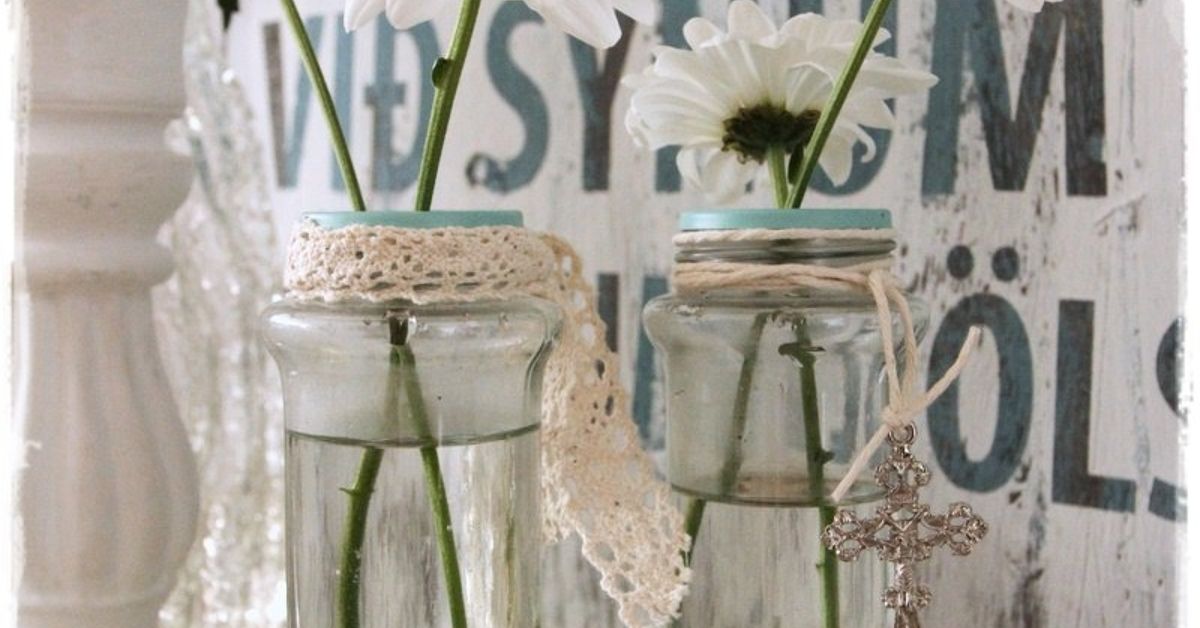
Before you toss that empty oregano bottle into the recycling bin, take another look. Beneath the faded label and faint memory of taco night may be a perfectly adorable little bud vase waiting for a second career.
Reusing empty spice bottles as bud vases is one of those rare DIY projects that checks nearly every desirable box: inexpensive, beginner-friendly, customizable, compact, and genuinely useful. Small spice jars are naturally suited to single flowers, garden clippings, herbs, and miniature arrangements. Their narrow openings help support slender stems, while their petite scale makes them easy to tuck into places where a conventional flower vase would look like it arrived with its own moving truck.
Even better, this project turns ordinary kitchen packaging into home decor rather than immediately discarding it. With some cleaning, label removal, and optional decorating, a former cinnamon container can become the star of a windowsill, dinner table, guest bathroom, desk, or bedside table.
Why Empty Spice Bottles Make Surprisingly Good Bud Vases
Traditional bud vases are designed for one flower or a very small collection of stems. Many glass spice bottles already have almost exactly the right proportions: a compact body, narrow neck or opening, and enough height to hold a short stem upright.
That makes them particularly useful for blooms that might otherwise seem too small for an arrangement. A single pansy, cosmos, ranunculus, zinnia, daisy, miniature rose, or flowering herb suddenly looks intentional rather than lonely.
There is also an environmental advantage. Reuse gives an existing container another purpose before it eventually enters the recycling or waste stream. You are not going to personally rescue the planet with one paprika bottle, obviously, but keeping useful objects in circulation longer is a practical waste-reduction habit.
Small Size Is Actually an Advantage
A large vase demands flowers. Lots of flowers. It practically sends you an invoice.
A spice-bottle vase can look complete with one beautiful stem. That means a grocery-store bouquet can be divided among several rooms instead of disappearing into one giant arrangement. Gardeners can also rescue tiny stems that break during pruning instead of tossing them into the compost pile.
Place one beside the bathroom sink, another near the coffee maker, and a third on your nightstand. Suddenly the house looks thoughtfully decorated, even though yesterday these containers were holding cumin.
What You Need for This Easy Upcycling Project
You can make the simplest version with almost nothing beyond the bottle itself. Decorating supplies are completely optional.
- Empty glass spice bottles or jars
- Warm water
- Dish soap
- A bottle brush or small cleaning brush
- A bowl or container for soaking labels
- Rubbing alcohol or cooking oil for stubborn adhesive residue
- Clean scissors, floral snips, or pruning shears
- Fresh flowers, herbs, greenery, or dried stems
- Optional acrylic or glass-compatible craft paint
- Optional twine, ribbon, lace, raffia, washi tape, or decorative labels
Glass spice bottles generally make the nicest vases because their weight gives them more stability, they clean easily, and clear glass lets stems become part of the visual display. Plastic containers can also work, although extremely lightweight bottles may tip over when holding tall or top-heavy flowers.
Step 1: Choose the Best Empty Spice Bottles
Start raiding the spice cabinetbut preferably wait until the spices are actually finished. Dumping perfectly good rosemary into the trash in the name of sustainable crafting would be an impressive contradiction.
Look for containers with pleasing shapes and relatively narrow mouths. Matching bottles can create a neat modern collection, while bottles in slightly different shapes look charmingly collected and casual.
Before using a glass container, inspect it for chips or cracks. Damaged glass belongs nowhere near fingers, flowers, pets, or curious children.
Don’t Worry If the Bottles Don’t Match
In fact, mismatched containers can make the finished arrangement more interesting. Try mixing tall and short bottles while connecting them visually with one consistent element, such as matching ribbon, the same paint color, similar flowers, or identical handmade labels.
Step 2: Wash Away the Spice Cabinet Past
Your new vase should smell like flowers, not garlic powder.
Remove the cap and shaker insert, then wash the bottle thoroughly with warm water and dish soap. A small bottle brush is useful for reaching the bottom and corners. Rinse until no soap, seasoning particles, or oily film remains.
Some spice containers hold strongly aromatic ingredients, so they may need more than one wash. Let especially fragrant bottles soak before scrubbing them again.
Once cleaned, allow the containers to dry completely before painting or decorating them. If you are leaving the glass plain, you can move directly to removing any remaining label adhesive.
Step 3: Remove Labels Without Losing Your Patience
This may be the only portion of the project where your cheerful little DIY becomes a personal disagreement with industrial adhesive.
Soak the bottle in warm, soapy water until the paper label begins loosening. Peel away as much as possible with your fingers. Avoid aggressively scraping glass with tools that could scratch it or create a safety hazard.
If sticky residue remains, a small amount of cooking oil or rubbing alcohol can often help loosen the adhesive. Wash the bottle again afterward so the exterior is clean and grease-free, especially if you plan to paint it.
Alternatively, keep an attractive original label. A vintage-looking mustard seed, rosemary, or cinnamon label can become part of the charm. There is no international law requiring every upcycling project to be beige and unlabeled.
Step 4: Decide on Your Bud Vase Style
Now comes the fun part. You can keep the bottles completely transparent or transform them into miniature decorative objects.
Minimalist Clear Glass
Clear glass is arguably the easiest and most elegant option. Once the label and adhesive are gone, simply fill the bottle with water and add a stem.
This treatment works especially well for Scandinavian-inspired, farmhouse, cottage, and contemporary interiors. Group three or five bottles together for more impact.
Painted Spice Bottle Vases
For additional personality, decorate the outside with paint suitable for the bottle material. Make sure the surface is clean and completely dry first, then follow the paint manufacturer’s preparation and curing instructions.
Possible designs include:
- Soft pastel bottles for spring
- Matte white or cream for minimalist decor
- Black bottles with tiny white dots
- Color-blocked geometric patterns
- Terracotta-inspired earthy finishes
- Metallic accents for party tables
- Hand-painted daisies, leaves, mushrooms, bees, or stars
Keep decorative coatings on the exterior so the flower water remains in contact with the original interior surface rather than craft paint.
Rustic Twine-Wrapped Vases
Wrap jute twine or raffia around the lower half of the bottle for an easy rustic look. You can also tie a simple bow around the neck instead of covering the whole container.
This style pairs nicely with lavender, chamomile, dried grasses, baby’s breath, rosemary, and wildflower-style stems.
Vintage Apothecary Style
Add small paper labels with handwritten names such as “Botanical No. 3,” “Garden Clippings,” or the delightfully official “Extremely Important Daisy.”
Use muted paper, black ink, and simple typography for an old apothecary look.
Step 5: Prepare Flowers for Your Mini Vases
A clean vase is important because debris and microorganisms in vase water can contribute to faster flower deterioration. Start with a freshly washed bottle and clean tools.
Trim the flower stems to suit the height of your container. Remove any foliage that would sit below the waterline. Submerged leaves decay quickly and make the water dirty.
Because spice bottles are short, test the stem before making an enthusiastic chop. You can always cut another half inch. Reattaching half an inch is considerably more advanced.
How Tall Should the Flowers Be?
There is no mandatory formula for these informal arrangements, but miniature bottles usually look balanced when the bloom sits relatively close to the mouth rather than floating several feet above it on a heroic stem.
Try one focal flower with a tiny accent stem, or simply let a beautiful bloom stand alone. Narrow-necked bottles naturally hold stems in position, which means you usually do not need floral foam, tape grids, or complicated mechanics.
Best Flowers and Greenery for Spice Bottle Bud Vases
The ideal flowers are relatively lightweight and have stems slender enough to fit the bottle opening.
- Cosmos
- Zinnias
- Daisies
- Miniature roses
- Ranunculus
- Carnations
- Chamomile
- Small tulips
- Sweet peas
- Baby’s breath
- Lavender
- Mint
- Rosemary
- Small eucalyptus sprigs
- Flowering basil or oregano
Do not overlook foliage. One sculptural leaf or fragrant herb stem can look just as interesting as a flower.
Creative Ways to Display Your Finished Bud Vases
Create a Miniature Dining Table Centerpiece
Instead of one large centerpiece that forces dinner guests to communicate through a hydrangea bush, arrange five or seven miniature vases down the center of the table.
Keep the flowers relatively low so everyone can still see one another. Vary the bottle heights slightly while repeating colors for a cohesive look.
Place Them on a Decorative Tray
A collection of tiny bottles gains visual importance when grouped on a tray. This is particularly useful if your containers are mismatched.
Try combining bottles with a small candle, a stack of coasters, or a decorative object. Just keep open flames safely separated from dried flowers and other flammable craft materials.
Decorate a Guest Bathroom
A tiny bud vase is practically made for a powder-room sink or shelf. One fresh flower can make the room feel more welcoming without stealing valuable counter space from soap, towels, and the mysterious collection of things guests somehow need.
Brighten a Home Office
Put a single cheerful bloom beside your monitor. Unlike an enormous arrangement, it will not block the screen or require relocating half your keyboard.
Use Them for Parties and Weddings
Matching spice bottles can become inexpensive miniature event vases. Collect bottles gradually, remove the labels, and decorate them according to the event palette.
For a relaxed garden-party look, place one or two stems in each bottle and scatter them among tables. They can also double as take-home favors when appropriate.
Seasonal Ideas for Your Recycled Spice Bottle Vases
One reason this project is worth repeating is that the same bottles can change personality throughout the year.
Spring
Use pastel ribbon, tiny daisies, tulips, flowering branches, and fresh green stems.
Summer
Fill bottles with zinnias, cosmos, herbs, and backyard flowers. Clear glass looks especially fresh during warmer months.
Fall
Try rust, mustard, burgundy, and brown accents with dried grasses, miniature mums, seed heads, or colorful foliage.
Winter
Add evergreen clippings, rosemary, berries suitable for decorative use, or dried stems. Tie narrow velvet ribbon around each bottle for simple holiday decor.
How to Keep Flowers Looking Fresh
Wash the bottles thoroughly before every new arrangement. Begin with clean water, keep leaves out of the water, and replace cloudy or dirty water promptly.
When changing the water, check the stems. Recutting tired stem ends with clean, sharp snips can help refresh many cut flowers. Remove wilted blooms before they begin deteriorating into the vase.
Also consider placement. A delicate cut-flower arrangement will generally fare better away from intense heat and harsh direct sun than on the hottest windowsill in the house.
Common Mistakes to Avoid
Choosing Flowers That Are Too Heavy
A giant sunflower balanced in a two-ounce spice jar is less “whimsical centerpiece” and more “physics demonstration.”
Keep large, heavy blooms for sturdier containers.
Leaving Adhesive Behind Before Painting
Paint applied over grease or sticky residue may produce an uneven finish. Clean and dry the bottle thoroughly first.
Putting Leaves Underwater
Strip foliage from the portion of the stem that will remain submerged. Cleaner water generally means a happier arrangement.
Overdecorating Every Bottle
Whimsical does not have to mean attacking the container with glitter, lace, six ribbons, miniature butterflies, three charms, and a motivational quote.
Choose one or two decorative ideas and let the flowers provide the rest.
More Ways to Personalize Spice Bottle Bud Vases
Once you have mastered the basic project, experiment with variations. Write guests’ names on removable tags and use the vases as place cards. Paint numbers on them for wedding or party tables. Tie a tiny handwritten note around the neck and give one to a neighbor.
You can also create a color-coded set for different rooms. Soft greens might live in the kitchen, dusty pink bottles in the bedroom, and clear bottles in the bathroom.
For kids’ craft sessions, use unbreakable containers rather than glass and choose age-appropriate craft materials. Adult supervision is important whenever cutting tools, hot glue, or breakable containers are involved.
Real-World Lessons From Making Tiny Upcycled Vases
The appealing thing about this project is that perfection rarely improves it. In practice, the slightly mismatched bottles, imperfect labels, crooked bits of twine, and differently sized garden flowers are usually what give a collection personality.
One of the first lessons people discover is that collecting the bottles can take longer than making the actual vases. A household might finish cinnamon quickly but require geological time to empty the celery seed. Instead of trying to build a matching collection immediately, save usable containers over several weeks. Friends and relatives may also be surprisingly enthusiastic about contributing once they learn you are collecting them.
The next discovery is that labels possess wildly different personalities. Some practically fall off when they see warm water approaching. Others seem to have been attached in preparation for atmospheric reentry. Soaking first usually saves frustration. Dealing with leftover adhesive only after the paper has softened is far easier than aggressively picking at a dry label for twenty minutes while reconsidering every decision that led you to crafting.
Flower selection also becomes easier after the first arrangement. Beginners often choose the prettiest bloom without considering scale. Tiny spice containers reward restraint. A single cosmos with one airy piece of greenery can look better than five flowers competing for a one-inch opening.
Another useful lesson is to cut stems gradually. Holding a flower beside the bottle before trimming makes it much easier to judge the final height. Cutting too much at once creates a flower that appears to be hiding inside the vase.
Groups of bottles tend to be more forgiving than individual ones. One container may seem almost comically small when sitting alone on a large dining table. Put five together, however, and they read as a deliberate centerpiece. Mixing heights while repeating one flower color creates an especially easy sense of cohesion.
Clear bottles also reveal something larger vessels conveniently hide: the stems. That means clean water matters visually as well as practically. Fresh water makes the whole arrangement look crisp, while cloudy water can turn your charming DIY centerpiece into something resembling a middle-school biology experiment.
Finally, this kind of project changes the way you look at leftover flowers. A broken stem from a bouquet is no longer automatically garbage. Neither is the tiny bloom trimmed from the garden, the rosemary branch clipped while cooking, or the single flower still looking cheerful after the rest of a bouquet fades. Small bud vases give all of those leftovers somewhere to go.
That may be the most satisfying part of the project. It encourages you to create something attractive without buying another container, another elaborate floral arrangement, or an armful of specialty supplies. Sometimes useful home decor really can begin with an empty spice bottle sitting beside the recycling bin.
Conclusion: Give Your Spice Bottles a Blooming Second Act
Turning empty spice bottles into whimsical bud vases proves that charming decor does not have to begin in the home accessories aisle. A container that once held paprika, cinnamon, thyme, or pepper can become a tiny showcase for garden clippings and fresh flowers with little more than a good cleaning and a little imagination.
Keep the bottles clear for effortless minimalist style, paint them for a colorful display, wrap them with twine for farmhouse character, or create an entire mismatched collection. Because bud vases need only one or two stems, they are an easy way to spread flowers around the house without buying multiple bouquets.
Best of all, the project embraces the useful side of upcycling: looking at something ordinary and asking whether it has another job left in it before throwing it away. Apparently, the answer for your empty basil bottle might be, “Yes, and my next job involves daisies.”
Note: Use only intact bottles without chips or cracks. Keep paint and decorative coatings on the exterior, and choose stable containers appropriate for the weight and height of your flowers.