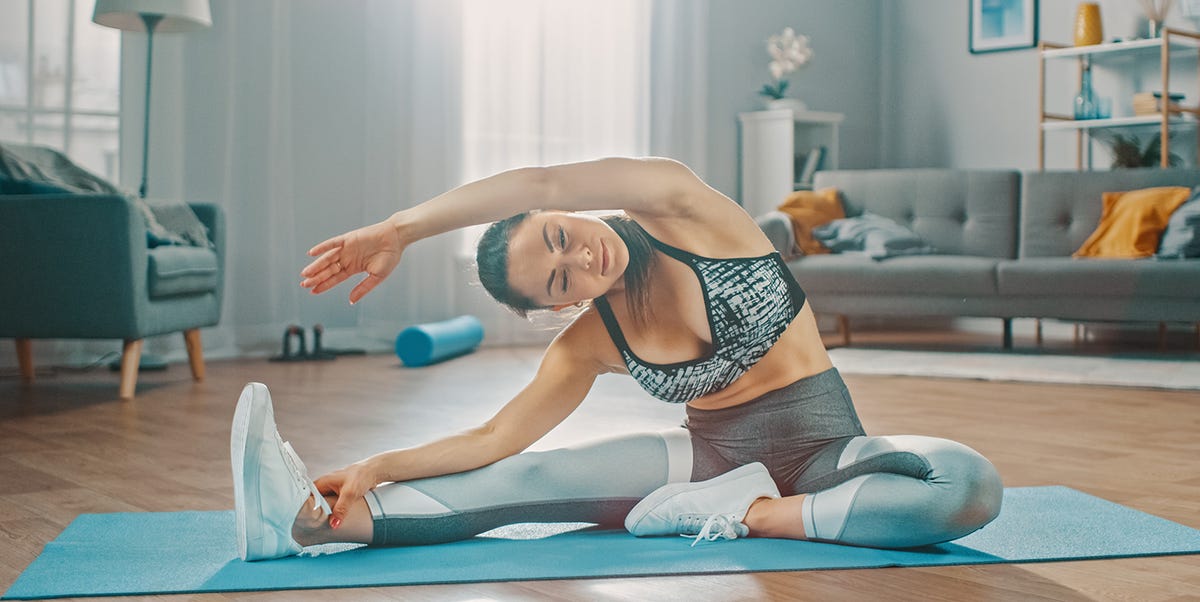
Somewhere between the laundry pile, the laptop, dinner plans, and that one mysterious sock that keeps reappearing like a tiny ghost, many women are trying to squeeze in fitness without moving into a gym. Good news: you do not need a luxury treadmill, a wall of mirrors, or a personal fan blowing your ponytail like a music video. The best home workouts for women can be simple, effective, trainer-approved, and surprisingly fun.
Personal trainers often build home fitness plans around a few smart principles: full-body movement, progressive overload, joint-friendly modifications, core stability, balance, and consistency. Current adult activity guidance recommends a weekly mix of aerobic exercise plus muscle-strengthening activities at least two days per week, and many respected fitness organizations agree that bodyweight exercises, resistance bands, dumbbells, stairs, chairs, and even a mat can create a serious workout setup at home.
This guide breaks down 15 home workouts for women that work for beginners, busy moms, professionals, students, postpartum exercisers with medical clearance, and anyone who wants to feel stronger without fighting for a parking spot at the gym. The goal is not to punish your body. The goal is to train it like you actually live in it.
Why Home Workouts Work So Well for Women
Home workouts remove the biggest fitness villain of all: friction. No commute. No waiting for equipment. No awkward eye contact with someone doing curls in the squat rack. At home, you can train for 10 minutes, 30 minutes, or a full hour depending on your schedule.
Trainer-designed at-home workouts usually combine strength, cardio, mobility, and recovery. That matters because women often benefit from a balanced routine that supports muscle tone, bone strength, posture, metabolism, heart health, and daily energy. Strength training is especially valuable because it helps maintain lean muscle mass, supports bone density, and makes everyday tasks easier, from carrying groceries to lifting toddlers to moving furniture because suddenly the living room “needs a new vibe.”
The best part? You can start with no equipment. Bodyweight exercises such as squats, push-ups, lunges, bridges, planks, step-ups, and mountain climbers use your own body as resistance. Add resistance bands, dumbbells, a kettlebell, or a backpack filled with books, and you have a home gym that does not require a membership contract written in ancient legal fog.
How to Use These 15 Home Workouts
Choose three to five workouts per week. Beginners can start with 20-minute sessions. Intermediate exercisers can aim for 30 to 45 minutes. Advanced exercisers can increase rounds, resistance, tempo, or intensity.
A simple weekly plan might look like this:
- Monday: Full-body strength circuit
- Tuesday: Low-impact cardio or dance cardio
- Wednesday: Core and mobility
- Thursday: Lower-body strength
- Friday: HIIT or dumbbell total-body workout
- Weekend: Yoga, walking, stretching, or rest
Always warm up for five minutes with marching, arm circles, hip circles, bodyweight good mornings, and gentle squats. Cool down with slow breathing and stretching. If you are pregnant, newly postpartum, recovering from injury, or managing a medical condition, get guidance from a healthcare professional before beginning or increasing intensity.
15 Best Home Workouts for Women
1. Full-Body Bodyweight Circuit
Best for: Beginners, busy schedules, no-equipment training.
This is the “little black dress” of home workouts: simple, reliable, and always useful. Do 10 squats, 8 incline push-ups, 10 reverse lunges per side, 12 glute bridges, 20 mountain climbers, and a 30-second plank. Rest one minute and repeat for three rounds.
Personal trainers love this format because it hits the legs, glutes, chest, shoulders, core, and cardio system in one short session. To make it easier, do push-ups against a wall or countertop. To make it harder, slow the lowering phase of each squat and lunge.
2. Lower-Body Glute and Leg Workout
Best for: Building strength in the glutes, hamstrings, quads, and calves.
Try 12 squats, 12 alternating lunges, 15 glute bridges, 12 step-ups per leg, 15 calf raises, and 20 seconds of wall sit. Complete three to four rounds.
This workout is popular among trainers because lower-body strength supports posture, athletic movement, knee stability, and everyday power. Strong glutes are not just for jeans. They help stabilize the pelvis and support movement patterns such as walking, climbing stairs, and standing up from a chair.
3. Upper-Body Push Workout
Best for: Chest, shoulders, triceps, and core strength.
Do 8 to 12 incline push-ups, 10 shoulder taps per side, 12 chair triceps dips, 10 pike push-ups, and a 30-second high plank. Repeat for three rounds.
Many women avoid upper-body training because they think it requires heavy gym machines. It does not. Push-ups and plank variations train the upper body and core at the same time. If standard push-ups feel dramatic, like your arms are filing a formal complaint, elevate your hands on a couch or sturdy table.
4. Resistance Band Pull and Posture Workout
Best for: Back strength, posture, and shoulder balance.
If you have a resistance band, perform 15 band pull-aparts, 12 seated rows, 12 reverse flys, 12 band biceps curls, and 10 slow superman lifts. Complete three rounds.
This is one of the best home workouts for women who sit at a desk. Pulling exercises strengthen the upper back and help balance all the forward rounding caused by laptops, phones, and scrolling through recipes you absolutely intend to make.
5. Core Stability Plank Series
Best for: Abs, deep core, posture, and injury prevention.
Try 30 seconds of forearm plank, 20 dead bugs, 20 bicycle crunches, 20 seconds of side plank per side, 12 bird dogs per side, and 10 slow plank shoulder taps. Repeat two to three times.
Personal trainers prefer core stability over endless crunches because the core is designed to resist unwanted movement, not just fold the body like a lawn chair. This routine trains the abs, obliques, lower back, and deep stabilizing muscles.
6. Low-Impact Cardio Workout
Best for: Beginners, joint-friendly conditioning, apartment workouts.
Do 45 seconds each of marching in place, step jacks, low-impact skaters, standing knee drives, side steps, and shadow boxing. Rest 30 seconds and repeat for four rounds.
This workout raises the heart rate without jumping. It is ideal for women who want cardio but do not want their knees, downstairs neighbors, or sleeping baby to stage a protest.
7. At-Home HIIT Workout
Best for: Efficient calorie burn and conditioning.
Perform 30 seconds of work and 30 seconds of rest for each move: jumping jacks, squat to reach, mountain climbers, burpees or step-back burpees, high knees, and plank jacks. Complete three to five rounds.
HIIT, or high-intensity interval training, is intense by design. The trainer trick is to keep form clean and intervals short. Beginners can replace jumps with step-out movements. Advanced exercisers can increase speed, but only if technique stays crisp.
8. Pilates-Inspired Mat Workout
Best for: Core control, posture, hips, and low-impact toning.
Try 10 pelvic curls, 20 toe taps, 10 single-leg stretches per side, 12 side-lying leg lifts per side, 15 clamshells per side, and a 30-second hollow hold modification. Repeat two to three rounds.
Pilates-style training is beloved because tiny movements can create a surprisingly spicy burn. The focus is control, breath, alignment, and precision. It is not about flailing through reps. It is about moving like your muscles are paying attention.
9. Yoga Mobility Flow
Best for: Flexibility, stress relief, mobility, and recovery.
Move through cat-cow, downward dog, low lunge, half split, warrior II, triangle pose, child’s pose, and seated twist. Hold each position for 20 to 40 seconds, breathing slowly.
Yoga is not just stretching with better lighting. A mobility-focused flow can improve range of motion, support recovery, and reduce stiffness. Trainers often recommend it between harder strength days so the body feels less like a squeaky folding chair.
10. Dumbbell Total-Body Strength Workout
Best for: Strength, muscle tone, and progressive overload.
With one or two dumbbells, do 10 goblet squats, 10 Romanian deadlifts, 10 floor presses, 12 bent-over rows, 10 overhead presses, and 12 weighted glute bridges. Complete three to four rounds.
Dumbbells are useful because they make progression easy. When the workout feels comfortable, increase weight slightly, add reps, or slow down the tempo. This is how trainers apply progressive overload at home without turning your living room into a commercial gym.
11. Resistance Band Sculpt Workout
Best for: Travel, small spaces, glutes, shoulders, and arms.
Do 15 banded squats, 15 lateral band walks per side, 12 band rows, 12 band chest presses, 15 band kickbacks per leg, and 15 band curls. Repeat three rounds.
Resistance bands are affordable, portable, and sneaky. They look harmless until your glutes start asking who authorized this meeting. Bands are especially useful for adding tension to hip, leg, and shoulder exercises.
12. Stair or Step Workout
Best for: Cardio, legs, glutes, and functional fitness.
Using stairs or a sturdy low step, complete 10 step-ups per leg, 12 incline push-ups, 10 lateral step-ups per side, 15 calf raises, 30 seconds of stair marching, and 12 Bulgarian split squats per side if appropriate. Repeat three rounds.
Step training mimics real-life movement. It builds leg strength and cardiovascular fitness while using equipment most homes already have. Safety note: use a stable surface, keep your full foot on the step, and skip speed if balance feels uncertain.
13. Dance Cardio Workout
Best for: Mood, coordination, stamina, and fun.
Create a playlist with five upbeat songs. For each song, rotate through side steps, grapevines, knee lifts, hip circles, arm punches, body rolls, and freestyle movement. Rest for one minute between songs if needed.
Dance cardio works because joy improves consistency. You may not care about “training zones” while pretending your kitchen is a concert stage, but your heart and lungs still get the memo. Trainers often recommend enjoyable cardio because the best workout is the one you actually repeat.
14. Barre-Inspired Legs and Core Workout
Best for: Small-space toning, posture, legs, and balance.
Use a chair for balance. Do 20 small plié pulses, 15 standing leg lifts per side, 20 calf raise pulses, 15 curtsy lunges per side, 20 glute pulses per side, and a 30-second chair-supported balance hold.
Barre-style workouts use small ranges of motion, long holds, and high-rep muscle endurance. It may look delicate. It is not. By rep 18, your legs may start speaking fluent drama.
15. 20-Minute EMOM Workout
Best for: Structure, intensity, and time-efficient training.
EMOM means “every minute on the minute.” At the start of each minute, complete the assigned reps, then rest for the remainder of that minute. Repeat this five-minute block four times: minute 1, 12 squats; minute 2, 10 push-ups; minute 3, 12 reverse lunges; minute 4, 20 mountain climbers; minute 5, 30-second plank.
Trainers like EMOM workouts because they are simple and self-regulating. If you move faster, you earn more rest. If you need to slow down, you still stay organized. It turns your timer into a coach, minus the whistle.
How to Progress Your Home Workouts Without Overdoing It
Progression is where real results happen. Doing the same workout forever is better than doing nothing, but your body adapts. To keep improving, choose one progression at a time. Add one more round. Add two reps per exercise. Use a heavier dumbbell. Slow the lowering phase. Shorten rest periods. Upgrade from wall push-ups to incline push-ups, then to floor push-ups.
Avoid changing everything at once. That is how a motivational Monday becomes a sore Wednesday and a “maybe fitness is not for me” Friday. Personal trainers often use the 10 percent rule as a practical mindset: increase total volume gradually, not aggressively.
Also, remember that soreness is not the scoreboard. Mild muscle soreness can happen after new workouts, but sharp pain, joint pain, dizziness, chest pain, or unusual shortness of breath means stop and seek professional guidance. A good workout should challenge you, not make you question your life choices in the emergency room.
Best Equipment for Home Workouts for Women
You can train with zero equipment, but a few tools expand your options. A yoga mat protects knees and wrists. Resistance bands add pulling movements and glute activation. Dumbbells make strength progression easier. A sturdy chair supports step-ups, incline push-ups, and barre exercises. A jump rope, if your joints and floor allow it, adds affordable cardio. A foam roller may help with recovery, though it is not magic; it is more like a very firm conversation with your muscles.
If you buy only one item, choose resistance bands or adjustable dumbbells. If you buy two, add a mat. If you buy nothing, you can still build strength with squats, lunges, push-ups, planks, bridges, step-ups, and tempo work.
Common Mistakes to Avoid
The first mistake is skipping strength training and doing only cardio. Cardio is excellent, but muscle is metabolically active, protective, and powerful. The second mistake is going too hard too soon. Consistency beats chaos. The third mistake is ignoring form. A slow, clean squat is better than 30 wobbly ones performed like you are escaping bees.
Another common mistake is chasing “spot reduction.” Core workouts strengthen abdominal muscles, but they do not magically melt belly fat in one specific area. Body composition changes come from overall training, nutrition, sleep, stress management, and time. Finally, many women forget recovery. Rest days are not laziness. They are when your body repairs, adapts, and prepares for the next session.
of Real-Life Experience: What Home Workouts Actually Feel Like
Here is the honest experience most women have with home workouts: the hardest part is not the squat. It is starting. At home, there is always something nearby that looks more urgent. The dishwasher needs unloading. A message pops up. The couch quietly whispers, “Remember me?” That is why the best home workouts are not just effective; they are easy to begin.
One practical experience is to set the bar laughably low at first. Tell yourself you only have to do five minutes. Put on shoes, start the timer, and begin with marching, squats, and wall push-ups. Most of the time, five minutes becomes fifteen. Sometimes five minutes stays five, and that still counts. Trainers understand this: momentum is built by keeping promises to yourself, not by performing superhero workouts every day.
Another real-life lesson is that home workouts become easier when the space is ready. You do not need a dedicated gym room. A mat beside the bed, bands in a basket, or dumbbells near the TV can reduce the “setup tax.” When equipment is visible, exercise becomes a normal part of the day instead of a grand event requiring dramatic lighting and a new personality.
Many women also discover that strength training changes their relationship with exercise. Instead of thinking, “How many calories did I burn?” the question becomes, “Can I do one more push-up than last month?” That shift is powerful. It turns fitness from punishment into evidence. Your body becomes something you build, not something you criticize.
Home workouts also teach flexibility. Some days you may complete a full dumbbell session. Other days you may do squats while coffee brews, calf raises while brushing your teeth, or a plank while a pet investigates your face with unnecessary enthusiasm. These tiny movement snacks add up. They also remove the perfection trap. A workout does not need to be Instagram-worthy to be effective.
There will be awkward moments. You may lose balance during lunges. You may confuse right and left during dance cardio. You may press play on a workout video and immediately regret the instructor’s enthusiasm. That is normal. Fitness is not a performance; it is practice. The goal is not to look graceful every second. The goal is to keep showing up.
After several weeks, the changes are often subtle but meaningful. Stairs feel easier. Grocery bags feel lighter. Posture improves. Energy becomes steadier. You may notice better sleep, better mood, or a little more confidence walking into the day. That is the quiet magic of at-home workouts. They fit into real life, and then they make real life feel better.
The most successful routine is one you can repeat during a busy week, not just an ideal week. Start small. Train your whole body. Add resistance gradually. Mix strength, cardio, core, and mobility. Rest when needed. Laugh when your legs shake during barre pulses. Then come back tomorrow, because consistency is the secret ingredient trainers keep trying to make sound fancy.
Conclusion
The 15 best home workouts for women are not complicated. They are built around smart basics: squat, hinge, push, pull, lunge, brace, step, carry, breathe, and recover. Whether you choose bodyweight circuits, resistance bands, dumbbells, Pilates, yoga, HIIT, dance cardio, or low-impact training, the key is choosing workouts that match your fitness level and lifestyle.
Personal trainers know that a strong routine does not require a perfect schedule or expensive equipment. It requires consistency, progression, and a willingness to begin even when the laundry pile is judging you. Start with two or three sessions per week, keep your form clean, increase difficulty gradually, and celebrate small wins. Your living room can become a powerful training spaceno membership card required.
Note: This article is for general fitness education and is not a substitute for medical advice. If you are pregnant, postpartum, injured, new to exercise, or managing a health condition, consult a qualified healthcare professional or certified personal trainer before starting a new workout program.