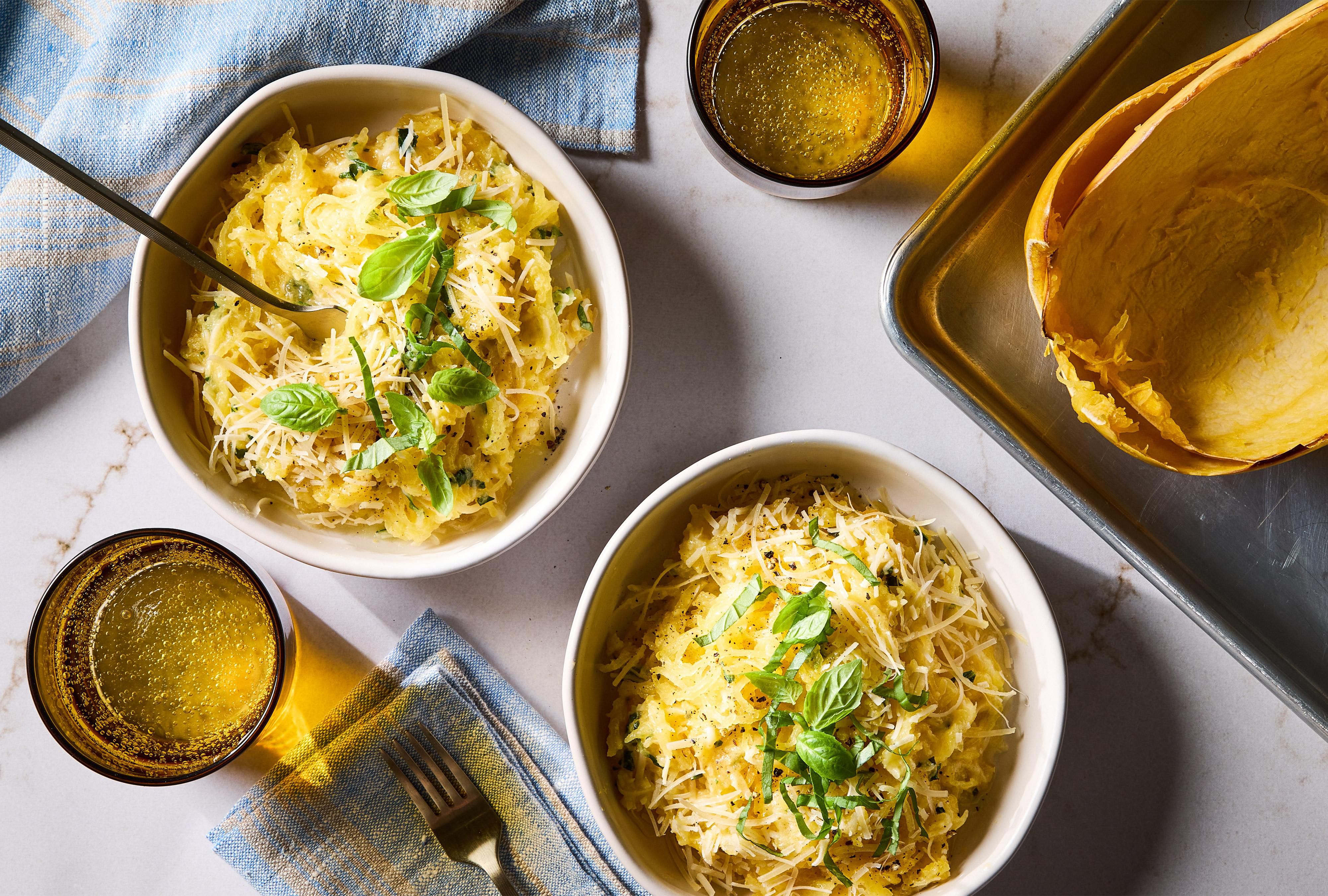
Spaghetti squash is the vegetable equivalent of a magic trick. You put a hard, slightly intimidating squash into the oven, and out comes a pile of tender, noodle-like strands that make dinner feel both comforting and slightly virtuous. It is not actually pasta, of course. No one should lie to your face and say, “This is exactly like spaghetti.” It is, however, delicious in its own right, wonderfully versatile, and perfect for anyone who wants a lighter base for sauces, proteins, herbs, butter, or cheese.
If you have ever stood in the kitchen staring at a spaghetti squash like it owes you money, you are not alone. The skin is tough, the shape is awkward, and the whole thing can look like a recipe for finger-related regret. The good news is that once you know the basics, cooking spaghetti squash is shockingly simple. The better news is that there are several ways to do it, so you can choose the method that matches your schedule, patience level, and willingness to turn on the oven.
This guide covers everything you need to know: how to pick a good squash, how to cut it safely, the best cooking methods, how to get better strands instead of mush, and how to serve it so dinner feels intentional rather than like a backup plan.
What Is Spaghetti Squash, Exactly?
Spaghetti squash is a type of winter squash with a firm shell and pale yellow flesh. Once cooked, the flesh separates into long strands that resemble spaghetti, which is where the vegetable gets its name and its entire personality. The flavor is mild, slightly sweet, and a little nutty, which makes it a great canvas for everything from marinara to browned butter to garlic and Parmesan.
It is also a practical ingredient. Cooked spaghetti squash is relatively low in calories compared with a bowl of pasta, and it brings fiber, vitamins, and a satisfyingly tender texture to the table. That makes it popular with people who want more vegetables in their meals without feeling like they have been sentenced to sadness for dinner.
How to Choose the Best Spaghetti Squash
Before you cook spaghetti squash, you need one worth cooking. Look for a squash that feels heavy for its size and has a firm, dry outer shell. The skin should be mostly even in color, usually pale yellow to golden yellow, without major soft spots, moldy patches, or deep cuts. A few surface scuffs are fine. A squash that feels suspiciously light may be old or dried out inside.
Size matters a little. A medium spaghetti squash is often easiest to handle and tends to cook more evenly than a giant one. If you are feeding one or two people, a medium squash is usually plenty. If you are feeding a family, go bigger or cook two. Nobody has ever been thrilled to divide one squash among six hungry people and call it a feast.
How to Cut Spaghetti Squash Safely
This is the part that makes people nervous, and honestly, fair enough. Spaghetti squash is hard. The trick is not to wrestle it like an action hero. Use a stable cutting board, a sharp chef’s knife, and a towel under the board so it does not slip. If the squash feels too tough to cut, poke it in several places and microwave it for 3 to 5 minutes first. That softens the shell just enough to make the job safer.
You have two main cutting options:
Cut lengthwise
This is the classic method. You slice from stem to base, scoop out the seeds, and roast the halves. It is easier to clean out, easier to season, and ideal if you want to stuff the shells later like little edible boats.
Cut crosswise
If you want longer strands, cutting the squash into rings or large crosswise sections can help preserve more of that noodle-like shape because the strands naturally run around the squash, not from top to bottom. It is a little less intuitive to prep, but the payoff is prettier, longer strands.
After cutting, scrape out the seeds and stringy pulp with a spoon. Do not throw the seeds away if you are feeling ambitious. You can roast them like pumpkin seeds for a crunchy snack and feel extremely resourceful.
The Best Way to Cook Spaghetti Squash
There is no single method for every kitchen, but roasting is the gold standard. It develops the best flavor, avoids excess water, and gives you tender strands with a bit of bite. Microwave, air fryer, and slow cooker methods all work too, especially when time is tight.
1. Roast It in the Oven
This is the best method for flavor and texture. Roasting concentrates the squash’s natural sweetness and makes it taste more like a real side dish and less like an emergency vegetable.
How to do it:
- Preheat the oven to 400°F.
- Cut the squash in half and scoop out the seeds.
- Brush the cut sides lightly with olive oil.
- Season with salt and pepper.
- Place the halves cut-side down on a baking sheet lined with parchment or foil.
- Roast for 35 to 45 minutes, depending on size, until the flesh is fork-tender.
- Let it cool for a few minutes, then scrape with a fork into strands.
Why cut-side down? It helps steam the interior while protecting the flesh from drying out. That usually gives you more tender strands. If you want a little more caramelization, you can roast cut-side up, but keep an eye on it so the squash does not dry out.
2. Microwave It for Speed
If you need dinner to happen before your mood sours, the microwave is your friend. This method is much faster, though the squash can be a bit softer and wetter than oven-roasted versions.
How to do it:
- Cut the squash in half and remove the seeds.
- Place the halves cut-side down in a microwave-safe dish.
- Add a little water to the dish.
- Microwave on high for about 10 to 15 minutes, depending on the size.
- Check for tenderness and continue in short bursts if needed.
- Cool slightly, then shred with a fork.
This is a great weeknight option if you plan to toss the strands with a bold sauce, pesto, or sautéed garlic. The extra moisture matters less once everything is mixed together.
3. Cook It in the Air Fryer
Air fryers are basically tiny ovens with confidence. They work beautifully for smaller spaghetti squash halves and give you tender flesh in less time than a full oven.
How to do it:
- Cut the squash in half and scoop out the seeds.
- Brush with oil and season.
- Place in the air fryer basket, usually skin-side down or according to your model’s size limits.
- Cook at about 360°F for 18 to 25 minutes, checking as needed.
- Shred into strands once tender.
The exact timing depends on the size of the squash and your air fryer basket, so this is not the time for reckless optimism. Check early.
4. Use a Slow Cooker
This method is wonderfully hands-off. If your mornings are calmer than your evenings, the slow cooker lets you do the work early and forget about it until dinner.
How to do it:
- Pierce the whole squash several times with a knife.
- Place it in the slow cooker with a little water.
- Cook on low for 4 to 6 hours or high for about 3 to 4 hours.
- Remove carefully, cool slightly, cut open, scoop out the seeds, and shred.
The main advantage here is convenience. The main disadvantage is that you do not get the roasted flavor you get from the oven. Still, on a busy day, convenience deserves respect.
How to Tell When Spaghetti Squash Is Done
Forget the clock for a second and trust the squash. It is done when the flesh is easily pierced with a fork or knife but not collapsed into mush. The shell may give a little when pressed. Once cooked, the strands should pull away easily with a fork. If they are still crunchy and stubborn, it needs more time. If they turn to watery confetti, it probably cooked too long.
How to Get Better Strands, Not Mush
This is where many good intentions go sideways. Spaghetti squash can go from pleasantly tender to sad and soggy faster than you would think.
Tips for better texture
- Do not overcook it. Slightly firm is better than overly soft.
- Roast instead of boil when possible. Boiling can make it watery.
- After shredding, let the strands sit in a colander for a few minutes if they seem wet.
- Avoid drowning it in sauce right away. Start light, then add more.
- Use a fork gently so the strands stay longer and do not turn into squash fluff.
If you want the strands to resemble noodles more closely, crosswise cutting can help. If you just want something delicious and easy, the standard halved-and-roasted method is perfectly fine.
How to Serve Spaghetti Squash
This is where the fun begins. Spaghetti squash is mild, which means it plays well with bold flavors. Think of it like a dinner guest who is happy to let the sauce do the talking.
Easy serving ideas
- Classic Italian style: marinara, turkey meatballs, basil, and Parmesan.
- Garlic butter version: butter, garlic, lemon zest, parsley, and cracked black pepper.
- Cheesy comfort bowl: Alfredo sauce, mushrooms, spinach, and mozzarella.
- Tex-Mex twist: taco meat, black beans, salsa, and shredded cheese.
- Simple side dish: olive oil, salt, pepper, and a shower of grated cheese.
- Stuffed squash boats: leave the shells intact and fill with sausage, veggies, or baked feta mixtures.
One of the best examples is to treat the cooked strands like a warm grain bowl base. Add roasted chicken, cherry tomatoes, pesto, toasted pine nuts, and a little goat cheese. Suddenly your humble squash looks like it came from a café where water costs seven dollars.
Can You Make It Ahead?
Absolutely. Cooked spaghetti squash keeps well in the refrigerator for several days in an airtight container. It is great for meal prep because you can roast a squash on Sunday and use it in multiple ways during the week. Reheat it gently in a skillet or microwave. If it releases water, just drain it before serving.
You can also freeze cooked spaghetti squash, though the texture softens a little after thawing. It still works well in casseroles, soups, or saucy dishes.
Common Mistakes to Avoid
- Using a dull knife: This makes prep harder and less safe.
- Skipping the pre-soften trick: A few microwave minutes can save a lot of frustration.
- Overcooking the squash: Mush is not a noodle shape.
- Underseasoning: Squash needs salt, pepper, acid, herbs, butter, sauce, or all of the above.
- Expecting exact pasta energy: Spaghetti squash is best when appreciated as its own thing.
Kitchen Experiences That Make You Better at Cooking Spaghetti Squash
The funny thing about learning how to cook spaghetti squash is that most people do not master it because they read one perfect recipe and float gracefully into vegetable enlightenment. They master it because they mess it up once or twice, then get smarter. That is part of the charm. Spaghetti squash is one of those ingredients that teaches you through experience, usually while your oven is on and your patience is being lightly tested.
A common first experience goes like this: you buy one because it looks wholesome and ambitious, then you get home and realize you have purchased a decorative cannonball. You try to cut it with a butter-knife level of optimism, discover your mistake, and start respecting the vegetable immediately. The next time, you microwave it for a few minutes first, and suddenly you feel like the kind of cook who learns from adversity instead of being defeated by produce.
Then comes the cooking phase. Many people overcook their first spaghetti squash because they assume softer must be better. It is an understandable theory, but in practice it turns your beautiful strands into something halfway between noodles and mashed pumpkin. After that, you learn the magic of checking early. You pierce the flesh with a fork, notice a little resistance, and realize that tender is good, but mushy is betrayal.
Another real-life lesson is moisture. The microwave can be wonderfully convenient, but the strands sometimes come out wetter than expected. The first time that happens, the sauce slides around like it is on vacation. The experienced move is to let the strands rest in a colander or sauté them briefly in a skillet to cook off excess moisture. Suddenly the dish tastes intentional instead of accidentally damp.
Serving spaghetti squash teaches flexibility too. One night it is topped with marinara and meatballs. Another night it gets butter, garlic, and Parmesan because the fridge is nearly empty and everyone is pretending that was the plan. A week later it becomes a stuffed squash boat with leftover chicken, spinach, and cheese. That is when spaghetti squash stops being a novelty and becomes a dependable ingredient.
Perhaps the best experience of all is discovering that you do not need to force it to behave exactly like pasta. Once you stop demanding that it become spaghetti’s identical twin, it gets much more enjoyable. It is lighter, slightly sweet, and better at carrying flavors than getting lost beneath them. Treat it like roasted vegetable strands with noodle energy, and it suddenly shines.
So yes, there may be a learning curve. You may battle the knife, underestimate the cooking time, or accidentally create a puddle in the baking dish. But after a few tries, you will know exactly how you like it: firmer or softer, plain or saucy, roasted or microwaved, minimalist or covered in cheese like it just won an award. And that is when cooking spaghetti squash becomes less of a kitchen experiment and more of a reliable dinner move you will actually want to repeat.
Final Thoughts
If you have been wondering how to cook spaghetti squash without turning dinner into a struggle session, the answer is refreshingly simple: roast it when you want the best flavor, microwave it when you need speed, and stop cooking it the second it turns tender. Season it generously, pair it with flavors you already love, and do not expect it to impersonate pasta so perfectly that your ancestors weep. It just has to taste good, and it absolutely can.
Once you get comfortable with the process, spaghetti squash becomes one of the most useful vegetables in your kitchen. It can be a side dish, a main course base, a meal-prep staple, or the thing that rescues dinner when you are tired of the usual rotation. And honestly, any vegetable that can do all that while looking like a pile of edible confetti deserves a little respect.