Medical note: This article is for general educational purposes only. Diarrhea can sometimes signal infection, dehydration, medication reactions, or another condition that needs medical care. When in doubt, call a healthcare professional.
Diarrhea has a talent for arriving at the worst possible time: before school, during travel, right after a suspicious taco, or five minutes before you need to look like a responsible adult. The good news is that many cases of acute diarrhea improve within a couple of days with smart home care. The less glamorous news is that “stopping diarrhea fast” does not mean declaring war on your digestive system with every medicine in the cabinet.
The fastest safe strategy is simple: replace fluids, calm the gut, eat gently, avoid common triggers, and know when not to use anti-diarrheal medication. Think of it as damage control for your intestines. You are not trying to win a wrestling match with your stomach; you are trying to help it recover without turning the bathroom into your second address.
What Causes Diarrhea in the First Place?
Diarrhea means loose, watery stools that happen more often than usual. It may be caused by viral gastroenteritis, food poisoning, traveler’s diarrhea, stress, antibiotics, food intolerance, or chronic digestive conditions such as irritable bowel syndrome. In most short-term cases, the body is trying to flush out something irritating or infectious.
That is why the goal is not always to “shut everything down” immediately. If diarrhea comes with fever, bloody stool, severe abdominal pain, or signs of dehydration, the body may be dealing with something more serious than a bad lunch decision. In those situations, fast relief should come from medical guidance, not guesswork.
How to Stop Diarrhea Fast and Safely
1. Start With Hydration Before Anything Else
The most important diarrhea treatment is not fancy. It is fluids. Diarrhea causes the body to lose water and electrolytes such as sodium and potassium. When those losses build up, dehydration can sneak in quickly, especially in children, older adults, and people with weakened immune systems.
Drink small, frequent sips of water, broth, or an oral rehydration solution. If your stomach feels touchy, do not chug a huge glass like you just crossed a desert. Sip steadily. Your gut is irritated, not auditioning for a water-drinking contest.
Oral rehydration solutions are especially helpful because they contain a balanced mix of fluid, glucose, and electrolytes. They are sold in pharmacies and grocery stores, often near baby care or digestive health products. Sports drinks may help some healthy adults, but they can contain a lot of sugar, which may worsen diarrhea in some cases.
2. Eat Bland, Low-Fiber Foods for a Day or Two
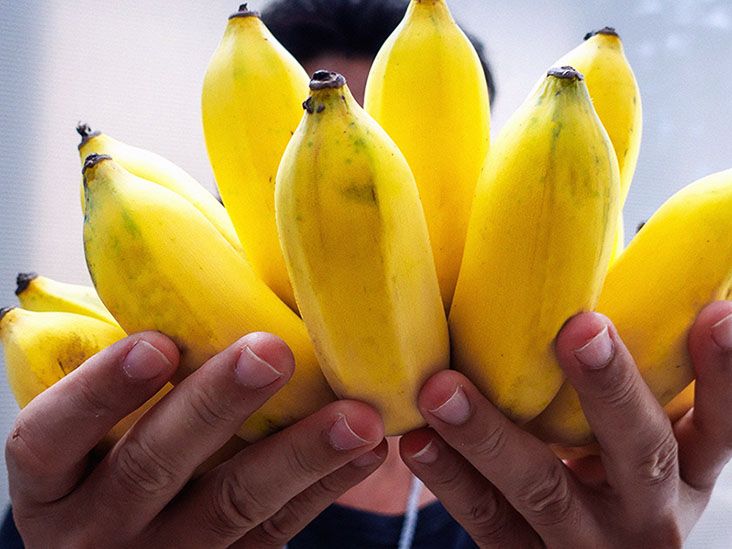
When your digestive system is irritated, boring food is beautiful. Bland, low-fat, low-fiber foods are easier to tolerate and may help firm stool. The classic BRAT foodsbananas, rice, applesauce, and toastare popular because they are gentle, simple, and not trying to win a flavor award.
Other good options include plain crackers, oatmeal, boiled potatoes, noodles, soup, broth, baked chicken without heavy seasoning, and small portions of yogurt if you tolerate dairy. Eat small meals rather than loading your plate like nothing happened. Something did happen. Your intestines filed a complaint.
The BRAT diet should be temporary. It is not nutritionally complete, and living on toast and bananas forever would make life sad and your body underfed. As symptoms improve, gradually return to a balanced diet with lean protein, cooked vegetables, grains, and other normal foods.
3. Consider OTC Medicine Carefully
For some adults with mild, watery diarrhea and no red-flag symptoms, over-the-counter medicines may reduce stool frequency. Loperamide can slow bowel movement, while bismuth subsalicylate may help with diarrhea and nausea. However, these medicines are not right for every situation.
Do not use anti-diarrheal medicine if you have bloody stool, black stool, high fever, severe abdominal pain, or suspected bacterial or parasitic infection unless a healthcare professional says it is appropriate. Slowing the gut when the body needs to clear an infection can sometimes make matters worse.
Always follow the label. Do not take more than recommended, and do not use loperamide longer than directed. Taking high doses of loperamide can cause serious heart problems. For children, teens, pregnant people, older adults, or anyone with medical conditions, it is best to ask a healthcare professional before using anti-diarrheal medication.
4. Rest Your Body, Not Just Your Bathroom Schedule
Diarrhea can drain energy fast. Your body is losing fluid, working through inflammation, and possibly fighting an infection. Rest helps recovery. Skip intense workouts, avoid unnecessary travel if possible, and give your body a chance to reset.
If diarrhea is caused by a virus or foodborne illness, good hygiene matters. Wash your hands often, clean bathroom surfaces, avoid preparing food for others while sick, and do not share towels. The only thing worse than having diarrhea is becoming the family’s official diarrhea distributor.
What to Drink When You Have Diarrhea
Choose drinks that replace fluid without irritating the gut. Good choices include water, oral rehydration solution, broth, diluted clear liquids, and caffeine-free herbal tea. If you are also vomiting, take tiny sips every few minutes or suck on ice chips until liquids stay down.
Avoid alcohol, large amounts of caffeine, and very sugary drinks. Alcohol and caffeine can worsen dehydration or stimulate the intestines. Sugary drinks may pull extra water into the gut, which is exactly the opposite of what anyone wants during a diarrhea episode.
Foods to Avoid Until Diarrhea Improves
Some foods can irritate the digestive tract or make stools looser. Give your gut a break by avoiding fried foods, greasy meals, spicy dishes, rich sauces, high-fiber foods, beans, cabbage, onions, raw vegetables, whole grains, nuts, seeds, and large amounts of fruit juice.
Dairy can be tricky. Some people temporarily have trouble digesting lactose during or after diarrhea. Milk, ice cream, and creamy foods may worsen symptoms. Yogurt with live cultures may be tolerated by some people, but if it makes symptoms worse, pause it and try again later.
Sugar-free gum, candies, and “diet” snacks may contain sugar alcohols such as sorbitol or xylitol. These can cause gas and loose stools. In other words, that sugar-free mint may not be as innocent as it looks.
When Diarrhea Needs Medical Attention
Most mild acute diarrhea improves with home care, but some symptoms deserve quick medical attention. Call a healthcare professional if diarrhea lasts more than two days without improvement, or sooner if symptoms are severe.
Seek medical help if you have signs of dehydration, such as extreme thirst, dry mouth, little or no urination, dark urine, dizziness, weakness, confusion, or rapid heartbeat. Also get help for bloody or black stools, fever over 102°F, severe abdominal or rectal pain, repeated vomiting, or diarrhea after recent international travel.
Children, older adults, pregnant people, and people with weakened immune systems are at higher risk for complications. For infants and young children, fewer wet diapers, unusual sleepiness, no tears when crying, or a dry mouth can be warning signs. Do not wait for symptoms to become dramatic before asking for help.
Common Mistakes That Can Make Diarrhea Worse
Mistake 1: Drinking Only Plain Water
Water is helpful, but diarrhea also causes electrolyte loss. If symptoms are frequent or watery, include oral rehydration solution, broth, or other electrolyte-containing fluids. The goal is not just “more liquid.” It is better fluid balance.
Mistake 2: Taking Anti-Diarrheal Medicine Too Quickly
OTC medicine can be useful in the right case, but it is not a universal fix. If diarrhea is caused by an infection that needs to clear, slowing the bowel may not be ideal. Red flags such as fever or blood in stool mean it is time to get advice, not play pharmacist at home.
Mistake 3: Eating a Huge Meal When You Feel Slightly Better
Feeling better does not mean your gut is ready for nachos, hot wings, and a milkshake. Reintroduce foods gradually. Start with bland meals, then slowly add normal foods as your stool improves and your appetite returns.
Mistake 4: Ignoring Dehydration
Dehydration is the main danger with diarrhea. If you are barely urinating, feel faint, cannot keep fluids down, or feel unusually weak, do not try to “tough it out.” Your body is not impressed by bathroom bravery.
How to Prevent Diarrhea From Spreading
Many causes of diarrhea are contagious. Wash hands with soap and water after using the bathroom and before eating. Hand sanitizer helps in some situations, but soap and water are better when hands are visibly dirty or after bathroom use.
Clean frequently touched surfaces, especially toilet handles, faucets, counters, phones, and doorknobs. If food poisoning is possible, throw away suspicious food. Leftovers should be stored safely, reheated properly, and retired before they become a science project.
Travel Diarrhea: Fast Relief on the Road
Traveler’s diarrhea often happens after exposure to contaminated food or water. If you are traveling, drink bottled or treated water when local water safety is uncertain. Avoid ice, raw produce you cannot peel yourself, undercooked meat, and food that has been sitting out.
Pack oral rehydration packets, a thermometer, and any doctor-approved medication before traveling. If diarrhea is severe, bloody, or comes with fever, seek medical care. Travel diarrhea may sometimes need prescription treatment depending on the cause and location.
Practical Experience: What Usually Helps in Real Life
In everyday life, the fastest recovery often comes from doing the simple things early. Many people make the mistake of waiting until they feel weak before focusing on fluids. A better approach is to start sipping oral rehydration solution, broth, or water as soon as diarrhea begins. Even if you are still making bathroom trips, steady hydration helps prevent the “wiped out” feeling that can linger after the stomach calms down.
A practical first-day plan looks like this: pause heavy meals, take small sips often, eat bland foods only when you feel ready, and avoid anything greasy, creamy, spicy, or overly sweet. For breakfast, toast and banana may work. For lunch, rice or noodle soup is gentle. For dinner, plain potatoes or a small serving of chicken and rice may be enough. This is not gourmet dining; this is a peace treaty with your digestive system.
Another useful habit is tracking symptoms without becoming obsessed. Write down when diarrhea started, how often it happens, whether there is fever, what you ate before symptoms began, and whether you are urinating normally. This information helps if you need to call a clinician. It also keeps you from guessing wildly, blaming every food you have ever loved, and dramatically announcing that lettuce has betrayed you forever.
People also tend to underestimate the recovery phase. After diarrhea stops, the gut may still be sensitive for a day or two. That is why many people relapse after jumping straight into pizza, fried chicken, coffee, or a giant salad. A slower return works better. Add foods back in stages: first bland starches, then lean protein, then cooked vegetables, then normal meals. Save the spicy feast for when your stomach is no longer sending warning emails.
Hygiene is another real-world detail that matters. If diarrhea may be infectious, wash hands carefully, close the toilet lid before flushing if possible, clean bathroom surfaces, and avoid cooking for others until you are well. This is especially important in households with young children, older adults, or anyone with a weaker immune system.
Finally, trust the red flags. Diarrhea is common, but dehydration, blood in stool, high fever, severe pain, or symptoms that do not improve are not “normal bathroom drama.” Getting medical advice early can prevent complications and shorten the misery. Fast relief is great, but safe relief is the real win.
Conclusion
To stop diarrhea fast, start with hydration, replace electrolytes, eat bland low-fiber foods, rest, and avoid gut irritants. OTC medicines may help some adults with mild watery diarrhea, but they should be used carefully and avoided when red flags are present. The main goal is not simply to stop every bowel movement; it is to help the body recover while preventing dehydration.
If symptoms are mild, smart home care often works well. If symptoms are severe, persistent, bloody, or linked with dehydration, fever, or intense pain, contact a healthcare professional. Your digestive system may be noisy, but sometimes it is making an important announcement.