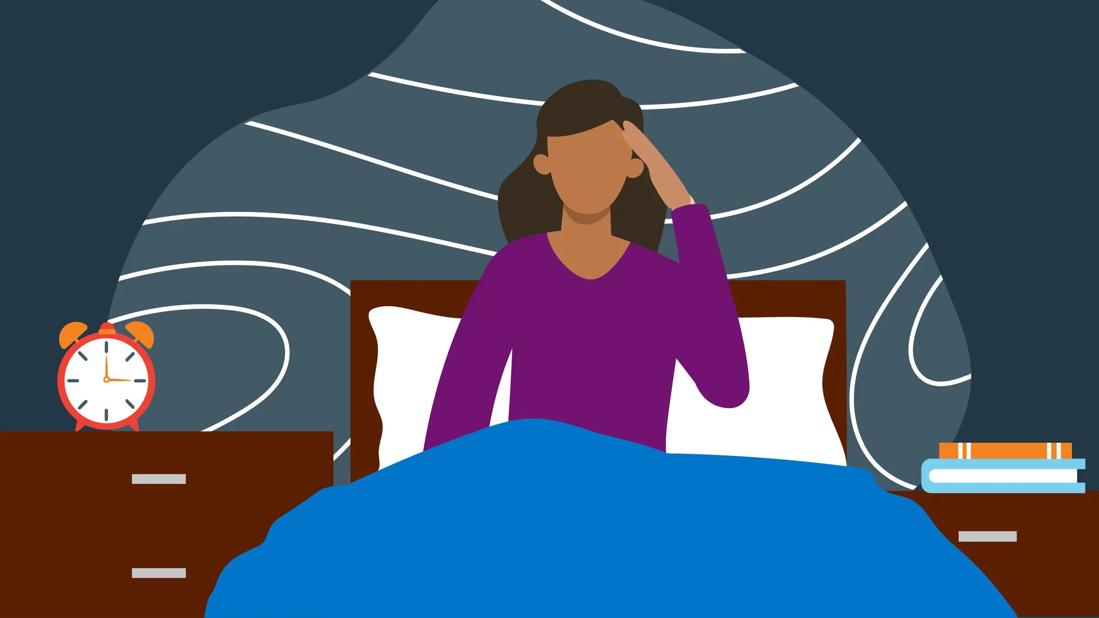
There are few household mysteries more annoying than waking up at 3 a.m., staring into the darkness, and wondering whether your brain has accidentally joined the night shift. One minute you are peacefully asleep; the next, you are wide awake, negotiating with your pillow like it owes you money.
If this happens occasionally, it is usually not a big deal. Everyone wakes briefly during the night, even people who claim they “sleep like a rock.” The problem begins when you wake up around the same time again and again, cannot fall back asleep, and start greeting 3 a.m. like an unwanted roommate.
The truth is that waking up at 3 a.m. is rarely caused by one single thing. It can be linked to normal sleep cycles, stress, caffeine, alcohol, bathroom trips, room temperature, light exposure, anxiety, pain, sleep apnea, acid reflux, medications, or simply going to bed earlier than your body needs. In other words, your sleep is not being dramatic for no reason. It is sending a memo. Unfortunately, the memo arrives at a deeply inconvenient hour.
First, Is Waking Up at 3 a.m. Normal?
Yes, sometimes. Sleep is not one long, silent movie. It is more like a playlist with several tracks: light sleep, deeper sleep, and REM sleep. Throughout the night, your brain cycles through these stages roughly every 80 to 110 minutes. As morning gets closer, deep sleep usually decreases, while lighter sleep and REM sleep become more common. That means you are naturally easier to wake in the second half of the night.
So, if you go to bed around 10 p.m. or 11 p.m., waking around 3 a.m. may happen during a lighter stage of sleep. You might roll over, adjust the blanket, notice the dog snoring like a tiny motorboat, and drift back off. That is normal. The issue is when your body wakes fully and your brain immediately starts opening tabs: unfinished work, awkward conversations from 2017, tomorrow’s tasks, and whether raccoons have hobbies.
Why 3 a.m. Feels So Specific
Many people assume waking at the same time every night must have a strange or hidden meaning. In most cases, the explanation is more practical. Your bedtime, sleep cycle timing, stress levels, hormone patterns, and environment often line up in a predictable way. If the same triggers are present night after night, your wake-up time may look suspiciously consistent.
For example, someone who drinks coffee late in the afternoon, checks emails in bed, sleeps in a warm room, and goes to bed at 10 p.m. may repeatedly wake in the early morning hours. It feels mysterious, but the body is simply responding to a pattern. Sleep loves rhythm. Sadly, it also remembers bad rhythm, like a drummer who refuses to leave the garage.
Common Reasons You Keep Waking Up at 3 a.m.
1. Stress and Anxiety Are Keeping Your Brain on Patrol
Stress is one of the most common reasons for middle-of-the-night awakenings. During the day, you may be too busy to process everything. At night, the distractions disappear, and your brain sees its opportunity. Suddenly, it becomes the world’s least helpful project manager.
When stress is high, your nervous system may stay more alert than usual. You may fall asleep from exhaustion but wake later with racing thoughts, tight muscles, a fast heartbeat, or a vague sense that something needs solving immediately. Spoiler: most problems are not improved by thinking about them under a blanket at 3:07 a.m.
Helpful strategies include writing tomorrow’s tasks before bed, practicing slow breathing, doing a short relaxation routine, or setting a “worry window” earlier in the evening. The goal is not to force your mind to be empty. That usually works about as well as telling a cat to respect personal space. The goal is to give your brain a safe landing place before bedtime.
2. Your Sleep Cycle Is Entering Lighter Sleep
Because lighter sleep and REM sleep become more common later in the night, it is easier to wake from small disruptions. A passing car, a partner shifting, a pet moving, a notification light, or a slight temperature change may not bother you at midnight but can wake you at 3 a.m.
This is why the sleep environment matters. A cool, dark, quiet bedroom supports better sleep continuity. Blackout curtains, a fan, white noise, comfortable bedding, and removing glowing electronics can all help. Your bedroom does not need to look like a luxury hotel suite, but it should not feel like a control room at NASA.
3. Caffeine Is Still Hanging Around
Caffeine can stay active in the body for hours. Even if you can fall asleep after an afternoon latte, your sleep quality may still be lighter or more fragmented. Some people are especially sensitive to caffeine and do not realize that a “harmless” 3 p.m. coffee is still sending tiny motivational speeches to their nervous system at 3 a.m.
If you keep waking in the early morning, try moving caffeine earlier in the day. Many people do best by avoiding it after lunch or midafternoon. Pay attention to hidden sources too, including energy drinks, strong tea, chocolate, some sodas, and certain medications.
4. Alcohol Can Fragment Sleep
Alcohol may make people feel sleepy at first, but it can disrupt sleep later in the night. It may reduce sleep quality, worsen snoring, increase bathroom trips, and make awakenings more likely. That “nightcap” can turn into a “night clapback” when your body starts processing it a few hours later.
If nighttime waking is a pattern, it can help to notice whether it happens more often after evening drinks. The key is not moral judgment; it is detective work. Sleep improvement often starts with finding patterns, not blaming yourself.
5. You Need to Use the Bathroom
Waking up to urinate once in a while is common, especially if you drank a lot of fluids close to bedtime. Caffeine and alcohol can also contribute because they may increase urine production or bladder irritation. For some people, frequent nighttime urination, also called nocturia, may be linked to medical conditions, medications, pregnancy, prostate issues, diabetes, urinary problems, or sleep disorders.
If bathroom trips are frequent, sudden, painful, or paired with extreme thirst, swelling, or daytime symptoms, it is worth speaking with a healthcare professional. Your bladder should not be running a midnight subscription service.
6. Your Bedroom Is Too Hot, Too Bright, or Too Noisy
Small environmental problems become bigger in lighter sleep. A warm room can make the body restless. Light can signal the brain that morning is approaching. Noise can trigger brief awakenings that become full wake-ups if your mind gets involved.
A sleep-friendly room is usually cool, dark, and quiet. Try dimming lights in the evening, keeping screens out of bed, using curtains or an eye mask, and reducing sudden noise where possible. Even tiny changes can matter. Your brain is very impressive, but at 3 a.m. it can also be defeated by a blinking router light.
7. Your Schedule Is Confusing Your Body Clock
Your circadian rhythm is your internal timing system. It helps regulate sleepiness, alertness, body temperature, and hormone patterns across the day. Irregular sleep schedules, late-night screen use, shift work, jet lag, sleeping in on weekends, and lack of morning light can all confuse this system.
If you go to bed and wake up at very different times throughout the week, your body may not know when to stay asleep. A consistent wake-up time is often more powerful than a perfect bedtime. Morning light, regular meals, daytime movement, and a predictable wind-down routine all help reinforce the message: daytime is for living, nighttime is for sleeping, not for mentally redesigning your entire life.
8. You May Be Going to Bed Too Early
This one surprises people. If you go to bed very early but only need seven to eight hours of sleep, your body may simply be done sleeping around 3 or 4 a.m. This can be especially common with age, because many older adults naturally become sleepy earlier and wake earlier.
If you are not tired during the day and you wake early feeling refreshed, your schedule may just be shifted. But if you wake too early and feel exhausted, your sleep may be fragmented or insufficient. A sleep diary can help reveal whether the problem is timing, quality, or total sleep duration.
9. Pain, Reflux, or Health Conditions Are Interrupting Sleep
Physical discomfort often gets louder at night. Back pain, joint pain, headaches, acid reflux, allergies, asthma, hot flashes, restless legs, and certain medications can all lead to nighttime awakenings. Sometimes people do not notice the trigger immediately. They only notice that they are awake.
For example, reflux may cause coughing, throat irritation, or a sour taste. Allergies may cause congestion. Pain may cause frequent position changes. Restless legs may create an uncomfortable urge to move. When the same symptoms show up repeatedly, the body learns to wake.
10. Sleep Apnea Could Be Involved
Sleep apnea can cause repeated breathing interruptions during sleep. A person may not remember waking, but the sleep disruptions can lead to morning headaches, dry mouth, daytime sleepiness, loud snoring, gasping, choking, restless sleep, or waking unrefreshed.
Not everyone with sleep apnea snores loudly, and not every snorer has sleep apnea. Still, if someone has witnessed pauses in your breathing, or if you wake gasping or feel tired despite spending enough time in bed, it is important to discuss it with a healthcare provider. Sleep apnea is treatable, and ignoring it is like letting a smoke alarm beep for months because “maybe it is just being expressive.”
What to Do When You Wake Up at 3 a.m.
Do Not Start a Clock-Watching Contest
Checking the time repeatedly can train your brain to panic. You see 3:12, then 3:39, then 4:08, and suddenly you are doing sleep math with the emotional intensity of a tax audit. Turn the clock away or keep your phone out of reach.
Keep the Lights Low
Bright light tells your brain that morning may be arriving. If you need to get up, use dim lighting. Avoid scrolling on your phone. Social media at 3 a.m. is basically a raccoon rummaging through your attention span.
Try a Calm Reset
Use a quiet technique such as slow breathing, progressive muscle relaxation, prayer, meditation, or mentally repeating a calming phrase. The goal is to reduce pressure. You are not trying to “win” sleep. You are making sleep more likely by stepping out of the fight.
Get Out of Bed If You Are Wide Awake
If you are awake for about 20 minutes and feel frustrated, get out of bed and do something quiet in low light. Read something boring, listen to calm audio, or sit quietly. Return to bed when sleepy. This helps your brain keep the bed associated with sleep instead of worry, planning, and dramatic ceiling-staring.
How to Prevent 3 a.m. Wake-Ups
Create a Consistent Sleep Schedule
Wake up at roughly the same time each day, including weekends. This helps anchor your body clock. A consistent wake time is not glamorous, but neither is being awake at 3 a.m. wondering whether your refrigerator has always made that noise.
Build a Wind-Down Routine
A good bedtime routine gives your brain a runway. Try dim lights, gentle stretching, a warm shower, reading, journaling, or calming music. Avoid intense work, heated arguments, stressful news, and “just one more episode” negotiations with streaming services.
Watch Food and Drinks Before Bed
Large meals, spicy foods, caffeine, alcohol, and too much fluid close to bedtime can all interfere with sleep. You do not need a perfect diet to sleep well, but timing matters. Your stomach and bladder deserve office hours.
Move During the Day
Regular physical activity supports better sleep for many people. Morning or afternoon exercise can be especially helpful because it supports alertness during the day and sleepiness at night. Very intense exercise right before bed may be too stimulating for some people, so experiment with timing.
Get Morning Light
Morning light helps set your circadian rhythm. Open curtains, step outside, or sit near a bright window early in the day. This simple habit can make nighttime sleep more predictable. Think of it as giving your internal clock a polite but firm calendar invite.
Keep Naps Short and Early
Naps can be useful, but long or late naps may reduce sleep pressure at night. If you nap, try keeping it short and earlier in the day. A three-hour couch nap at 6 p.m. may feel luxurious, but your bedtime will file a complaint.
When Should You Talk to a Doctor?
Occasional 3 a.m. waking is usually not alarming. However, you should consider medical guidance if it happens several nights a week, lasts for weeks, affects school or work, causes daytime sleepiness, or comes with symptoms such as loud snoring, gasping, chest discomfort, frequent urination, pain, mood changes, or morning headaches.
Chronic insomnia is treatable. Cognitive behavioral therapy for insomnia, often called CBT-I, is considered a first-line treatment for many adults with ongoing insomnia. It helps change habits and thought patterns that keep sleep problems going. In some cases, a healthcare provider may also check for sleep apnea, restless legs syndrome, medication side effects, anxiety, depression, reflux, hormonal changes, or other medical causes.
Real-Life Experiences: What 3 a.m. Wake-Ups Often Look Like
One common experience is the “busy brain” wake-up. A person falls asleep quickly because the day was exhausting, but around 3 a.m., their mind switches on like a conference room projector. They remember an email they forgot to answer, a bill that needs paying, a conversation that felt awkward, and a task that suddenly feels urgent. Nothing is actually happening in the room, but the body feels alert. For this person, the solution often begins earlier in the evening: writing a short to-do list, setting priorities for tomorrow, and practicing a routine that tells the brain, “We handled this already.”
Another familiar pattern is the “healthy habits, wrong timing” wake-up. Someone drinks plenty of water, enjoys a late workout, eats dinner close to bedtime, and maybe has tea or chocolate at night. Each habit seems innocent by itself. Together, they form a tiny sleep-disruption committee. This person may wake up hot, thirsty, uncomfortable, or needing the bathroom. The fix is not a dramatic life makeover. It may be as simple as shifting fluids earlier, eating dinner a bit sooner, choosing a lighter evening snack, and moving workouts earlier when possible.
Then there is the “phone rescue mission.” A person wakes at 3 a.m. and reaches for the phone to check the time. The phone says 3:14. Unfortunately, it also says there are messages, headlines, weather alerts, and one video that looks strangely important. Ten minutes later, the brain is fully awake and emotionally invested in a topic that did not exist before the screen turned on. For this person, keeping the phone across the room or using a simple alarm clock can be surprisingly powerful. The fewer decisions you make at 3 a.m., the better.
Some people experience the “room problem” wake-up. They blame stress, but the real culprit is a bedroom that gets too warm, too bright, or too noisy in the early morning. Maybe the heat turns on. Maybe traffic starts. Maybe sunrise sneaks through thin curtains. Maybe a pet decides that 3 a.m. is the correct time to perform tap dance auditions. Environmental fixes can be practical: cooler temperature, white noise, blackout curtains, an eye mask, or adjusting pet routines when possible.
There is also the “I am sleeping enough, but not well” pattern. A person spends eight hours in bed but wakes unrefreshed. They may snore, wake with a dry mouth, have morning headaches, or feel sleepy during the day. In this case, the problem may not be willpower or bedtime discipline. It may be a sleep disorder or medical issue that deserves evaluation. This is where tracking symptoms matters. A simple sleep diary noting bedtime, wake time, awakenings, caffeine, alcohol, exercise, stress, and symptoms can give a healthcare provider useful clues.
Finally, some people discover that 3 a.m. waking is tied to expectations. After several bad nights, they begin going to bed worried it will happen again. That worry becomes part of the pattern. They wake up, see the time, and think, “Here we go again.” The body responds with tension, and sleep moves farther away. Breaking this loop often means reducing the fear around waking. A brief awakening is not failure. It is a normal sleep event that became louder because stress grabbed the microphone. With calmer habits, better timing, and medical support when needed, many people can make 3 a.m. boring againwhich, in the world of sleep, is a beautiful achievement.
Conclusion
Waking up at 3 a.m. can feel strange, frustrating, and oddly personal, but it is usually explainable. Your sleep cycles are lighter in the early morning hours, and small triggers can wake you more easily. Stress, caffeine, alcohol, bathroom trips, room temperature, inconsistent schedules, pain, reflux, and sleep disorders can all play a role.
The best approach is to become a calm detective. Track patterns, protect your sleep environment, keep a consistent schedule, reduce late-day stimulants, build a relaxing routine, and avoid turning nighttime wake-ups into a battle. If the problem is frequent, worsening, or paired with concerning symptoms, talk with a healthcare professional. Good sleep is not about being perfect. It is about giving your body enough steady signals that night is safe, quiet, and not the ideal time to review your entire life story.