French checkered ribbon is one of those small design details that somehow makes everything look more thoughtful. Tie it around a loaf of homemade bread, and suddenly you are not “bringing carbs” to dinneryou are presenting a rustic French bakery moment. Wrap it around a bouquet, and the flowers look like they came from a charming countryside market where everyone owns linen aprons and never misplaces scissors. That is the quiet magic of this classic ribbon style.
Often associated with gingham, Vichy check, picnic checks, and French country décor, French checkered ribbon blends softness, structure, nostalgia, and usefulness. It can look sweet, polished, farmhouse-inspired, vintage, romantic, or playfully modern depending on the color, width, texture, and project. Whether used for gift wrapping, wreaths, floral arrangements, table settings, sewing accents, hair bows, party décor, or handmade packaging, it brings instant personality without shouting for attention.
This guide explains what French checkered ribbon is, why it remains popular, how to choose the right type, and how to use it beautifully in real-life projects. Think of it as your friendly ribbon field guideminus the judgment when you buy “just one more roll” and somehow leave with seven.
What Is French Checkered Ribbon?
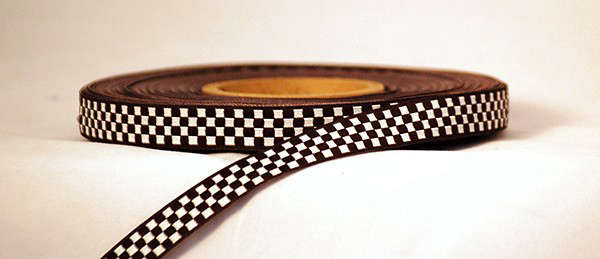
French checkered ribbon usually refers to a ribbon printed or woven with a small two-color check pattern inspired by gingham or Vichy checks. In France, the check pattern is often called “Vichy,” a term linked to the classic checked fabric associated with French style. In the United States, shoppers may see similar products labeled as gingham ribbon, check ribbon, checker ribbon, picnic ribbon, plaid ribbon, or French country ribbon.
The design is simple: evenly spaced squares, usually with white and one accent color. Red and white, blue and white, black and white, sage and cream, pink and white, and navy and white are especially common. The charm comes from the balance. The pattern is graphic enough to stand out but familiar enough to feel warm and approachable.
Why the French Check Pattern Feels Timeless
French checkered ribbon has lasting appeal because it combines two ideas that people love: order and coziness. The check pattern is neat and symmetrical, but it also reminds us of picnic blankets, café curtains, jam jars, farmhouse kitchens, children’s dresses, summer tables, and old-fashioned market baskets. It has structure without feeling stiff.
In home décor, gingham and Vichy-style checks often appear in French country, cottagecore, farmhouse, traditional, and vintage-inspired spaces. Designers use checks to soften a room, add scale, or bring a cheerful note to neutrals. A small checked ribbon can do the same thing on a package, wreath, invitation, or centerpiece. It adds pattern without overwhelming the project.
Another reason it works so well is versatility. A red-and-white check feels festive at Christmas, patriotic in summer, and charming on food gifts. Black-and-white check can feel modern, Parisian, or even boutique-like. Pale blue check looks soft and baby-shower ready. Green check feels garden-inspired. The same pattern changes personality faster than a teenager deciding what to wear to brunch.
Common Materials and Finishes
French checkered ribbon comes in several materials, and each one behaves differently. Choosing the right type matters because ribbon is not just decorationit is also a tiny engineering project pretending to be cute.
Grosgrain Checkered Ribbon
Grosgrain ribbon has a ribbed texture that feels sturdy and slightly matte. It is excellent for hair bows, sewing accents, gift packaging, card making, scrapbooking, and tags. Because it has body, it holds simple bows well and looks crisp on small projects. A narrow grosgrain French check ribbon is perfect for tying around jars, favor bags, handmade soaps, or bakery boxes.
Wired Checkered Ribbon
Wired ribbon has thin wire along the edges, making it ideal for wreaths, large bows, garlands, Christmas trees, floral arrangements, and dramatic gift toppers. The wire lets you shape loops and tails so the bow does not collapse into a sad ribbon pancake. For front-door wreaths or mantel décor, wired French checkered ribbon is usually the easiest choice.
Cotton or Cotton-Blend Ribbon
Cotton-style checked ribbon has a soft, natural look. It works beautifully for rustic weddings, kitchen gifts, handmade crafts, farmhouse décor, and projects where you want a gentle, fabric-like finish. It may wrinkle more than synthetic ribbon, but that relaxed texture can be part of the charm.
Satin or Taffeta Checkered Ribbon
Satin and taffeta versions look more polished. Satin has a slight sheen, while taffeta feels crisp and dressier. These finishes are great for boutique packaging, party favors, floral work, bridal showers, and elegant gift wrapping. If grosgrain is the friendly neighbor, satin is the neighbor who owns matching luggage.
Best Uses for French Checkered Ribbon
French checkered ribbon is wonderfully useful because it works in both practical and decorative ways. Here are some of the best places to use it.
Gift Wrapping
A plain kraft paper box tied with red French checkered ribbon instantly looks warm and intentional. White wrapping paper with blue check ribbon feels clean and coastal. Black check ribbon on matte black, cream, or recycled paper creates a modern boutique look. For small gifts, choose narrow ribbon between 3/8 inch and 5/8 inch. For larger boxes, try 1.5-inch or 2.5-inch ribbon so the scale feels right.
Wreaths and Seasonal Décor
Wired French checkered ribbon is a favorite for wreaths because the pattern reads well from a distance. Red checks work for Christmas, Valentine’s Day, summer picnics, and farmhouse kitchens. Green checks pair beautifully with eucalyptus, boxwood, or faux herbs. Black-and-white checks can make a fall or Halloween wreath feel stylish instead of cartoonish.
Floral Arrangements
A simple checked ribbon around a vase, mason jar, or bouquet sleeve gives flowers a finished look. For garden roses, chamomile, lavender, tulips, or wildflowers, French checkered ribbon adds a casual market-bouquet feeling. Use a softer cotton or narrow grosgrain ribbon for handheld bouquets and wired ribbon for larger arrangements that need shape.
Table Settings
French checkered ribbon can turn everyday table settings into something special. Tie it around napkins, menu cards, cutlery bundles, chair backs, or small bread bags. For a French picnic table, pair red or blue check ribbon with white plates, glass jars, linen napkins, and fresh herbs. Add baguettes and suddenly the table has a passport.
Crafts and Scrapbooking
Because checkered ribbon has a clear graphic pattern, it works well on handmade cards, scrapbook pages, tags, ornaments, bookmarks, and memory boxes. Narrow widths are easiest to glue flat. Use small pieces as tabs, borders, or mini bows. A little goes a long way, which is excellent news for your craft drawer and terrible news for your excuse to buy more ribbon.
Sewing and Fashion Accents
French checkered ribbon can be stitched onto aprons, children’s clothing, tote bags, pillow edges, kitchen towels, curtains, and costumes. Grosgrain or woven-edge ribbon is usually easier to sew because it is stable and less slippery. Always test a small section before sewing it onto washable fabric, especially if the ribbon has strong color contrast.
How to Choose the Right Width
Ribbon width can make or break the project. Too narrow, and it disappears. Too wide, and it looks like the ribbon is trying to take over the family business.
For tiny tags, jars, ornaments, and favor bags, use 1/8-inch to 3/8-inch ribbon. For standard gift boxes, bakery boxes, invitations, and small bouquets, 5/8-inch to 1-inch ribbon is a safe choice. For wreaths, large bows, chair backs, mantel garlands, and big packages, choose 1.5-inch to 2.5-inch wired ribbon. Oversized projects may even call for 4-inch ribbon, especially when decorating trees, stair railings, or large outdoor displays.
Color Ideas That Always Work
Red-and-white French checkered ribbon is the classic. It feels cheerful, nostalgic, and food-friendly, which makes it ideal for jam jars, picnic baskets, Christmas gifts, cookie boxes, and kitchen décor. Blue-and-white check has a softer French market feel and works well for baby showers, spring arrangements, coastal décor, and summer tables.
Black-and-white check is more graphic and modern. It pairs beautifully with kraft paper, white ceramic, greenery, gold accents, and minimalist packaging. Pink-and-white check feels sweet for birthdays, bridal showers, baby gifts, and tea parties. Green-and-white check is ideal for garden projects, spring wreaths, farmhouse kitchens, and herb-themed gifts.
For an elegant look, keep the rest of the palette simple. French checkered ribbon shines when it has breathing room. Pair it with solid paper, natural textures, greenery, linen, wood, glass, or simple ceramics. Mixing it with too many loud patterns can work, but it requires confidence, restraint, and possibly a cup of coffee.
French Checkered Ribbon in Home Décor
In home styling, ribbon is often underrated. A roll of French checkered ribbon can refresh a room faster than a full redesign and with far fewer emotional consequences. Use it to tie around curtain panels, decorate storage baskets, trim pillow covers, wrap candle holders, label pantry jars, or add seasonal accents to cabinet knobs.
For a French country kitchen, try blue or red check ribbon on glass jars, herb pots, napkin bundles, or open-shelf baskets. In a child’s room, soft pink or blue check ribbon can decorate picture frames, toy bins, or party garlands. In a living room, black-and-white check ribbon can add a graphic detail to a wreath, vase, or holiday mantel without making the space feel overly themed.
Simple Project Ideas
French Market Jar
Fill a glass jar with homemade jam, honey, cookies, bath salts, or candy. Wrap a strip of French checkered ribbon around the lid or neck of the jar. Add a kraft tag and write the label by hand. This is a quick gift that looks personal without requiring a glue gun battle.
Checkered Ribbon Napkin Tie
Roll a cloth napkin, place a sprig of rosemary or lavender on top, and tie it with narrow checkered ribbon. This works for brunch, bridal showers, holiday dinners, garden parties, and casual Sunday meals that want to feel slightly more fancy.
Farmhouse Wreath Bow
Use wired French checkered ribbon to make a full bow with several loops. Attach it to a greenery wreath, grapevine wreath, or seasonal floral wreath. Fluff the loops and angle the tails. The wire helps keep everything lifted and lively.
Boutique Gift Box
Wrap a plain white or kraft box with black-and-white French checkered ribbon. Add a wax seal sticker, dried flower, or small card. The result feels expensive even when the box contains something wonderfully ordinary, like socks. Good socks deserve drama.
Buying Tips for Better Results
Before buying French checkered ribbon, think about the project first. For bows that need height, choose wired ribbon. For sewing, choose woven or grosgrain ribbon. For food gifts, look for ribbon that does not shed glitter or fibers. For outdoor décor, choose durable synthetic or wired ribbon that can handle more wear. For elegant packaging, satin or taffeta may look more refined.
Check the roll length before purchasing. A small spool may look affordable but disappear quickly if you are wrapping multiple gifts or making a wreath. For events, parties, and holiday decorating, bulk rolls are usually more practical. Also compare the size of the check pattern. Tiny checks feel delicate and vintage. Large checks feel bold and farmhouse-inspired.
Storage and Care
Ribbon is easier to use when it is stored neatly. Keep rolls in clear bins, baskets, drawers, pegboard rods, wall racks, or a rolling craft cart. Sort by color, season, width, or material. If you use ribbon often, leave the ends visible so you can pull and cut without unpacking the whole collection.
To prevent fraying, cut ribbon ends at an angle or in a V-shape. Some synthetic ribbons can be lightly heat-sealed, but always test carefully and avoid open flames near delicate materials. For wired ribbon, smooth the edges gently after storage so the bow loops look fresh.
Common Mistakes to Avoid
The most common mistake is using ribbon that is too narrow for the project. A large wreath needs a bold ribbon, not a shy little strip doing its best. Another mistake is mixing too many checks in different scales without a plan. If the ribbon is checkered, keep nearby patterns simple unless you are intentionally creating a layered cottage look.
Also avoid using slippery ribbon for projects that need firm knots. Satin may look beautiful, but it can slide if not secured well. For packages that will travel, use a stronger knot, double-sided tape, or a hidden twist tie. Finally, do not underestimate the power of tails. Long ribbon tails can make a bow look elegant and expensive; short tails can make it look like the ribbon ran out mid-sentence.
Experience Notes: What French Checkered Ribbon Teaches You in Real Projects
After working with French checkered ribbon in different craft and décor situations, one thing becomes obvious: it is far more flexible than it looks on the spool. At first glance, the pattern seems very specific. Many people assume it only belongs on picnic baskets, jam jars, or farmhouse wreaths. But once you start testing it with different colors and textures, it becomes clear that French checkered ribbon can move between rustic, elegant, playful, and modern styles with surprising ease.
For gift wrapping, the biggest lesson is that plain materials often look best. Kraft paper, white tissue, butcher paper, natural boxes, and simple bags let the check pattern become the star. When the wrapping paper is already busy, the ribbon competes for attention. When the base is simple, the ribbon looks intentional. A red check ribbon on a brown kraft box feels warm and homemade. A black check ribbon on a white box feels crisp and boutique-ready. A blue check ribbon on cream paper feels soft, French-inspired, and perfect for spring.
Another useful experience is that wired ribbon is much easier for beginners than many people expect. If you are making wreath bows or large decorative bows, the wire is your best friend. It lets you reshape loops, fix uneven areas, and make the bow look fuller. Non-wired ribbon can be beautiful, but it is less forgiving. If a bow collapses, it tends to stay collapsed, much like motivation after opening a craft closet that has not been organized since 2019.
For table settings, narrow French checkered ribbon is often better than wide ribbon. A small ribbon tied around napkins or cutlery gives just enough detail without making guests feel like they are unwrapping the silverware. Adding a tiny herb sprig, dried flower, or handwritten tag makes the setting feel personal. This works especially well for brunches, baby showers, garden parties, and holiday breakfasts.
In floral work, softer ribbon usually looks more natural. Cotton, linen-like, or grosgrain checkered ribbon pairs well with loose bouquets, wildflowers, and casual arrangements. Wired ribbon works better on large arrangements, wreaths, and statement pieces. If the flowers are delicate, keep the ribbon delicate too. If the arrangement is bold, the ribbon can be wider and more dramatic.
For small business packaging, French checkered ribbon can help create a memorable brand mood. Bakeries, handmade soap sellers, candle makers, florists, stationery shops, and gift boutiques can use it to suggest charm, care, and craftsmanship. The key is consistency. Choose one or two signature colors and use them across tags, boxes, bags, and seasonal packaging. Customers remember details, especially when a package feels like it was wrapped by a human instead of launched from a warehouse robot.
The most practical tip is to buy more ribbon than you think you need for event work. Ribbon disappears quickly when you are tying chair bows, favor bags, napkins, bouquets, or garlands. Running out halfway through a project is not a charming French countryside moment. It is a craft emergency. Measure one finished item first, multiply by the number of items, then add extra for mistakes, tails, and last-minute ideas.
Finally, French checkered ribbon proves that small details can change the emotional tone of a project. It makes gifts feel warmer, tables feel friendlier, flowers feel fresher, and handmade items feel more finished. It is affordable, easy to use, widely available, and endlessly adaptable. That is why this humble little ribbon keeps showing up in homes, shops, parties, and craft rooms. It does not need to be loud to be memorable. It just needs a neat check pattern, a good knot, and a project that could use a little extra charm.
Conclusion
French checkered ribbon is a small design element with a surprisingly big personality. Rooted in the timeless appeal of gingham and Vichy checks, it brings warmth, pattern, and polish to everything from gift boxes and wreaths to bouquets, table settings, sewing projects, and boutique packaging. The right ribbon can make a simple jar look gift-worthy, a plain package look curated, and a basic wreath look ready for the front door.
To get the best results, match the ribbon to the project. Use wired ribbon for large bows and décor, grosgrain for crafts and sewing, cotton-style ribbon for rustic charm, and satin or taffeta for dressier packaging. Choose colors that support the mood you want: red for cheerful tradition, blue for French market freshness, black for modern contrast, pink for sweetness, and green for garden style.
Simple, useful, and endlessly charming, French checkered ribbon proves that good design does not always need to be complicated. Sometimes it is just a roll of ribbon, a pair of scissors, and the confidence to tie a bow that says, “Yes, I absolutely planned this.”