Note: This article is for educational purposes only. It does not replace medical care, veterinary advice, or emergency treatment. If a wound is deep, dirty, infected, caused by a bite, or linked to a possibly unvaccinated or unknown animal, contact a healthcare professional promptly.
Introduction: A Sweet Dog Moment That Can Get a Little Too Gross
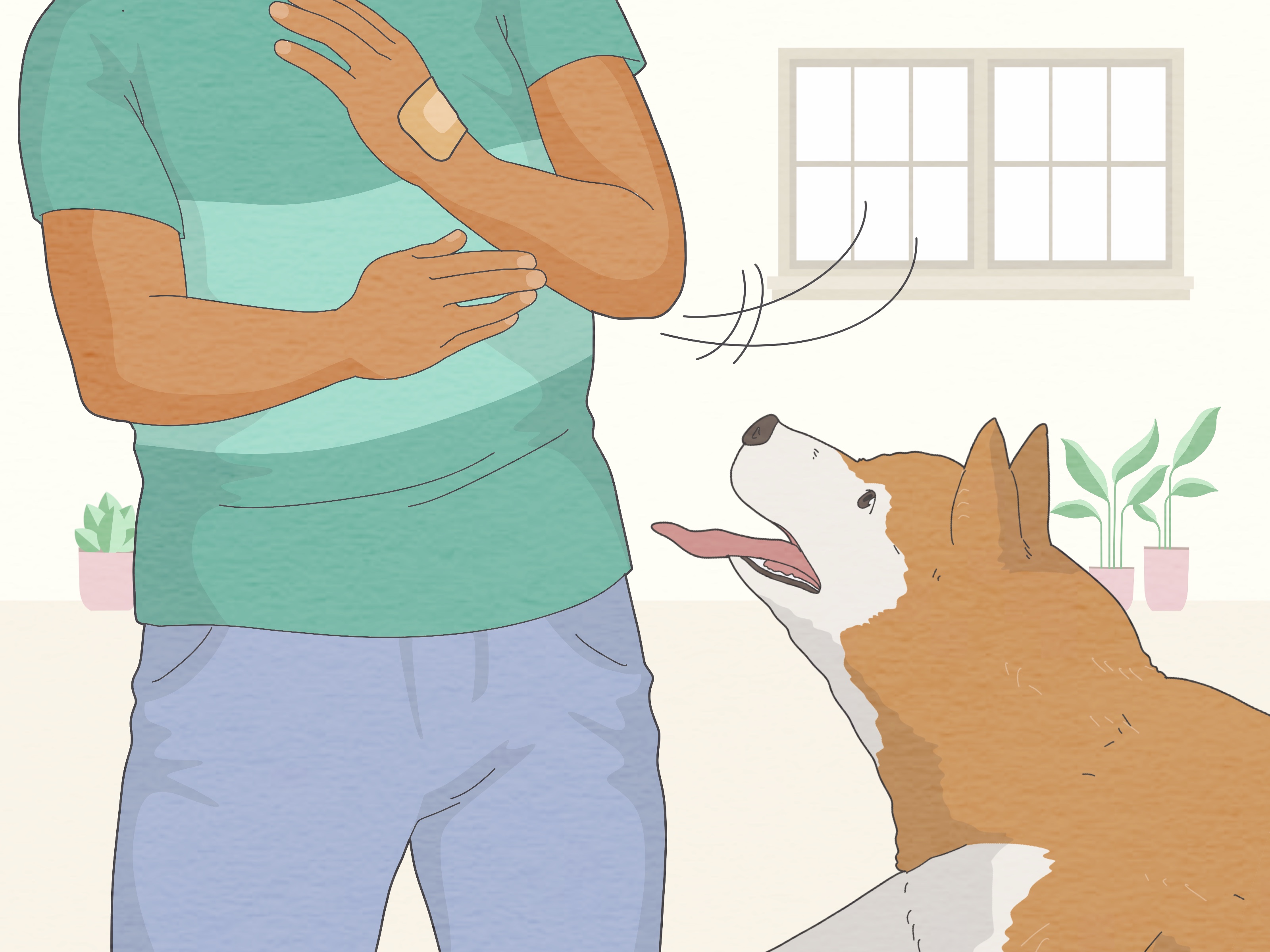
Dogs are famously dramatic about love. You come home from the grocery store, and your dog greets you like you have returned from a ten-year sea voyage. You sit down with a tiny paper cut, and suddenly your loyal companion transforms into a furry first-aid volunteer with questionable hygiene credentials. That brings up a surprisingly common question: what happens if a dog licks human blood?
The short answer is this: if a dog licks a tiny amount of blood from unbroken or barely scratched skin, panic is usually unnecessary. However, if dog saliva gets into an open wound, fresh cut, bite, surgical incision, cracked skin, or mucous membrane, the situation deserves attention. Dog mouths are not magical disinfectant machines. They contain bacteria, and some of those bacteria can cause infections in people, especially when they enter broken skin.
For the dog, licking a small amount of human blood is usually not dangerous by itself. The bigger concern is the human wound. A dog may mean well, but good intentions do not sterilize saliva. Your pup may be your best friend, emotional support potato, and professional snack detector, but your open cut still needs soap, water, and a clean bandagenot a canine tongue bath.
So, What Actually Happens if a Dog Licks Human Blood?
When a dog licks human blood, three things may happen at once. First, the dog may ingest a small amount of blood. Second, dog saliva may contact the wound. Third, bacteria from the dog’s mouth may be introduced to broken skin. The risk depends on how much blood there is, whether the skin is open, the health of the person, the health and vaccination status of the dog, and whether the wound came from an accident, a scratch, or a bite.
If the blood is on intact skin, such as a small smear on your arm with no open cut, the risk is very low. Healthy skin is an impressive barrier. It keeps out many germs while you go about your day pretending you do not Google every weird symptom at midnight.
If the blood is coming from a fresh cut, scraped knee, cracked knuckle, hangnail, or puncture wound, the risk rises. Dog saliva can carry bacteria into tissue where they do not belong. Most healthy adults will not develop a serious infection from a brief lick, but “most” is not the same as “never.” Some infections from dog saliva are rare but potentially severe.
Is Dog Saliva Dangerous to Human Wounds?
Dog saliva is not automatically dangerous, but it is not wound care. The old myth that a dog’s mouth is cleaner than a human’s mouth refuses to retire, probably because it has excellent public relations. In reality, dog mouths contain their own community of bacteria. Some bacteria are normal for dogs but not ideal inside a human cut.
Dog saliva may contain organisms such as Capnocytophaga, Pasteurella, Staphylococcus, Streptococcus, and other microbes. Many exposures do not cause illness. Still, when saliva enters broken skin, infection becomes possible. This is why doctors and veterinarians generally advise people not to let pets lick open wounds.
A dog licking a wound may also slow healing by irritating the skin. Licking can reopen tiny clots, introduce dirt from the mouth, and keep the area moist. Wounds usually heal best when cleaned properly, protected, and allowed to close without repeated disturbance. In other words, your cut does not need a wet-nosed project manager.
Can a Dog Get Sick From Licking Human Blood?
In most everyday situations, a dog licking a tiny amount of human blood is unlikely to get sick. A small lick from a paper cut or scraped finger generally does not expose the dog to enough material to cause a problem. Dogs also have stomach acid and immune defenses that help them handle many things they should not put in their mouths, which is fortunate considering their lifelong interest in sidewalk mysteries.
However, “unlikely” does not mean “impossible in every case.” If a dog consumes a large amount of blood, it may develop stomach upset, vomiting, or dark stool because digested blood can irritate the gastrointestinal tract. If the blood was mixed with a toxic substance, medication, chemical, or contaminated material, the concern changes from blood exposure to poisoning or ingestion risk. In that case, contact a veterinarian or pet poison helpline.
Bloodborne human viruses are generally adapted to humans, not dogs. The primary concern in a typical household incident is not that the dog will catch a human bloodborne disease. The more realistic concern is that the person’s wound may be contaminated by dog saliva.
The Main Human Health Risk: Infection
The most important risk after a dog licks human blood is wound infection. Signs of infection may appear within a day or several days, depending on the organism and the wound. Watch for redness that spreads, swelling, warmth, increasing pain, pus, red streaks, fever, chills, swollen lymph nodes, or a wound that looks worse instead of better.
One bacterium often discussed in dog-saliva cases is Capnocytophaga. It lives in the mouths of some dogs and cats. Most people exposed to dogs never become ill from it, but in rare cases it can cause severe infection, including sepsis. People with weakened immune systems, diabetes, heavy alcohol use, cancer, liver disease, no spleen, or certain chronic illnesses are at higher risk of serious complications.
This does not mean you should look at your Labrador like he is carrying a tiny biological weapons lab. It means open wounds and pet saliva should not mix, especially for people with higher medical risk.
What About Rabies?
Rabies is usually associated with bites, but saliva from an infected mammal can transmit rabies if it contacts broken skin or mucous membranes such as the eyes, mouth, or nose. In the United States, rabies in vaccinated household dogs is uncommon, but risk depends on the dog’s vaccination status, local rabies activity, and whether the animal is known and available for observation.
If an unknown dog, stray dog, wild animal, or dog acting strangely licks fresh blood or an open wound, contact a healthcare professional or local public health department. Rabies is rare, but once symptoms begin, it is almost always fatal. That is why possible exposure is handled seriously and quickly.
What Should You Do Immediately?
1. Move the Dog Away Calmly
Do not yell, shove, or punish the dog. Most dogs lick blood because they are curious, concerned, or attracted to the smell. Calmly move your dog away and prevent more licking. If needed, place the dog in another room with a toy, treat, or chew. The goal is simple: stop the tongue before it files a second report.
2. Wash the Area Thoroughly
Rinse the wound under running water and wash with soap. Do this even if the wound looks minor. Cleaning helps remove saliva, dirt, and bacteria. Do not scrub so aggressively that you damage the tissue. Think “careful cleaning,” not “power-washing a driveway.”
3. Control Bleeding
If the wound is bleeding, apply gentle pressure with clean gauze or a clean cloth. Elevate the area if possible. If bleeding does not stop after several minutes of steady pressure, seek medical care.
4. Apply a Clean Dressing
After washing, use an appropriate over-the-counter antibiotic ointment if you normally tolerate it, then cover the wound with a clean bandage. Change the dressing daily or whenever it becomes wet or dirty.
5. Watch for Infection
For the next several days, monitor the wound. A little tenderness after a cut is normal. Worsening redness, swelling, heat, pus, fever, or increasing pain is not normal and should be checked.
When Should You Call a Doctor?
Call a healthcare professional if the wound is deep, large, jagged, on the face, near a joint, on the hand, or difficult to clean. Also call if the person has diabetes, immune suppression, liver disease, cancer, no spleen, poor circulation, or takes medications that affect immunity.
You should also seek care if the wound came from a bite. Dog bites can crush tissue and push bacteria deep below the surface. Even a bite that looks small can become infected. Puncture wounds are especially tricky because the skin may close over bacteria, creating a cozy little germ apartment you absolutely did not approve.
Medical care may include professional cleaning, antibiotics, a tetanus booster, rabies risk assessment, or follow-up instructions. Do not wait if symptoms are spreading quickly or if you feel feverish, weak, confused, dizzy, or severely ill.
Special Cases: Children, Older Adults, and High-Risk People
Children often have scrapes, scabs, and sticky hands, making them prime targets for enthusiastic dog kisses. Teach kids not to let dogs lick cuts, faces, mouths, or eyes. This is not about making children afraid of dogs; it is about teaching safe affection. Pet the dog, hug gently if the dog enjoys it, toss a ball, but skip the wound-sharing ceremony.
Older adults and people with weakened immune systems should be extra cautious. A lick that causes no problem for one person may create a serious infection risk for another. Anyone at higher risk should clean the wound immediately and contact a healthcare professional sooner rather than later.
Does Human Blood Make Dogs Aggressive?
No, a dog licking human blood does not automatically make the dog aggressive, bloodthirsty, or “turned on” to attack. That idea belongs in the same dusty myth box as “all dogs naturally know who is bad” and “one sock in the dryer disappears into another dimension.” Dogs may be attracted to blood because of scent, saltiness, curiosity, or concern. It does not mean your dog is dangerous.
However, if the blood came from a bite incident, the behavior should be taken seriously. A dog that bites hard enough to break skin needs management, evaluation, and possibly professional training help. Pain, fear, resource guarding, poor socialization, or medical problems can contribute to biting. The licking is not the main behavior issue; the bite is.
Should You Let a Dog Lick a Wound to “Help It Heal”?
No. While saliva contains some compounds that may have limited antimicrobial properties, that does not make a dog’s mouth a recommended medical device. Dogs also lick their own wounds instinctively, but even in dogs, excessive licking can delay healing and cause irritation. That is why veterinarians often use cones, recovery collars, bandages, or surgical suits after procedures.
For human wounds, modern first aid wins: clean water, soap, appropriate dressing, and medical attention when needed. Let your dog provide emotional support from a respectful distance. A concerned head tilt is adorable. Direct saliva application is not.
What if the Dog Licked Dried Blood?
Dried blood on intact skin is usually less concerning than fresh blood from an open wound. Still, wash the area. If the dried blood is on a bandage, tissue, clothing, or towel, throw it away or wash it properly and prevent the dog from chewing or swallowing it. Dogs are talented at turning medical waste into a snack opportunity, which is one of many reasons trash cans need lids.
If your dog swallowed a bloody bandage, gauze, tampon, pad, or cloth, contact your veterinarian. The risk may come from obstruction, contamination, adhesive, chemicals, or the amount swallowednot just the blood.
What if the Blood Came From the Dog Bite Itself?
If a dog bit you and then licked the bleeding area, treat it as a bite wound, not just a lick. Wash thoroughly, control bleeding, cover the wound, and contact a healthcare professional. Ask about tetanus, antibiotics, and rabies risk. If the dog is unknown, unvaccinated, ill, or behaving strangely, report the incident to local animal control or public health authorities as appropriate.
Dog bites to the hand, face, foot, genitals, or near joints should be evaluated promptly. Bites in these areas can cause deeper complications because tendons, nerves, joints, and delicate structures may be involved.
How to Prevent It From Happening Again
The best prevention is boring, which is exactly what you want from wound care. Keep cuts covered. Put used bandages in a closed trash can. Train a cue such as “leave it” or “back up.” Reward your dog for moving away from wounds. If your dog is obsessed with licking, redirect with a chew, puzzle toy, or place command.
If you have children, make a simple family rule: dogs do not lick cuts, faces, mouths, or medical bandages. Keep first-aid supplies easy to reach. A small kit with soap access, gauze, bandages, antiseptic wipes, and medical tape can prevent a tiny accident from becoming a chaotic kitchen scene starring one bleeding finger and one very interested beagle.
Common Myths About Dogs Licking Human Blood
Myth 1: “A Dog’s Mouth Is Cleaner Than a Human’s Mouth”
Dog mouths and human mouths contain different bacteria. “Cleaner” is not a useful comparison. A dog’s mouth is normal for a dog, not sterile for your bloodstream.
Myth 2: “If My Dog Is Vaccinated, Licking Blood Is Always Safe”
Vaccination greatly reduces certain risks, including rabies, but it does not make saliva germ-free. A vaccinated dog can still carry ordinary mouth bacteria.
Myth 3: “If It Does Not Hurt, It Cannot Be Infected”
Early infections can be subtle. Redness, warmth, swelling, pus, fever, and spreading pain matter more than whether the wound hurt immediately after the lick.
Myth 4: “Only Stray Dogs Carry Germs”
Beloved couch dogs also have bacteria in their mouths. Even the dog wearing a sweater that says “Mommy’s Little Gentleman” is still a dog.
Real-Life Examples: How Risk Changes by Situation
Example one: You nick your finger opening a cardboard box. Your dog gives it one quick lick before you wash it. You immediately clean the cut with soap and water, apply ointment, and cover it. For a healthy adult, this is usually low risk, but you should still monitor it.
Example two: Your child falls on gravel, scrapes both knees, and the family dog starts licking the wound. This needs prompt cleaning because dirt and saliva are involved. Wash thoroughly, cover the scrape, and watch for infection.
Example three: A person with diabetes has a cracked, bleeding heel, and the dog licks it repeatedly. This deserves more caution. People with diabetes can have slower wound healing and higher infection risk. Medical advice is wise.
Example four: An unknown dog bites someone, breaks the skin, and saliva enters the wound. This requires professional medical care and rabies risk assessment. Do not rely on home treatment alone.
500-Word Experience Section: What Pet Owners Often Learn the Awkward Way
Many dog owners discover this issue in the least elegant way possible: while trying to handle a tiny household injury. Maybe you are chopping vegetables, get a small cut, and before you can say “Where are the bandages?” your dog appears like a furry emergency responder. Dogs are incredibly observant when food, emotion, or unusual smells are involved. Blood has a strong scent, and to a dog, it may signal curiosity, concern, or simply “something interesting is happening near my favorite human.”
One common experience is the paper-cut panic. The cut is small, the dog licks once, and the owner immediately wonders whether they need a doctor, a veterinarian, a hazmat suit, or all three. In most healthy people, after a quick lick on a small superficial cut, the practical response is calm cleaning. Wash the area, cover it, and observe. The emotional response may be less calm, especially if the dog looks proud of helping. Still, the lesson is useful: keep wounds covered before your dog notices them.
Another familiar situation happens with kids. Children fall, dogs investigate, and suddenly everyone is shouting. Parents often learn that dogs do not understand “medical boundaries.” A child’s scraped knee may look like a fascinating smell map. The best approach is prevention. Teach children to move away from the dog after an injury, and teach the dog a reliable “leave it.” This turns a chaotic moment into a manageable routine.
Some owners also learn that dogs love bandages. A used bandage smells like skin, sweat, blood, and mystery. To a dog, that can be more exciting than an expensive toy you bought after reading 400 reviews. Keep bandages in a covered trash can. If your dog swallows gauze or medical wrap, call a veterinarian, because the concern may be choking or intestinal blockage.
People with chronic health conditions often become more careful after one scare. A small wound that would be no big deal for one person can be more serious for someone with diabetes, immune suppression, poor circulation, or no spleen. For these owners, the experience usually leads to a new household rule: affectionate dog kisses are welcome, but not on cuts, cracked skin, or medical dressings.
The biggest takeaway from real life is simple: dogs are not trying to harm you. They are being dogs. They explore with their noses and mouths, and they often respond to human distress with closeness. That sweetness is part of why we love them. But love still needs boundaries. The safest routine is to stop the licking, wash the wound, cover it, and get medical advice if the wound is deep, dirty, worsening, or linked to a bite or unknown animal.
Conclusion: Don’t Panic, But Don’t Let the Dog Play Doctor
So, what happens if a dog licks human blood? Usually, a brief lick of a tiny amount of blood is not a disaster, especially if the person is healthy and the wound is cleaned right away. The dog is also unlikely to be harmed by a tiny lick of blood. But dog saliva does not belong in open wounds. It can introduce bacteria, increase infection risk, and create bigger problems for children, older adults, and people with weakened immune systems.
The best response is practical: separate the dog, wash the wound with soap and water, control bleeding, apply a clean bandage, and watch for infection. Seek medical care for deep wounds, bites, high-risk health conditions, spreading redness, swelling, pus, fever, or possible rabies exposure. Your dog can still be your loyal nurse, but give them the emotional-support rolenot the wound-cleaning shift.