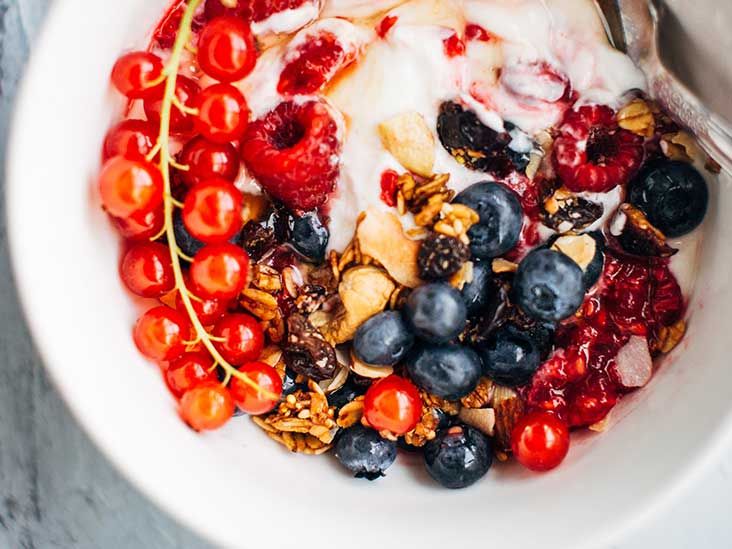
Probiotics have become the celebrity guests of the wellness world. They appear in yogurt cups, capsules, kombucha bottles, skincare ads, and that one jar of kimchi in the back of the fridge looking slightly judgmental. But beyond the buzz, probiotics are not magic sprinkles for perfect health. They are live microorganismsmainly helpful bacteria and some yeaststhat may support the body when consumed in the right amount and in the right context.
The phrase health benefits of probiotics is searched by people who want a simple answer: “Should I actually care about these tiny organisms?” The honest answer is yes, but with a grown-up footnote. Probiotics may help digestion, support immune function, improve gut balance after certain disruptions, and possibly influence mood, skin, and metabolic health. However, benefits depend on the strain, dose, product quality, personal health status, and what problem you are trying to solve.
Think of your gut microbiome as a crowded neighborhood. Some residents are helpful, some are noisy, and some should probably stop parking on the lawn. Probiotics may help encourage a healthier community, but they work best when paired with fiber-rich foods, consistent habits, and realistic expectations. Let’s break down five major probiotic benefits without pretending a spoonful of yogurt can replace sleep, vegetables, or common sense.
What Are Probiotics?
Probiotics are live microorganisms that may provide health benefits when taken in adequate amounts. They are naturally found in some fermented foods and are also sold as dietary supplements. Common probiotic groups include Lactobacillus, Bifidobacterium, and the yeast Saccharomyces boulardii. These names sound like they belong in a wizard spell, but they are simply different types of microbes studied for different effects.
It is important to know that not all fermented foods are probiotics. A food must contain live microorganisms that have a documented health benefit. Yogurt with “live and active cultures,” kefir, certain refrigerated sauerkraut, kimchi, miso, and some fermented vegetables may contain beneficial microbes. On the other hand, many shelf-stable or heat-treated fermented foods may no longer contain live cultures.
1. Probiotics May Support Digestive Health
Digestive health is the main reason probiotics became famous. Your gut is home to trillions of microorganisms that help break down food, interact with your immune system, and support the gut barrier. When that microbial balance is disrupted, digestion may feel like a badly run group project: bloating, irregular bowel habits, gas, and discomfort can show up uninvited.
Some probiotic strains may help support regular bowel movements and improve certain digestive symptoms. Research has found possible benefits for issues such as antibiotic-associated diarrhea and some forms of constipation, although the evidence varies by condition and strain. This is why choosing a probiotic is not like picking a random cereal. The specific strain matters.
How probiotics may help digestion
Probiotics may support digestion by helping maintain a balanced gut microbiome, competing with less-friendly microbes, producing helpful compounds, and supporting the lining of the intestines. Some strains may also help the body digest lactose, which is why certain people tolerate yogurt better than regular milk.
For example, someone who feels mildly unsettled after a course of antibiotics may benefit from asking a healthcare provider about a probiotic strain studied for antibiotic-associated diarrhea. But someone with long-term digestive symptoms should not self-diagnose with a supplement bottle and a motivational quote. Persistent diarrhea, unexplained weight loss, blood in stool, severe pain, or symptoms that keep returning deserve medical attention.
2. Probiotics May Help Restore Gut Balance After Antibiotics
Antibiotics can be life-saving, but they are not exactly gentle interior decorators. While they target harmful bacteria, they may also reduce helpful bacteria in the gut. This shift can sometimes lead to digestive side effects, including diarrhea. Certain probiotics have been studied for helping reduce the risk of antibiotic-associated diarrhea, especially when used appropriately.
This does not mean everyone taking antibiotics automatically needs probiotics. It means probiotics may be useful in specific situations. Medical guidelines are cautious because the benefits are not universal, and not every probiotic product has strong evidence. The American Gastroenterological Association has noted that probiotics are not recommended for most digestive conditions, but certain formulations may be helpful in selected cases, such as prevention of C. difficile infection in some people taking antibiotics.
Timing matters
If a healthcare professional recommends taking probiotics with antibiotics, timing may matter. Many people are advised to separate probiotics and antibiotics by a few hours so the antibiotic does not immediately reduce the live organisms in the probiotic. The exact advice depends on the antibiotic, probiotic strain, and personal health situation.
This is also where food can be a quiet hero. After antibiotics, a diet rich in fiber, fruits, vegetables, legumes, whole grains, and fermented foods may help nourish beneficial microbes. Probiotics may add helpful organisms, but prebioticsfibers that feed beneficial bacteriahelp keep the neighborhood well supplied.
3. Probiotics May Support Immune Function
A large part of the immune system interacts with the gut. That does not mean your stomach is wearing a tiny superhero cape, but it does mean gut health and immune health are closely connected. Beneficial microbes may help train immune responses, support the gut barrier, and compete with harmful organisms.
Probiotics may support immune function by helping maintain a healthier microbial environment. Some studies suggest certain strains may reduce the duration or frequency of some common infections, but results are mixed. The most accurate statement is not “probiotics boost immunity” like a video game power-up. A better phrase is “specific probiotics may help support normal immune function in certain people.”
Gut barrier support
One reason probiotics are interesting to researchers is their possible role in supporting the intestinal barrier. The gut lining helps decide what gets absorbed and what stays out. A healthier gut barrier may help reduce unnecessary immune irritation. Probiotics may also produce short-chain fatty acids and other compounds that support gut lining function, especially when paired with fiber-rich foods.
In everyday terms, this means probiotics are not a replacement for handwashing, vaccination, sleep, hydration, or a balanced diet. They are more like a supporting actor in the immune system movie. Useful? Possibly. The entire plot? Definitely not.
4. Probiotics May Influence Mood Through the Gut-Brain Connection
The gut and brain are in constant conversation through nerves, immune signals, hormones, and microbial byproducts. This relationship is often called the gut-brain axis. Scientists are studying whether probiotics may influence mood, stress response, and mental well-being by affecting this communication system.
Some research suggests certain probiotics may have modest benefits for mood or stress in some people. These are sometimes called “psychobiotics,” which sounds like a sci-fi movie but simply refers to probiotics studied for mental health-related effects. Still, this field is developing, and probiotics should not be viewed as a stand-alone treatment for depression, anxiety, or other mental health conditions.
Food patterns matter too
A gut-friendly eating pattern may do more than any single supplement. Diets rich in plants, fiber, omega-3-rich foods, fermented foods, and minimally processed ingredients are associated with better gut diversity and overall health. Meanwhile, a routine built mainly on ultra-processed snacks may not give beneficial microbes much to celebrate.
A practical example: adding kefir to breakfast, beans to lunch, and vegetables to dinner may support gut health more consistently than taking a probiotic capsule while eating like your pantry was packed by a vending machine. Supplements can help in certain cases, but daily habits provide the long-term stage on which probiotics perform.
5. Probiotics May Support Skin and Metabolic Health
The gut does not live in isolation. It communicates with the skin, liver, hormones, and metabolism. Researchers are studying whether probiotics may help with skin conditions, cholesterol levels, blood sugar regulation, and body weight. Early findings are interesting, but this is where we need to keep both feet on the ground and one hand on the evidence.
Some probiotic strains may influence inflammation, lipid metabolism, or skin barrier function. For example, the gut-skin axis is an area of growing interest, especially for conditions linked to inflammation. The gut-heart connection is also being studied because gut bacteria produce compounds that may affect blood vessels, cholesterol processing, and inflammation.
Probiotics are not weight-loss shortcuts
Probiotics are sometimes marketed as weight-loss solutions. That claim deserves a raised eyebrow. Some studies suggest certain strains may slightly influence weight, waist size, or metabolic markers, but effects are usually modest and not guaranteed. A probiotic will not outsmart a consistently poor diet, low activity level, lack of sleep, or high stress.
For skin and metabolic health, probiotics may be one helpful tool among many. The bigger picture still includes balanced meals, enough protein, fiber-rich carbohydrates, healthy fats, regular movement, sleep, stress management, and medical care when needed. In other words, the probiotic capsule is not the boss. It is an intern with potential.
Best Food Sources of Probiotics
Probiotic foods can be a simple way to include beneficial microbes in your diet. Good options may include yogurt with live and active cultures, kefir, kimchi, sauerkraut, miso, tempeh, and some fermented pickles. Look for labels that mention live cultures or natural fermentation.
Yogurt is one of the most common probiotic foods in the American diet. Kefir is similar but usually drinkable and often contains a wider variety of microbes. Kimchi and sauerkraut bring crunch, tang, and enough personality to wake up a boring plate. Miso adds savory depth to soups and dressings, though high heat can reduce live microbes, so it is often best stirred into warmnot boilingliquid.
Probiotic Supplements: What to Know Before Buying
Probiotic supplements can be helpful, but the supplement aisle can feel like a tiny bacteria-themed casino. Labels may list CFUs, strains, storage instructions, and promises that sound suspiciously enthusiastic. CFU stands for colony-forming units, a measure of live microbes. Bigger numbers are not always better. The right strain for the right purpose matters more than a giant number printed in bold letters.
When choosing a probiotic supplement, check the strain names, expiration date, storage requirements, and whether the product has third-party testing. Also remember that in the United States, many probiotic supplements are regulated as dietary supplements, not drugs. That means they do not go through the same approval process used for prescription medications.
Who should be careful with probiotics?
Probiotics are generally safe for many healthy people, but they are not risk-free for everyone. People with weakened immune systems, serious illnesses, central lines, recent major surgery, or premature infants may face higher risks from live microbes. Anyone in these groups should use probiotics only with medical guidance.
Mild side effects such as gas or bloating can happen when starting probiotics, especially if the body is adjusting to a new fermented food or supplement. Starting slowly may help. If symptoms worsen or feel unusual, stop and talk with a healthcare professional.
How to Get the Most From Probiotics
Probiotics work best when they are part of a gut-friendly lifestyle. That means eating enough fiber, staying hydrated, moving regularly, sleeping well, and limiting habits that disturb gut balance. A probiotic supplement cannot rescue a lifestyle that treats vegetables like decorative objects.
Focus on variety. Different plant foods feed different beneficial microbes. Beans, lentils, oats, berries, apples, onions, garlic, asparagus, whole grains, nuts, and seeds all provide fibers and compounds that support microbial diversity. Fermented foods add live cultures, while prebiotic foods feed the helpful microbes already living in the gut.
Real-Life Experiences With Probiotics
Many people first try probiotics after a digestive problem. For example, someone may finish a course of antibiotics and notice their stomach feels unpredictable. They might add yogurt with live cultures at breakfast or take a healthcare-recommended probiotic for a limited time. In that kind of situation, the goal is not to become a professional gut gardener overnight. The goal is simply to support the digestive system while it finds its rhythm again.
Another common experience is the “I ate more fermented foods and felt better” story. A person starts adding kefir to smoothies, kimchi to rice bowls, or sauerkraut to sandwiches. After a few weeks, they may notice more regular digestion or less bloating. But the important detail is usually not the fermented food alone. People who add probiotic foods often improve other parts of their diet too. They may eat more whole foods, less greasy takeout, more fiber, and fewer late-night snack attacks. The gut appreciates the full upgrade package.
Some people, however, try probiotics and feel nothing dramatic. This is normal. Probiotics are not supposed to create fireworks in your abdomen. In fact, fireworks in your abdomen would be a strong reason to stop and call someone with a medical degree. A lack of obvious results may mean the strain was not matched to the person’s needs, the dose was not appropriate, the product quality was poor, or the person simply did not need that probiotic.
There are also people who feel worse when they begin probiotics, especially if they start with large amounts of fermented foods or high-dose supplements. Gas, bloating, or discomfort can occur. A gentler approach may be better: begin with small servings, choose one probiotic food at a time, and increase gradually. For instance, start with a few spoonfuls of yogurt or a small serving of kefir rather than declaring war on your microbiome with a giant jar of sauerkraut.
Athletes and busy students sometimes use probiotics as part of a broader wellness routine. They may not be trying to treat a specific condition; they simply want to support digestion, immune function, and recovery. In these cases, consistency matters more than trend-chasing. A balanced breakfast with yogurt, oats, berries, and nuts is more useful than buying a random supplement because the label has shiny green leaves and the word “ultimate.”
Parents may also become interested in probiotics when children have digestive issues. This is an area where medical advice matters. Children are not tiny adults with smaller lunchboxes. The right approach depends on age, symptoms, medical history, and the specific probiotic strain. Parents should speak with a pediatrician before giving probiotic supplements, especially to infants, children with chronic illness, or children taking medications.
Older adults may approach probiotics differently. Some may use them to support regularity, while others may be advised to avoid certain supplements depending on immune status or medical conditions. Food-based probiotics, such as yogurt or kefir, may be a practical option for many people, but individual tolerance matters. If dairy is an issue, non-dairy fermented foods or lactose-free options may be considered.
The most useful real-world lesson is this: probiotics are personal. One person’s favorite kefir smoothie may be another person’s bloating festival. One supplement may help during antibiotics, while another may do very little. The smartest approach is to define the goal first. Are you trying to support regular digestion? Reduce antibiotic-related diarrhea risk? Add fermented foods to a healthier diet? Once the goal is clear, it becomes easier to choose the right food or product and judge whether it is actually helping.
A simple tracking method can help. Write down what probiotic food or supplement you started, the amount, the date, and any changes in digestion, energy, skin, or comfort. Give it a reasonable trial period unless symptoms worsen. This turns guesswork into useful feedback. Your gut may not send emails, but it does send signals.
Conclusion: Are Probiotics Worth It?
Probiotics may offer real health benefits, especially for digestive support, gut balance after antibiotics, immune function, and possibly mood, skin, and metabolic health. But they are not a universal cure, and not every product works for every person. The strongest probiotic strategy begins with a healthy eating pattern, plenty of fiber, and fermented foods when tolerated.
If you are generally healthy, adding probiotic foods such as yogurt, kefir, kimchi, or sauerkraut can be a smart and tasty step. If you are considering supplements for a specific health concern, choose evidence-based strains and ask a healthcare professional for guidance. Your gut microbiome is complex, but caring for it does not have to be complicated. Feed it well, treat it kindly, and maybe stop asking it to survive on coffee and emergency crackers.