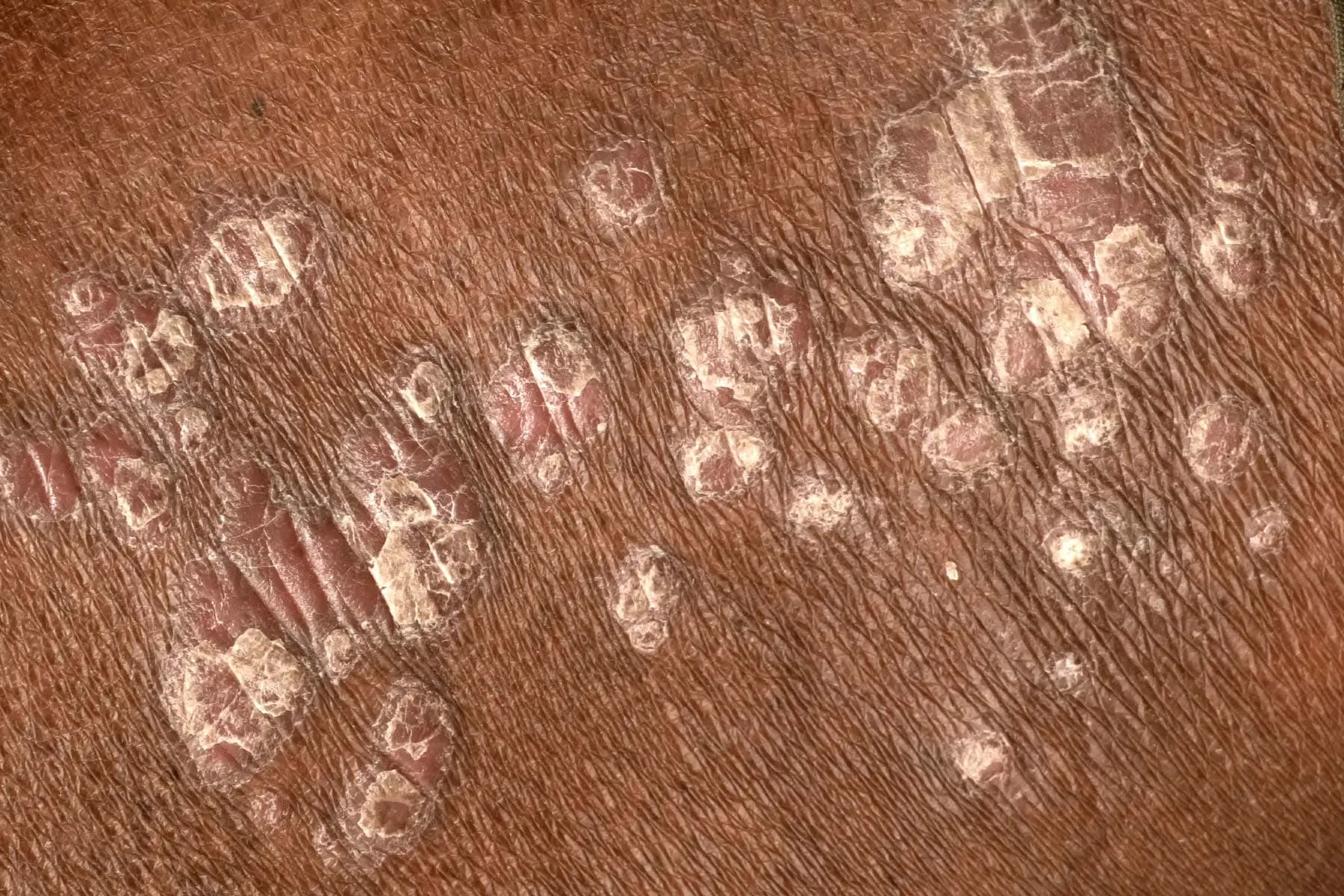
Psoriasis is often introduced as a condition that causes thick, scaly patches of skin. Technically, that description is correct. It is also a little like describing a thunderstorm as “some damp weather.” The visible plaques are only one part of living with a chronic, immune-mediated disease that can affect comfort, sleep, confidence, relationships, work, exercise, and sometimes the joints.
Symptoms can improve for weeks or months and then return without politely checking anyone’s calendar. A peaceful stretch may suddenly be interrupted by itching, cracking, scalp flakes, nail changes, or a flare in the exact spot a waistband, shoe, or office chair likes to rub.
Every person’s experience is different. Some have a few small plaques, while others deal with extensive inflammation or symptoms in high-impact areas such as the scalp, hands, feet, face, genitals, or nails. Regardless of severity, the following psoriasis challenges will feel familiar to many people who live with the condition.
The Physical Challenges of Living With Psoriasis
1. The Itch That Refuses to Be Ignored
Psoriasis itching can range from a distracting tickle to an intense sensation that dominates every available thought. It may become worse when the skin is dry, during stressful periods, or at night when there is nothing else competing for attention.
Scratching may bring two seconds of satisfaction followed by increased irritation, broken skin, bleeding, or soreness. This creates the classic itch-scratch cycle: the skin itches, scratching damages it, and the damaged area becomes even more uncomfortable. Meanwhile, someone nearby may cheerfully suggest, “Just don’t scratch,” as though you had never considered this revolutionary strategy.
2. Burning, Cracking, and Skin Pain
Not every psoriasis plaque merely itches. Inflamed areas may burn, sting, feel tight, or become painfully tender. Thick plaques can crack when the skin stretches, especially around the hands, feet, knees, elbows, or other frequently moving areas.
A small crack on the heel can turn walking into an unexpectedly dramatic event. A split near a finger joint can make typing, cooking, opening containers, or washing dishes painful. These symptoms demonstrate why the percentage of skin involved does not always reflect the true burden of psoriasis. A relatively small plaque in the wrong location can interfere with nearly everything.
3. Finding Flakes in Absolutely Everything
Psoriasis causes skin cells to build up faster than the body can shed them normally. The resulting scales may land on clothing, bedding, furniture, car seats, computer keyboards, and every dark surface within a five-mile radius.
Many people become experts at brushing their shoulders before meetings or choosing patterned fabrics that make flakes less noticeable. Cleaning can feel endless during an active flare. The flakes are not dangerous or contagious, but they can be embarrassing when other people mistake them for poor hygiene or ordinary dandruff.
4. Scalp Psoriasis Complicating Hair Care
Scalp psoriasis may appear around the hairline, behind the ears, on the neck, or across much of the scalp. The plaques can itch, feel tight, and shed noticeable scales. Removing them aggressively can irritate the skin, while scratching may cause bleeding or temporary hair shedding.
Hair care becomes a project rather than a routine. Medicated shampoos may need time to work before rinsing. Thick hair can make topical treatments difficult to apply directly to the scalp. Hair coloring, tight hairstyles, heat tools, fragranced products, and vigorous brushing may require extra caution. The result is a delicate balancing act between treating the skin and maintaining a hairstyle that helps the person feel like themselves.
5. Nail Changes That Are More Than Cosmetic
Psoriasis can affect fingernails and toenails, causing pitting, ridges, discoloration, thickening, crumbling, or separation from the nail bed. These changes may be mistaken for a fungal infection and can make people feel self-conscious about their hands or feet.
Nail psoriasis may also interfere with practical tasks. Buttons, coins, keyboards, jar lids, and small tools become more difficult to manage when nails are tender or damaged. Covering the changes with artificial nails or aggressive manicures may worsen irritation for some people, turning a simple salon appointment into a risk assessment worthy of a committee meeting.
6. Losing Sleep to Itching and Discomfort
Sleep can be difficult when skin is itching, burning, or sticking uncomfortably to pajamas and bedding. Some people wake repeatedly to scratch, reapply moisturizer, adjust the room temperature, or change position because a plaque is rubbing against the mattress.
Poor sleep does not remain politely confined to nighttime. It can affect concentration, memory, mood, pain tolerance, and energy the following day. A person may appear distracted at work when the real problem is that their elbows staged a rebellion at 2:00 a.m.
7. Fatigue That Rest Does Not Always Fix
Fatigue associated with psoriasis may feel deeper than ordinary tiredness. Chronic inflammation, disrupted sleep, emotional stress, medication effects, and related health conditions can all contribute. Someone may sleep for a reasonable number of hours and still wake up feeling as though their battery reached only 37 percent.
This fatigue can make exercise, housework, social plans, and even routine treatment feel demanding. It may also be invisible to others. When the skin looks relatively clear, friends or coworkers may assume the disease is no longer affecting the person, even though exhaustion remains a major daily challenge.
8. Wondering Whether Joint Pain Is Psoriatic Arthritis
Some people with psoriasis develop psoriatic arthritis, an inflammatory condition that can cause joint pain, stiffness, swelling, heel pain, back discomfort, or swollen fingers and toes. Skin and joint symptoms do not necessarily become active at the same time.
This creates an unsettling guessing game. Is the stiff finger from sleeping awkwardly, too much typing, or inflammation? Is the heel pain caused by old shoes, or should it be evaluated? New or persistent joint symptoms deserve medical attention because early diagnosis and treatment can help protect joint function.
The Visible and Social Challenges
9. Choosing Clothes for the Skin, Not the Weather
Clothing decisions may revolve around comfort, coverage, treatment stains, and scale visibility. Soft, breathable fabrics may feel better than rough materials. Loose clothing can reduce friction, but some people prefer long sleeves or pants to avoid questions and staring.
This becomes especially frustrating in warm weather. A person may want to wear shorts but feel anxious about visible plaques. Dark colors can hide ointment stains yet highlight flakes. White clothing conceals scale but may reveal greasy medication marks. Fashion becomes less “What expresses my personality?” and more “Which fabric will negotiate peacefully with my skin today?”
10. Repeatedly Explaining That Psoriasis Is Not Contagious
Psoriasis cannot be spread through touching, sharing food, swimming, kissing, or sitting next to someone. Unfortunately, visible skin differences can trigger uninformed reactions. People may step away, avoid physical contact, or ask whether the rash is infectious.
Correcting misconceptions can be exhausting, especially when the person is already managing discomfort. Some answer questions openly because education reduces stigma. Others prefer privacy. Neither approach is wrong. Having psoriasis does not create an obligation to host an unpaid dermatology seminar every time someone notices a plaque.
11. Handling Stares, Comments, and Unsolicited Advice
Visible psoriasis can attract prolonged looks, personal questions, and recommendations from people whose medical qualifications consist primarily of owning internet access. Suggestions may include miracle diets, household ingredients, supplements, or the timeless classic: “Have you tried not being stressed?”
Even well-intended comments can make someone feel observed rather than understood. Repeated scrutiny may contribute to embarrassment, social withdrawal, or low self-esteem. Supportive people ask what is helpful, respect boundaries, and avoid treating the person’s skin as a public discussion topic.
12. Navigating Dating, Touch, and Intimacy
Psoriasis can affect dating and sexual confidence, particularly when plaques occur on visible or intimate areas. A person may worry that a partner will misunderstand the condition, find the skin unattractive, or be afraid of physical contact.
Discomfort can also make intimacy physically challenging. Friction, joint pain, fatigue, or genital psoriasis may require adjustments and honest communication. A caring partner will understand that the condition is not contagious and that comfort may vary from day to day. The hardest part is often beginning the conversation, not the response that follows.
The Practical Challenges of Managing a Chronic Disease
13. Flares That Ignore Your Schedule
Psoriasis commonly moves through cycles of improvement and worsening. Potential triggers can include stress, illness, skin injuries, cold or dry weather, smoking, alcohol, and certain medications, although triggers differ considerably between individuals.
A flare may arrive before a vacation, wedding, job interview, date, presentation, or beach weekend. People can identify patterns and reduce certain triggers, but perfect control is rarely realistic. That uncertainty can feel unfair, especially when someone has followed their treatment plan carefully and the immune system still decides to improvise.
14. The Time-Consuming Treatment Routine
Treatment may involve moisturizers, medicated creams, scalp solutions, oral medicines, injections, phototherapy, or combinations of approaches. Topical treatments often have to be applied carefully and consistently. Some are greasy, stain fabrics, smell medicinal, or require separate instructions for different body areas.
Finding an effective plan can involve trial and error. A treatment may work well initially and then become less helpful, or it may improve the skin while causing inconvenient side effects. People must weigh effectiveness, safety, lifestyle, insurance coverage, and personal preferences with their healthcare professionals. Managing psoriasis can feel like accepting a second part-time job, except the dress code includes moisturizer.
15. Dealing With Appointments, Coverage, and Costs
Chronic disease management involves more than taking medication. There may be dermatology appointments, laboratory tests, insurance authorizations, pharmacy calls, refill deadlines, injection training, and follow-up visits. People with joint symptoms may also need a rheumatologist or other specialists.
Insurance requirements can delay treatment or require documentation that previous therapies were unsuccessful. Copays, deductibles, transportation, missed work, and skin-care products add to the practical burden. Even when assistance programs are available, finding and completing the paperwork requires time and persistencetwo resources already being used to manage the disease itself.
16. Adjusting Work, School, Exercise, and Daily Tasks
Psoriasis can interfere with concentration, attendance, physical comfort, and productivity. Hand or foot involvement may make standing, walking, writing, lifting, or operating equipment painful. Scalp flakes can cause embarrassment during meetings. Fatigue may reduce stamina, while medical appointments compete with work or school schedules.
Exercise can also require flexibility. Sweat, heat, friction, tight clothing, pool chemicals, or joint pain may aggravate symptoms for some people. This does not mean physical activity is impossible. It may mean choosing lower-impact movement, softer clothing, shorter sessions, or a different environment. The challenge is learning to adapt without feeling that psoriasis is making every decision.
Real-Life Experiences Behind These Psoriasis Challenges
A Morning During a Flare
Living with psoriasis can begin affecting the day before a person has fully left bed. The first sensation may be tight skin around the knees or an itch on the scalp that became worse overnight. Pajamas and sheets need to be checked for blood from a cracked plaque. Before showering, the person considers whether hot water will feel soothing for a moment but leave the skin drier afterward.
The shower is kept brief. A gentle cleanser is used instead of a heavily fragranced product. Afterward comes the narrow window for applying moisturizer while the skin is still slightly damp. Prescription creams may be added to specific areas, followed by a pause before getting dressed so the medication does not immediately transfer itself to the inside of a shirt.
Clothing is selected strategically. The soft shirt wins over the stylish but scratchy one. A light-colored top may conceal scalp flakes, while loose pants reduce rubbing against plaques. None of these choices appears significant to an observer, yet together they have already added time, planning, and emotional energy to the morning.
Getting Through a Public Day
At work or school, the person may become highly aware of symptoms that others barely notice. An itchy patch demands attention during a meeting. Sitting for too long makes stiff joints uncomfortable. A flake lands on the desk, leading to a discreet brushing motion perfected through years of practice.
Then someone asks about a visible plaque. The question may be kind, rude, curious, or anxious. The person has a few seconds to decide whether to explain that psoriasis is an immune-mediated condition, offer a brief “It is not contagious,” change the subject, or simply say they would rather not discuss it. That decision depends on energy, trust, and how many times the same conversation has already happened.
Productivity may fluctuate even when attendance does not. This is sometimes called presenteeism: being physically present but working through pain, itching, fatigue, or poor sleep. A person may complete every responsibility while privately using far more effort than anyone realizes.
The Emotional Weight of an Unpredictable Condition
The emotional challenge is not simply disliking the appearance of a rash. It is the repeated loss of predictability. Clear skin can bring relief, but it may also create worry about when the next flare will appear. An invitation to a pool party may produce excitement and anxiety at the same time. Dating may involve deciding when to disclose the condition and how much explanation feels comfortable.
Some people become frustrated with their bodies. Others feel guilty for canceling plans, needing rest, or spending money on treatment. These feelings do not mean they are weak or vain. Psoriasis affects visible identity, physical comfort, and daily independence, so its psychological impact can be substantial.
What Meaningful Support Looks Like
Helpful support is often simple. It sounds like, “Do you need anything?” rather than, “You should try this cure I saw online.” It means believing someone who says they are tired even when their skin looks clear. It means understanding that declining an activity may be symptom management, not disinterest.
Good healthcare support matters too. A useful appointment addresses more than the size of the plaques. It considers itching, pain, sleep, confidence, work, relationships, treatment burden, and possible joint symptoms. Effective care should focus not only on what the skin looks like but also on how the person is living.
Psoriasis may be chronic, but suffering in silence does not have to be. Better treatments, knowledgeable professionals, patient communities, practical accommodations, and honest conversations can reduce the burden. The goal is not to pretend the disease is easy. It is to build a life in which psoriasis occupies less space than the person living with it.
Conclusion
The biggest misunderstanding about psoriasis is that it is “only a skin problem.” In reality, the condition can influence sleep, clothing, confidence, work, relationships, exercise, finances, and emotional well-being. For people with psoriatic arthritis, pain and stiffness add another layer to an already complicated disease.
Recognizing these psoriasis challenges can help patients feel less isolated and help family members, friends, coworkers, and partners respond with more empathy. Nobody needs pity, dramatic whispering, or a recipe involving three kitchen ingredients and moonlight. They need informed healthcare, practical support, respectful questions, and the freedom to manage their condition without judgment.