Note: This article is written in publish-ready HTML body format and is based on real horticultural guidance from U.S. extension services, botanical gardens, and practical water-wise gardening principles.
Big Color, Less Water: Yes, Your Garden Can Have Both
A thirsty garden can turn summer into a full-time job. One minute you are admiring your flowers, and the next you are standing outside at sunset with a hose, bargaining with a petunia that looks personally offended by the weather. The good news? A beautiful garden does not have to behave like a luxury spa with unlimited cucumber water. By choosing the right drought-resistant annuals, you can enjoy bold color, pollinator activity, and cheerful curb appeal while using water more wisely.
Drought-resistant annuals are plants that complete their life cycle in one growing season and can handle dry spells better than many tender bedding plants. They are not magic. They still need water when newly planted, and they perform best when given decent soil preparation. But once established, many of these tough bloomers tolerate heat, full sun, and occasional neglect with admirable grace. In fact, some of them seem to prefer life on the sunny, slightly lean side. Too much pampering can lead to floppy growth, fewer flowers, or root rot. In other words, these plants are the garden equivalent of “I’m fine, please stop hovering.”
Whether you garden in a hot Southern yard, a dry Western landscape, a Midwest flower bed, or a sunny container garden that bakes on the patio, drought-resistant annuals can help you build a colorful, lower-maintenance display. The secret is knowing which annuals to plant, where to place them, and how to care for them during the crucial first few weeks.
What Makes an Annual Drought-Resistant?
Drought-resistant annuals often share a few survival tricks. Some have waxy or slightly hairy leaves that reduce moisture loss. Others have narrow foliage, succulent stems, or deep root systems that help them use available water efficiently. Many thrive in full sun and well-drained soil, which is important because drought tolerance rarely means “happy in soggy clay.” In fact, poor drainage is one of the fastest ways to turn a tough annual into a sad little compost candidate.
It also helps to understand the difference between drought-resistant and drought-proof. A drought-resistant annual can survive and bloom through dry periods once established. A drought-proof annual would never need watering, never wilt, and probably also fold your laundry. Unfortunately, that plant has not yet appeared at the garden center.
For best results, water new plants deeply and consistently until roots spread into the surrounding soil. After that, shift to deeper, less frequent watering instead of quick daily sprinkles. Shallow watering encourages shallow roots, while deep watering teaches roots to head downward where moisture lasts longer. Add mulch, avoid heavy fertilizing, and group plants with similar water needs together. This simple strategy is called hydrozoning, though “put the thirsty divas together and the tough cookies together” works just as well.
Best Drought-Resistant Annuals for Sunny Gardens
The following annuals are excellent choices for gardeners who want strong summer color without constantly racing outside with a watering can. Some are true annuals everywhere, while others are tender perennials grown as annuals in colder regions. Always check whether a plant is invasive in your state before planting, especially with vigorous species such as lantana in warm climates.
1. Portulaca: The Little Succulent That Throws a Party
Portulaca, often called moss rose, is one of the best drought-resistant annuals for hot, sunny spots. Its fleshy, succulent leaves store moisture, and its bright flowers come in shades of pink, red, orange, yellow, white, and bicolor combinations. Portulaca stays low to the ground, making it ideal for edging, rock gardens, dry slopes, containers, and hanging baskets.
This annual loves full sun and sharply drained soil. Sandy or rocky areas that make other flowers send in a formal complaint may suit portulaca beautifully. Avoid overwatering, especially in heavy soil, because wet roots can lead to rot. If you have a blazing strip along a driveway or sidewalk, portulaca is a smart candidate. It looks delicate, but it has the survival instincts of a desert camper with snacks.
2. Annual Vinca: Glossy Leaves, Steady Blooms, Minimal Drama
Annual vinca, also known as Madagascar periwinkle, is a heat-loving bedding plant that performs well in hot, sunny gardens. It produces glossy green foliage and cheerful flowers in pink, white, red, lavender, and rose tones. Once established, vinca handles dry conditions better than many traditional annuals and keeps blooming through summer heat.
The key to success with vinca is drainage. This plant prefers full sun and well-drained soil, and it dislikes sitting wet. In humid climates, give it space for airflow and avoid overhead watering whenever possible. Vinca works well in garden beds, containers, and hanging baskets. If your garden style leans toward “I want color, but I do not want a plant that requires emotional support,” vinca belongs on your list.
3. Lantana: A Pollinator Magnet with Vacation Energy
Lantana is a tough, sun-loving plant grown as an annual in many parts of the United States. It produces clusters of small flowers that often shift in color as they age, creating a confetti-like effect in yellow, orange, pink, red, purple, and white. Butterflies and hummingbirds love it, and gardeners appreciate that it can handle heat and dry spells once established.
Use lantana in sunny borders, large containers, curbside plantings, and hanging baskets. Upright varieties add structure, while trailing types spill beautifully over container edges. In frost-free regions, lantana may behave as a perennial shrub and can be invasive in some areas, so check local guidance before planting. In colder climates, it usually behaves like a colorful summer guest who leaves when the party gets frosty.
4. Zinnia: The Cheerful Overachiever
Zinnias are classic annuals for a reason. They are easy to grow from seed, bloom generously, attract butterflies, and come in nearly every warm, happy color imaginable. Many zinnias tolerate drier soil better than wet conditions, especially when planted in full sun with good air circulation.
For drought-conscious gardens, look for compact, disease-resistant series such as Profusion, Zahara, or other modern landscape types. Taller cutting zinnias can also perform well, but they may need more consistent moisture during establishment and bloom production. To reduce powdery mildew, water at the base of the plant, avoid crowding, and provide plenty of sun. A zinnia bed in midsummer looks like the garden decided to host a parade and forgot to ask permission.
5. Marigold: The Sunny Workhorse
Marigolds are reliable, affordable, and wonderfully unfussy. They tolerate heat, bloom for a long season, and come in bright shades of yellow, orange, gold, cream, and red. French marigolds stay compact and tidy, while African marigolds produce larger pom-pom blooms that bring serious “look at me” energy.
Marigolds prefer well-drained soil and can tolerate dry conditions better than soggy roots. They are useful along vegetable gardens, walkways, sunny borders, and containers. Deadheading spent flowers keeps plants looking fresh, but even without constant grooming, marigolds tend to keep going. They are the dependable neighbor of the annual garden: cheerful, practical, and always dressed in orange.
6. Angelonia: The Summer Snapdragon That Does Not Melt
Angelonia, commonly called summer snapdragon, is a graceful annual with upright flower spikes in purple, blue, pink, white, lavender, and bicolor shades. Unlike traditional snapdragons, which often sulk in hot weather, angelonia thrives in summer heat once established. It is excellent for containers, mass plantings, and mixed borders.
Plant angelonia in full sun with well-drained soil. It appreciates water during establishment, but mature plants tolerate dry spells and keep a polished look during hot weather. Many varieties are also deer resistant, which is helpful if your local deer treat the neighborhood like an all-you-can-eat salad bar.
7. Cosmos: Airy, Easy, and Delightfully Wild
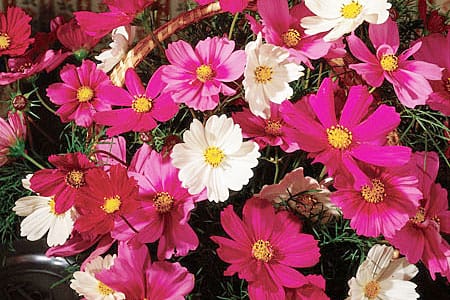
Cosmos brings a relaxed meadow feeling to sunny gardens. Its ferny foliage and daisy-like flowers create movement and softness, especially in cottage gardens, pollinator beds, and informal borders. Cosmos often performs best in lean soil, and too much fertilizer can produce lush foliage with fewer flowers.
Direct-sow cosmos after frost, or set out transplants once the soil warms. Give plants full sun and moderate spacing so air can move through the stems. Taller varieties may need support in windy locations, while compact types fit nicely into smaller beds. Cosmos is perfect for gardeners who like flowers that look charmingly spontaneous, as if the garden casually woke up beautiful.
8. Globe Amaranth: Clover-Shaped Blooms That Last and Last
Globe amaranth, or gomphrena, produces papery, clover-like blooms in purple, magenta, pink, red, orange, and white. It is a standout for hot, sunny gardens because it tolerates heat, handles dry periods, and keeps its color for a long time. The flowers are also excellent for dried arrangements.
Plant globe amaranth in full sun and well-drained soil. It works beautifully in borders, pollinator gardens, containers, and cut-flower beds. Once it starts blooming, it is remarkably steady. If you forget to fuss over it, globe amaranth will usually continue doing its job with quiet confidence.
9. Sunflower: Big Personality, Surprisingly Tough
Sunflowers are annual favorites that range from compact container-friendly types to towering giants. They love full sun, grow quickly from seed, and bring height, wildlife value, and serious joy to the garden. Established sunflowers can withstand some drought, though regular watering around flowering helps support strong roots and heavy blooms.
Choose the right sunflower for your space. Dwarf varieties are best for containers and small gardens. Branching varieties provide multiple flowers for cutting. Giant varieties need room, support, and protection from strong wind. Sunflowers are not subtle, but subtle is overrated when you can grow a flower that looks like it is applauding the sun.
10. Blanket Flower: Heat-Loving Color for Dry Spots
Blanket flower, often grown as an annual or short-lived perennial depending on climate and variety, is a strong choice for dry, sunny gardens. Its red, orange, and yellow daisy-like blooms look right at home in hot conditions. It is especially useful in pollinator gardens and informal borders.
Give blanket flower full sun and well-drained soil. Avoid rich, wet conditions, which can shorten its life. Deadheading encourages more blooms, but seed heads can also be left for birds and winter interest. This is a plant that looks like it was designed by someone who really enjoyed sunsets.
11. Mexican Sunflower: Tall, Bold, and Butterfly-Friendly
Mexican sunflower, or tithonia, is a vigorous annual with bright orange to orange-red flowers that attract butterflies. It thrives in summer heat and tolerates poor soils better than many bedding plants. Because it can grow several feet tall in a single season, place it toward the back of borders or use it as a seasonal screen.
Mexican sunflower wants full sun and well-drained soil. Too much fertilizer can create leafy growth at the expense of flowers, so keep feeding modest. It is a fantastic plant when you want height, color, and a little drama without installing a garden statue wearing sunglasses.
12. Cleome: Tall, Airy, and Tough
Cleome, often called spider flower, creates tall stems topped with airy clusters of pink, white, lavender, or rose flowers. It tolerates heat and moderate drought once established and adds vertical interest to sunny annual beds. Some varieties self-seed readily, which can be either a gift or a gardening plot twist depending on your style.
Use cleome in the middle or back of borders. Give it full sun, good drainage, and enough room to spread. Newer compact varieties are better for smaller gardens and containers. The flowers have a whimsical look, but the plant itself is tough enough for difficult summer weather.
How to Plant Drought-Resistant Annuals for Success
Even the toughest annuals need a good start. Plant after the danger of frost has passed and the soil has warmed. Many heat-loving annuals sulk when planted too early into cold, wet soil. If your spring weather is unpredictable, waiting an extra week can save you from replacing half a flat of plants and pretending it was “part of the plan.”
Prepare the soil by loosening compacted areas and improving drainage. Compost can help sandy soil hold a bit more moisture and improve heavy soil structure, but do not turn a drought garden into a rich, constantly damp bed. Many dry-loving annuals prefer average soil rather than a heavily fertilized buffet.
Water deeply after planting. For the first couple of weeks, check soil moisture regularly. Once plants show new growth, gradually reduce watering frequency. A layer of mulch helps keep soil cooler, reduces evaporation, and suppresses weeds that compete for moisture. Keep mulch a little away from plant crowns to prevent rot.
Design Ideas for a Water-Wise Annual Garden
For a hot border, combine upright angelonia, mounded zinnias, trailing lantana, and portulaca along the edge. This gives you height, mid-level color, pollinator appeal, and a drought-tolerant groundcover effect. In a cottage-style garden, mix cosmos, zinnias, cleome, and sunflowers for a loose, romantic look that still handles summer stress.
For containers, choose annuals that can tolerate heat but remember that pots dry out faster than garden beds. Try lantana, portulaca, annual vinca, angelonia, and globe amaranth in large containers with drainage holes. Bigger pots are easier to maintain because they hold more soil moisture. Tiny pots in full sun may look cute in May and like toasted cereal by July.
For pollinators, plant groups of the same flower rather than one lonely specimen of everything. Butterflies and bees find flowers more easily when blooms are clustered. Zinnias, lantana, sunflowers, globe amaranth, Mexican sunflower, cosmos, and blanket flower are especially useful for adding nectar-rich color to sunny spaces.
Common Mistakes to Avoid
Overwatering
The biggest mistake with drought-resistant annuals is treating them like thirsty shade plants. Too much water can cause weak growth, fewer flowers, fungal problems, and root rot. Always check soil moisture before watering, especially in beds with clay soil or containers without excellent drainage.
Planting in Too Much Shade
Most drought-resistant annuals for color need full sun, which usually means at least six hours of direct sunlight per day. Some, such as zinnias and portulaca, perform best with even more sun. Too much shade leads to stretching, fewer blooms, and plants that look as if they are searching for better life choices.
Using Too Much Fertilizer
Heavy feeding can encourage leafy growth instead of flowers. Many drought-resistant annuals bloom best in average soil with modest nutrition. If plants are in containers, use a balanced fertilizer as needed, but do not overdo it. A plant that is all leaves and no flowers is basically a salad with roots.
Ignoring Local Conditions
A drought-resistant annual in Arizona may behave differently in humid Georgia, coastal California, or northern Minnesota. Heat, humidity, rainfall, soil type, and pest pressure all matter. Choose plants suited to your region, and when in doubt, look for local extension recommendations or trial garden results.
of Practical Experience: What Really Works in a Dry Summer Garden
One of the most useful lessons in growing drought-resistant annuals is that the first month matters more than most people think. Gardeners often hear “drought-tolerant” and assume they can plant, wave goodbye, and let the flowers handle the rest. That rarely works. A newly planted annual has a small root system sitting in a limited pocket of soil. Until those roots expand, the plant is vulnerable. The best results come from watering deeply during establishment, then gradually training the plant to handle longer intervals between watering.
In practical garden terms, that means you should not sprinkle lightly every afternoon. Light sprinkling wets the surface but does little for deeper roots. Instead, water slowly and thoroughly, then let the top inch or two of soil begin to dry before watering again. This approach works especially well for zinnias, vinca, marigolds, angelonia, and globe amaranth. Once they are growing strongly, they usually become much more resilient.
Another experience-based tip is to use mulch wisely. A two-inch layer of shredded bark, straw, pine needles, or fine wood chips can make a dramatic difference in summer. Mulch keeps soil moisture from disappearing too quickly and protects roots from extreme temperature swings. However, mulch should not be piled directly against stems. A little breathing room around the crown of each plant helps prevent rot, especially for portulaca and vinca, which strongly prefer good drainage.
Containers require a slightly different strategy. Even drought-resistant annuals dry out faster in pots because roots are above ground and exposed to heat from all sides. A large container with a quality potting mix is far easier to manage than a tiny decorative pot. If you want a low-water container, combine plants with similar needs. Portulaca, lantana, angelonia, and annual vinca can make a strong hot-sun combination. Avoid mixing them with thirsty plants that wilt dramatically every afternoon, because then the whole container schedule becomes a soap opera.
Spacing is another underrated factor. Crowded annuals compete for moisture and airflow. Zinnias, cosmos, cleome, and Mexican sunflower all appreciate room to grow. Good spacing reduces fungal disease and helps each plant develop a stronger root system. It may feel strange to leave open space when planting small transplants in spring, but by midsummer those spaces often disappear. Trust the plant tag more than your impatience.
Finally, observe your garden during the hottest part of the day and again in the evening. Temporary midday wilting does not always mean a plant needs water immediately. Some plants droop slightly under intense heat and recover when temperatures cool. If the soil is still moist below the surface, wait. If the plant remains wilted in the evening and the soil is dry, water deeply. This simple habit prevents overwatering and helps you understand which plants are truly thriving in your conditions.
The real beauty of drought-resistant annuals is not that they let you ignore the garden completely. It is that they reward smart, efficient care. With the right plants, good drainage, deep watering, and a little mulch, you can have a garden that looks lively in July instead of looking like it has entered witness protection.
Conclusion: Build a Garden That Blooms When the Weather Gets Bossy
Drought-resistant annuals are perfect for gardeners who want color, pollinator activity, and seasonal beauty without excessive watering. Portulaca, annual vinca, lantana, zinnia, marigold, angelonia, cosmos, globe amaranth, sunflower, blanket flower, Mexican sunflower, and cleome all offer different shapes, colors, and garden uses. Some hug the ground, some fill containers, some attract butterflies, and some tower over the border like botanical exclamation points.
The best results come from matching the plant to the site. Choose full-sun annuals for sunny spaces, improve drainage, water well during establishment, mulch to conserve moisture, and avoid overfeeding. Remember that drought-resistant does not mean maintenance-free; it means resilient when given the right start. With thoughtful choices, your garden can stay bright, cheerful, and surprisingly tough even when summer turns up the heat.