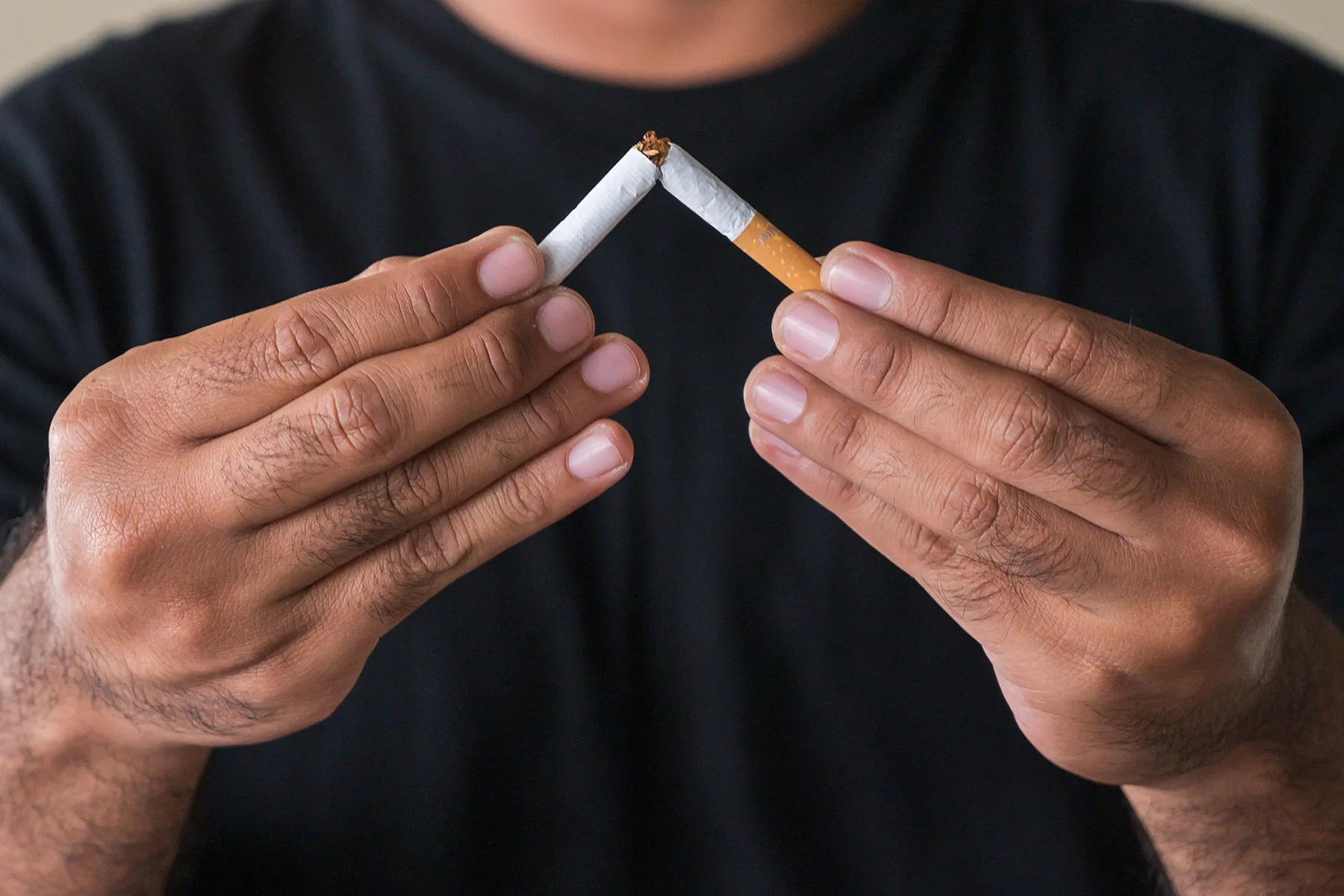
For many smokers, vaping looks like the modern exit ramp from cigarettes: no ashtray, no lingering smoke cloud, no lighter that mysteriously disappears every time you need it. The device is sleek, the flavors sound like a dessert menu, and the promise is tempting: “Switch to vaping and quitting smoking gets easier.” If only nicotine addiction were that polite.
The truth is more complicated. Vaping may reduce exposure to some toxic chemicals found in cigarette smoke when an adult smoker switches completely from combustible cigarettes to e-cigarettes. But “less harmful than smoking” does not mean “safe,” and “switching” does not automatically mean “quitting.” For many people, vaping becomes a side road rather than a finish line. Some end up using both cigarettes and vapes, some stay dependent on nicotine longer, and others discover that a strawberry-mango cloud can be just as bossy as a cigarette break.
This article explores why turning to vaping to stop smoking is not a simple solution, what the science says, where the risks hide, and what a more realistic quit plan can look like.
Why Smokers Turn to Vaping in the First Place
Most people who smoke are not unaware of the risks. Cigarette smoking is linked to cancer, heart disease, stroke, emphysema, chronic lung disease, and a long list of health problems nobody wants printed on a birthday card. Many smokers want to quit, but nicotine is extremely addictive. It reaches the brain quickly, produces a short burst of relief or reward, and then leaves the body asking for more. Nicotine is not a polite houseguest; it moves in, rearranges the furniture, and complains when you try to evict it.
Vaping appeals to smokers because it mimics several parts of smoking at once. There is hand-to-mouth movement, inhalation, visible exhale, a throat hit, and fast nicotine delivery. That makes e-cigarettes feel familiar in a way patches, gum, or lozenges do not. For someone used to stepping outside after lunch or reaching for a cigarette during stress, vaping can seem like a practical compromise.
There is also a perception problem. Because e-cigarettes do not burn tobacco, many people assume they are harmless. Compared with cigarette smoke, e-cigarette aerosol usually contains fewer toxic chemicals. But fewer is not zero. Aerosol can still contain nicotine, ultrafine particles, volatile organic compounds, heavy metals, and chemicals linked to lung irritation. The lungs, famously fussy organs, were designed for airnot mystery mist with birthday-cake flavoring.
Vaping Is Not the Same as Quitting
The biggest misunderstanding is that replacing cigarettes with vaping equals quitting. It may be a step away from burning tobacco, but it is not necessarily freedom from nicotine. Many e-cigarettes deliver nicotine efficiently, and some modern devices can deliver high doses. A person may smoke fewer cigarettes but vape throughout the day, keeping nicotine dependence alive and well.
Quitting smoking means ending the use of combustible cigarettes. Quitting nicotine means ending dependence on nicotine products altogether. These are related goals, but they are not identical. For some adult smokers, completely switching from cigarettes to e-cigarettes may reduce exposure to certain harmful substances from smoke. But if vaping becomes a permanent replacement, the person may still be managing cravings, withdrawal, tolerance, and behavioral dependence.
That distinction matters because the end goal should not be simply “smell less like smoke.” It should be better health, more control, fewer cravings, and a realistic path away from nicotine dependence.
The Problem of Dual Use
Dual use means using both cigarettes and e-cigarettes. It is one of the most common ways vaping becomes less helpful than expected. A smoker may vape at work, in the car, or around family, but still smoke traditional cigarettes in the morning, after meals, or during stress. The person feels like progress is happeningand sometimes it isbut the health benefits are limited if cigarettes remain part of the routine.
Combustible cigarettes are especially dangerous because burning tobacco creates thousands of chemicals, including many that damage the heart, lungs, and blood vessels. Cutting down from a pack a day to half a pack may be a meaningful step, but it is not the same as stopping. Even low levels of smoking can carry serious health risks.
Dual use can also keep both habits strong. The vape handles casual cravings; the cigarette remains the emotional anchor. Instead of one addiction loop, the person now has two devices competing for attention like badly behaved puppies.
What Research Suggests About Vaping and Smoking Cessation
The evidence on vaping as a quit-smoking tool is mixed and evolving. Some studies suggest that adults who use e-cigarettes daily and completely replace cigarettes may have better chances of stopping cigarette use than people who vape only occasionally. That makes sense: if a person is trying to replace cigarettes, inconsistent vaping may simply add another nicotine product rather than substitute for smoking.
However, other research has found that vaping does not necessarily increase long-term smoking cessation and may reduce the likelihood of becoming free from both cigarettes and e-cigarettes. This is why major U.S. health organizations remain cautious. No e-cigarette has been approved by the U.S. Food and Drug Administration as a smoking cessation medication. FDA-approved quit-smoking options include nicotine replacement therapy, bupropion, and varenicline, often combined with counseling or quitline support.
In plain English: vaping may help some adult smokers under certain conditions, especially if it completely replaces cigarettes. But it is not a magic wand, not a doctor-approved quit medication, and definitely not a health smoothie you inhale.
Health Risks Still Matter
Vaping avoids combustion, which is one reason it is often discussed as a lower-risk alternative for adults who already smoke. But lower risk is not no risk. Most e-cigarettes contain nicotine, and nicotine can increase dependence, affect mood, and make withdrawal unpleasant. It is especially risky for adolescents, young adults, pregnant people, and developing fetuses.
E-cigarette aerosol may contain chemicals that can irritate or damage the lungs. Flavoring chemicals that are safe to eat are not automatically safe to inhale. Your stomach and lungs have very different job descriptions. The stomach can handle soup; the lungs would like to be excluded from that experiment.
There are also safety concerns beyond chemicals. Defective vape batteries have caused burns and explosions. Poison control centers have received calls involving accidental exposure to vaping liquid, especially among young children. Nicotine liquid can be dangerous if swallowed, absorbed through the skin, or splashed into the eyes.
Youth Vaping Changes the Public Health Equation
Any discussion of vaping and smoking cessation must separate adult smokers from young people who have never smoked. For youth, vaping is not harm reduction. It is a potential doorway into nicotine addiction. E-cigarettes are the most commonly used tobacco product among U.S. middle and high school students, and flavored disposable products have played a major role in youth appeal.
Nicotine can harm brain development during adolescence, especially areas involved in attention, learning, mood, and impulse control. Many young people who vape report wanting to quit, which should tell us something important: a product that looks casual can become difficult to stop. “I’ll just try it” can turn into “Where did I put my charger?” faster than expected.
This youth concern is one reason regulators and health groups are cautious about treating vaping as an easy solution. Public health policy has to balance two realities: some adult smokers may use e-cigarettes to move away from cigarettes, while flavored nicotine products can also attract young people who otherwise might never have used tobacco.
Why Vaping Can Be Hard to Quit
Some former smokers are surprised to discover that quitting vaping can be difficult. One reason is convenience. Cigarettes require a place, a lighter, and often a small social exile to the parking lot. Vapes can be used discreetly, frequently, and sometimes indoors. That can create a pattern of constant nicotine dosing.
Another reason is the lack of natural stopping points. A cigarette ends. A vape session can stretch into little puffs all day long. People may lose track of how much nicotine they are using because there is no obvious “pack count.” The device sits nearby like a tiny emotional-support robot.
Behavioral cues also matter. People vape when bored, anxious, driving, scrolling, working, gaming, drinking coffee, or socializing. Over time, the brain connects vaping with nearly everything. At that point, quitting is not just about nicotine withdrawal; it is about rebuilding daily routines.
Better-Proven Ways to Quit Smoking
For smokers who want to quit, the strongest evidence supports a combination of behavioral support and FDA-approved medication. Nicotine replacement therapy can include patches, gum, lozenges, inhalers, or nasal spray. The patch provides steady nicotine, while gum or lozenges can help with sudden cravings. Prescription medications such as varenicline or bupropion may also help, depending on a person’s health history and medical advice.
Counseling improves quit success because smoking is not only chemical dependence; it is habit, stress relief, identity, routine, and sometimes social glue. Quitlines, text programs, mobile tools, group counseling, and one-on-one support can help people prepare for cravings before they arrive. A craving is easier to handle when you have a plan; otherwise, it shows up like a raccoon in the kitchen and suddenly you are negotiating.
A practical quit plan often includes setting a quit date, identifying triggers, removing cigarettes and ashtrays, choosing medications, telling supportive people, planning rewards, and preparing for slips. A slip does not mean failure. It means the plan needs adjusting. Nobody learns to ride a bike by declaring bankruptcy after one wobble.
If Someone Uses Vaping, What Makes It Less Risky?
For adults who already smoke and choose to vape despite the uncertainty, the key principle is complete substitution. Continuing to smoke while vaping reduces the potential benefit. The goal should be to stop combustible cigarettes entirely, then eventually create a plan to taper and quit vaping as well.
People should avoid modifying devices, mixing unknown liquids, using THC products from informal sources, or assuming “nicotine-free” always means nicotine-free. They should keep devices and liquids away from children and pets, follow battery safety instructions, and talk with a healthcare professional if they have chest pain, breathing problems, severe cough, dizziness, or symptoms that feel unusual.
Pregnant people, youth, young adults who do not already smoke, and adults who have never used tobacco should not start vaping. For these groups, vaping introduces risk without a meaningful harm-reduction argument.
The Psychology: Swapping the Ritual, Not Solving the Root
Smoking often becomes woven into a person’s emotional life. A cigarette may mark the end of a meal, create a break during work, calm nerves after an argument, or provide a reason to step outside. Vaping can preserve that ritual, which is part of why it feels easier than quitting outright. But preserving the ritual can also preserve the dependence.
To quit for good, people usually need replacement routines that do not involve nicotine. That might mean walking after meals, drinking water through a straw, chewing sugar-free gum, practicing breathing exercises, texting a quit coach, or keeping hands busy with something that is not shaped like a vape. The replacement does not have to be glamorous. Your brain does not need a spa retreat; sometimes it needs a mint and a five-minute walk.
Experiences Related to Turning to Vaping to Stop Smoking
Consider the experience of a smoker who switches to vaping with sincere intentions. At first, it feels like a victory. Clothes smell better. The car no longer has that old ashtray aroma. Family members complain less. The person may even feel proud, and they shouldmoving away from cigarettes is not easy. But after a few weeks, the vape is always nearby: on the desk, in the cup holder, beside the bed, tucked into a pocket. Instead of smoking ten times a day, they are vaping fifty tiny times without noticing.
Another common experience is the “only when I drink coffee” problem. The person quits cigarettes during the workday but still smokes one with morning coffee, one after dinner, and one during stressful moments. The vape becomes a bridge between cigarettes, not a bridge away from them. This is frustrating because the person is trying. They are not lazy or weak. They are dealing with a product designed to deliver an addictive chemical into a brain that has learned to ask for it loudly.
Some people also describe feeling socially trapped. Friends vape. Coworkers vape. The device gets passed around at parties. Flavors make it feel less serious than smoking, almost like choosing a soda. But dependence does not care whether the flavor is tobacco, mint, or unicorn cupcake thunderstorm. If nicotine is driving the habit, the brain learns the pattern.
Others discover that vaping helps them stop buying cigarettes, but they feel anxious about quitting the vape. This can produce mixed emotions: relief about leaving cigarettes behind, worry about ongoing nicotine use, and embarrassment about still needing something. That embarrassment is unnecessary. Nicotine addiction is a medical and behavioral challenge, not a character flaw. The better response is to make a second-stage plan: first stay off cigarettes, then reduce vaping frequency, lower nicotine concentration if appropriate, and use counseling or medication support when needed.
A realistic experience-based approach might look like this: write down every cigarette trigger, choose a quit date, use proven cessation support, and if vaping is used, define it as temporary from the start. For example, “I am using this only to avoid cigarettes, not as my new permanent hobby.” Then track use. Set vape-free zones, such as the bedroom and car. Delay the first nicotine use of the day. Replace automatic puffs with planned breaks. Talk to a doctor or quit coach about tapering. The plan does not have to be perfect; it has to be honest.
The most successful quit stories usually involve structure, support, and patience. People learn their triggers. They survive cravings. They forgive slips without turning them into full relapses. They stop romanticizing cigarettes as “stress relief” and start seeing them as stress postponement with terrible interest rates. Eventually, the goal is not to become a perfect quitter. The goal is to become a person who no longer has to organize the day around nicotine.
Conclusion: Vaping Is a Detour, Not a Guaranteed Exit
Turning to vaping to stop smoking is not a simple solution because nicotine addiction is not a simple problem. Vaping may reduce exposure to some cigarette smoke toxins if an adult smoker switches completely, but it can also maintain nicotine dependence, encourage dual use, create new quitting challenges, and pose health risks of its own.
The smartest path is not panic and not hype. It is clarity. Cigarettes are deadly. Vaping is not harmless. Dual use is a trap. FDA-approved cessation medications, counseling, quitlines, and structured support remain the best-established tools for quitting. If vaping is used by an adult smoker, it should be part of a deliberate plan to leave cigarettes behind completelynot a permanent subscription to nicotine with better packaging.
Note: This article is for general informational purposes only and is not a substitute for professional medical advice. People who want to quit smoking or vaping should speak with a qualified healthcare professional, pharmacist, or quitline counselor for personalized guidance.