Salt has a talent for making food taste louder. A pinch wakes up soup, rescues bland vegetables, and makes popcorn feel like a tiny movie theater in a bowl. But for many people, especially anyone watching blood pressure, heart health, kidney health, or overall sodium intake, the goal is not to make food boring. The goal is to make salt less necessary.
The good news: seasoning food without salt is not culinary punishment. It is more like switching from a one-man band to a full orchestra. Herbs, spices, citrus, vinegar, aromatics, salt-free seasoning blends, roasting, toasting, and smart shopping can create food that tastes bright, savory, smoky, spicy, tangy, and deeply satisfying without leaning on the salt shaker like it owes you money.
This guide explains how to season food without salt, how to find sodium-free foods, how to read labels, and how to build meals that taste complete. Whether you are following a low-sodium diet, shopping for no-salt-added groceries, or simply trying to stop your soup from tasting like a seawater internship, this article will help.
Why Reducing Sodium Matters
Sodium is an essential mineral. Your body uses it for fluid balance, muscle function, and nerve signals. The problem is not sodium itself; the problem is that many modern diets contain far more sodium than most bodies need. Federal dietary guidance recommends that teens and adults keep sodium under 2,300 milligrams per day, while many heart-health organizations encourage even lower targets for people with high blood pressure or elevated cardiovascular risk.
One surprising fact is that most sodium does not come from the salt you sprinkle at the table. It often comes from packaged, processed, prepared, and restaurant foods. Bread, deli meats, pizza, canned soup, sauces, frozen meals, snack foods, cheese, pickles, and condiments can quietly pile sodium onto the plate before you even touch the shaker.
That means a successful low-sodium lifestyle is not only about willpower. It is about strategy. You need flavor tools in the kitchen and label-reading skills at the grocery store. Together, those two habits can make sodium reduction feel less like a diet and more like becoming a smarter cook.
What “Sodium-Free” Really Means
Food labels can sound friendly, but they do not always mean what shoppers assume. “No salt added” does not always mean “sodium-free.” It means salt was not added during processing, but the food may still contain naturally occurring sodium. “Reduced sodium” means the product has less sodium than the regular version, but it may still be fairly high. A reduced-sodium soy sauce, for example, can still bring a sodium thunderstorm.
Common Sodium Label Terms
In the United States, “sodium-free” or “salt-free” generally means the food contains less than 5 milligrams of sodium per serving. “Very low sodium” means 35 milligrams or less per serving. “Low sodium” means 140 milligrams or less per serving. “No salt added” means no salt was added during processing, but the Nutrition Facts label still matters.
The most useful habit is simple: compare similar foods. Put two cans of tomatoes, two broths, or two salad dressings side by side and choose the one with less sodium per serving. The winner may surprise you. Sodium is sneaky, but the Nutrition Facts label is sneakier.
How to Season Food Without Salt
Salt does several things in cooking. It enhances flavor, reduces bitterness, and helps ingredients taste more like themselves. To cook well without it, you need to replace those effects with other techniques. The best salt-free cooking does not rely on one substitute. It layers flavors.
1. Use Acid: Lemon, Lime, Vinegar, and Zest
Acid is one of the fastest ways to make food taste alive. A squeeze of lemon on fish, lime on tacos, vinegar in beans, or orange zest on roasted carrots can brighten flavor without sodium. Acid does not taste salty, but it wakes up the palate in a similar way.
Try balsamic vinegar on roasted vegetables, apple cider vinegar in slaws, rice vinegar in stir-fried vegetables, lemon juice on chicken, and lime juice on black beans. Add citrus juice at the end of cooking for maximum freshness. Add zest when you want aroma without extra liquid.
2. Build Flavor With Aromatics
Aromatics are the flavor foundation of many cuisines. Garlic, onion, shallots, scallions, ginger, leeks, celery, bell peppers, and fresh chiles can make salt-free meals taste intentional instead of “doctor said so.”
Sauté onions slowly until golden. Roast garlic until mellow and sweet. Add ginger to soups, rice bowls, and marinades. Use scallions for freshness. These ingredients create depth, which is exactly what low-sodium food often needs.
3. Make Herbs Do the Heavy Lifting
Fresh and dried herbs are sodium-free flavor heroes. Basil brings sweetness to tomato dishes. Rosemary and thyme add woodsy flavor to potatoes, chicken, and beans. Cilantro brightens rice, salsa, and soups. Dill loves fish, cucumbers, yogurt, and eggs. Parsley is the quiet friend who makes almost everything taste cleaner.
Dried herbs are more concentrated than fresh herbs, so use them earlier in cooking. Fresh herbs are best added near the end. A simple rule: dried herbs go into the pot; fresh herbs get the final applause.
4. Explore Spices Instead of Salt
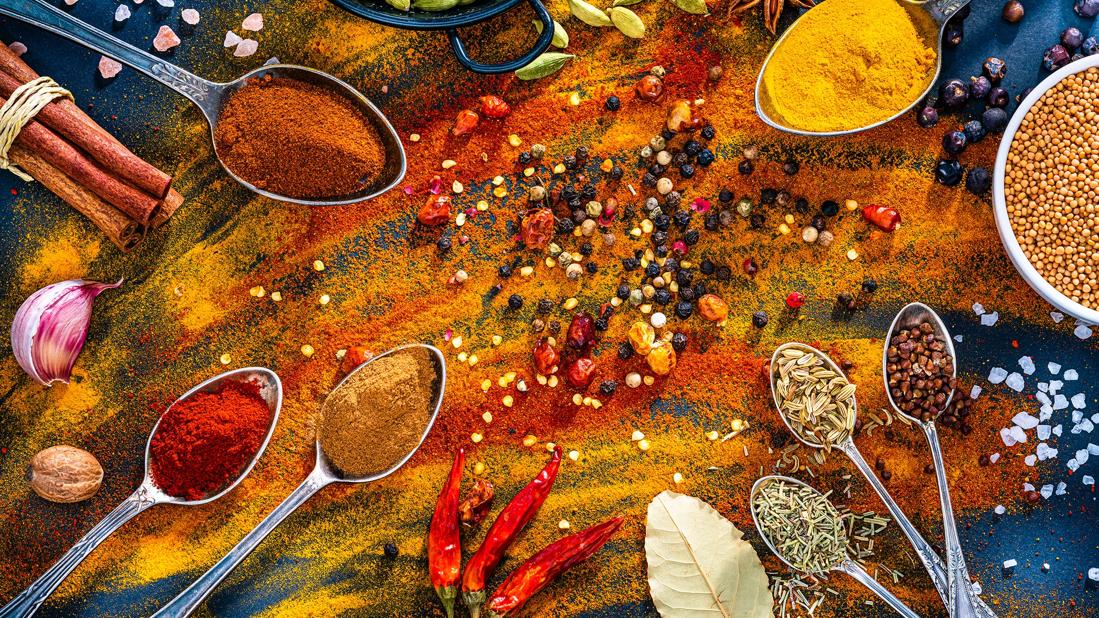
Spices bring personality. Smoked paprika adds campfire flavor without bacon or salt. Cumin gives beans and grains an earthy warmth. Cinnamon works in oatmeal, roasted squash, and Moroccan-style dishes. Curry powder, turmeric, coriander, chili powder, black pepper, mustard powder, and cayenne can turn plain food into something worth discussing at dinner.
One warning: check spice blends carefully. Garlic powder is usually salt-free; garlic salt is not. Onion powder is different from onion salt. Lemon pepper may contain salt. Cajun seasoning, taco seasoning, poultry seasoning, steak seasoning, and “all-purpose” blends often contain sodium unless clearly labeled salt-free.
5. Toast, Roast, Sear, and Brown
Cooking technique can replace some of what salt normally does. Roasting vegetables caramelizes their natural sugars. Searing chicken or fish builds savory browned flavor. Toasting spices in a dry pan for 30 seconds makes them smell amazing and taste deeper. Browning mushrooms creates a meaty flavor that does not need much help.
If steamed broccoli tastes boring without salt, try roasting it with olive oil, garlic powder, black pepper, lemon zest, and a splash of vinegar after cooking. Suddenly, broccoli has a résumé.
Best Salt-Free Flavor Combinations
When you are learning to cook without salt, flavor pairings make life easier. Think in combinations instead of single ingredients.
For Chicken
Try lemon juice, garlic, thyme, black pepper, and smoked paprika. For a warmer flavor, use cumin, coriander, lime, and chili powder. For a Mediterranean style, combine oregano, rosemary, garlic, lemon zest, and olive oil.
For Fish
Use dill, lemon, parsley, garlic, and black pepper. Salmon also works beautifully with mustard powder, maple, citrus, or ginger. White fish likes lime, cumin, paprika, and cilantro.
For Beans and Lentils
Beans can taste flat without seasoning, so give them layers. Use onion, garlic, bay leaf, cumin, smoked paprika, oregano, vinegar, and fresh herbs. A splash of lime or vinegar at the end makes beans taste fuller without adding sodium.
For Vegetables
Roasted carrots love cinnamon, cumin, ginger, and orange zest. Cauliflower works with curry powder, turmeric, garlic, and lemon. Green beans pair well with almonds, garlic, vinegar, and black pepper. Tomatoes enjoy basil, oregano, balsamic vinegar, and roasted garlic.
For Eggs
Use chives, dill, paprika, black pepper, mushrooms, onions, or salsa made without added salt. A salt-free herb blend can make scrambled eggs taste much more exciting than their usual “morning office meeting” personality.
How to Find Sodium-Free Foods at the Grocery Store
Finding sodium-free foods gets easier when you know where to look. The perimeter of the grocery store usually offers more naturally low-sodium choices: fresh fruits, fresh vegetables, plain meats, poultry, seafood, eggs, and some dairy options. The center aisles can still be useful, but they require label reading.
Choose Naturally Low-Sodium Foods
Fresh fruits and vegetables are naturally very low in sodium. Plain oats, dry rice, dry pasta, quinoa, unsalted nuts, dried beans, lentils, and many plain frozen fruits and vegetables can also fit well. Fresh unprocessed meat, poultry, and seafood may be low in sodium, but check packaging because some products are injected with saline or flavor solutions.
Look for “No Salt Added” Staples
No-salt-added canned tomatoes, tomato paste, beans, corn, peas, green beans, pumpkin, and broth can be incredibly useful. Canned beans are convenient, and rinsing them under water can reduce some surface sodium. Still, the best choice is often a no-salt-added version when available.
Be Careful With Condiments
Condiments are tiny but mighty. Soy sauce, ketchup, mustard, salad dressing, barbecue sauce, hot sauce, pickles, relish, teriyaki sauce, marinades, bouillon, and gravy mixes can contain a lot of sodium in small servings. Look for sodium-free, low-sodium, or no-salt-added versions, and use vinegar, citrus, herbs, spices, or homemade sauces when possible.
Watch Out for “Healthy” Foods With Hidden Sodium
Some foods with health halos still contain plenty of sodium. Vegetable juices, cottage cheese, canned soups, veggie burgers, protein bowls, frozen “light” meals, wraps, tortillas, hummus, and flavored rice packets can be higher in sodium than expected. The front label may be wearing yoga pants; the Nutrition Facts panel tells the truth.
Sodium-Free Foods List
Here are practical sodium-free or very low-sodium foods to keep in your kitchen. Always check labels because brands vary.
Fresh Foods
Apples, bananas, berries, oranges, grapes, peaches, lettuce, spinach, cucumbers, carrots, zucchini, bell peppers, mushrooms, onions, garlic, potatoes, sweet potatoes, tomatoes, fresh herbs, plain eggs, fresh fish, fresh chicken, and fresh lean meat are useful low-sodium foundations.
Pantry Staples
Plain oats, brown rice, white rice, quinoa, barley, dry pasta, dry beans, lentils, split peas, unsalted peanut butter, unsalted nuts, unsalted seeds, no-salt-added canned tomatoes, no-salt-added beans, sodium-free baking powder when needed, and salt-free spice blends can make low-sodium cooking much easier.
Flavor Boosters
Lemon juice, lime juice, orange zest, vinegars, fresh garlic, fresh ginger, onion powder, garlic powder, smoked paprika, cumin, coriander, cinnamon, chili flakes, black pepper, mustard powder, rosemary, basil, oregano, thyme, dill, parsley, cilantro, and nutritional yeast can add interest without relying on salt.
Are Salt Substitutes Safe?
Some salt substitutes replace sodium chloride with potassium chloride. They can taste salty and may help some people reduce sodium. However, they are not right for everyone. People with kidney disease, people who need to limit potassium, and people taking certain medications should ask a doctor or registered dietitian before using potassium-based salt substitutes.
Also, do not assume “sea salt,” “Himalayan salt,” “kosher salt,” or “natural salt” solves the sodium problem. These salts may differ in texture and mineral traces, but they still contain sodium. A fancy salt may have a passport and a backstory, but your blood pressure cannot read the label.
How to Make Low-Sodium Food Taste Better Over Time
Taste buds adapt. If you cut sodium gradually, food that once tasted normal may eventually taste too salty. This is why a slow approach works well for many people. Instead of switching overnight from regular soup to sodium-free soup and declaring sadness, try mixing regular and lower-sodium versions at first. Then shift the ratio over time.
Cook pasta, rice, oatmeal, and grains without salt, then add flavor after cooking with herbs, spices, acid, toasted nuts, roasted vegetables, or a homemade sauce. Choose one high-sodium habit to change each week. Replace salty chips with unsalted nuts and fruit. Swap regular canned tomatoes for no-salt-added tomatoes. Choose low-sodium broth. Buy salt-free seasoning. Small changes compound.
Simple Salt-Free Seasoning Blends to Make at Home
Everyday Garlic Herb Blend
Mix garlic powder, onion powder, dried parsley, dried basil, dried thyme, black pepper, and a little smoked paprika. Use it on chicken, vegetables, potatoes, eggs, and soups.
Salt-Free Taco Blend
Combine chili powder, cumin, smoked paprika, garlic powder, onion powder, oregano, black pepper, and cayenne. Use it for beans, ground turkey, roasted vegetables, or taco bowls.
Lemon Pepper Without the Salt
Mix dried lemon zest, cracked black pepper, garlic powder, onion powder, and parsley. Sprinkle it on fish, chicken, vegetables, or popcorn.
Warm Breakfast Spice
Combine cinnamon, ginger, nutmeg, and a tiny pinch of cloves. Add it to oatmeal, yogurt, smoothies, baked apples, or sweet potatoes.
Sample Low-Sodium Meal Ideas
For breakfast, try oatmeal with berries, cinnamon, unsalted nuts, and a spoonful of unsalted peanut butter. For lunch, build a grain bowl with brown rice, no-salt-added beans, roasted peppers, avocado, lime juice, cilantro, and salt-free taco seasoning. For dinner, roast chicken with lemon, garlic, rosemary, and black pepper, then serve it with roasted sweet potatoes and green beans tossed with vinegar and almonds.
Snacks can be simple: fruit, unsalted nuts, plain yogurt with berries, air-popped popcorn with smoked paprika, raw vegetables with homemade low-sodium dip, or rice cakes topped with unsalted nut butter. Low-sodium eating is easier when the kitchen is stocked before hunger starts yelling.
Common Mistakes When Cutting Salt
The first mistake is removing salt without adding any other flavor. That is how chicken becomes a gray apology. Replace salt with acid, aromatics, herbs, spices, browning, and texture.
The second mistake is trusting front-of-package claims too much. “Natural,” “organic,” “gluten-free,” and “plant-based” do not automatically mean low sodium. Read the Nutrition Facts label.
The third mistake is forgetting serving size. A soup may look moderate at 500 milligrams per serving, but if the can contains two servings and you eat the whole thing, the math changes. Sodium math is not glamorous, but neither is surprise puffiness.
The fourth mistake is using salty condiments freely. Even a low-sodium main dish can become high-sodium after soy sauce, dressing, cheese, pickles, or bottled marinade. Keep condiments measured, diluted, or replaced with homemade alternatives.
Extra Experience: What It Actually Feels Like to Season Food Without Salt
The first few days of cooking with less salt can feel strange. Food may seem quieter, like someone turned down the volume on dinner. That does not mean the plan is failing. It means your palate is adjusting. Many people discover that after a few weeks, they start tasting sweetness in carrots, nuttiness in brown rice, brightness in tomatoes, and bitterness in greens more clearly. Salt can enhance food, but too much of it can also flatten the details.
A helpful experience is to start with one familiar dish instead of redesigning your entire diet. Take something simple like roasted potatoes. The old version might use salt, butter, and maybe more salt because potatoes are very persuasive. The new version can use olive oil, garlic powder, onion powder, smoked paprika, rosemary, black pepper, and lemon zest. Roast until crisp, then finish with vinegar or lemon juice. The result is not identical, but it is flavorful in a different way. It has crunch, aroma, heat, and brightness.
Soup is another great test. Low-sodium soup often tastes flat because commercial soups rely heavily on salt for instant impact. To fix homemade soup, start with onions, carrots, celery, garlic, and herbs. Brown the vegetables slightly before adding liquid. Use no-salt-added tomatoes or unsalted broth. Add bay leaf, thyme, black pepper, paprika, and a splash of vinegar at the end. If the soup still tastes dull, it may not need salt; it may need acid, herbs, or more cooking time.
Shopping also becomes easier with practice. At first, reading labels feels slow, like grocery shopping with homework attached. After a while, you learn your safe brands and favorite staples. You know which canned tomatoes are no-salt-added, which breads are lower in sodium, which spice blends are actually salt-free, and which frozen vegetables come without sauce. The first trip is the hardest. The fifth trip is routine.
Restaurants are trickier, but not impossible. Ask for sauces and dressings on the side. Choose grilled, baked, steamed, or roasted foods when available. Skip heavily cured, breaded, pickled, or sauced items when you can. Add flavor with lemon wedges, vinegar, pepper, herbs, or fresh toppings. You may not control everything, but you can control enough to make better choices.
The biggest lesson is that low-sodium eating works best when it feels abundant, not restrictive. Stock the pantry with flavor. Keep lemons, garlic, onions, vinegars, herbs, spices, unsalted nuts, no-salt-added canned goods, and simple whole foods around. When the kitchen has options, you are less tempted to declare emergency pizza diplomacy.
Over time, seasoning food without salt becomes less about what is missing and more about what is possible. You learn to make beans taste smoky, vegetables taste roasted and bright, chicken taste herby and crisp, and breakfast taste warm and comforting. Salt becomes one tool instead of the whole toolbox. That is the real win: food that supports your health and still makes you want another bite.
Conclusion
Seasoning food without salt is not about accepting bland meals. It is about building flavor with smarter tools. Citrus, vinegar, garlic, onions, herbs, spices, roasting, browning, and salt-free blends can make low-sodium food satisfying and practical. At the grocery store, the Nutrition Facts label is your best friend. Look for sodium-free, low-sodium, and no-salt-added foods, but always compare serving sizes and sodium numbers.
Reducing sodium is especially powerful because so much of it comes from packaged and prepared foods. By cooking more at home, choosing fresh and minimally processed ingredients, using no-salt-added staples, and being careful with condiments, you can lower sodium without lowering enjoyment. Your meals can still be bold, colorful, comforting, and fun. They just do not need to taste like they were seasoned by a sailor during a storm.
SEO Metadata
Note: This article is for general educational purposes and should not replace medical advice. People with kidney disease, heart failure, high blood pressure, or medication-related potassium concerns should ask a healthcare professional before using potassium-based salt substitutes.