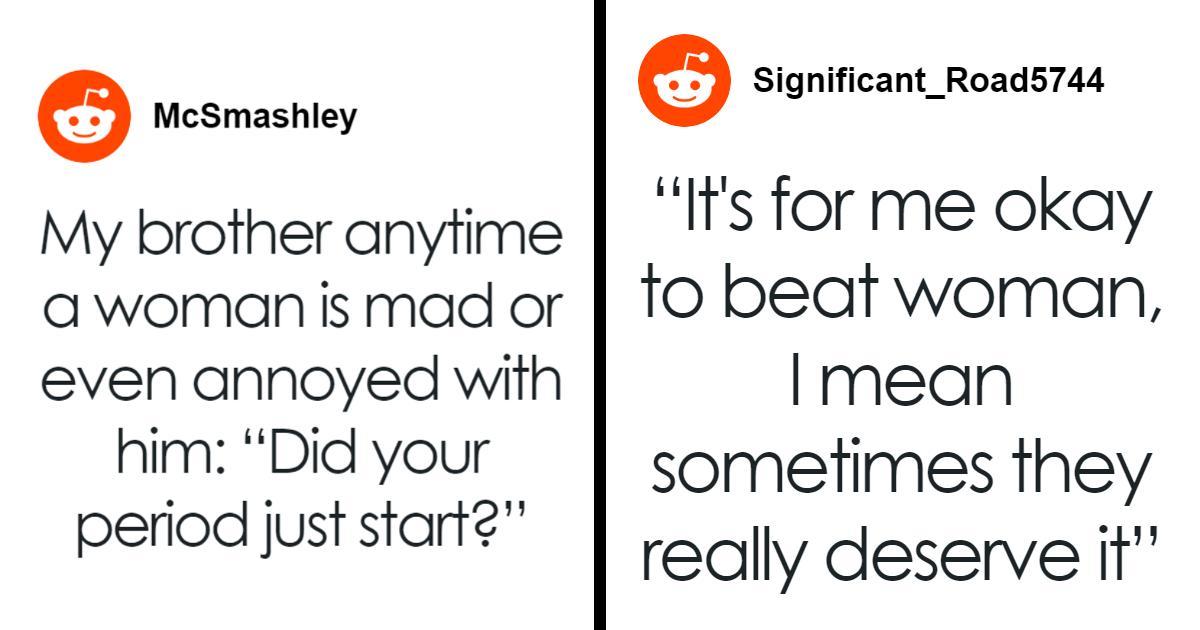
Some people are single because they’re healing, thriving, picky in a healthy way, or simply too busy enjoying their peace to hand it over to a chaos goblin. And then there are the other people. You know, the ones who turn a simple coffee date into an emotional obstacle course. The ones who treat basic respect like an optional app download. The ones who believe accountability is a myth invented by therapists.
This article is not a roast session for single people. Being single is not a flaw, and a relationship is not a trophy. But sometimes you meet someone and think, Oh. Right. That explains everything. Their single status is not some mysterious cosmic injustice. It is the direct result of behavior that would make even the most optimistic romantic slowly back toward the exit.
From terrible communication and attention-seeking to controlling habits and cartoon-villain-level selfishness, here are 35 times people’s single status made absolute sense. Funny? Yes. Painfully familiar? Also yes. And underneath the jokes, there’s a real lesson: healthy relationships usually need trust, emotional maturity, boundaries, respect, and the ability to speak to another human like they are, in fact, a human.
Why Some Dating Red Flags Practically Introduce Themselves
There is a reason certain habits keep showing up on lists of dating red flags and relationship deal breakers. People do not usually run from tiny imperfections. They run from patterns that make connection feel exhausting, unsafe, manipulative, or wildly one-sided. A person can be messy, awkward, introverted, weird, and still be a wonderful partner. What pushes people away is not harmless personality. It is behavior that signals disrespect, instability, dishonesty, cruelty, or emotional immaturity.
That is why the idea behind “that’s why they’re single” hits so hard. It is not about judging someone for not having a partner. It is about those moments when a person’s actions explain why relationships with them keep crashing into the same wall. In many cases, the problem is not bad luck. It is the refusal to listen, compromise, apologize, regulate emotions, or stop treating dating like a performance review with flirting.
So let us open the case file.
35 Times People’s Single Status Made Absolute Sense
1. They treated every conversation like a TED Talk starring themselves
If you ask someone zero questions and somehow circle every topic back to your glory days, people are not dating you. They are attending a lecture.
2. They called honesty “being brutally honest” when it was clearly just rudeness
There is a difference between truth and using “I’m just honest” as a coupon code for bad manners.
3. They wanted loyalty without offering basic respect
Demanding devotion while giving crumbs is not romantic. It is a subscription plan nobody wants.
4. They flirted with everyone and called it their personality
Being charming is one thing. Treating boundaries like decorative suggestions is another.
5. They turned minor disagreements into Olympic-level drama
If the wrong pizza topping becomes a full-scale emotional crisis, long-term partnership may not be your arena yet.
6. They kept score like dating was a competitive sport
“I texted first three times, so now you owe me.” That is not love. That is suspiciously close to customer service math.
7. They criticized everything but could not handle feedback
Nothing says “future ex” like dishing out judgment by the truckload and then collapsing over one gentle suggestion.
8. They confused jealousy with love
Checking your partner’s phone, policing their friends, and acting like a detective is not passion. It is a red flag wearing cologne.
9. They made fun of people for having feelings
Emotional vulnerability is not weakness. Mocking it just tells everyone you are allergic to intimacy.
10. They always had an excuse for lying
Small lies, big lies, weird lies, unnecessary lies. If the truth has to fight for screen time, trust will not survive.
11. They were allergic to accountability
Every failed relationship was somehow their ex’s fault, their boss’s fault, Mercury retrograde’s fault, or society’s fault. Never theirs.
12. They love-bombed early and disappeared later
When somebody arrives with soulmate speeches on day four and emotional unavailability by week three, the plot twist is not charming.
13. They expected mind-reading instead of communication
If your dating strategy is “guess what I’m upset about,” congratulations on creating a game nobody enjoys.
14. They weaponized silence
Taking space is healthy. Punishing someone with icy silence for control points is not.
15. They wanted a partner but not another person’s needs
Some people want companionship the way they want a phone charger: useful, available, and silent.
16. They treated service workers terribly
One rude dinner order can reveal more than six flattering selfies and a perfectly curated bio.
17. They talked about all exes like they were cursed heroes
If every former partner was “crazy,” the common denominator is starting to clear its throat.
18. They confused sarcasm with personality
Wit is attractive. Constant snark that leaves people feeling smaller is just hostility in a cute jacket.
19. They loved attention more than connection
Some people do not want intimacy. They want an audience, applause, and a backup roster.
20. They only showed interest when someone pulled away
If affection appears only when control is slipping, that is not romance. That is ego maintenance.
21. They had no boundaries and respected nobody else’s
Oversharing, overstepping, over-texting, over-demanding. The whole thing felt less like dating and more like an emotional home invasion.
22. They confused intensity with compatibility
Butterflies are lovely. Constant anxiety is not chemistry. Sometimes your nervous system is not saying “soulmate.” It is saying “run.”
23. They made everything transactional
Every favor came with invisible billing. Every act of kindness had a future invoice.
24. They tried to win arguments instead of solve problems
If your goal is victory rather than understanding, the relationship eventually becomes a courtroom without a judge.
25. They thought compromise meant losing
Healthy relationships are not hostage negotiations. Sometimes two people just meet in the middle like adults.
26. They were emotionally unavailable but deeply opinionated about other people’s emotions
Nothing says chaos like refusing to open up while critiquing everyone else’s feelings from the balcony.
27. They disappeared during anything remotely difficult
Fun dates? Present. Real conversation, conflict, or support? Suddenly they were spiritually offline.
28. They confused control with standards
Having standards is healthy. Dictating how someone dresses, speaks, or lives is a completely different circus.
29. They needed constant reassurance but rejected healthy closeness
Some people want proof of love every ten minutes but panic the second real intimacy arrives.
30. They used ultimatums for everything
Healthy boundaries say, “This is what I can accept.” Ultimatums say, “Do what I want or else.” Big difference.
31. They were charming in public and mean in private
A polished social persona does not cancel out private cruelty. It just makes the confusion take longer to clear.
32. They refused to grow
Everybody has flaws. The real problem starts when someone treats self-improvement like a personal attack.
33. They made their partner responsible for their entire happiness
Support is lovely. Expecting another person to regulate your every mood is emotional outsourcing at industrial scale.
34. They treated kindness like weakness
If someone thinks empathy is for fools and tenderness is embarrassing, relationships will keep feeling suspiciously temporary.
35. They wanted the benefits of love without the work of love
They wanted attention, affection, loyalty, patience, forgiveness, admiration, and support. What did they offer back? Vibes, mostly.
What These Behaviors Actually Reveal
Funny as these examples are, they point to a few deeper patterns. First, many people who struggle in relationships do not necessarily lack charm. They lack consistency. They may know how to attract someone, but not how to maintain trust. Second, some habits that look dramatic on the surface are really about fear underneath. Jealousy may hide insecurity. Defensiveness may hide shame. Silence may hide emotional immaturity. The trouble is, hidden reasons do not erase visible damage.
Another big pattern is disrespect for boundaries. People who overshare too soon, push for commitment too fast, demand access to phones, or punish independence are often announcing that they do not know how to relate without control. And control is a terrible substitute for closeness. It creates tension, not security.
Finally, many of these situations come down to communication. Not polished speech. Not therapy jargon. Just the ability to say what you feel, hear another person out, repair conflict, and avoid turning every problem into a blame festival. That is often the real dividing line between a healthy relationship and a disaster with a cute profile picture.
Real-Life Experiences That Make the Title Hit Even Harder
Most people have had at least one moment where the light bulb came on mid-conversation. Maybe it happened on a first date when the person spent 90 minutes insulting their exes and bragging about how nobody is good enough for them. Maybe it happened during a texting phase that began like a rom-com and ended like a hostage negotiation. Maybe it happened when someone said they wanted honesty, then reacted to basic honesty like it was a hostile act.
Those experiences stick because they are so oddly clarifying. At first, confusing behavior can feel mysterious. You wonder whether you are overthinking, whether they are just nervous, whether there is some deeper context you are missing. Then a pattern forms. They cancel whenever it is inconvenient for them. They are warm only when they want attention. They disappear during conflict and return only when they are bored or lonely. Suddenly the mystery is gone. You are not looking at bad luck. You are looking at a habit.
One especially common experience is the person who seems amazing in tiny doses. They are witty, magnetic, attractive, and capable of generating enough chemistry to power a midsize city. But the longer you know them, the more obvious it becomes that they are not interested in mutual connection. They want validation, not vulnerability. They want pursuit, not partnership. They love being wanted, but they do not really know what to do once someone gets close enough to need consistency.
Another familiar experience involves people who talk a big game about commitment but behave like every relationship is a pop quiz they refuse to study for. They say they want something real, but they dodge difficult conversations, avoid accountability, and fold under the mildest inconvenience. Their words sound ready for love. Their habits clearly are not.
Then there is the slow-burn realization that meanness is not confidence. A lot of people learn this one the hard way. Someone can seem bold, blunt, and exciting at first. Later, you notice that what looked like confidence is actually contempt. They interrupt. They belittle. They joke at other people’s expense. They mistake cruelty for charisma. Once you see it, you cannot unsee it.
In the end, these experiences teach a useful lesson. Being single is not the punchline. The punchline is how often people reveal exactly why their relationships do not last, usually while insisting they have no idea. The good news is that self-awareness can change the story. People can learn better communication, healthier boundaries, more honesty, and more empathy. But until they do, others will keep having that very specific thought: Ah. That’s why.
Conclusion
The most revealing dating red flags are not always dramatic. Often, they show up in everyday behavior: the refusal to listen, the habit of lying, the need to control, the inability to apologize, the constant criticism, or the total absence of empathy. That is why people’s single status sometimes makes immediate sense. Not because being single is bad, but because their behavior explains why healthy connection keeps slipping through their fingers.
If there is a takeaway here, it is simple. Healthy love usually looks less flashy than toxic attraction. It sounds like direct communication, feels like emotional safety, and leaves room for boundaries, mutual respect, and growth. Anyone can have quirks. The problem starts when quirks turn into patterns that make dating feel like unpaid labor. And when that happens, people notice.